
Why Building Prices Vary
Province, finish level, access, complexity, labour pressure, and contractor structure all affect cost
Quick answer
Finish level, site access, complexity and contractor structure can price the same house three different ways. See each factor's typical impact.
12 min read
On this page
Curious: can two similar plots in the same city end up with very different final prices?
This question matters if you plan a new home in 2026. At buildingpricessouthafrica.co.za we explain that a basic project can start at R9,500 per square metre, while higher-end homes may exceed R30,000 per square metre.
Our platform gives clear, practical guidance so you can set a realistic budget. We show how location, finish level, access and labour pressure influence construction and material price.
Use our pricing guidance to compare estimates and spot hidden fees before you sign. You will learn which factors push a quote up and where you can save without risking quality.

Understanding Why Building Costs Vary South Africa
Location and finish level push the per square metre figure up or down across provinces, and our pricing guidance shows the provincial gaps clearly so you can plan realistic budgets — see about us for how we put those numbers together. Costs for this are set out in per-square-metre build rates.
Kwazulu-Natal leads for expense: a standard home estimate sits near R2,505,000. Gauteng follows at about R2,250,000, and the Western Cape averages close to R2,220,000.

The average cost per square metre for 2026 ranges roughly from R10,000 to R20,000. That spread depends on finish level, location and local labour rates.
- Construction costs per square metre differ by province; KwaZulu-Natal currently averages R16,700 per metre.
- Our pricing guidance highlights higher rates in major urban regions due to demand and supply-chain pressure.
- Use the platform to break down costs per square and compare rates across regions before you commit.
Understanding these regional factors helps you forecast total expenses for your house project. Confirm scope, quality and rates in writing so quotes match the final price.
The Impact of Property Complexity and Design
A simple footprint keeps the cost per square low; complex plans push it up fast. A 150m² house is the typical size for a three‑bedroom home in south africa. Size and shape dictate the volume of materials and labour for your project.
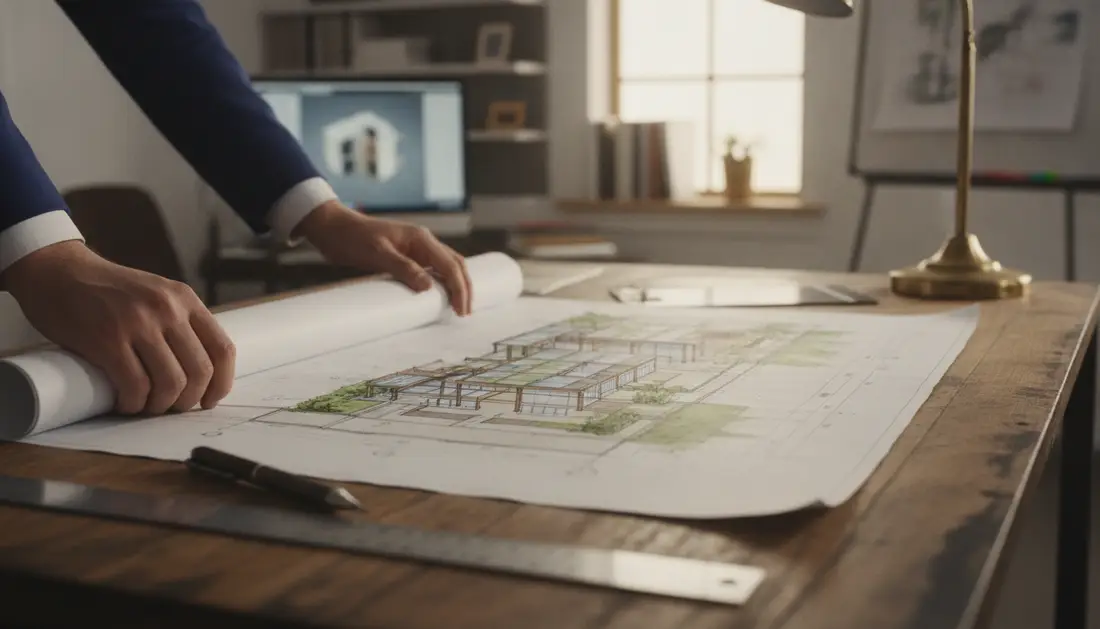
The Complexity Ladder
Start with a rectangle. Add wings, then consider a double‑storey. Finally, factor in a sloping site. Each step increases foundation, roof lines and service runs.
Structural Design Choices
Elements such as cantilevers, curved walls or multiple roof planes raise construction costs. Sloping plots need deeper footings and retaining work, which lifts the cost per square metre.
- Simple designs give lower cost per square and let you spend more on quality finishes.
- Complex forms increase material waste, specialist labour and the total building expense.
- Our platform breaks down how each design choice impacts your budget and final cost.
| Design Type | Typical Impact | Relative cost per square |
|---|---|---|
| Rectangle | Low waste, simple roof | Base rate |
| Wings / additions | More roof lines, joins | +10–20% |
| Double‑storey | Stairs, load bearing work | +15–30% |
| Sloping site | Retaining and stepped foundations | +20–40% |
Tip: Choose a simpler design to lower the cost per square and free budget for better materials or finishes.
Regional Labour Pressures and Site Access
Labour availability and travel time quietly add to your final quote. Labour typically makes up 25–30% of total construction expenses on a project. That share rises where skilled crews are scarce.
The Role of Travel Time and Labour Rates
Travel to remote sites often means extra daily allowances, fuel levies and occasional accommodation fees. Contractors pass these on as higher day rates or as separate fees.

Regional pressure alters the rate you pay. The Western Cape may show different rates to rural provinces because of availability and demand. Difficult access or steep land also needs specialised teams and raises the cost per square metre. Costs also vary by province — see building prices across the provinces.
- Confirm labour rates and travel fees in writing before on‑site work begins.
- Check whether quotes include allowances for bad roads, steep sites or poor soil.
- Factor labour costs into your cost per square and overall budget to avoid surprises.
| Factor | Typical impact | Budget note |
|---|---|---|
| Skilled labour shortage | Day rates ↑ | Source confirmation required |
| Remote access | Travel & accommodation fees | Often listed separately |
| Site conditions | Specialist labour & equipment | Raises cost per square metre |
Comparative Analysis of Construction Variables
Compare one 150m² plan priced in three ways and you quickly see which choices move the needle. This thought experiment separates site access, contractor structure and finish level so you can compare true costs per square.

The Same-House Thought Experiment
We model a 150m² house three times: budget, standard and luxury. Standard market rates in 2026 range from R10,000 to R20,000 per square metre.
Material Quality Impact
Material selection changes the cost per square dramatically. Local mid-range materials keep the price near the middle of the range.
Premium imports and specialist fittings can push the metre rate above R20,000 and add large material costs to the total price.
Finish Level Variations
Finishes create the biggest gaps. Kitchens and bathrooms alone can differ by over R100,000 between budget and luxury fits.
- Labour costs typically remain 25–30% of the budget but finer finishes increase hours and rates.
- Our breakdown shows the cost per square and the final price shift when you swap materials or alter access and contractor choice.
| Scenario | Estimated R per square metre | Typical notes |
|---|---|---|
| Budget | ≈ R10,000 | Local materials, simple finishes |
| Standard | ≈ R14,000 | Quality materials, mid suppliers |
| Luxury | > R20,000 | Imported fittings, premium labour |
Read the numbers and confirm material quality, scope and fees in writing. Doing so protects your budget and prevents surprises on site.
Essential Factors Influencing Your Total Budget
A realistic budget folds in design fees, permits and a contingency so you avoid surprises on site.
Professional fees are separate from construction expenditure. Architect fees can reach 8% of the construction cost and structural engineers commonly charge about 2%.
For a 200m² home, expect professional fees between R60,000 and R180,000, depending on design complexity and municipal requirements.
Hidden expenses matter. Connection levies, clearance certificates and transfer duties can push the cost per square higher.
- Include professional fees (architect, engineer, surveyor) in your overall budget.
- Set aside 10–15% of the total construction sum as a contingency for unexpected developments.
- Confirm inclusions and exclusions in writing: timeline, payment schedule and specific fees.
- Check material availability and regional labour rates, as prices can change by province and site access.
- Verify contractor registration with the NHBRC before work starts.
| Item | Typical impact | Example | Budget note |
|---|---|---|---|
| Architect & design fees | Up to 8% of construction | R60k–R180k (200m²) | Separate from construction costs |
| Structural engineer | ≈2% of construction | Measured per project | Necessary for approvals |
| Hidden municipal fees | Variable | Connection levies, certificates | Include in cost per square |
| Contingency | 10–15% recommended | Unforeseen site works | Protects your budget |
Final note: Build your budget around the cost per square and add clear allowances for professional fees, permits and unforeseen events. That approach keeps your project on track and your financial risk controlled.
Navigating the Quote Request Process
Submitting a well‑defined project brief speeds up replies and produces comparable quotes. Use our quote request process to connect with independent contractors who can visit your site and prepare formal estimates.
You may request up to three quotes, or up to five where available, so you can compare construction prices and services. When you get a quote, check it includes a clear breakdown of materials, labour and professional fees to avoid hidden expenses.
Remember: independent contractors handle site visits, final quotes and the actual work. Our platform facilitates contact and comparison, but contractors supply the final documentation you need for a building loan.
- Ensure the quote lists per square rates, materials and itemised fees.
- Confirm NHBRC registration and request written warranties before you sign.
- Ask for a lien waiver to protect your property during construction.
- Confirm scope, timelines and payment terms in the contract.
| Item | What to expect | Why it matters |
|---|---|---|
| Number of quotes | Up to 3 (or 5 where available) | Compare prices and service offers |
| Quote content | Per square rate, materials, labour, fees | Prevents surprise expenses |
| Contractor checks | NHBRC registration, warranties, lien waiver | Protects loan approval and property rights |
| Platform role | Connects you to independent contractors | Saves time and simplifies comparisons |
Final Steps for Successful Project Planning
Before the first spade, confirm the full scope and financial picture for your project. Get loan approval and aim for a credit score above 670 to simplify the process.
Confirm inclusions, exclusions, timelines, payments and warranties in writing with your contractor. That written record protects you from unexpected costs and fees.
Quality control matters: schedule regular site visits so the materials and workmanship match your specification. Factor professional fees and possible design changes into your budget to avoid mid‑project stress.
Our platform guides you through these final checks and helps you compare quotes, review construction costs and track labour and material rates. More about how we work is in about the platform.
Keep communication clear and all agreements written to protect your house and your investment.
FAQ
What drives variations in per square metre pricing across provinces and suburbs?
Several local factors change the price per square metre: municipal rates and contributions, availability and cost of skilled labour, transport and delivery to the site, and local supply of materials such as bricks, cement and timber. High-demand areas like parts of the Western Cape or Gauteng often show higher contractor rates and longer lead times, which pushes up the price per square metre.
How does the level of finish affect the final project figure?
Finish level is one of the largest cost levers. A basic plaster-and-paint finish with standard fittings sits at the low end. Mid-range finishes with branded sanitaryware, engineered flooring and better joinery add substantially. Premium finishes — natural stone, bespoke cabinetry and high-end appliances — can more than double the per square metre outlay compared with a standard finish.
In what ways does site access influence the overall bill?
Poor access increases labour hours and plant hire. Narrow streets, steep drives, or sites requiring long crane lifts raise logistical costs. Contractors charge for extra time and specialised equipment. If material deliveries need offloading and manual carting, expect a visible uplift in the total price.
How much do design complexity and structural choices change the estimate?
Complexity raises both direct and indirect costs. Multiple roof levels, large spans requiring steel beams, extensive retaining walls or deep foundations for sloping stands increase material, labour and engineering fees. A simple rectangular plan is much more cost-efficient than a fragmented footprint with bespoke structural elements.
What is the “complexity ladder” and how should I use it when budgeting?
The complexity ladder ranks projects from simple (single-storey, compact plan, standard details) through medium (multi-level, cut-and-fill, some custom elements) to complex (irregular forms, large spans, bespoke finishes). Use it to choose a budget band and ask contractors to price to that band so quotes are comparable.
How does labour pressure in a region affect my quote?
High demand for skilled trades lifts hourly rates and can cause contractors to add premiums to cover overtime or subcontractor shortages. In quieter regions contractors may offer more competitive day rates. Timing your project to avoid peak seasons can reduce those premiums.
Does transport time for workers and materials get itemised in quotes?
Reputable contractors itemise travel or plant mobilisation where significant. Look for line items such as transport allowance, site establishment, or extra hours for travel. If these aren’t clear, request clarification and a breakdown in writing before awarding the job.
If I design the same house in two provinces, why will the budgets differ?
Even with identical plans, regional differences in labour rates, material supply chains, municipal charges and local norms for waste removal and health-and-safety can produce distinct budgets. Contractors also price risk differently depending on weather, local subcontractor reliability and logistics.
How much does material quality change the per square metre rate?
Material choice can be the single largest variable. Standard bricks and local roofing are cost-effective; imported tiles, engineered stone and aluminium windows add sizeable premiums. For budgeting, separate material allowances from labour in quotes so you can swap items without altering labour costs.
What should I confirm in writing when comparing quotes?
Confirm scope of work, finish level, inclusions and exclusions, provisional sums, payment schedule, lead times, warranties, and who is responsible for municipal approvals. Also ask for a programme showing start and completion dates and a clear list of selected materials with brands where relevant.
Which professional fees and statutory charges should I expect to see?
Include architect or draughtsperson fees, structural engineer costs, municipal plan approval fees, connection charges for services, and any required land surveys. These typically sit outside the per square metre base rate and should be added to the total budget as separate line items.
How do provisional sums and allowances work in a quote?
Provisional sums cover items not fully specified at tender stage — for example, kitchen appliances or specialist finishes. They are placeholders that get adjusted when selections are finalised. Ask for realistic provisional sums or fixed selections to avoid large post-contract price increases.
Can improved site preparation reduce the final expense?
Yes. Clearing, good temporary access and simple retaining solutions reduce contractor risk and time on site. Investing in efficient site access and proper staging often lowers labour hours and plant hire, producing net savings against the quote.
How many quotes should I request to get a reliable market comparison?
Request up to three independent quotes where available; in some areas you may obtain up to five options. More quotes give a better market sense but ensure each quote prices the same scope and finish level so comparisons are meaningful.
What red flags should I watch for in a low quote?
Watch for vague scope, missing provisional sums, unusually low material allowances, or no breakdown of labour and plant. Extremely low prices can indicate corners will be cut, hidden extras later, or subcontractor or material shortfalls. Require written details to validate a competitive price.
How can I manage price risk during the project?
Fix as much as possible before contract: finalise finishes, obtain firm material prices, and include clear change-order procedures. Consider a contingency of 5–10% for well-specified projects, higher for more complex schemes or uncertain supply chains. This pairs naturally with what your quote should cover.
Where can I get impartial guidance on realistic per square metre allowances?
Use local quantity survey reports, reputable builders’ associations and experienced quantity surveyors for provincial benchmarks. Also request detailed client references and recent project photos from contractors to judge whether their pricing aligns with the quality you expect. It reads well alongside why building costs differ by province.
Ready to compare?