
Mbombela Building Cost Guide
Growth-area demand, lodge-style finishes, regional logistics, additions, and site-sensitive work
Quick answer
Mbombela (Nelspruit) building prices – growth-corridor demand, slope sites and lodge finishes, with N4 supply lines from Gauteng.
14 min read
On this page
Curious how much a local house project can truly cost? Our platform answers that question with clear, realistic figures so you can plan with confidence.
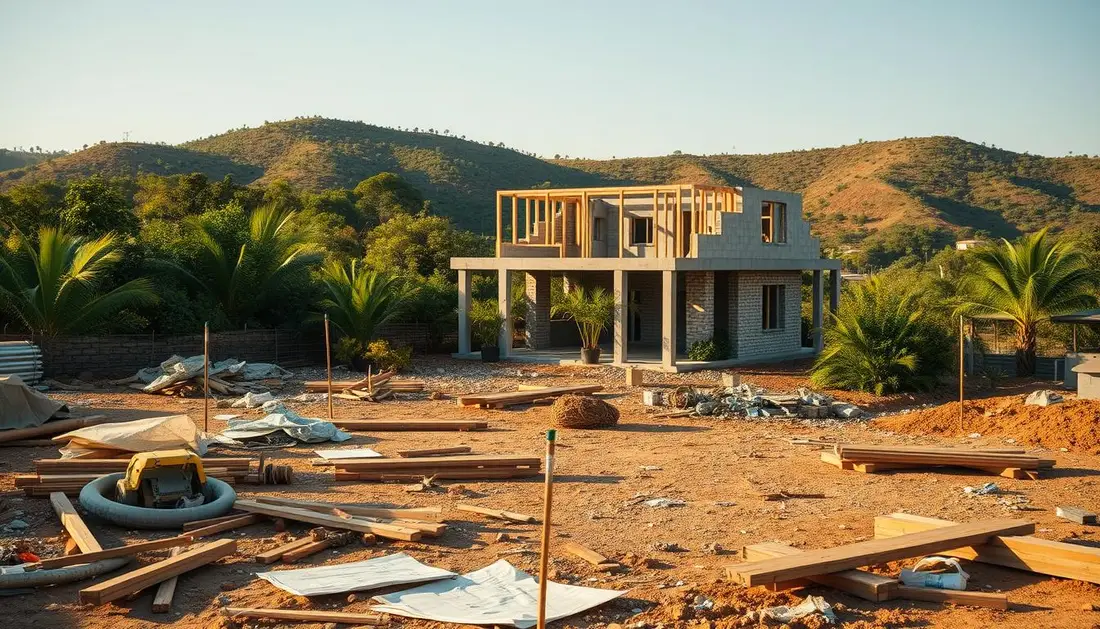
Welcome to buildingpricessouthafrica.co.za — we provide practical pricing guidance for homeowners across South Africa. Typical construction projects in the region range from R500,000 to R50,000,000, depending on scope, finishes and site access.
Use our quote comparison to request up to three options, or up to five where available. You’ll receive verified independent contractors who offer transparent service and documented experience.
We help you check key cost factors: labour, materials, approvals and contractor compliance. Our aim is to simplify decisions so you can compare quotes and select the right service for your house or renovation.
Start with facts, not guesswork — request quotes, review contractor history and manage your project budget with clearer insight.
Understanding Building Prices Mbombela
Estimating true project spend starts with a clear view of scope and quality. Typical construction in the region ranges from R500,000 to R50,000,000, with an average around R25,250,000.
The final price for your house will depend on site access, finishes and the materials you select. A modest home with basic finishes costs far less than a high-spec house with imported fittings.

Practical steps to estimate costs:
- Define scope and desired finishes before you request quotes.
- Verify that contractors are registered and provide written cost breakdowns.
- Compare multiple quotes to ensure fair value for your property investment.
We connect you with independent contractors and help you request up to three quotes, or up to five where available, so you can decide with clearer cost insight.
The Financial Reality of New Construction
A clear per-square-metre benchmark helps you turn plans into a realistic budget, read alongside the wider building costs in Mpumalanga.
Cost per square metre
The 2026 market in south africa shows a wide range. Small, economic homes start around R9,500 per square metre. Standard work in Mpumalanga averages R10,400 per square metre. Higher-end projects rise above R20,000 per square metre. For indicative ranges, see building cost per square metre mpumalanga.

Labour and material allocations
Labour commonly makes up about 25–30% of total costs. Materials — from bricks to cement and finishes in the kitchen and bathroom — form the other major share.
“Get contractors to provide a clear cost breakdown so you can check labour, materials and contingency.”
- Use the per square figure to estimate a 3-bedroom home (120–150 sqm).
- Include foundations and boundary wall in your overall per square calculation.
- Ask contractors for itemised quotes that separate labour, building materials and quality finishes.
Practical tip: When you build house plans, size and finish choices drive most of the cost building your dream home. Confirm each line in writing before you sign.
Essential Professional Fees and Services
Professional fees shape the first true cost lines of any house project. Early engagement with the right team helps you set realistic budgets and timelines.
Architect fees commonly run up to 8% of your construction total. Structural engineer fees are about 2%.

Architectural and engineering requirements
Engage registered professionals before you sign contracts or work on the land. This prevents compliance issues and costly rework.
- Ask contractors to list professional fees and scope in writing.
- Confirm registration and references for both architect and engineer.
- Clear plans reduce delays and long-term costs during construction of your house.
| Professional | Typical fee | Primary role |
|---|---|---|
| Architect | Up to 8% of construction | Design, planning, approvals |
| Structural engineer | Approx. 2% of construction | Structural calculations, site checks |
| Project consultant | Varies by scope | Coordination between contractors and professionals |
We connect you with contractors who work with qualified professionals to keep your project on track and within expected costs.
Regional Environmental Factors Impacting Costs
Seasonal storms and steep sites add real cost and time to projects in the region. These local conditions directly affect construction methods and the overall cost you should budget for.
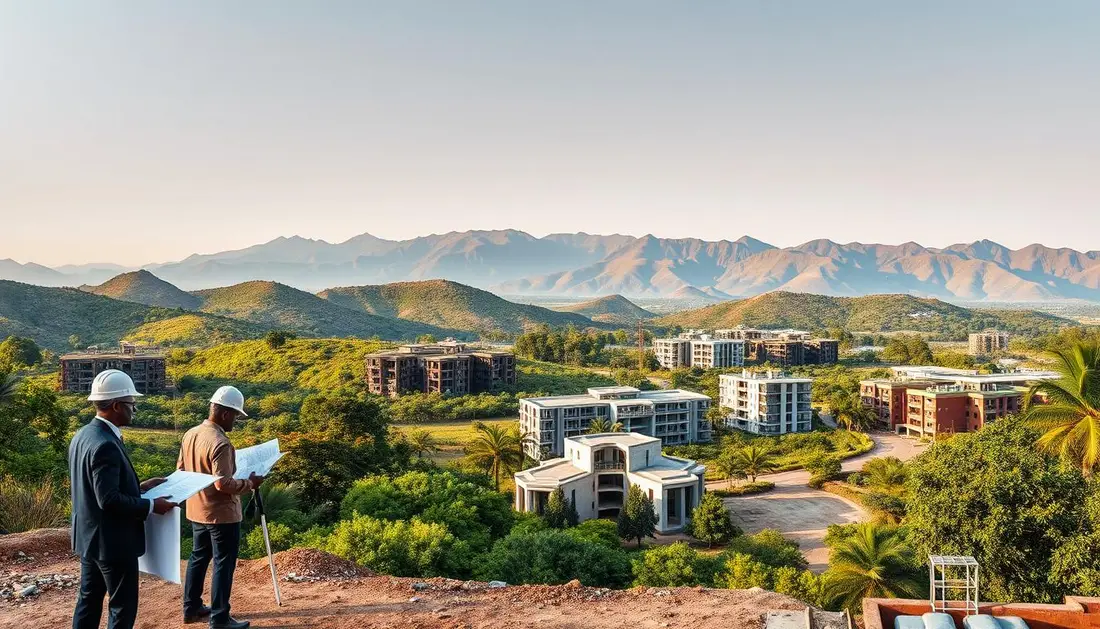
Key site and climate factors to discuss with your contractors:
- Summer storms and heavy rain demand solid drainage and erosion control that raise initial costs.
- Heat curing of concrete is essential in hot months to avoid cracks and rework.
- Sites sloping toward the escarpment often need extra excavation and deeper foundations.
- Choose materials suited to local climate for long-term durability and lower maintenance costs.
- Include site-specific clauses in your contract so unforeseen land conditions are managed fairly.
We help you find contractors experienced with these regional factors so you can get accurate quotes and realistic timelines.
Navigating the Growth Corridor and Estate Expectations
If you plan to develop in the growth corridor, expect formal design rules and lodge-style aesthetics. Many estates demand a consistent look, so your homes must meet specific material and finish standards.
How these rules affect cost and schedule
Estate guidelines often increase the cost of a project because of higher-spec finishes and extra approvals. They can also add time while you obtain design sign-offs and submit plans to estate management.
Work with contractors who know the local process. They will advise on suitable finishes and the approvals you need for your land and property.
- Estates require lodge-style finishes and strict architectural guidelines.
- Consult experienced contractors who deliver the expected aesthetic and quality.
- Confirm approvals, timelines and costs in writing before you proceed.
- Investing in corridor property can add long-term value if you manage design and budget carefully.
Our platform connects you with contractors who have completed projects in these estates and understand the local design codes. Verify their experience and written scope before you sign.
Sourcing Reliable Trades and Suppliers
A dependable supply chain keeps your home project on time and within expected costs. Use local routes and experienced trades to avoid delays and unexpected price changes.
Leveraging the N4 corridor
The N4 corridor offers a broad supplier base for building materials and specialist goods. This access reduces lead times for bricks, timber and other materials.
Specialist trade availability
Thatch and timber roofing are popular across south africa and often book out months ahead. Schedule these trades early to protect your timeline.
Vetting local contractors
Always check references and portfolios. A reliable contractor will manage sourcing for your kitchen, bathroom and boundary wall and explain costs clearly.
“Plan the size and complexity of your house with contractors early so you secure the right trades and avoid late changes.”
- Benefit: Our platform helps you request multiple quotes so you can compare contractor experience and service.
- Tip: Confirm lead times for specialist services and for critical building materials.
| Focus | What to check | Why it matters | Typical action |
|---|---|---|---|
| N4 supplier access | Material range and delivery times | Reduces delays and keeps costs steady | Confirm lead times before signing |
| Specialist trades | Availability and booking window | Prevents schedule gaps | Book months in advance |
| Contractor vetting | References, licences, past projects | Ensures quality and timely service | Request written quotes and check refs |
The Role of the National Home Builders Registration Council
The National Home Builders Registration Council (NHBRC) sets the standards that safeguard every new house build in South Africa. It oversees construction quality and administers the warranty that covers major structural defects.
Any contractor engaged for a new home must be registered with the NHBRC. This registration is a legal requirement for all new residential house projects.
What this means for you:
- The NHBRC provides a warranty service that protects you against major structural faults in your house.
- Verify NHBRC enrolment before you sign a construction contract for your home.
- Choose contractors who can show NHBRC proof and clear compliance records.
| Aspect | Why it matters | Action |
|---|---|---|
| Registration | Legal for new home builds | Ask for NHBRC certificate |
| Warranty | Protects against major structural defects | Keep warranty documents safe |
| Standards oversight | Ensures quality construction | Use registered contractors |
We connect you with professional contractors who understand NHBRC compliance. Confirm enrolment and request written proof so your house is built to accepted national standards and your investment is protected.
Comparing Building Versus Buying Property
We present a practical comparison so you can see where costs fall now and over time.
Short answer: a new build usually costs about 20–30% more than buying a similar existing house, but it can save you money later by avoiding renovations and extra legal fees.
When you build house projects, you avoid transfer duty and many administrative fees that come with buying a property. You also gain the chance to include modern finishes and technology not found in older homes.
- While building a house in South Africa 2026 can cost more up front, long-term maintenance usually falls.
- Get pre-approved for finance so you understand your budget before you decide to build or buy.
- There may be tax advantages in africa 2026, such as depreciation, that help your money work harder.
Our platform helps you compare total investment and fees, so you choose the best route for your dream home or investment property.
Securing Finance for Your Project
A realistic loan and staged drawdowns keep your construction project moving on schedule. In South Africa most banks offer a building loan that requires a deposit of about 10% of the total project cost.
Banks release funds in stages as each phase of the house is completed and verified. You will need site plans and signed building contracts to start the approval and drawdown process.
Practical steps to prepare:
- Confirm your plans and land paperwork before you apply.
- Use accurate quotes so the loan amount covers the full cost of works.
- Choose contractors who can supply staged certificates for bank inspections.
We connect you with contractors experienced in bank procedures and documentation. Use our quote request service to get reliable figures and reduce delays in your building home finance application.
| Item | Typical requirement | Action |
|---|---|---|
| Deposit | ~10% of project | Arrange savings or bridging finance |
| Drawdowns | Stage payments | Provide site certificates from contractor |
| Compliance | NHBRC enrolment | Confirm registration before you sign |
Managing Unexpected Development Costs
Unexpected costs can quickly erode a project budget if you don’t plan for them.
Set aside a 10–15% contingency of your total construction budget. This buffer covers surprises and keeps the overall cost per phase realistic.
When you request quotes, ask the contractor to include a contingency plan for the kitchen, bathroom and boundary wall. Changes in materials or unseen site conditions cause many extra fees.
Keep communication frequent. Regular site checks and clear instructions reduce scope creep and limit extra charges.
We connect you with contractors who provide transparent, itemised service estimates. Use these detailed quotes to compare how each contractor handles variations and additional fees.
- Allocate 10–15% contingency in your finance plan.
- Confirm how variations are priced in writing.
- Track progress closely and approve changes promptly.
| Issue | Typical impact | Action |
|---|---|---|
| Material price change | Higher material costs mid-project | Fix prices where possible; include contingency |
| Unseen site condition | Extra excavation or reinforcement | Request site report and contractor contingency |
| Scope change (kitchen/bathroom) | Additional labour and finishes | Approve variations in writing with costed quote |
Taking the Next Steps Toward Your Build
, Take control of your new home project by using verified quotes and realistic per square metre figures.
Visit buildingpricessouthafrica.co.za to start your journey toward a dream home. Our platform and our pricing guidance help you request quotes from independent contractors for kitchen, bathroom and full house work. Costs for this are set out in cost to build a house.
Consider size, quality and the cost per square metre when you finalise your plan. Compare multiple quotes, check contractor services and confirm fees in writing before you sign.
Secure finance, confirm materials and lock timelines to reduce delays. Our platform supports you with information and connections so your project stays on track in South Africa 2026.
FAQ
How much does it cost per square metre to build a new home in Mbombela (Nelspruit)?
Cost per square metre varies by finish level and site. Expect a broad range: from a lower-cost shell at competitive finishes to mid-range and premium finishes. Labour, materials, services, access and design complexity all change the number. Ask contractors for a detailed rate per square metre tied to a clear scope and finish schedule. For indicative ranges, see per-square-metre build rates.
What proportion of the budget goes to labour versus materials?
Labour and materials typically split roughly 40–60% depending on the project. Structural works and finishes can swing that split — high-end tiles, joinery or specialised plumbing increase materials. Confirm allocations in the quote so you can compare like-for-like.
Which professional fees should I budget for before construction starts?
Include architect or draughting fees, structural engineer fees, NHBRC enrolment or registration where applicable, land survey or pegging, and municipal plan submission and building plan fees. Factor in project management or contract administration if you need oversight.
Do I need an architect and an engineer for a standard house?
Yes—plans stamped by an architect or draughtsperson and structural calculations from an engineer are usually required for municipal approval. Simpler single‑storey plans may use a competent drafter, but any altered structural element needs an engineer’s sign‑off.
How do site conditions around Mbombela affect cost?
Soil type, slope, access for deliveries, and distance from suppliers raise or reduce costs. Rocky or steep sites need more excavation and foundations. Poor access increases crane or labour time costs. Always get a site visit and a soil test where possible.
Will building in a gated estate cost more than on a freehold stand?
Estates may levy stricter architectural controls, higher connection fees for services and slower approvals, which can add cost. Conversely, bulk services and standardised designs sometimes reduce build time and waste. Compare estate rules and fees before committing.
Are materials and specialist trades easy to source in the N4 corridor area?
The N4 corridor gives good access to suppliers and specialist trades compared with more remote areas. You’ll usually find timber yards, brick suppliers, and manufacturers nearby. For niche items or high‑end fittings you may still need to order from larger centres, affecting lead times.
How should I vet local contractors in Mbombela?
Check NHBRC enrolment where relevant, ask for three local references, inspect past work, verify CIDB or industry affiliations, and confirm insurance and guarantees. Get written payment schedules and a clear scope before work starts.
What is the role of the National Home Builders Registration Council (NHBRC)?
The NHBRC protects homeowners by registering builders, setting technical standards and offering enrolment for new homes. Ensure your builder is enrolled where required; it provides a level of consumer protection and access to dispute resolution.
Is it cheaper to buy an existing house or build new in Mbombela?
That depends on land cost, the condition of resale stock, and your finish expectations. Buying can save time and certain upfront fees, while building gives you a tailored layout and energy efficiencies. Run a whole‑life cost comparison including transfer duty, renovations and finance costs.
What financing options exist for a new construction project?
Major banks offer construction loans that release funds in stages, usually after inspections. You can also use a bridging loan from a bank or a bond refinance once the home is complete. Confirm drawdown schedule, interest during construction and required guarantees with your lender.
How do I plan for unexpected development costs?
Build a contingency of 10–15% for unforeseen items: site surprises, price changes in materials, or extra services. Keep change orders tightly controlled and get any scope changes priced before work continues. More on how we compile this is in how provincial cost adjustments work.
What practical steps should I take to get accurate quotes?
Prepare a simple brief with floor plans, finishes schedule, and site photos. Arrange up to three written quotes from independent contractors, include allowances for fixtures and fittings, and insist on itemised pricing for labour, materials and specialist subcontractors.
Which materials commonly push up the cost per square metre most quickly?
External cladding options, high‑spec windows and doors, imported tiles, bespoke joinery and compact kitchens raise material costs most. Mechanical, electrical and plumbing upgrades also add significantly compared with basic packages.
How long does a typical single‑storey new home take to build in the region?
A straightforward single‑storey home typically takes 6–9 months from site mobilisation to practical completion, depending on weather, materials lead times and contractor scheduling. Complex designs or finishes will extend the timeframe. This pairs naturally with building costs in Witbank.
Ready to compare?