
Renovation Cost Calculator for South Africa
Compare likely upgrade budgets by room, scope, finish level, and structural complexity
Quick answer
Estimate renovation costs by room and scope – cosmetic or structural – and see exactly what pushes budgets to the top of the band.
Indicative ranges for planning — not a quotation. Final cost depends on scope, finish level, site access and area, and may exclude VAT and professional fees; confirm pricing in writing with your chosen builder.
Cost at a glance
| Finish / spec level | Indicative rate | Typical total |
|---|---|---|
| Cosmetic | R3 500/m² | R268k–R362k |
| Standard | R7 500/m² | R574k–R776k |
| Full remodel | R13 500/m² | R1.03m–R1.4m |
| Structural | R19 500/m² | R1.49m–R2.02m |
Indicative totals for a 90 m² project · indicative 2026 guidance, not a quotation. Use the calculator below for your exact size, or request tailored cost guidance.
Instant estimate
Renovation cost calculator
Test an upgrade budget by area and renovation depth.
10 min read
On this page
Curious which upgrades give the best value for your home? If you are planning a home project, a clear price guide makes decisions easier. Our platform at buildingpricessouthafrica.co.za offers a practical starting point.
Industry figures suggest the average home renovation cost sits around R1800/sqm. Use that as a benchmark while you refine scope, finishes and labour.

Our pricing guidance helps you map total costs from start to finish. We explain how materials, access and approvals affect the final price.
What you can do next: compare likely budgets by room, request quotes from independent contractors, and confirm inclusions, timelines and warranties in writing. Our tools aim to keep your budget realistic and your project on track.
Understanding the Renovation Cost Calculator South Africa Landscape
Our platform gives you clear planning numbers so you can set a realistic budget — just keep building cost calculator accuracy in mind, since any estimate is a starting point, not a quote.
Typical home renovations range between R1,000 and R2,500 per square metre; use that band as an early guide while you define scope and finishes, and pad it for the hidden renovation problems that older homes tend to spring. Costs for this are set out in budgeting for home renovation.
Market conditions and seasonal trends affect material price and labour availability, pushing your final cost up or down — set the estimate against the wider all price guides for context.

- Our platform helps you navigate price estimates for your specific property.
- Understanding the type of work matters: structural changes cost more than cosmetic updates.
- Request quotes to connect with independent contractors who know local supply and approvals.
- Our pricing guidance prepares you for likely expenditure and variations per region.
| Range | Typical Work | When to Use |
|---|---|---|
| R1,000–R1,400 /sqm | Cosmetic updates, basic finishes | Minor upgrades, rental refresh |
| R1,400–R2,000 /sqm | Mid-range finishes, some reconfiguring | Main living areas, kitchens with standard fittings |
| R2,000–R2,500 /sqm | High-end finishes, structural changes | Full house overhauls, premium fixtures |
For the full breakdown behind the calculator, the renovation budget guide walks through each line.
Key Factors Influencing Your Total Project Budget
Knowing what drives the price helps you set a realistic budget and reduce surprises. Allow an extra 20% contingency to cover unseen problems or structural risks.

Labour and Material Quality
The choice of materials and the skill of your tradespeople directly influence final figures. High-quality materials and fittings cost more upfront but often increase the long-term value of your home.
Professional labour ensures work is done correctly and reduces rework. Always verify contractors are registered and experienced for your property type.
Economic and Seasonal Trends
Market shifts in materials and labour rates can change prices quickly. Seasonal demand affects availability and lead times, so timing your project can save money.
- Size and finish: The area of your house and the type of finishes you choose alter total expenditure.
- Contractor management: How you manage contractors determines schedule and workmanship quality.
- Compare quotes: We provide a practical way to compare independent contractors who assess your specific site and area.
| Factor | Why it matters | Action |
|---|---|---|
| Materials | Quality affects durability and appearance | Choose fittings with value in mind |
| Labour | Skilled trades reduce defects | Check registrations and references |
| Timing | Seasonal demand shifts prices | Plan procurement and start dates |
Room by Room Cost Estimates and Scope Considerations
Breaking costs down by space gives a clearer picture of where your money will go. Start with the rooms you use most; these often deliver the greatest value for your home and help shape the overall budget for the project.
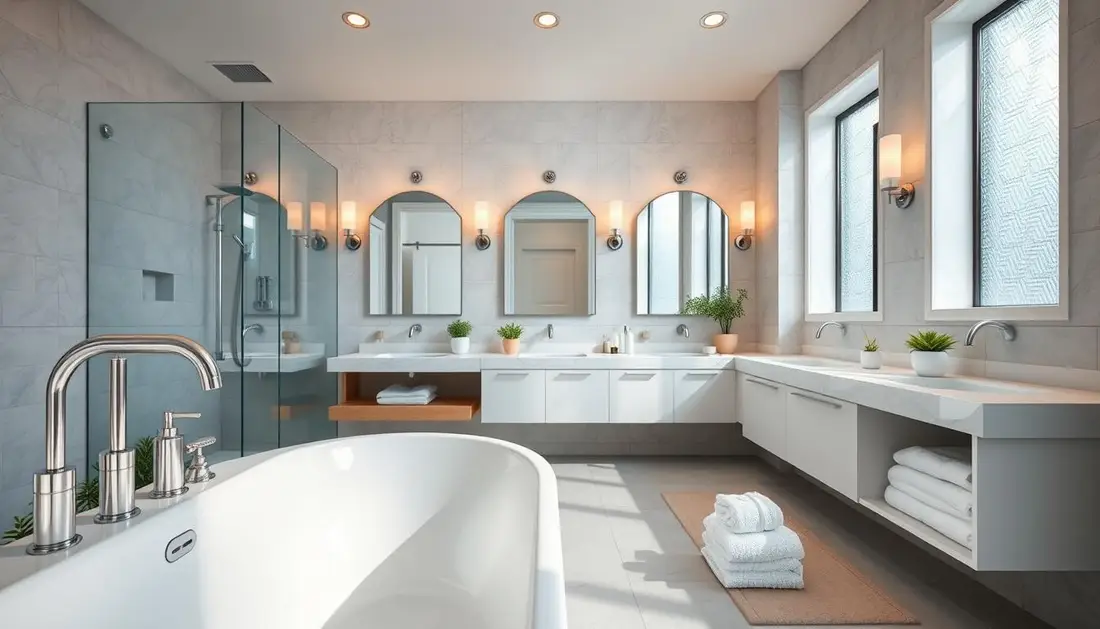
Kitchen estimates
All-inclusive kitchen work ranges roughly from R63,000 to R190,000 depending on scope and material quality. High-end builds often include complex plumbing and electrical installation, custom cabinets and premium fittings.
Tip: Allow extra for specialist installation and appliances. Use our quote request to compare contractors for custom cabinets and full kitchen installation.
Bathroom transformation
Bathroom projects typically sit between R19,000 and R69,000, with an average near R44,000. Size, fixture type and tiles drive the final price.
Always factor in proper waterproofing and skilled plumbing. These reduce long-term risk to your house and preserve the value of the bathroom.
Flooring and wall finishes
New flooring or wall tiling updates vary by material and labour. Tiles, timber or vinyl affect both price and durability.
- Painting and adding a ceiling are cost-effective ways to refresh rooms.
- Choose tiles and fittings that match the room’s use and your quality expectations.
- Request quotes to get accurate pricing for installation and materials.
Navigating Hidden Risks and Structural Requirements
Small signs of damp or outdated wiring can signal large structural work ahead. These hidden issues often change the scope of a home project and the timeline for work.

Before you start, have contractors inspect walls, floor and ceiling for moisture, rot or unsafe cabling. If municipal approval or building plans are required, organise them early to avoid delays.
Managing Damp and Electrical Infrastructure
Hidden risks such as damp or faulty electrical wiring can add unexpected costs to a bathroom renovation or kitchen project. Always use qualified trades for plumbing and electrical installation. For the how-to, see hidden problems renovations uncover.
- Check structural integrity of walls and flooring before finishing work.
- Include a contingency in your budget for unseen repairs to fixtures and fittings.
- Ensure waterproofing in bathrooms and kitchens to protect the house long term.
- Our platform connects you with contractors who identify issues early, saving time and money.
| Risk | Impact on project | Action |
|---|---|---|
| Damp behind walls | Can cause tile failure and rotten framing | Inspect, remediate waterproofing, replace affected timber |
| Outdated electrical | Safety hazard and extra rewiring work | Certified electrician to rewire and certify installation |
| Hidden plumbing leaks | Floor and wall damage, mould risk | Leak detection, pipe replacement, proper sealing |
| Structural door/ceiling defects | May require framing repairs before new installation | Assess loads, repair framing, then fit new door or ceiling |
Securing Reliable Professional Guidance for Your Home Upgrade
A reliable contractor and a clear written scope make the difference between smooth and stalled projects — and knowing the estimate vs quote difference helps you hold them to it.
Use buildingpricessouthafrica.co.za to request up to three quotes, then compare pricing for kitchen, bathroom and tiling work to protect your budget — giving builders what builders need to quote accurately speeds the whole process.
Always ask if contractors are NHBRC registered, check references and request a written guarantee. Confirm materials, timelines, payment schedules and who handles plumbing, ceiling or wall repairs before work starts.
Our service connects you with independent teams so you can compare offers and make an informed decision for your house or property upgrade.
FAQ
What does the Renovation Cost Calculator for South Africa estimate?
The tool provides indicative upgrade budgets by room and scope, showing likely prices for basic, mid-range and premium finishes. It breaks down labour, materials, fittings and allowances for plumbing and electrical work so you can plan a realistic budget before requesting quotes.
How accurate are the figures from the Renovation Cost Calculator for South Africa?
The figures are indicative and based on national averages and recent local price trends. Final prices depend on site access, material choices, the condition of hidden services and contractor rates. Always get on-site quotes from contractors before committing.
What key factors most influence my total project budget?
Major drivers are labour rates, material quality, scope (full replacement versus cosmetic upgrades), plumbing and electrical work, and finishes such as tiles, joinery and sanitaryware. Region and timing also affect price — busy seasons typically raise labour and lead times.
How does labour and material quality affect the estimate?
Choosing mid-range over basic fittings usually adds 20–50% to the materials line. Skilled tradespeople command higher hourly rates, but poor workmanship can cost more later. Factor in warranties and reputable brands for lasting value.
Do economic and seasonal trends change prices I should expect?
Yes. Material import costs, fuel prices and demand for contractors shift prices. Peak building periods can push up labour charges and delivery times. Allow a contingency of 10–20% for market shifts and delays.
What should I check when using room-by-room estimates for kitchens and bathrooms?
Confirm the scope: full gut and rewire, or surface updates only. Check plumbing routes, fixture types, benchtop material and cabinet complexity. Kitchens and bathrooms require reliable waterproofing, ventilation and compliance with local regulations.
How do bathroom transformation costs vary by scope and quality?
Basic refurbishments concentrate on fixtures and tiling; expect higher prices if you relocate plumbing or change floor levels. Premium finishes like frameless showers, stone basins and underfloor heating increase costs significantly. Labour for waterproofing and tiling is a major portion of the bill.
What should I budget for flooring and wall finishes?
Budget depends on material: ceramic tiles, engineered timber, vinyl or natural stone all have different price points and installation complexity. Wall tiling and specialist wall finishes add both material and labour. Include adhesive, grout, preparation and waste allowances.
How do I manage hidden risks like damp or outdated electrical systems?
Factor in a site inspection and diagnostic tests. Damp treatment, waterproofing and rewiring can significantly increase your quote. Ask contractors to list allowances for these items and to provide separate pricing for unforeseen discovery work.
What approvals or structural checks might affect my upgrade?
Some work needs municipal approval or engineer sign-off, especially structural changes, roof alterations and major plumbing or electrical upgrades. These add to time and fees. Confirm who arranges approvals and whether those fees are included in quotes.
How do I secure reliable professional guidance for my home upgrade?
Request multiple on-site quotes from accredited contractors and check references. Ask for a detailed scope, itemised pricing for materials and labour, lead times and warranties. We offer a platform to request up to 3 quotes, or up to 5 where available, from independent contractors.
What should a written quote always include?
A clear scope of work, itemised materials and labour rates, start and completion dates, payment schedule, warranty details and responsibility for permits. Confirm exclusions and a contingency for unforeseen works.
How much contingency should I allow in my budget?
Set aside 10–20% of the total estimate for discovery work, price fluctuations and minor scope changes. For older properties or complex projects, consider a larger buffer.
Can I use the calculator for smaller jobs like replacing tiles or painting?
Yes. The tool provides scaled estimates for small, medium and large scopes, including tiling, painting and fixture replacement. For precise pricing on small jobs, still request an on-site quote to confirm surface preparation and access needs. This pairs naturally with estimate your wall cost.
Which materials and brands should I consider to balance price and longevity?
Choose durable, readily available materials and reputable brands for long life and easier maintenance. For example, consider ceramic tiles from established suppliers, mid-range quartz benchtops, and long-warranty sanitaryware. Local availability affects lead times and replacement costs.
How do region and access affect contractor pricing?
Remote areas can carry higher transport costs and longer lead times. Restricted site access, limited parking or working hours increase labour time and pricing. Discuss access conditions with contractors before finalising quotes. For the full set of cost guides, see building price guides.
What payment and contracting practices protect me as a homeowner?
Use written contracts, stage payments linked to milestones, hold back a retention until defects are fixed, and obtain proof of insurance and tax compliance from contractors. Never pay the full amount upfront.
Read & compare builder quotes with confidence
Before you weigh up prices, get fluent in what a building quote actually contains — inclusions, exclusions, provisional sums and the red flags that change the real cost.
- How to Read a Builder Quote
- Provisional Sums in Building Quotes
- Prime Cost Items in Building Quotes
- Building Quote Red Flags
- How to Avoid an Underquoted Building Project
- Questions to Ask Before Hiring a Builder
- Building Snag List Before Final Payment
- How to Compare Building Quotes Properly
- South African Building Terms Glossary
- Building Cost Inflation in South Africa
- Builder's Guarantees in South Africa
- Builder Payment Schedules and Deposits
- Building Contract Essentials
- When a Building Project Goes Wrong
Ready to compare?