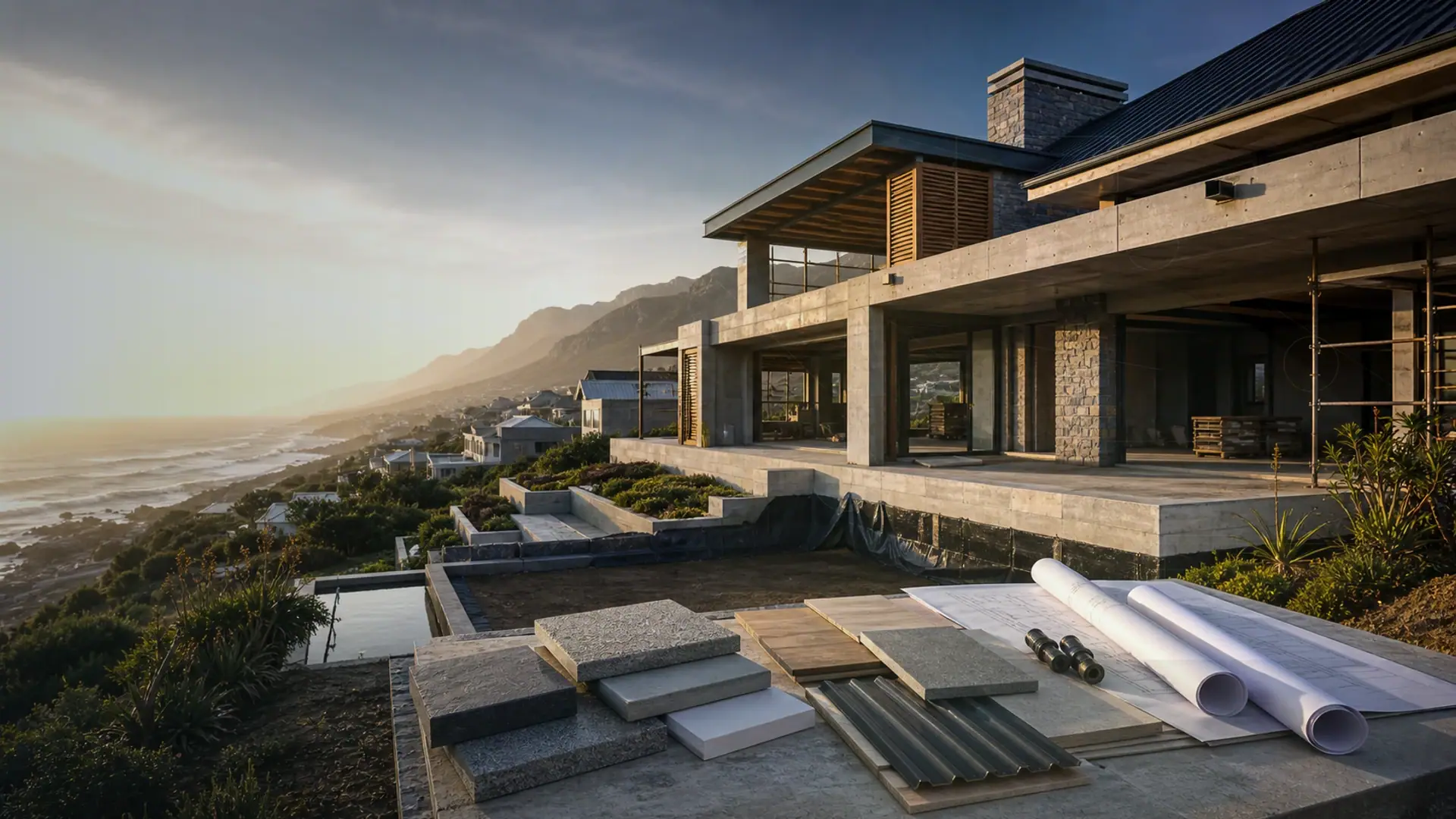
Mpumalanga Building Price Guide
Growth areas, regional logistics, tourism-linked finishes, and site conditions can widen quotes
Quick answer
Mpumalanga building prices – lowveld heat, escarpment weather and the lodge-style finishes that call for specialist trades.
Cities & areas
Cost topics
20 min read
On this page
Curious how R10,400 per square metre affects your next project — and why a new home can cost 20–30% more than a resale?
Understanding local market shifts in South Africa starts with clear numbers. At buildingpricessouthafrica.co.za we collect current data to help you plan.
Our platform explains the key cost drivers for construction. You will see how labour, materials and access influence the cost building a house.
This matters if you aim to build a modest dwelling or a high-end home. We break down per square metre figures so your budget is realistic.
Use our guidance to compare quotes and confirm scope, finishes and timelines in writing. That simple step reduces surprises and keeps your project on track.
Understanding Building Prices Mpumalanga
Where you build directly affects your per square metre budget and final project cost.
Rates in this region start from about R9,190 per square metre, while Gauteng can reach R15,000 per square metre. These numbers show how location and logistics change total costs.
Distance from major industrial hubs, material availability and site access are key factors that influence building costs. Rural areas in South Africa often offer lower per square rates, but transport and lead times can add expense.
We help you compare regions: the Western Cape and Gauteng usually sit at the top of the cost scale. Conversely, the North West and this province provide competitive options for cost‑conscious owners. Costs also vary by province — see building costs in your province.
- Assess local labour and material access for accurate budgeting.
- Confirm scope, finishes and times in writing to control unexpected costs.
- Use our platform to evaluate how your exact location affects final costs in South Africa.
The Current Economic Landscape for Construction
Cost inflation and complex designs now dictate much of the planning for a modern South African home.

Inflationary Pressures
The South African construction sector faces clear inflationary pressure. Africa is projected to see high construction cost inflation and South Africa alone is expected to average 5.9% in 2026.
That rise affects materials, specialist labour and lead times. Plan your budget with a contingency to cover material shocks and labour rate increases.
Market Growth Trends
Demand for complex architectural design and high-end finishes pushes the construction cost per square metre up quickly.
- Supply chains and global shortages drive costs across the country.
- Our platform monitors trends so your budget stays realistic during the build.
- Account for design complexity early to avoid scope creep that inflates final costs.
- Whether you plan a home in the Western Cape or elsewhere, knowing the per square metre figures is essential.
Practical tip: set a clear budget range and confirm finishes, scope and timelines in writing. This reduces surprises and keeps the project on track.
Regional Environmental Challenges in the Lowveld and Escarpment
Hot Lowveld summers and misty Escarpment weather force adjustments to materials and schedules that change how you plan a home — see how conditions move regional building costs.
Managing Heat and Termite Risks
The Lowveld needs heat‑resistant materials and termite‑tolerant details. Choose treated timber, concrete foundations and raised floor systems to reduce long‑term risk.
These factors influence both workmanship and the cost per square metre of your project.
Adapting to Escarpment weather
Adapting to Escarpment Weather
Sabie and Graskop see persistent mist and heavy rain. That moisture can delay work and add to labour and material rates.
Proper site preparation and drainage are critical when building a house south of the escarpment to protect finishes and structure.
- Lowveld: select materials and termite protection suited to intense heat.
- Escarpment: plan for mist, rain and program delays that raise construction costs.
- Use our quote request process to find contractors experienced in local risks.
| Region | Climate Risk | Typical Adaptation | Impact on Costs |
|---|---|---|---|
| Lowveld | High heat, termite exposure | Heat‑resistant materials, termite barriers | Moderate increase to materials and protective works |
| Escarpment | Mist, heavy rain, delays | Enhanced drainage, moisture‑proofing, schedule buffers | Higher labour rates and potential delay costs per square metre |
| Site south of escarpment | Soil and drainage sensitivity | Extra site prep, retaining and sub‑soil works | Upfront site costs to secure long‑term durability |
Practical note: We show how these environmental rates and local factors affect construction costs in south africa so you can make clearer decisions on materials, scope and contractor selection.
Specialist Trades for Lodge Style and Tourism Properties
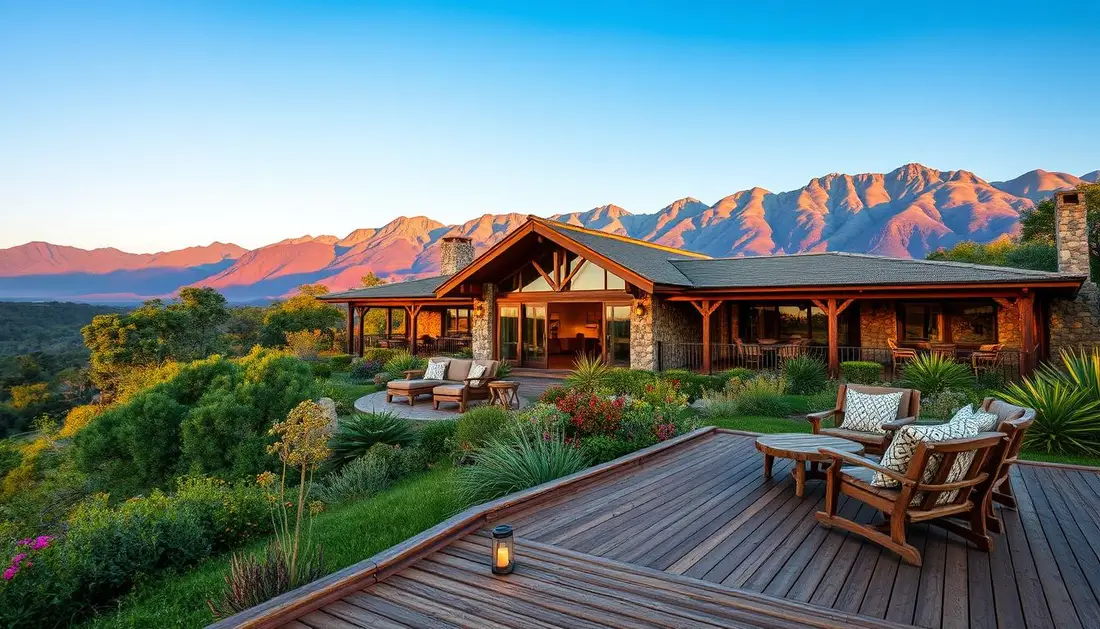
Lodge-style and tourism properties need specialist trades that change both scope and budget. Thatch, heavy timber and dressed stone finishes are craft-led, so you must engage installers who know these methods.
Insurance awareness is critical when you build a tourism property in remote parts of south africa. Specialist work can raise the cost per square metre and influence ongoing operational expenses.
“Choosing trades with local lodge experience reduces mistakes and keeps finish quality high.”
- Constructing lodge-style property finishes requires trades experienced in thatch, timber and stone work.
- Our platform connects you with contractors who understand tourism construction costs and remote-site challenges.
- Expect a higher cost per square metre for specialist finishes; budget early for those expenses.
- We provide pricing guidance so you can compare quotes and confirm scope, finishes and insurance needs in writing.
| Specialist Trade | Common Impact | Typical Cost Driver |
|---|---|---|
| Thatch installers | Traditional roof finish, higher maintenance | Skilled labour, material sourcing, fire protection |
| Timber craftsmen | Heavy timber frames and cladding | Seasoned timber, treatment, specialist fixings |
| Stone masons | Natural stone façades and features | Cutting, pointing and specialist scaffolding |
Practical note: Work with contractors who supply accurate estimates and can advise on insurance and logistics. This helps manage construction costs and protects your property investment south of main urban centres.
Logistics and Supply Chain Realities from Gauteng
How materials move from Gauteng along the N4 has a direct impact on schedule and total expenses. The N4 supply line is a key artery for transporting specialised building materials to sites in the region.
Managing Lead Times for Specialised Materials
Lead times matter. Delays in specialist items extend your programme and increase labour and holding costs. Plan orders early and confirm delivery windows.
“Late deliveries often inflate construction costs more than material price rises.”
- Factor transport and logistics into your per square metre budget.
- Use our platform to compare contractors familiar with the N4 supply route.
- Account for longer lead times on imported or specialist materials to avoid downtime.
| Logistic Factor | Impact | Mitigation |
|---|---|---|
| N4 transit delays | Schedule extensions, higher labour expenses | Early ordering, confirmed delivery slots |
| Specialist materials | Higher material and handling costs | Group orders, local sourcing where possible |
| Transport tariffs | Added project expenses | Include freight in quotes and contingencies |
We help you model logistics into total construction costs so you can budget reliably for your house or home project in South Africa.
Analysing Construction Costs per Square Metre
Estimating the cost per square metre is the fastest way to see how design and location affect your final budget.
Use a per square approach to compare regions. Gauteng sits around R15,000 per square metre while Mpumalanga averages R10,400. These rates show how location and logistics shift total construction costs.
Labour typically accounts for 25–30% of your total. Materials, land preparation and finishes add the rest. Size and design complexity change the final figure quickly.
- Compare per square figures for Western Cape, North West and other regions.
- Include labour costs, site works and contingency in your budget.
- Request quotes through our platform to get accurate cost per square estimates for your home.
We provide clear data so you can forecast total construction expenditure before you sign contracts. This practical view reduces surprises and keeps your budget realistic.
The Impact of Property Size on Total Expenditure
Property size is one of the clearest levers that changes your total construction outlay. A 50m² home typically sits between R350,000 and R450,000, while a 200m² home can reach R4,800,000 with luxury finishes.
Larger footprints need more materials, longer programmes and often more complex structural design. That complexity can raise the cost per square metre as structural, service and finish standards increase.
Think beyond the per square figure. Site works, utility connections and specialist trades scale with size and add to total construction costs. Early planning reduces surprises.
- The size of your property is the primary driver of total expenditure.
- We help you calculate how square metre size affects your budget in South Africa.
- Our quote request process shows how different sizes change total construction cost and expenses.
| Property Size (m²) | Typical Cost Range (ZAR) | Common Cost Drivers |
|---|---|---|
| 50 | R350,000 – R450,000 | Basic finishes, limited services, smaller site works |
| 100 | R900,000 – R1,500,000 | More trades, extended programme, higher utility connection costs |
| 200 | Up to R4,800,000 (luxury) | Complex structure, specialist finishes, larger site and service works |
Practical step: use our platform to compare costs per square metre by location, confirm scope in writing, and budget for site and utility expenses that grow with size. This helps you design a home that fits your lifestyle and budget.
Material Selection and Quality Tiers
Selecting the right material tier shapes both the look and long‑term running costs of your home.
We separate materials into three clear tiers so you can match design intent with budget and size. Each tier changes the per square costs and the long‑term maintenance burden.
Budget Finishes
Budget finishes typically range from R6,500 to R9,000 per square metre. Choose cost‑effective tiles, laminate surfaces and standard sanitaryware.
They suit small homes or projects where initial cost control matters most.
Mid Range Standards
Mid‑range is the most common option for family homes in south africa. It balances durability and aesthetic value.
Expect better ceramic, improved cabinetry and longer‑warranty fittings. This tier keeps the cost per square reasonable while improving resale potential.
Luxury Specifications
Luxury specifications can exceed R20,000 per square metre. Natural stone, bespoke joinery and premium appliances are typical.
These finishes increase both construction time and total costs, so plan scope and delivery early.
“Material choice changes total cost more than room layout does.”
| Tier | Typical per square metre | Key materials | Impact on costs |
|---|---|---|---|
| Budget | R6,500–R9,000 | Ceramic tiles, laminate, standard fittings | Lower upfront cost, higher long‑term maintenance |
| Mid‑range | R9,500–R15,000 | Quality tiles, stone countertops, mid‑brand fittings | Balanced cost and durability for family homes |
| Luxury | R20,000+ | Natural stone, hardwood, bespoke elements | High upfront cost, premium finish and value |
- Your choice of materials directly affects the cost per square and long‑term running costs.
- We provide pricing guidance on budget, mid‑range and luxury tiers to help you align design and budget.
- Request quotes through our platform to compare how different materials change total costs for your home.
Labour Costs and Contractor Assessments
Labour can account for 25–30% of your total construction budget in south africa, so careful contractor assessment is vital.
Typical fees vary by trade: bathroom labour often sits between R9,000 and R13,000, while high‑end kitchen installs can exceed R150,000. These figures affect your cost per square metre and total construction expense.
Before you sign, confirm scope, finishes and which building materials are included in written quotes. Check timelines, payment schedules and any provisional sums that may become extra costs.
- Labour costs are a major portion of your budget—ask for itemised labour rates.
- Use our platform to compare up to three quotes, or up to five where available, to see real differences in rates and workmanship.
- Assess a contractor’s track record, references and financial stability before committing.
“Obtain itemised labour and material lists so you know exactly what is included.”
Practical tip: include retention clauses and practical completion milestones in contracts to protect your budget and avoid unexpected expenses.
Professional Fees and Regulatory Requirements
Professional charges and municipal permits shape your budget as much as materials do.
Architect fees in South Africa commonly run from 8% to 12% of the total construction cost for a residential project. Add municipal approvals and permit charges, which typically add 1% to 5% to your overall budget.
These soft costs affect the per square metre figure and your final construction cost. Plan for them early so you avoid surprises during construction.
- Professional fees for architects, engineers and quantity surveyors are essential for a compliant project.
- We explain regulatory steps, including mandatory registration with the National Home Builders Registration Council.
- Our quote request process ensures you see all fees before you accept a contract.
“Include professional fees and permit costs when you calculate the true cost per square metre.”
Practical note: we provide pricing guidance and regulatory checklists so you can manage total costs and meet south african standards with confidence.
Hidden Expenses and Contingency Planning
A realistic contingency is the single best defence against surprise costs and programme overruns.
Hidden expenses such as site preparation and utility connections often arrive after you sign a contract. These items can add between R20,000 and R150,000 to your initial budget.
We recommend setting aside a contingency fund of 10%–15% of your total construction cost to cover these unexpected expenses and short delays.
Why it matters: failing to include these items inflates your per square metre and can derail the entire project.
- Account for site works, connection fees and provisional sums in every quote.
- Factor logistics and specialist materials into labour costs and overall cost planning.
- Use our quote request process so you receive comprehensive estimates that include likely fees and extras.
“Plan a 10–15% buffer and confirm exclusions in writing to avoid financial pressure during the build.”
Practical step: we help you model hidden costs into the total construction forecast so your home project remains viable from start to finish.
Comparing the Costs of Building versus Buying
Weighing the true costs of a custom home against a market purchase needs concrete numbers.
On average, a new build costs about 20%–30% more up front than buying a resale in South Africa. That higher initial cost covers design, site works and construction costs.
Yet a new home can save you money over time. You avoid transfer duty, often face lower maintenance and get the exact layout and finishes you want.
- Compare upfront cost against long‑term running costs and warranties.
- Use our platform for pricing guidance and to view per square estimates for different locations.
- See how land, size and design change the total cost build before you commit.
- Request quotes to compare custom build options with market property offers in the Western Cape or North West.
| Aspect | Buying | New build |
|---|---|---|
| Upfront cost | Lower | Higher (20%–30%) |
| Customisation | Limited | High |
| Long‑term savings | Variable | Often better (no transfer duty, lower maintenance) |
Practical next step: let us help you model the numbers and request quotes so you can choose the best option for your house or property with confidence.
Financing Your Custom Build
Finance for bespoke homes is paid in stages, so timing and documentation matter as much as interest rates.
Banks usually release funds as the work reaches agreed milestones. A bank assessor inspects progress before each drawdown. That process protects both you and the lender and keeps the project aligned with the agreed scope.
A good credit record helps you secure competitive rates and reduces the total cost of your loan. Plan your budget to include interest, retention amounts and contingency for material or labour changes.
- Understand how stage payments work and what evidence banks require.
- Use our pricing guidance to prepare a realistic budget and list of materials for loan applications.
- Request quotes and documentation from contractors so you can show lenders verified costs build and schedules.
- Compare lending rates to find the best fit for your cashflow needs.
| Loan Stage | Verifier | Typical Impact |
|---|---|---|
| Foundation | Bank assessor | Early draw reduces upfront cash shortfall |
| Roof and lock-up | Assessor / contractor cert. | Major funds released; lowers contractor retention |
| Practical completion | Final inspection | Release of remaining funds, finalise accounts |
“Plan stage payments and keep documentation ready to avoid funding delays.”
Essential Documentation for Your Project
Clear documentation protects your budget and your legal position from day one.
Registering with the National Home Builders Registration Council (NHBRC) is mandatory for all new home projects. Keep the certificate with your contract and approvals.
A signed building contract, checked by a lawyer, defines scope, payment milestones and dispute procedures. This document reduces uncertainty over per square allowances and deliverables.
We explain the typical professional fees, municipal permits and how these affect your total cost. Include transfer documents, design drawings and proof of NHBRC registration in a single file.
- Ensure contractors supply clear, itemised quotes and compliance paperwork.
- Use our platform to vet documentation and verify that quoted costs include permits.
- Keep records of inspections, warranties and correspondence for future property matters.
“Well‑organised paperwork keeps your project on track and protects your investment.”
Leveraging Our Platform for Accurate Quotes
Comparing up to five local quotes helps you see how scope, materials and site access change final costs.
Use our quote request process to connect with independent contractors who handle site visits, final quotes, work, timelines and warranties. They provide clear breakdowns so you can compare labour, finishes and any provisional fees.
We let you request up to three quotes, or up to five quote options where available, so you can weigh different approaches and realistic delivery times.
- Tailored estimates: contractors quote to your exact location and scope.
- Transparent comparisons: compare materials, labour and schedule side by side.
- Save time: gather several professional offers without multiple calls or visits.
| Feature | What to expect | Why it matters |
|---|---|---|
| Number of quotes | Up to 3, or up to 5 where available | See realistic prices and contractor differences |
| Quote detail | Itemised labour, materials and provisional fees | Helps avoid hidden costs and scope creep |
| Contractor role | Site visit, final quote, work, timelines, warranties | Single point of responsibility for your project |
Practical step: visit buildingpricessouthafrica.co.za and use our quote request process to start comparing accurate, local estimates. We provide the clarity and support you need to choose the best option for your home with confidence.
Final Steps Toward Your New Home
Wrapping up a home project is about budgeting accurately and locking in finishes and timelines.
Confirm all quotes and sign written scope documents so you know the final cost and expected delivery dates. Request itemised lists that show labour, materials and any provisional sums.
We provide pricing guidance to help you finalise your budget and account for high-end finishes. Be alert for hidden costs and include a contingency to cover unexpected expenses.
You can use our quote request process to engage independent contractors who verify site conditions and confirm realistic timelines. That step reduces the risk of last‑minute overruns.
Practical finish: check warranties, NHBRC registration and payment milestones before final drawdowns so your property meets quality expectations without extra financial surprise.
Explore these guides
Where we cover. Local cost guidance is available for building costs in Nelspruit and building costs in Witbank.
Rate & topic guides. For the numbers behind a project here, see building cost per square metre mpumalanga.
FAQ
What affects construction cost per square metre in Mpumalanga?
Several factors change the cost per square metre: the scope and complexity of the design, quality of materials and finishes, labour rates, distance from Gauteng for deliveries, site access, and required approvals. Expect higher rates for steep or remote escarpment sites, lodge-style finishes, and luxury specifications. Always confirm scope and inclusions in writing.
How do material choices change overall expenses?
Material selection is one of the largest cost levers. Budget finishes reduce upfront spend but may need earlier maintenance. Mid-range standards balance durability and cost. High-end or bespoke materials and luxury specifications jump costs significantly. Include delivery, waste, and specialised trades for cladding, tiles, or imported fittings when budgeting.
What hidden costs should I allow for when planning a build?
Hidden expenses include municipal connection fees, plan amendments, site preparation (rock removal, drainage), termite treatment in the Lowveld, longer lead times for specialised materials, contingency for scope changes, and professional fees for engineers or land surveyors. We recommend a 7–15% contingency depending on project complexity.
How does property size affect the total construction bill?
Larger homes lower the per-square-metre rate for shared elements but increase total material and labour outlay. Small, complex homes can be more expensive per square metre because fixed costs and specialist features are spread over less area. Aim to match design to realistic budget and use unit costs to compare options.
What regional issues in the Lowveld should I budget for?
In the Lowveld expect higher costs for termite protection, robust pest barriers, and cooling strategies. Heat impacts HVAC sizing and insulation choices. Some materials need UV-resistant specifications. Factor in regular maintenance for timber and finishes exposed to intense sun and humidity.
Do escarpment sites cost more to develop?
Yes. Escarpment sites often need more earthworks, retaining walls, specialised foundations and erosion control. These increase both materials and labour costs. Access constraints can raise transport costs for plant and specialised materials, so confirm site logistics before finalising contractor quotes.
How do labour costs vary across Mpumalanga and nearby provinces?
Labour rates vary by skill level, demand and location. Skilled trades for lodge-style work or heritage finishes command premium rates. Sites closer to Gauteng may save on labour supply and subcontractor travel, but transport and lead times for materials still apply. Always get itemised labour rates from contractors.
What professional fees should I expect to pay?
Budget for architect or draughting fees, structural and civil engineering, land surveying, and municipal plan submission fees. Professional fees commonly range from 5–12% of construction cost depending on services required. Include certification and inspection costs where relevant.
How long do specialised materials take to arrive from Gauteng or suppliers?
Lead times vary widely: standard materials often arrive within days; specialised cladding, imported fixtures, or bulk glazing can take several weeks. Transport disruptions or backorders increase wait times. Plan procurement early and include delivery buffer in your project programme.
Should I build or buy an existing home in Mpumalanga?
Building gives design control and potentially better long-term value but involves more logistical complexity, approvals and risk of unforeseen costs. Buying is quicker and often requires less upfront uncertainty. Compare total cost, time, and your tolerance for managing a project before deciding.
How do we estimate a realistic budget for a custom home?
Start with a clear scope and finishes schedule, get multiple itemised quotes, and add contingency (7–15%). Include land costs, professional fees, municipal charges, site works and finance costs. Use per-square-metre ranges only as a guide — itemised quotes reveal true exposure.
What documentation is essential before construction starts?
You need approved municipal plans, a land title or proof of ownership, engineer reports, contractor agreements, proof of insurance, and any environmental or conservation approvals for sensitive escarpment areas. Ensure all conditions of approval are recorded in writing.
How do we assess contractors and specialist trades for tourism or lodge-style projects?
Check past project photos, references, and relevant experience with timber-frame, thatch, stone cladding, or eco-sensitive installs. Confirm licences, CIDB grading where applicable, insurances and itemised pricing. Ask for a construction programme and payment schedule tied to milestones.
Can your platform help get competitive quotes?
Yes. We help you request up to three independent quotes, or up to five quote options where available, from local contractors. Contractors handle site visits, final quotes and warranties. Use our platform to compare itemised costs, timelines and references before appointing.
What financing options are common for building a home in Mpumalanga?
Home construction is typically funded via construction loans from South African banks, bridging finance, or personal funds. Lenders require approved plans, a builder agreement and staged inspections. Discuss drawdown schedules with your bank to match contractor milestones.
Start with certainty