
Boundary Wall Cost Per Metre
Wall height, footing depth, finish choice, access, and length all change the metre rate
Quick answer
Boundary wall cost per metre by height and finish – footings, piers, coping and security toppings – plus neighbour cost-sharing basics.
Indicative ranges for planning — not a quotation. Final cost depends on scope, finish level, site access and area, and may exclude VAT and professional fees; confirm pricing in writing with your chosen builder.
Cost at a glance
| Finish / spec level | Indicative rate | Typical total |
|---|---|---|
| Plastered brick | R1 530/m | R40 392–R51 408 |
| Face brick | R2 250/m | R59 400–R75 600 |
| Precast | R1 080/m | R28 512–R36 288 |
Indicative totals for a 30 m project · indicative 2026 guidance, not a quotation. Use the calculator below for your exact size, or request tailored cost guidance.
Instant estimate
Boundary wall calculator
Length × height × finish for a realistic wall estimate.
12 min read
On this page
Do you really know what drives the true price of your perimeter fence? Many homeowners assume a single figure answers that question. In reality, multiple site factors change the final figure quickly.
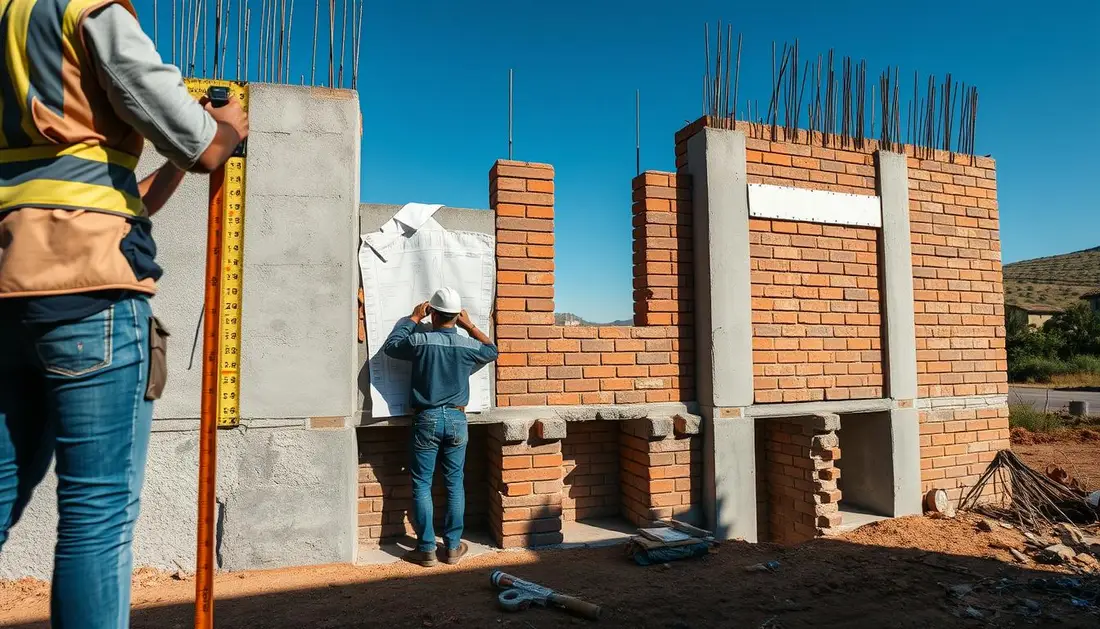
At buildingpricessouthafrica.co.za, our platform offers clear, independent pricing guidance so you can compare realistic figures. We show typical cost per meter ranges and explain why prices vary by area.
Consider height, foundation depth and chosen material. Labour, access and finish selection also affect the final wall installation price.
Our pricing guidance helps you request multiple quotes that reflect material quality and regional variations. Use the information here to make an informed investment in your property security and to plan a sensible budget for your project.
Understanding Boundary Wall Cost Per Metre South Africa
A clear breakdown of typical prices removes guesswork for property owners. The average cost shifts sharply with material and finish — a plastered brick run and precast walling costs sit at very different points on the scale, so compare like for like before you set a budget.
Typical ranges: a standard brick wall with plaster finish sits around R1,200–R1,800 per metre, and premium face brick runs R1,800–R2,500 per metre. Those figures cover basic installation and finish but exclude security toppings or complex foundations — and a boundary that also has to hold back a slope crosses into retaining wall costs, which are priced very differently.
Brick walls generally outlast many precast concrete options, but precast goes up faster and cheaper — the brick vs precast boundary walls trade-off is the single choice that moves your rate the most. Weigh scope, foundation depth, height and access before you accept a quote.
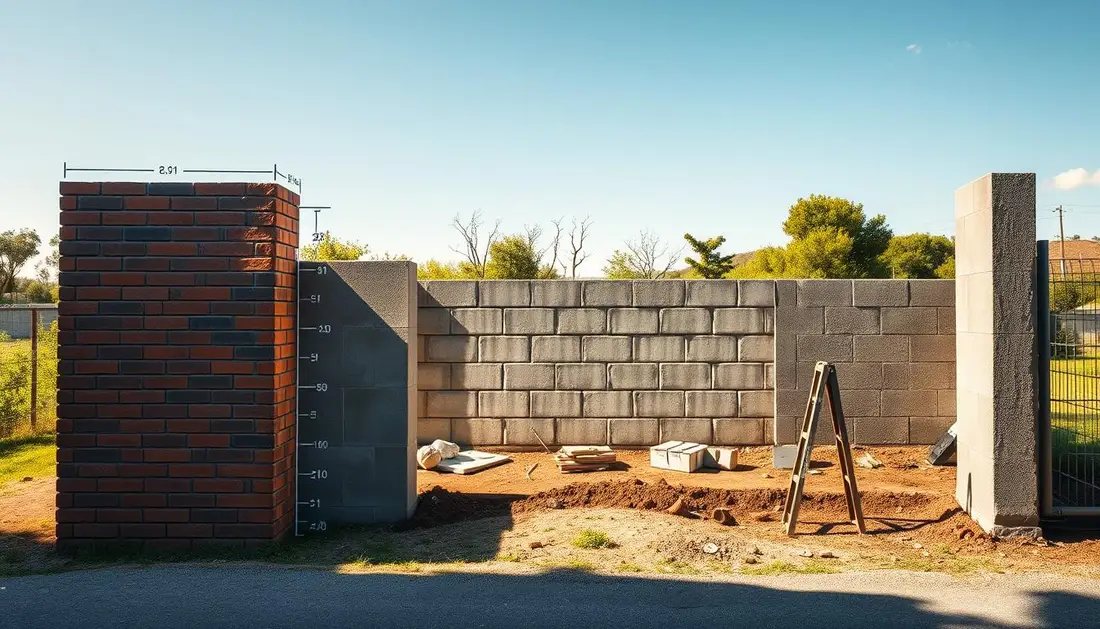
Use our pricing guidance to check material and labour splits, and ask contractors to itemise quantities, finishes and any required approvals. Height limits, plot lines and what you owe a neighbour are all set by boundary wall rules that differ by municipality, so confirm them before the first brick is laid.
Key Factors Influencing Your Construction Budget
Structural choices and ground conditions often set the single biggest line item in your project budget. Early decisions on footing depth and pier spacing change the cost per meter and the final price.

Foundation requirements
Clay soils need deeper excavation — think 600–800mm — while sandy ground often needs 400–600mm. Cut corners here and you invite why boundary walls crack and lean within a few seasons. Foundation work commonly makes up 20–30% of total project costs, and that share rises if you add piers, expansion joints or a reinforced footing.
Include coping to shield the top from moisture and extend life. Confirm your quote includes rubble removal and site clean-up so you avoid surprise fees.
Labour and installation complexity
Labour costs increase when designs add piers, expansion joints or security toppings. Working on a slope can raise labour by 20–40% versus flat sites.
“Confirm which items are included in each quote — foundations, piers, coping and cleanup make a big difference to the final price.”
| Factor | Typical impact | Notes |
|---|---|---|
| Footing depth | 20–30% of budget | Deeper in clay; affects excavation and concrete volume |
| Piers & joints | Moderate to high | Improve strength for taller or long runs |
| Site complexity | +20–40% labour | Slopes, tight access and long runs increase time |
| Coping & finishing | Low to moderate | Protects structure and adds lasting value |
Use our pricing guidance to compare project costs and confirm the structural requirements for your property. Request up to three independent quotes to verify quality and value.
Material Options and Comparative Pricing
Material selection sets the tone for both price and long-term maintenance demands. Start by matching choices to your security needs and the look of your property.
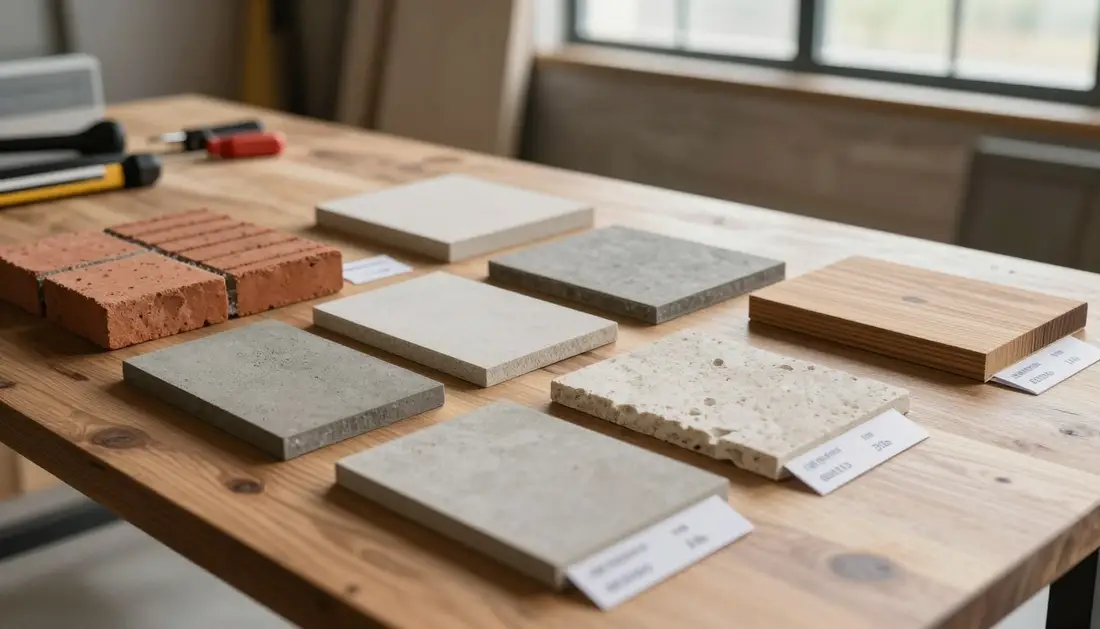
Brickwork and Plastering Options
Traditional brickwork remains popular for its durability and visual appeal. Expect brickwork rates of R500–R800 per square metre.
Plastering adds R80–R150 per square metre and increases maintenance needs unless you opt for face brick.
Precast Concrete Systems
Precast systems, including Vibracrete, offer faster installation and a cost-effective boundary solution. Typical prices run R450–R650 per square metre.
These units can lower labour costs and shorten construction time compared with brick.
Premium Finishing Choices
Upgrades such as natural stone, architectural concrete or specialised coping boost curb appeal and property value. Expect higher material costs and longer installation times.
Note: gates are priced separately, so confirm this when you request quotes.
| Material | Typical price (R) | Key advantages |
|---|---|---|
| Brick (plastered) | 500–800 + 80–150 per square metre | Durable, traditional look; higher labour costs |
| Face brick | 600–900 per square metre | Lower upkeep, long-term savings on repairs |
| Vibracrete (precast) | 450–650 per square metre | Fast installation; cost-effective and consistent quality |
| Premium finishes | Varies — typically higher | Improves value; increases material and installation time |
Regional Market Variations Across Gauteng
Prices vary sharply across Gauteng, driven by suburb demand, access and local labour markets — the wall rates in Gauteng guide breaks those regional differences down.
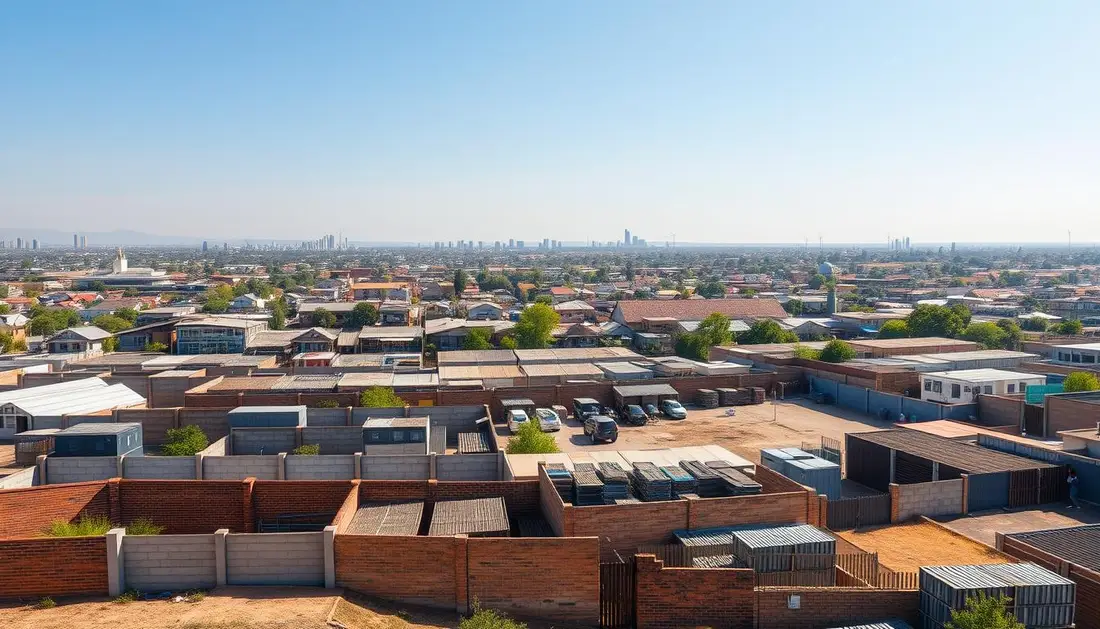
In Sandton and central Johannesburg expect a premium. High property values and strict estate rules push the per square metre figure higher. Premium finishes and compliance checks add to the final wall price.
Randburg, Midrand and Roodepoort usually deliver a more cost-effective boundary solution. Lower labour rates and easier access reduce installation time and site logistics.
Centurion and Pretoria benefit from competitive contractor networks. That often translates into better pricing and broader material options for your project.
- Suburb access affects transport and rubble removal charges.
- Labour costs vary; always ask contractors to itemise labour and materials.
- Confirm estate compliance and finishing specifications in writing.
| Area | Typical local impact | What to check |
|---|---|---|
| Sandton / Johannesburg | 15–25% premium | Estate rules, premium finishes, approvals |
| Randburg / Midrand / Roodepoort | More cost-effective | Access, lower labour rates, quicker installation |
| Centurion / Pretoria | Competitive pricing | Contractor choice, material availability |
We provide transparent pricing guidance so you can compare realistic quotes that reflect local factors, access and site preparation needs.
Technical Requirements and Site Preparation
A reliable technical plan starts with a soil survey and clear access routes for contractors. Assessing soil conditions lets you match foundation depth to the chosen wall height and avoids future movement.
Proper site preparation includes clearing, levelling and establishing drainage channels. These steps protect the foundation and reduce later repairs.
Security Toppings and Add-ons
Security toppings such as spikes or an electric fence are common upgrades for property protection in south africa. Electric systems require a valid Certificate of Compliance (COC) from a registered installer.
Adding advanced security raises pricing for brick walls and precast options. Professional electrical work and mounting increase labour costs and the final price per square metre. This pairs naturally with precast wall costs.
- Confirm the inclusion of security installation and the COC in writing.
- Ensure expansion joints and correct foundation detail suit shifting soil.
- Request itemised pricing for materials, labour and electrical work before you accept any quote.
Our platform helps you compare pricing implications so you prioritise quality, compliance and long-term protection for your property.
Navigating Legal Compliance and Neighbour Agreements
A quick survey from a registered land surveyor saves time and money when you plan shared masonry or precast work. Confirming the exact title line avoids disputes during installation and keeps the project on schedule.
Street-facing structures must respect a 1.8m height limit, while side positions can reach 2.1m under national building rules. Check your local municipal bylaws for rules on visual permeability and structural safety.
Neighbour cost-sharing norms are common for shared lines. We advise that you formalise any agreement in writing before construction begins. Written terms reduce later disagreements and clarify who pays for material, labour and security toppings.
Budget for council approvals and plan fees as part of your pricing. Discuss the design with neighbours early — their cooperation often speeds access and reduces logistical delays. It reads well alongside fencing costs.
“Formalising agreements and securing permits protects your property investment and keeps the project compliant.”
Our platform provides guidance on legal steps and permit requirements so you can move forward with confidence and fair shared arrangements.
Securing Your Property Investment Through Professional Guidance
Start your project with clarity: request written scopes that show materials, labour and expected timelines. Use our quote request process at buildingpricessouthafrica.co.za to connect with trusted, independent contractors.
Our pricing guidance ensures you receive detailed quotes that outline the average cost, material quality and labour costs for your specific project. Review itemised figures for per square metre and per meter measures. Our guide to how many bricks per square metre covers what’s involved.
Always confirm scope, payment terms and warranties in writing. Compare multiple proposals to find better value and to meet safety and legal requirements.
Contact us today to start with confidence — get clear pricing, reliable installers and the advice you need to protect your property investment. For the full set of cost guides, see browse all our cost guides.
FAQ
What affects the price for a boundary wall per metre — should I worry about height, footing depth and finish choice?
Several variables change a project’s price. Taller structures need deeper footings and more materials; poor soil requires wider or reinforced foundations; and rendered or stone finishes add labour and material expenses. Access to the site and overall length also alter the estimate. When you ask contractors for quotes, get each of those items listed separately so you can compare like‑for‑like.
How do regional labour and material markets across Gauteng influence estimates?
Urban areas such as Johannesburg and Pretoria typically have higher labour rates and material mark‑ups than smaller towns. Transport charges for bricks, cement and precast panels rise with distance. Expect prices to vary between suburbs and industrial zones; always request a local quote and check whether the contractor includes delivery and permit costs.
What are common foundation requirements and how do they change pricing?
Foundations depend on soil type and height. Firm, undisturbed soil allows standard strip footings. Sandy or loamy ground may need wider footings or concrete piles, which raises excavation and concrete costs. Wet sites often require drainage or a blinding layer. Ask for a site inspection — it’s the easiest way to avoid surprise costs.
How much does labour and installation complexity add to the final price?
Labour accounts for a significant portion of the final bill. Complex sites with limited access, slopes, retaining sections or steps slow progress and increase man‑hours. Masonry and specialised finishes demand skilled tradesmen, who charge more. Insist on a breakdown showing labour hours, hourly rates and expected timeline.
What are typical pricing differences between brickwork with plastering and precast concrete panels?
Brickwork with plaster is material‑ and labour‑intensive but offers flexibility and finishes. Precast panels install faster and reduce on‑site labour, often making them more cost‑effective for long runs. However, precast transport and crane hire can add expense. Compare total installed prices rather than material cost alone.
Are premium finishes worth the extra expense and what options are common?
Premium options — painted acrylic render, stone cladding, decorative coping or wrought‑iron toppers — increase visual appeal and longevity. They add to initial expenditure but can improve property value and reduce maintenance. Choose finishes aligned with your budget and expected return on investment.
What preparatory works are usually required on site before construction starts?
Typical preparations include clearing vegetation, setting out and pegging, temporary access tracks, excavation for footings and dealing with existing services. Some sites need retaining structures or surface water management. These preconditions should be itemised in the contractor’s proposal.
Can security toppings and add‑ons be retrofitted and how do they affect pricing?
Yes. Electric fences, razor wire, concrete copings and anti‑climb spikes can be fitted later but may require anchors or reinforced coping, which adds cost. Installing security measures during construction is usually cheaper and neater than retrofitting.
What legal checks or neighbour agreements should I confirm before starting work?
Check municipal bylaws for height limits and building setbacks and whether a building plan or approval is needed. If the structure sits on a shared boundary, obtain written agreement from the neighbour and clarify who pays for any shared footing or maintenance. Contractors should confirm approvals before work begins.
How do I get reliable quotes and what should be included to compare offers fairly?
Request at least three independent quotes where available and ask for a written scope that lists materials, finishes, foundation details, labour, warranty, exclusions and payment terms. Confirm whether permits, waste removal and delivery are included. A clear, itemised quote makes comparison straightforward.
Which materials give the best balance of durability, security and value for money?
Good value comes from matching material to need: cement‑rendered brick offers solid durability and good finish options; precast concrete gives speed and consistent quality for long stretches; reinforced blockwork suits higher security requirements. Factor in maintenance, lifespan and local availability when choosing.
How do soil conditions and drainage impact long‑term performance and pricing?
Poor drainage can cause leaning or cracking over time. Sites with expansive clay or high water tables often require deeper footings, waterproofing and sub‑soil drains, increasing initial costs but preventing expensive repairs later. Always treat drainage as part of the structural design.
Do contractors offer warranties and what should I expect to be covered?
Many reputable contractors provide limited workmanship warranties, typically covering defects for a set period (for example 6–24 months). Material manufacturers may offer separate guarantees. Get warranty terms in writing and confirm who is responsible for remedial work and any exclusions.
How soon should I budget for maintenance after installation?
Maintenance needs vary by material and finish. Painted renders usually need repainting every 5–10 years; stone cladding requires little attention; metal toppers may need anti‑rust treatment. Include a small annual maintenance budget to protect your investment and avoid more costly repairs later.
Can I reduce prices without compromising security or structural integrity?
Yes. Cost‑effective approaches include using standardised precast sections for long runs, limiting premium finishes to key visible areas, and ensuring proper footing design to avoid future repairs. Obtain competitive quotes and prioritise structural and security elements over cosmetic extras.
Read & compare builder quotes with confidence
Before you weigh up prices, get fluent in what a building quote actually contains — inclusions, exclusions, provisional sums and the red flags that change the real cost.
- How to Read a Builder Quote
- Provisional Sums in Building Quotes
- Prime Cost Items in Building Quotes
- Building Quote Red Flags
- How to Avoid an Underquoted Building Project
- Questions to Ask Before Hiring a Builder
- Building Snag List Before Final Payment
- How to Compare Building Quotes Properly
- South African Building Terms Glossary
- Building Cost Inflation in South Africa
- Builder's Guarantees in South Africa
- Builder Payment Schedules and Deposits
- Building Contract Essentials
- When a Building Project Goes Wrong
Ready to compare?