
East Rand Building Cost Guide
Family-home upgrades, practical renovations, industrial-area logistics, and mixed suburb rates
Quick answer
East Rand building prices – practical face-brick renovations, strong supplier logistics and honest suburb-band spreads explained.
12 min read
On this page
Curious which upgrades give the best value for your home in the East Rand? That question guides readers who want clear cost guidance and realistic timelines.

Our platform helps you compare local options and avoid hidden expenses. We show how material choices, such as Nutec fibre cement cladding, affect quality and long‑term maintenance.
Smaller house projects often finish in around three weeks, provided access and approvals are in place. This gives you a practical time frame to plan labour, installation and finishing.
Visit buildingpricessouthafrica.co.za to request quotes, review realistic pricing and choose contractors who understand regional service standards.
Quick note: we focus on transparent pricing and solutions that match your budget and property size.
Understanding Building Prices East Rand and Market Realities
Knowing suburb-by-suburb variations gives you a clearer starting point; our pricing guidance shows the east rand has a wider range than many northern Johannesburg suburbs, which affects cost and timeline — see the broader building costs in Gauteng.
Prefabricated buildings often reduce construction time and offer better energy efficiency. They can lower costs compared with traditional methods and suit modular office spaces or house extensions.
When you plan your project, compare competitive quotes and confirm labour, materials and site access in writing. That keeps expenses predictable and helps your budget hold.

- Our pricing guidance highlights local spread in cost and options per suburb.
- Prefab methods deliver efficiency and long‑term benefits for many homes and services.
- Modular office spaces and extensions can provide good value when expenses are managed.
| Option | Typical Cost Range | Key Benefits |
|---|---|---|
| Prefabricated units | Lower–Medium | Energy efficiency, shorter construction |
| Traditional construction | Medium–Higher | Design flexibility, established methods |
| Modular extensions | Medium | Value for money, adaptable office spaces |
Local Environmental and Geological Considerations
Soil type and climate on the Highveld directly influence foundation choices and long‑term maintenance for any house upgrade. A site assessment early in your project reduces surprises and helps control overall costs.

Highveld Climate Impacts
The Highveld sees intense hail and clay‑heavy soil. These conditions affect roof and exterior cladding selection.
Choose materials that resist impact and allow for seasonal movement to avoid frequent repairs.
Mining-Influenced Ground Conditions
There are pockets of mining-influenced ground that need specialised foundation assessments before work starts.
Our platform recommends professional geotechnical checks so your construction scope reflects actual ground risk and foundation requirements.
- Assess site first: find out if mining‑influenced strata exist.
- Factor foundations: deeper or reinforced footings raise short‑term costs but cut future maintenance.
- Plan materials: select durable options for your house to protect long‑term value.
| Risk | Typical effect | Action |
|---|---|---|
| Clay soils | Movement, cracking | Flexible joints, correct footings |
| Hail | Roof and cladding damage | Impact‑resistant materials |
| Mining‑influence | Settlement risk | Geotech survey, engineered foundations |
Property Characteristics and Architectural Compatibility
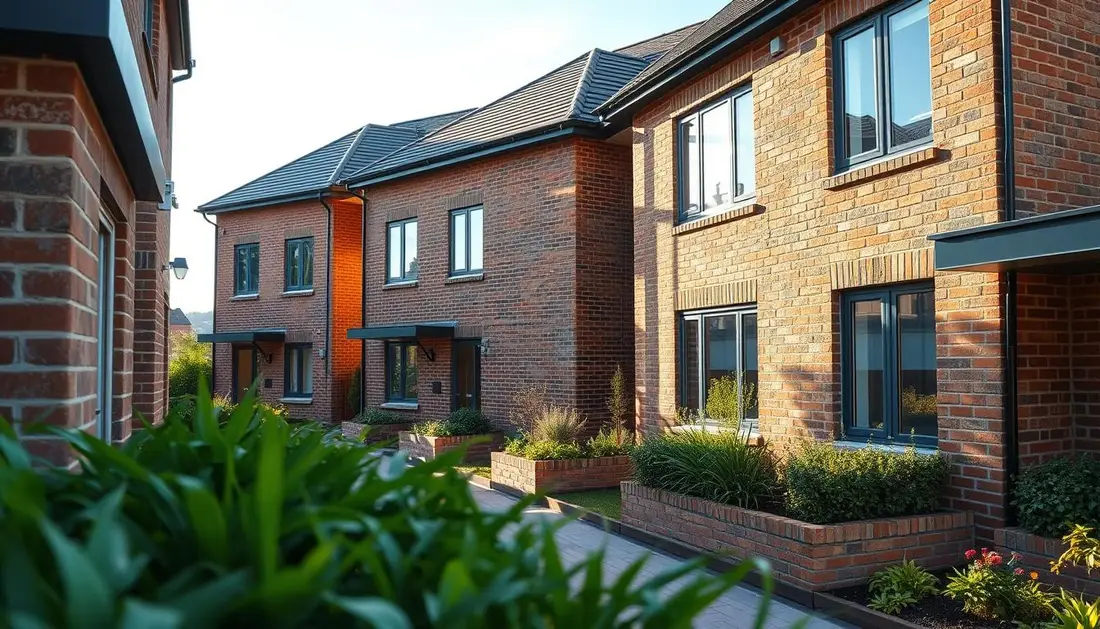
Many homes in Benoni, Boksburg and Kempton Park keep original face brick. That common stock shapes how you plan an extension and the overall design of your property.
Face-Brick Stock and Extensions
Matching the existing face brick is a critical requirement when you add space. A mismatch in colour, bond or mortar can make new work appear separate from the original house.
We recommend sampling bricks early. That helps the design and the construction team quote realistic costs and select compatible materials.
“Sympathetic materials and measured detailing keep an extension looking like part of the original home.”
- Many properties in the area feature solid older face‑brick stock suited to practical extensions.
- Confirm brick type and mortar to meet aesthetic and structural requirements.
- Our platform shows specific costs for these architectural types so you can budget with confidence.
| Characteristic | Effect on project | Action |
|---|---|---|
| Original face brick | High visual importance | Match brick and mortar |
| Different bond or tone | Visible join lines | Use mortar tinting or internal transition |
| New space type | Alters façade flow | Review designs to maintain cohesion |
Material Selection and Logistics
Efficient logistics and correct material choice directly affect final costs and long‑term maintenance.
Proximity to industrial suppliers in the region reduces delivery fees and shortens lead times. That makes procurement simpler for your building project and lowers upfront costs.

Nutec fibre cement board is a common choice for house extensions and cladding. It is durable, low maintenance and suits many structures where impact resistance matters.
We guide you on insulated panels, timber frames and other materials that improve thermal efficiency. Choose the right material and installation method to cut running costs and simplify maintenance.
- Local sourcing: easier logistics and better supply pricing for materials.
- Durable cladding: Nutec reduces painting and repair cycles.
- Fit for purpose: select methods that match facilities and long‑term needs.
| Option | Typical benefit | Effect on costs |
|---|---|---|
| Nutec cladding | Low maintenance, durable | Lower lifecycle costs |
| Insulated panels | Improved efficiency | Higher insulation, lower running costs |
| Timber frame | Faster install, flexible | Moderate initial cost, easier alterations |
We connect you with local suppliers and clear guidance so you can choose cost‑effective construction solutions that meet your needs.
Factors Influencing Your Total Project Investment
A clear scope, reliable access and honest contractor assessment shape your total investment. These elements determine whether you hit your budget or need contingency funds.
Labour and Site Access
Labour rates and how easily trades reach the site are primary cost drivers. Restricted access slows work and adds time, which increases labour expenses.
Get a contractor to inspect the site. Ask for a written note of expected access issues and any extra labour days required.
Material Quality and Finishes
The quality of materials and the finish you choose affect both initial cost and long‑term value. Higher specification items give better durability and lower running costs.
Common insulated panel depths are 50mm, 75mm, 100mm and 150mm 15DV. Choosing 150mm improves thermal performance and can raise the resale value of a house or office space.
Regional Price Variations
Regional labour rates, supplier lead times and local demand create a range in final quotes across the east rand area. Always compare three contractor assessments to understand variation.
Our platform helps you request clear quotes that list installation, services and likely extra expenses so you can budget with confidence.
| Factor | Typical effect on cost | What to confirm in writing |
|---|---|---|
| Site access | Extra labour/time | Access plan and allowances |
| Material quality | Higher initial cost, lower lifecycle spend | Product specs and warranties |
| Finish level | Time and trade variety | Detailed scope of finishes |
| Regional labour | Quote variation | Labour rates and time estimates |
Navigating Our Quote Request Process
Use our quote request process to shortlist contractors who match your design and site needs in the east rand.
We connect you with up to three independent contractors. Each contractor can visit your site, check requirements and deliver a final quote. They handle timelines, installation and warranties for the work they carry out.
Before work starts, confirm scope and compliance in writing. That should include construction timelines, payment schedules and any relevant regulations.
- Define the size and scope so quotes reflect true costs and expenses.
- Compare pricing, designs and warranties to find the best solutions for your home or office.
- Ask contractors for clear lists of services, installation steps and expected milestones.
| What we provide | What contractors provide | Benefit |
|---|---|---|
| Quote request tool | Site visit & final quote | Transparent pricing |
| Comparative view | Work, timelines, warranty | Informed decisions |
| Guidance on compliance | Detailed installation plan | Reduced surprises |
We act as a bridge to professional services so you can choose the right service and proceed with confidence.
Ensuring Quality and Compliance in Your Build
Confirming standards and written terms protects your investment before any work begins.
All buildings must meet SABS standards to qualify for financing and insurance. Ask your contractor for certificates or test reports that show compliance.
Regulatory Compliance and SABS Standards
Check that designs and site plans meet local regulations. That reduces delays and extra costs during construction.
Written Warranties and Agreements
Obtain a clear, written agreement that lists inclusions, exclusions, timelines, payment milestones and warranties.
- Confirm material quality and specific warranties in writing.
- Record timelines and penalties for delays to control time and costs.
- List exclusions so you know what services or maintenance fall outside the quote.
| Item | Why it matters | What to get in writing |
|---|---|---|
| SABS compliance | Needed for finance & insurance | Certificates, test reports |
| Scope & materials | Affects quality and maintenance | Material list and brand specs |
| Payments & timelines | Controls costs and time | Milestones, retention, warranties |
We recommend you keep copies of all documentation and confirm that construction types match local regulations before work starts.
Taking the Next Steps Toward Your Property Upgrade
Ready to move from planning to action on your property upgrade? Visit buildingpricessouthafrica.co.za to request a tailored quote that reflects your project needs and budget requirements.
We connect you with independent contractors and clear pricing so you can compare options, materials and services side by side. This helps you manage costs and avoid hidden expenses. Costs for this are set out in what it costs to build a house.
Use the platform to shortlist solutions that match your quality and construction requirements. By comparing a range of buildings and quotes, you protect your investment and keep money matters transparent.
Start now — request quotes, confirm scope in writing and move your home upgrade forward with confidence.
FAQ
What typical cost ranges should I expect for renovations on the East Rand?
Costs vary by scope, size and finishes. Minor renovations like repainting or small bathroom upgrades typically start from lower per-square-metre labour and material rates, while full home renovations or large additions rise significantly. Expect labour, materials, permits and specialist work (plumbing, electrical, structural) to be quoted separately. Ask contractors for a clear line-item quote showing labour, materials, fixtures, access and waste removal. For indicative ranges, see what building costs per square metre.
How does the local climate affect material choices and long‑term running costs?
The Highveld climate brings temperature swings and strong sun. Use UV-stable paints, durable roofing materials and insulation to reduce maintenance and energy use. For external finishes choose materials that resist fading and thermal movement. Proper insulation and roof ventilation cut long‑term electricity costs for cooling and heating.
Should I be concerned about mining‑influenced ground conditions when planning foundations?
Yes. Old mine workings or dolomite can affect settlement and drainage. Commission a geotechnical or site investigation where mining or sink‑hole risk exists. You may need specialised foundations, piling or soil stabilisation — these increase costs but prevent major future repairs.
How do existing face‑brick walls and rooflines influence extension design and cost?
Matching face‑brick and roof profiles affects material selection and labour time. Full face‑brick matching can be expensive if stock is limited. Alternatives include rendered or painted finishes that blend with the existing aesthetic. Ask architects or contractors for costed options before approving a final design.
What should I check about material supply and delivery on the East Rand?
Confirm local availability of key materials, delivery lead times and transport costs. Some specialised items may come from Gauteng suppliers or require import, adding delay and expense. Include storage on site, handling and protection costs in your budget to avoid damage or theft losses. For indicative ranges, see gauteng building cost per square metre rates.
How do labour rates and site access change my quote?
Labour is a major component. Restricted access, long carry distances, working at height or limited onsite parking increase labour hours and equipment needs. Provide accurate site details to contractors so they can price scaffolding, cranes or access platforms correctly.
How much does the choice of finishes affect the total project investment?
Finishes drive a large portion of material costs. Standard ceramic tiles and laminate flooring sit at the lower end; porcelain tiles, engineered timber and bespoke joinery cost more. Fixtures for kitchens and bathrooms vary widely — choose quality where durability matters, and expect higher initial spend to reduce future maintenance.
Are there regional price differences within Gauteng that will affect my quote?
Yes. Urban suburbs with easy access to suppliers and contractors tend to offer more competitive rates. Peri‑urban or gated communities on the East Rand may incur additional transport and logistics charges. Always compare quotes from contractors who regularly work in your suburb.
How does your quote request process work and how many quotes can I request?
You can request up to three quotes, or up to five where available, from independent contractors through our platform. We match your brief with independent contractors who perform site visits and issue final written quotes. Contractors handle timelines, workmanship and warranties; verify all details in writing before work begins. This follows why building costs differ by province.
What paperwork and approvals should I confirm before starting work?
Confirm municipal approvals, building plan approvals and any homeowners’ association permissions. Ensure contractors supply SABS‑compliant materials and carry the necessary trade certificates. Check that the quote includes compliance items and that final sign‑off will follow municipal inspection requirements.
What written guarantees and aftercare should I expect from contractors?
Ask for a written contract that specifies scope, completion date, payment schedule and defect warranty. Typical workmanship warranties run from 6 to 24 months depending on the trade. Clarify who is responsible for maintenance, guarantees on supplied materials and how defects will be handled in writing.
How can I reduce unexpected expenses during a renovation?
Reduce surprises by getting a measured survey, clear scope, and a fixed‑price quote where possible. Allow contingency (usually 10–15%) for unseen conditions. Confirm decisions on finishes early and obtain signed variations for any later changes to avoid invoice disputes. It reads well alongside building costs in Pretoria.
What practical steps should I take before contacting contractors for quotes?
Prepare a simple brief with desired scope, floor plans or photos, preferred finishes and site access details. Note special requirements such as irrigation, security, or energy‑saving upgrades. The clearer your brief, the more accurate the quotes you receive. This pairs naturally with cost to build in Johannesburg.
Ready to compare?