Concrete Slab Cost Guide
Ground prep, reinforcement, concrete volume, access, and slab type behind the quoted number
Quick answer
Concrete slab costs for surface beds and suspended slabs – ground prep, mesh, thickness specs and the access factors that move quotes.
Indicative ranges for planning — not a quotation. Final cost depends on scope, finish level, site access and area, and may exclude VAT and professional fees; confirm pricing in writing with your chosen builder.
Cost at a glance
| Finish / spec level | Indicative rate | Typical total |
|---|---|---|
| Light (100mm, mesh) | R750/m² | R39 600–R50 400 |
| Standard (150mm) | R950/m² | R50 160–R63 840 |
| Structural / suspended | R1 700/m² | R89 760–R114k |
Indicative totals for a 60 m² project · indicative 2026 guidance, not a quotation. Use the calculator below for your exact size, or request tailored cost guidance.
Instant estimate
Concrete slab calculator
Surface bed by area, thickness and reinforcement.
14 min read
On this page
Curious how much a typical slab installation will really set you back? We open with that question because most homeowners find pricing unclear. Our platform gives clear pricing guidance so you can plan with confidence.
At buildingpricessouthafrica.co.za we explain the variables that affect your project. We cover site preparation, reinforcement mesh, material quality and delivery. This helps you spot the difference between quick estimates and realistic pricing.
Use our quote request process to connect with independent contractors who will assess your site and provide written estimates. We aim to help you compare options, manage your budget and avoid changes that inflate your bill.
Cement suppliers provide technical support to improve durability. With our guidance you can focus on quality, timing and the scope of work needed for your home.
Understanding the Concrete Slab Cost South Africa Landscape
A clear view of regional prices prevents surprises when you request quotes, and our pricing guidance shows how design, finishes and access move the figure. Specification matters as much as size — the concrete strength grades explained guide shows why the right mix protects both budget and structure.

Typical range: expect R14 000 to R20 000 per square metre for a standard home, with higher rates for complex designs. An upper floor changes the picture entirely — suspended slab explained covers the reinforcement and formwork that drive that cost.
When you request a quote through our platform you get an estimate reflecting local rates, delivery logistics and labour availability — which you can set against the wider building price guides for the rest of the build.
- Look beyond the simple price per square metre — every project has unique needs.
- Compare quotes to protect your budget from volatile material delivery and labour prices.
- Insist on a clear cost per item so you know what each contractor is charging.
“A professional estimate should break down the cost per square metre and show what you are paying for.”
Our pricing guidance helps you compare contractors and make informed decisions without guesswork.
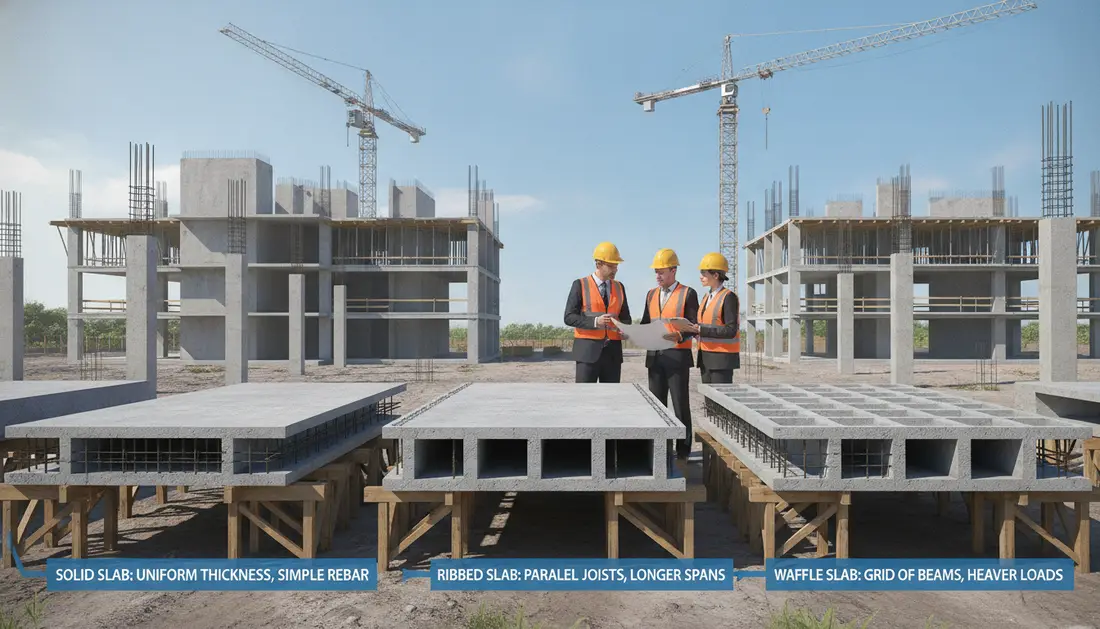
Types of Slabs and Their Structural Roles
Different slab types deliver distinct performance, durability and aesthetic outcomes. Choosing the right option affects load capacity, long-term maintenance and how the finished area ties into your home.
Reinforced versus Plain
Reinforced panels use steel elements to carry heavy loads and resist cracking. In many builds across South Africa they are the preferred option for durability and structural safety.
Plain panels provide a more economical product for basic foundations. They are suitable for light uses but lack the tensile strength of reinforced designs.
Decorative finishes and aesthetic options
You can upgrade a standard panel with stamped, textured or coloured finishes. These options let you create a paved look using specialised pavers or moulds without changing the structural base.
| Type | Structural role | Typical finish | Best for |
|---|---|---|---|
| Reinforced | Load-bearing, resists heavy loads | Plain or textured | Garages, ground floors |
| Plain | Basic bearing for light use | Basic screed | Sheds, simple foundations |
| Decorative | Aesthetic overlay on structural base | Stamped, coloured, pavers | Patios, driveways |
- The difference in material and workmanship affects lifespan and maintenance.
- Consider how each product will interact with site elements and climate.
- Our platform helps you weigh options so you balance appearance with necessary durability.
Essential Site Preparation and Groundwork
Good ground preparation turns a risky pour into a long‑lasting foundation. Before any pour you must set a compacted base that matches the slab thickness and local conditions.

Compaction and Membrane Requirements
For a typical residential 100mm slab in South Africa the base must be firm and level. We recommend rigorous compaction to reduce settling and to protect the finish.
Install a USB membrane to limit moisture movement and chemical attack from the ground. This simple product improves the durability of the slab and reduces long‑term repairs.
Use high‑quality reinforcement mesh to keep the concrete panel intact and resist cracking. The right mesh helps the slab carry loads and extends its service life.
- Plan site access for delivery of materials to avoid delays and extra labour time.
- Match groundwork to the slab type you choose; different types need different preparation.
- Invest in good products and workmanship to protect your project and preserve value.
“Proper site preparation is the foundation of any successful slab project.”
Factors Influencing Material and Labour Expenses
When you plan a project, labour and material choices shape the final price more than any single line item.
Labour often makes up to 40% of a typical slab project in South Africa. That share rises with complex finishes and detailed pavers.
Design complexity also matters. For example, two 158.3m2 house types can show an 18% variance in price due to plan differences. These changes affect hours, specialist trades and delivery logistics.
Material prices move with demand and lead times. Securing written quotes that show current product rates and delivery fees reduces surprises.
- Account for specialised labour hours when you budget.
- Compare contractors on workmanship, not just headline price.
- Size and scope determine how many products and trades you need.
| Element | Typical impact | What to confirm |
|---|---|---|
| Labour | ~30–40% of total | Hours, rates, specialised trades |
| Materials | Variable with demand | Prices, lead time, delivery |
| Design complexity | Can change price by ~18% | Drawings, finishes, access |

Practical tip: use our platform to compare contractors and confirm written quotes before work starts.
Navigating Regional Pricing and Accessibility
When site access is tight, your choices for delivery and placement directly affect projects and budgets. Plan early so you can include realistic allowances for labour, materials and special services.
Truck Access in Complexes and Estates
Restricted access often forces teams to use a pump to place the mix. Hiring a pump to overcome access limits typically adds about R5000 to your total.
Arrange access checks before contractors visit so you avoid delays and extra handling fees that push up the time and price of the work.
Labour Market Variations Across Provinces
Regional rates vary noticeably. Urban centres such as Cape Town usually show higher labour and delivery rates than outlying provinces.
We help you compare local contractors who understand specific logistics. That reduces surprises in the final bill and helps you protect your budget.
| Factor | Typical effect | What to confirm |
|---|---|---|
| Access | May add pump hire (~R5000) | Gate widths, vehicle route, staging area |
| Labour rates | Higher in major cities | Hourly rates, specialist trades, lead time |
| Delivery | Delays raise time and prices | Confirm delivery window and product availability |
Tip: get written quotes that list access needs and any extra charges so you can compare true project costs.
Technical Considerations for Environmental Durability
Managing ground movement and temperature swings is essential to keep a foundation stable and long‑lasting. Environmental factors across South Africa demand site‑specific measures to protect your investment.
Managing Clay Heave Risks
Use geotechnical advice to identify reactive soils and choose the right foundation type. On unstable ground, increase reinforcement and place a well‑compacted base to reduce movement.
Steel mesh and correct bedding depths help control cracking and limit repairs over time.
Curing in High‑Heat Regions
High daytime temperatures speed drying and raise the risk of shrinkage cracks. Keep freshly placed pours shaded, moist and covered for longer than usual.
Use retarders or staged pours to manage set time and protect quality during hot spells.
Seasonal Pour Windows and Weather Impact
Plan pours in milder seasons when possible. Heavy rain, extreme heat or sudden cold will raise labour hours and change prices.
- Schedule site checks before booking delivery.
- Confirm contractor experience with local conditions.
- Include allowances for extra curing time in your budget.
Tip: our platform connects you with contractors who understand local soils, meshes and curing best practice to protect your budget and product quality.
Comparing Surface Bed and Suspended Slab Methods
Choosing the right foundation method starts with matching design needs to site conditions, and the surface bed vs suspended slab choice is the one that most affects your slab budget.
Surface beds are common for ground‑level builds: a compacted base, less formwork and simpler delivery make them quicker to place. They also sit within the broader foundation cost guide, which covers the groundwork beneath the slab.
Suspended floors support upper stories and span openings. They require heavier reinforcement, formwork and more specialist labour. This affects the per square metre pricing and the time on site. This pairs naturally with per-square-metre build rates.
We help you compare prices per square metre for each type. That shows material and labour differences so you can budget sensibly.
Avoid surprises by confirming delivery access, pump requirements and specialist trades before work starts. Durability depends on proper reinforcement, good bedding and correct curing.
Use our platform to connect with contractors who will advise the best type for your building and site, and who can provide clear written prices and timelines.
Budgeting for Your Construction Project
A realistic budget begins with a line‑by‑line estimate that reflects your design, site and finishes.
Start by listing materials, labour, delivery and any specialist hire. Include a contingency for scope changes and unforeseen site conditions. Small surprises add up quickly on a typical build.
Remember: wastage on tiled finishes can range from 10% to 40% depending on pattern and tile size. Factor this into the material totals so your purchase matches the true size of the job.
Use our platform tools to calculate the cost per square metre and to compare prices from different contractors. Request multiple quotes to see the range in rates and workmanship options.
- Confirm delivery and access before you accept an estimate.
- Check product quality and mesh or reinforcement specs on your quote.
- Allow time for lead times and staged work in the final budget.
Tip: clear, itemised estimates and good planning reduce the chance of budget overruns on your home build.
The Importance of Written Quotes and Specifications
Ask for itemised pricing so you know the exact scope, materials and labour the contractor will supply. A written quote protects your budget and sets clear expectations for the build.
Never accept a single-page estimate. A short quote often omits the quality of materials, delivery needs and site preparation. That leaves you exposed to hidden fees and scope changes. This pairs naturally with single storey building costs.
Request detailed specifications that state the price per square meter and list all delivery and site charges. This makes it easy to compare contractors and their rates.
- Confirm materials, reinforcement type and finishing standards in writing.
- Insist on start and delivery windows so you can plan labour and access.
- Keep the quote as the basis for your contract to prevent unauthorised variations.
Example: a professional estimate should show per square prices, site allowances and any specialist hire so you can compare like for like.
We encourage you to use our quote request process to get comparable written estimates from independent contractors. This helps you choose the right option and protect your budget.
Securing Your Professional Contractor Connection
The right contractor ensures workmanship, timelines and warranties meet your expectations. Choose professionals who deliver consistent quality and protect your budget per square meter.
Our platform connects you with independent contractors who handle site preparation through final delivery for concrete slabs. Request up to three to five written options so you can compare experience, an itemised estimate and delivery plans.
We focus on quality across regions from Cape Town to other parts of south africa. Confirm timelines, payment terms and warranties in writing before work starts.
Visit buildingpricessouthafrica.co.za to request quotes and connect with independent contractors. Start your project with confidence and clear, comparable estimates.
FAQ
What makes up the price per square metre for a ground slab?
The main items are ground preparation (excavation, fill and compaction), reinforcement (mesh or rebar), concrete supply and delivery, formwork and labour. Finish level, waterproofing membrane, edge beams and sub-base material add to the total. Confirm which items the quote includes and get volumes in m² and cubic metres.
How do slab types affect the overall budget?
A suspended slab or ground-bearing raft uses different reinforcement, formwork and concrete volume compared with a simple surface bed. Suspended slabs take longer to form and require more skilled labour and propping. Decorative finishes and insulation also increase price, so state whether you need a structural slab, garage floor, or patio finish. There’s more detail in concrete vs paving for driveways.
What site-prep tasks should I budget for separately?
Budget separately for site clearance, soft spot removal, crusher run or compacted stone, damp-proof membranes, and drainage. Poor access or steep sites increase labour and machinery hire. Ask contractors to itemise site works in the quote so you can compare like‑for‑like.
How does access affect delivery and labour rates?
Tight access, narrow gates or complex estate rules may require smaller trucks, more manual labour and longer loading times — all raising the price. Estates often need approved suppliers and delivery times, which adds admin and potential fees. Confirm truck access and permit requirements before accepting a quote.
Should I expect different pricing between provinces and cities?
Yes. Labour rates, material delivery and demand vary between Cape Town, Johannesburg, Durban and smaller towns. Transport distance for ready-mix, local supplier margins and regional labour shortages can alter prices by a noticeable margin. Always request localised quotes.
How do environmental factors change specifications and price?
Clay soils, high groundwater or coastal chloride exposure require stronger mixes, specialised membranes and possibly deeper strip footings, all increasing cost. Hot, dry conditions demand stricter curing to avoid cracking. Discuss soil reports and local climate with your contractor.
What reinforcement options should I compare?
Typical options are welded mesh for slabs on grade and rebar for beams and suspended slabs. Fibre reinforcement reduces plastic cracking but does not replace structural mesh where load transfer is needed. Request reinforcement schedules and bar sizes in writing.
How is concrete volume calculated and why does it matter?
Volume is length × width × thickness (m × m × m) to give cubic metres. Suppliers charge by cubic metre and by truckload, so rounding up to the nearest load affects price. Accurate slab thickness and waste allowance prevent surprise over‑runs.
What finish and durability options change the price per metre?
A broom finish is standard and low-cost. Trowelled, exposed aggregate, coloured or polished finishes require more time, additives and skilled labour. Sealers, surface hardeners and curing compounds add to initial cost but extend the service life.
How should I handle seasonal and weather-related scheduling risks?
Avoid pouring in heavy rain or extreme heat. Contractors may charge more or refuse pours in unsuitable conditions. Plan for seasonal windows and ask about contingency charges for re‑scheduling or additional curing needs during heatwaves.
What should a professional written quote include?
A good quote lists scope, materials (grade of mix, reinforcement type), volumes in m² and m³, labour hours, access requirements, temporary works, exclusions, payment terms and a validity period. Use that to compare up to three local contractors.
How do I spot lowball quotes that might add extras later?
Watch for vague scope items, missing site-prep, no reinforcement details, or omitted membrane and compaction. Ask for a breakdown and insist on written exclusions. Extremely low prices often lead to change orders once the site work begins.
When is a soil report necessary and what does it change?
For new builds, large patios or where expansive soils exist, a geotechnical report guides foundation depth, slab reinforcement and drainage. It can add a small upfront fee but prevents costly retrofits and structural failures.
Can I save money by buying materials myself?
You can source membrane, sand or aggregate but suppliers and contractors often prefer to supply key items to guarantee quality. If you buy, confirm specs, delivery timing and responsibility for defects in writing.
How long does a typical domestic slab pour take on site?
A simple domestic slab (single pour for a garage or small house footing) is usually poured in a day, with formwork and prep taking additional days. Curing and finishing add several days before light trades can work on it. Complex pours or suspended slabs take longer. It reads well alongside what it costs to build a house.
What guarantees and warranties should I expect?
Ask contractors for workmanship warranties and material guarantees from suppliers. Independent contractors provide different warranties, so get details in writing and check whether curing, drainage and maintenance conditions are required to keep the warranty valid.
How many quotes should I request and how do you help?
Request up to three local quotes, or up to five options where available, to compare prices and scope. We connect homeowners with independent contractors; contractors carry out site visits, final quotes and work. Always verify licences and local references before appointing.
Read & compare builder quotes with confidence
Before you weigh up prices, get fluent in what a building quote actually contains — inclusions, exclusions, provisional sums and the red flags that change the real cost.
- How to Read a Builder Quote
- Provisional Sums in Building Quotes
- Prime Cost Items in Building Quotes
- Building Quote Red Flags
- How to Avoid an Underquoted Building Project
- Questions to Ask Before Hiring a Builder
- Building Snag List Before Final Payment
- How to Compare Building Quotes Properly
- South African Building Terms Glossary
- Building Cost Inflation in South Africa
- Builder's Guarantees in South Africa
- Builder Payment Schedules and Deposits
- Building Contract Essentials
- When a Building Project Goes Wrong
Ready to compare?