Drywalling Costs in South Africa
Partition walls priced per m² – boards, insulation and doorways for homes and offices
Quick answer
Drywalling prices in South Africa per m² – partition walls for homes and offices, with sound-insulated and moisture-resistant options.
Indicative ranges for planning — not a quotation. Final cost depends on scope, finish level, site access and area, and may exclude VAT and professional fees; confirm pricing in writing with your chosen builder.
Cost at a glance
| Finish / spec level | Indicative rate | Typical total |
|---|---|---|
| Standard (single board) | R420/m² | R8 870–R11 290 |
| Insulated / acoustic | R560/m² | R11 827–R15 053 |
| Moisture / fire board | R640/m² | R13 517–R17 203 |
Indicative totals for a 24 m² project · indicative 2026 guidance, not a quotation. Use the calculator below for your exact size, or request tailored cost guidance.
Instant estimate
Drywalling cost calculator
Partition walls by area, spec and doorways.
13 min read
On this page
Are you sure you know what a drywall partition will cost per metre in your next renovation? Welcome to buildingpricessouthafrica.co.za, where our platform gives clear guidance on drywalling prices South Africa for homeowners and renovators.
We simplify the process of finding reliable contractors and estimating materials and labour. Our aim is to help you compare installations and choose the right boards, insulation and finishes for your room.
Whether you plan a simple partition or a full ceiling and wall installation, understanding the metre rate, the cost of materials and the likely labour time makes budgeting straightforward.
Use our quote tool to request competitive offers from local professionals, avoid common repairs and ensure the right quality and finish for your project.
Understanding Drywalling Prices South Africa and Market Trends
Local market shifts and material supply affect how much you’ll pay per square metre for a drywall partition; in Johannesburg, typical rates run R80 to R150, a practical starting point for budgeting that you can set against the rest of the price guides hub.
When you calculate the final cost, include both the materials and the labour for a professional installation. The type of board, access to the room and any insulation upgrades will change the metre rate for your project.

- 2026 trends show regional demand in cities like Johannesburg, Durban and Cape Town affects pricing.
- A standard room partition will vary depending on the drywall selected and finishing level.
- Many homeowners choose these installations for flexibility and lower costs compared with masonry.
Compare multiple quotes to keep project costs within your budget and confirm scope, materials and installation timelines in writing. We monitor market movements so you have current pricing guidance for each square metre you plan to add. It reads well alongside what ceiling installation costs.
Key Factors Influencing Your Installation Budget
Knowing which elements drive the final bill helps you plan a realistic budget for your partition project.
Material Quality and Specifications
Type of board determines durability and finish. Fire-rated or acoustic boards add to the per square metre figure.
Thickness, core type and metal framework quality also affect how long the wall will last and the final installation costs.
Choose higher quality where you need sound control or fire resistance; standard boards work for simple room divisions.
Labour and Regional Variations
Labour charges commonly sit between R150 and R300 per square metre depending on experience and access to the area.
Regional differences change total cost: materials labour and contractor rates vary between major cities and smaller towns.
| Factor | Impact on per square | Typical change |
|---|---|---|
| Board type (standard vs fire/acoustic) | Moderate to high | +10–30% per square metre |
| Labour skill and access | High | R150–R300 per square metre |
| Project size | Lower unit price on larger areas | Economies of scale reduce price |
| Complexity (curves, high ceilings) | High | Significant uplift to installation costs |
Confirm contractor familiarity with local building codes and get scope, finishes and pricing in writing before work starts. That keeps your project on schedule and within budget. This pairs naturally with bricklaying per thousand costs.
Average Cost Breakdown for Partitioning Projects
A practical cost table helps you see where money is spent on a typical partition. For a medium-sized room (3m x 3m) with two-sided boarding, you can expect to pay between R5,700 and R7,500.
The largest share of the total is the combination of materials and labour. Standard drywall partitions are commonly priced at R950 to R1,200 per linear metre. The final cost will rise if you choose moisture-resistant boards or add acoustic insulation.
| Item | Typical unit | Range | Notes |
|---|---|---|---|
| Boarding & framework | per square metre | R250–R450 | Depends on board type and quality |
| Labour | per square metre | R150–R300 | Complex jobs and access increase rates |
| Finishes (jointing, paint-ready) | per square metre | R100–R200 | Includes jointing and basic sanding |
Complexity such as cutting around doors or windows raises labour and installation costs. Always ask contractors for a detailed cost per square metre for framework and finishing. That way you can compare quotes and spot hidden items like extra fixings or jointing materials.
Comparing Drywall Against Traditional Brick and Concrete
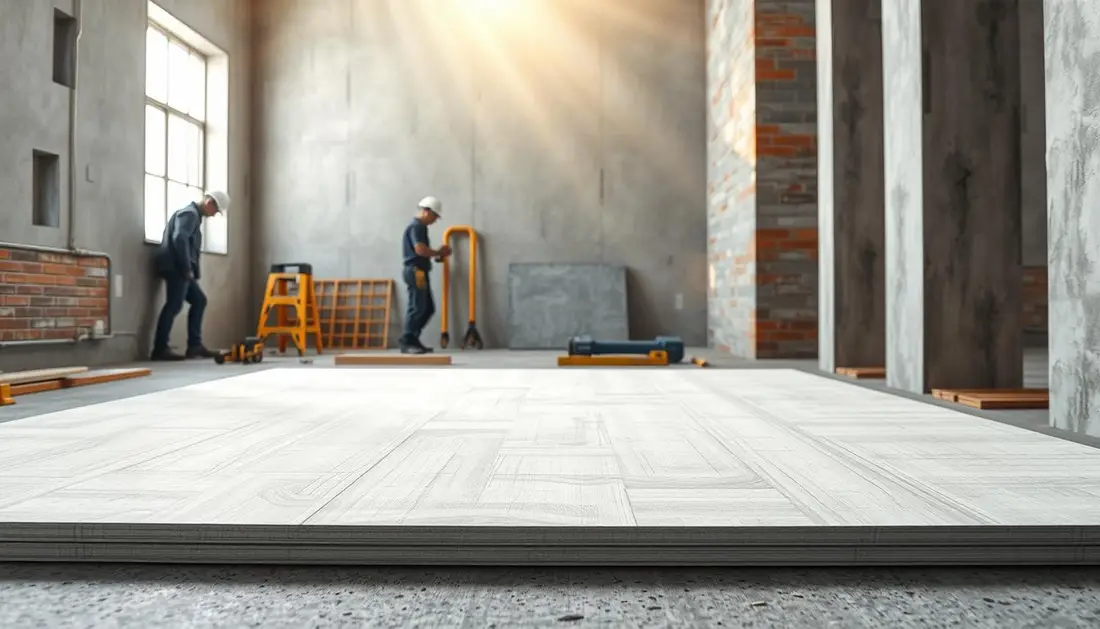
When you weigh cost and speed, lightweight wall systems often outpace brick or concrete for interior work — the drywall vs brick for internal walls comparison shows where each option wins.
Per square metre, a typical drywall installation sits between R350 and R800. By contrast, brick or concrete walls commonly range from R600 to R1,200 per square metre.
Benefits of Drywall Over Masonry
Faster installation: framed board systems are significantly quicker to fit than masonry, reducing labour time and disruption.
Lower per square costs: the metre rate for drywall is generally cheaper, helping you manage the project budget.
- Easy repairs and changes: modify room layouts with less work than cutting into brick.
- Cleaner worksites: installations create far less dust, ideal for occupied homes or offices.
- Reduced structural load: lighter walls place less strain on existing floors and foundations.
| Type | Typical cost (per square metre) | Key advantage |
|---|---|---|
| Drywall | R350–R800 | Speed, flexibility, lower costs |
| Brick / concrete | R600–R1,200 | Durability, long-term solidity |
Our guidance shows brick still has merits for longevity, but drywall is a practical option where speed, budget and adaptable rooms matter most. Confirm scope and finish in writing so the quoted metre and final price match your expectations.
Essential Components of a Professional Installation
The build sequence — framing, boarding, jointing and insulation — determines both finish and lifespan.
Studs and boarding
Use galvanised steel or seasoned timber studs that match the room size and load. Proper stud spacing keeps boards flat and prevents movement.
Standard drywall boards such as 12.5mm Rhinoboard give a durable surface. Rhinoboard ranges from R221.48 to R254.70 per unit, so confirm unit counts before ordering.
Jointing and paint-ready finishes
Jointing quality decides the final look. Use the correct tape and compound for internal seams to avoid visible lines after painting.
Skim and sand to a paint-ready level. Investing in better finishes improves the visual appeal and reduces future touch-ups.
Acoustic and insulation upgrades
Acoustic insulation raises the per square metre cost, but it is worth it for bedrooms and meeting rooms. You can expect to pay more for specialist insulation.
Proper installation of insulation and correct fixings ensures long-term stability and fewer cracks over time.
- Materials labour must be specified so you compare like-for-like quotes.
- Check workmanship: ask contractors which tape and compound they use.
- Finish matters: quality jointing gives a seamless, paint-ready surface.
| Component | Typical unit | Effect on final finish |
|---|---|---|
| Studs (steel/timber) | per metre | Structural alignment; reduces movement |
| Boarding (12.5mm Rhinoboard) | per sheet | Durability and finish quality |
| Jointing & skim | per square metre | Seamless, paint-ready surface |
| Acoustic insulation | per square metre | Noise reduction; raises cost |
Why Quality Workmanship Matters for Long-Term Value
Long-term value comes from skilled tradespeople who deliver neat joints and stable frames that endure seasonal movement.
Quality workmanship is the main factor that keeps your drywall looking good and crack-free over time. Proper framing, correct fixings and careful jointing make a visible difference to your walls.
Experienced professionals understand each step of a drywall installation. They set studs to the right spacing for the room size, fit boards neatly and finish joints to a paint-ready finish.
When you hire skilled labour you pay for expertise that reduces future repairs. That lowers lifetime costs and adds real value to your property.
- Benefits: better finish, improved sound performance and greater structural stability.
- What to check: ask for references, view previous work and confirm materials and finishes in writing.
- Our role: we connect you with independent professionals who deliver consistent results on per square and metre estimates.
Prioritise quality over the lowest price to protect the look and value of your rooms and installations.
How to Request a Quote Through Our Platform
Our quote request process at buildingpricessouthafrica.co.za helps you find local professionals quickly.
Start by entering the size of the room and your installation requirements. Add details on finishes, insulation and the metre measurements you expect.
We forward your brief to independent contractors who value quality and fair prices. Expect local experts to follow up and assess your drywall installation needs in person.
- Provide clear project needs so quotes include all materials, labour and timelines.
- Receive multiple estimates to compare price, workmanship and schedule.
- Choose a professional who meets your quality and budget requirements.
Remember: a detailed quote should list materials, labour, access requirements and start/end dates to avoid surprises. Our goal is a stress‑free process that connects you with independent contractors for your next room project.
Tips for Managing Your Renovation Costs
A clear quote and simple planning keep your project on budget.
Get a detailed quote that breaks down the price per square metre and lists materials, labour and finishes. A written quote helps you compare offers and see the true installation costs.
Plan the room layout to reduce cutting and corners. Simpler partitions lower labour and material waste, so you pay less per square for the same area.
Avoiding Common Pitfalls
Choosing the cheapest boards or contractors can raise the final cost through repairs and rework. Ask about the type drywall and whether jointing and paint-ready finishes are included.
Consider insulation and soundproofing at the start. Adding these later usually means higher pricing and extra labour on ceilings and walls. For the full set of cost guides, see browse all our cost guides.
- Confirm size and access so quotes match site reality.
- Compare standard drywall and higher-spec options for the right value.
- Be explicit about finishes to avoid scope creep during work.
| Common mistake | Impact on cost | What to check |
|---|---|---|
| Undersized quote | Extra purchases and delays | Confirm area in square metre and labour hours |
| Skipping insulation | Higher retrofit expense | Decide on insulation up front; include in quote |
| Lowest bid only | Quality repairs later | Ask for references and finish samples |
Use our platform to compare professionals and secure quotes that reflect your exact requirements. That reduces surprises and helps you know what to expect pay for a reliable installation.
Final Guidance for Your Upcoming Interior Project
A concise scope and proper measurements are the quickest way to secure an accurate quote. Use our form to add size, finishes and the level of finish so contractors can price per square metre and per square details correctly.
Plan for installation costs that reflect the room size, material quality and any complex work. That helps you know the final cost to expect and what you should expect pay for in writing.
Choose quality workmanship and include insulation for better comfort and longer-term value. Confirm timelines, payment terms and labour items in your quote before work begins on walls or ceilings.
We connect you with independent professionals so your drywall installation meets quality and budget expectations.
FAQ
What is the typical cost per square metre for partition walls using plasterboard in South Africa?
Costs vary by board type, stud system and finish. Expect a basic non-insulated partition from R220–R360 per m² installed. Acoustic or fire-rated partitions add R80–R200 per m². Confirm whether the quote includes materials, labour, cornices, taping and paint-ready finishes.
What items are normally included in an installation quote?
A proper quote lists materials (steel studs, plasterboard, screws, jointing compounds), labour, transport, waste removal, door frame or architrave work, and any finishing such as sanding and primer. Check if insulation, electrical cut-outs or plasterboard moisture/fireresistant boards are extra.
How does board type affect the final price?
Standard 12.5 mm plasterboard is the cheapest. Moisture-resistant, fire-rated or high-density acoustic boards cost more. Higher-spec boards may increase material cost by 20–70%, but they reduce later upgrade costs for bathrooms, kitchens or communal walls.
How much should I budget for labour when installing partition walls?
Labour typically makes up 40–60% of the installed cost. Skilled teams charge more but reduce callbacks. Labour rates vary by region and site complexity; owner-builders can save on labour but must allow time and expect trade-level finish requirements.
Are insulation and acoustic upgrades worth the extra cost?
Yes, where privacy or noise control matters. Acoustic insulation plus staggered or double-stud systems can significantly reduce sound transfer. The extra spend improves comfort and adds resale value, especially in flats, offices and multi-room homes.
How do ceilings compare to walls in terms of cost?
Ceilings are generally cheaper per m² but need secure fixing and potential access for services. High ceilings, bulkheads or suspended systems increase cost. Include cutting for lights, hatches and cornice work when comparing quotes.
Will replacing masonry with plasterboard save money?
Plasterboard partitions are faster, lighter and often cheaper than brickwork, mainly due to lower labour and no wet trades. Savings depend on insulation needs, door detailing and fire rating; in some scenarios masonry remains preferable for structural or acoustic reasons.
What should I check in a contractor’s written quote?
Check scope of work, materials and brands, square metre rate, labour breakdown, exclusions, start and completion dates, payment terms and warranty on workmanship. Ensure site visits, permit or building inspector fees are noted if required. It reads well alongside painting per square metre price guide.
How long does a typical partition project take?
A simple room partition can be framed and boarded in 1–3 days, with jointing and drying taking another 2–5 days before sanding and painting. Larger or acoustic projects take longer. Ask contractors for a realistic programme rather than a rushed deadline.
Do I need building approvals or plans for internal partitions?
Minor internal partitions usually need no council approval, but fire-rated walls, changes affecting egress, or structural adjustments often require plans and consent. Confirm with your local municipality or your contractor prior to work starting.
How do access and site conditions affect cost?
Restricted access, multiple floors without lift access, and confined spaces increase labour time and may incur extra charges. Clear working areas and good access reduce cost and avoid delays. Verify access and storage needs when requesting quotes.
Can I mix brick and plasterboard in one room and how does that influence pricing?
Yes. Mixing systems is common for feature walls or where load-bearing is necessary. Expect added joinery detail and finishing costs where systems meet. Ask for a detailed breakdown so you can compare line-item costs for each system.
What warranties or guarantees should I expect?
Reputable contractors offer workmanship guarantees (typically 6–24 months) and will specify material warranties from suppliers like Gyproc or Knauf. Get warranties in writing and understand what causes (eg. settlement, water damage) may void them.
How can I reduce overall project cost without sacrificing quality?
Choose standard 12.5 mm boards where suitable, avoid unnecessary bulkheads, plan door and electrical locations in advance, and get multiple quotes. Opting for local contractors with good reviews often balances cost and quality. This pairs naturally with electrical installation costs.
Should I request multiple quotes through the platform, and how many?
Yes. Request up to three quotes, or up to five where available, to compare rates and approaches. Multiple quotes help you see market ranges, clarify inclusions and select the best value rather than the lowest price. This pairs naturally with what plumbing rough in costs.
Read & compare builder quotes with confidence
Before you weigh up prices, get fluent in what a building quote actually contains — inclusions, exclusions, provisional sums and the red flags that change the real cost.
- How to Read a Builder Quote
- Provisional Sums in Building Quotes
- Prime Cost Items in Building Quotes
- Building Quote Red Flags
- How to Avoid an Underquoted Building Project
- Questions to Ask Before Hiring a Builder
- Building Snag List Before Final Payment
- How to Compare Building Quotes Properly
- South African Building Terms Glossary
- Building Cost Inflation in South Africa
- Builder's Guarantees in South Africa
- Builder Payment Schedules and Deposits
- Building Contract Essentials
- When a Building Project Goes Wrong
Ready to compare?