Johannesburg Building Cost Guide
Suburb variation, renovation demand, access constraints, and premium residential quote pressure
Quick answer
Johannesburg building prices – older-suburb renovations, complex access rules and the north–south rate spread, with local examples.
11 min read
On this page
Curious how much it really costs to build a home in South Africa today? Start here for clear, realistic figures and practical next steps.

We offer our pricing guidance at buildingpricessouthafrica.co.za to help you understand the cost per square metre for your project.
Gauteng’s average construction cost sits at R13,330 per square metre. Labour often makes up about 25–30% of the total, and architect fees can reach up to 8%.
Our platform compares construction costs across every province, including the Western Cape and Gauteng, so you can plan your budget with confidence.
When you build a house, remember to confirm inclusions, exclusions, timelines and warranties in writing with your contractor. That clarity saves time and expense.
We help you weigh location, materials, design and labour costs so you can make smart choices and avoid common pitfalls on your project.
Understanding Building Prices Johannesburg
A clear cost per square guide gives you a practical starting point for every South African build.
In 2026 the average construction cost in Gauteng is R13,330 per square metre for a standard residential property. For indicative ranges, see building cost per square metre gauteng.
To put that in context, a typical 146 square metre home in this region costs about R1,945,000. A smaller 90 square metre home averages around R1,200,000, reflecting current labour and material rates.
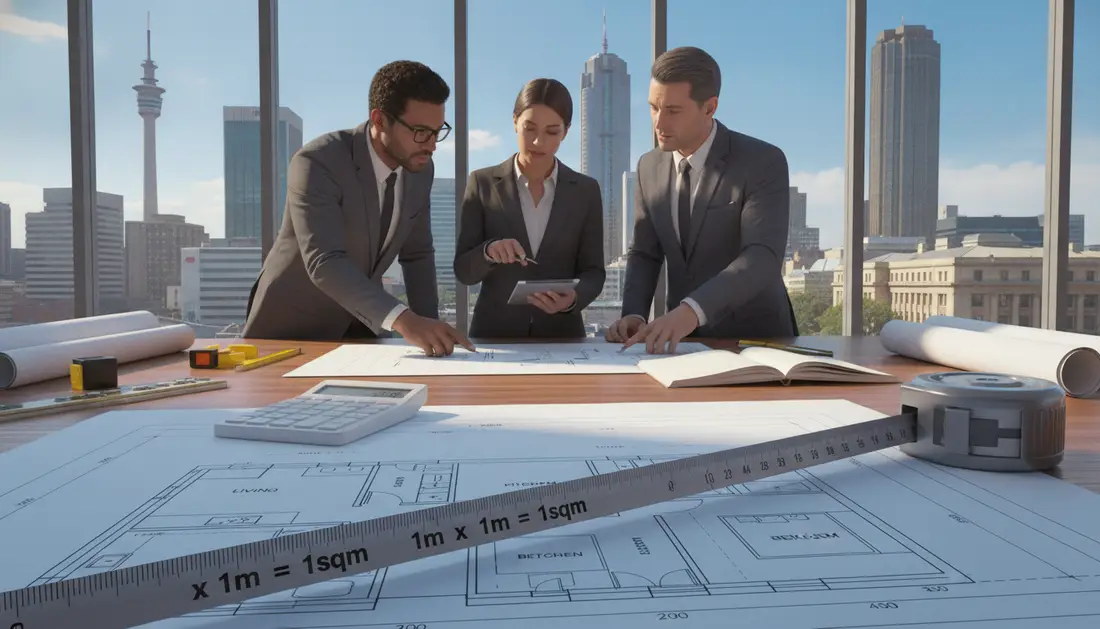
Note that 15,000 per square is often a benchmark for mid-to-high-end finishes. Complex layouts or premium finishes will raise the construction cost per square.
“Always confirm scope, inclusions and timelines in writing to avoid unexpected expenses.”
- Costs vary by design, access and approvals.
- We provide data to compare building a home versus buying an existing property in South Africa.
- Ensure your contract clearly defines the scope of work.
Current Market Trends and Cost Drivers
Today’s trends show material choices and design complexity driving most of the cost per square, with finishes pushing totals well above standard averages — see how that compares across building costs in Gauteng.
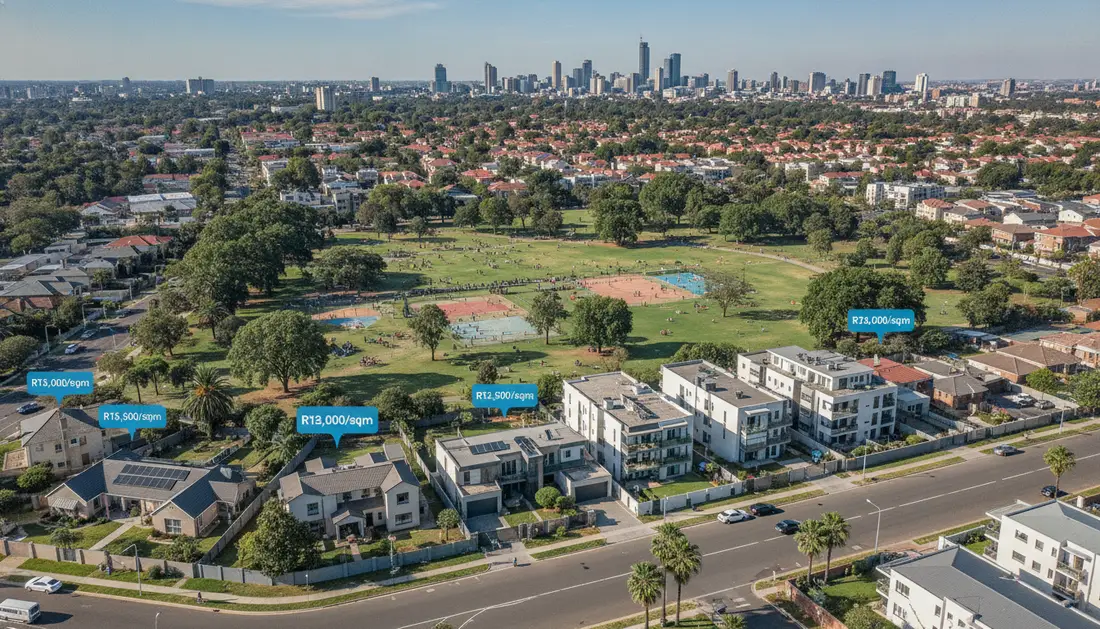
Material quality and design increase expenses quickly. High-end stone, specialist glazing and intricate layouts raise the cost per square metre. Luxury homes in South Africa commonly exceed R20,000 per square metre for premium finishes and bespoke work.
Material Quality and Design
The selection of materials changes both the upfront construction cost and long-term maintenance. Simple layouts keep costs down. Complex design features add labour hours and specialist trades.
Residential vs Commercial
Commercial projects often start lower per square but can climb with services and compliance. We see commercial rates from about R8,000 per square metre up to R20,000+ for high-spec developments.
- Labour usually makes up 25–30% of total construction costs — choose contractors carefully.
- A quantity surveyor helps control material quantity and total construction cost through precise estimates.
- Region and site access influence final costs across provinces such as the Western Cape and Gauteng.
“Factor in design choices, labour rates and material quality early to avoid budget surprises.”
Navigating Local Johannesburg Site Challenges
Site-specific issues in local suburbs can shift your project cost more than material choice. Start with a focused site assessment to spot hidden risks that affect the cost per square and total construction outlay.
Soil Conditions and Heritage Constraints
Older suburbs such as Parkhurst and Greenside often contain 1930s–60s renovation stock. Clay soil and tree roots commonly cause structural cracks that need repair.
Heritage pockets, like parts of Parktown, impose stricter design requirements. These rules can increase planning time and add to your construction cost.
Access and Security Logistics
Narrow streets and limited working space mean extra security and storage costs. You may also need to pay access deposits to local authorities or body corporates for deliveries and skips.
Managing Renovation Stock
The cost per square metre for renovations can exceed new builds because site conditions are unpredictable. Always budget contingency for structural repairs, specialist work and higher labour hours.
| Issue | Typical impact | Estimated extra cost | Action |
|---|---|---|---|
| Clay soil / tree roots | Foundation repair, crack stitching | R15,000–R60,000 | Soil test and structural report |
| Heritage requirements | Design revisions, approvals | R20,000–R80,000 | Early consultation with heritage planner |
| Access & storage limits | Security, daily logistics | R5,000–R30,000 | Arrange off-site storage and deposits |
| Renovation unpredictability | Higher labour and specialist trades | 5–20% above estimate | Include contingency and experienced contractor |
Tip: Use a contractor experienced in local property types to control costs and avoid delays. Confirm scope, inclusions and any additional fees in writing before work starts.
Comparing Suburb Price Bands
Suburb-level cost bands show clear north–south differences that affect your total project budget.
Northern suburbs often attract higher labour and material rates. In areas like Sandton you should plan near 15,000 per square for higher-spec finishes.
Southern suburbs typically offer lower rates and simpler site logistics. The same design can cost noticeably less in developing areas.

- Example A: A 146 square metre home in a premium northern suburb might cost around R2,200,000.
- Example B: A similar 146 sqm house in a southern suburb could be about R1,700,000.
- Average cost differences usually reflect land value, finish quality and local labour rates.
“Use per square metre estimates as a guide, then check specific design and finish requirements for accurate quotes.”
Whether you build in the Western Cape or around Gauteng, research suburb-level bands so your budget matches local construction costs and design expectations. This pairs naturally with building costs in Centurion.
Financial Planning and Funding Your Project
A clear funding plan is the backbone of any successful home construction in South Africa.
Most lenders require a 10% deposit when you apply for a building loan. The loan itself is paid out in stages as each phase of construction is completed. This staged approach protects lenders and ensures funds match progress on site.
Building Loan Structures
Use our pricing guidance to calculate the total budget you’ll present to your bank or bond originator.
Include a contingency for unexpected expenses. Unforeseen repairs or design changes commonly increase building costs during the work.
“Plan for staged draws, a 10% deposit and a contingency to avoid cash-flow strain.”
- Confirm interest rates, repayment terms and any admin fees before you sign.
- Ensure your contractor is NHBRC-registered—most lenders require this for approvals.
- Track draws against completed work to control cost build and stay within your budget.
Essential Professional Fees and Labour Costs
Labour and consultant fees are core cost drivers when you calculate the cost per square metre. Architect fees can reach up to 8% of the construction cost, while labour typically makes up 25–30% of the total construction figure.
Include professional fees, regulatory charges and quantity-surveyor estimates when you work out the cost per square. These items affect your total construction cost and the per square quote lenders will review.
- Confirm that contractor quotes include labour costs and materials to avoid hidden expenses.
- Expect variations by province; rates in the Western Cape and Gauteng can differ.
- Quality workmanship costs more up front but reduces later expenses.
Plan fees in writing and add a contingency. Proper planning keeps the project on budget and helps your home reach completion without costly surprises.
“Verify all professional fees in writing before work starts.”
Securing Your Independent Contractor Quotes
Request site visits and written quotes from independent contractors so you can confirm real scope, meter rates and timelines for your project.
Use our quote request process at buildingpricessouthafrica.co.za to connect with contractors. You may request up to 3 quotes, or up to 5 where available, to compare per square offers and service levels.
Independent contractors will conduct site visits, issue final quotes, manage work, set timelines and provide warranties. Check that fees for labour, materials and any approvals are included.
Compare the cost per square metre, assess finish quality and confirm payment schedules in writing. Clear planning and open communication keep costs and delays under control throughout your construction project in South Africa.
FAQ
What affects the cost per square metre in Johannesburg suburbs?
The main cost drivers are material quality, labour rates, site access and ground conditions. Finishes and design complexity change the unit cost quickly — higher-end finishes or bespoke designs add substantially. Local requirements such as plan approvals, rates and connection fees also increase the total project cost.
How do soil conditions and heritage constraints influence budgets?
Poor soil may require piled foundations or soil stabilisation, which raises the price per square metre. Heritage overlays can force design changes or specialist approvals that extend the timeline and add professional fees. Always commission a site-specific report (geotechnical and heritage, where relevant) before finalising budgets.
What portion of my budget should I allow for labour and professional fees?
Expect labour and contractor margins to be a significant portion: typically 30–45% of construction-only costs, depending on region and complexity. Professional fees — architect, engineer, quantity surveyor and local authority fees — commonly total 6–12% of the construction value. Get these figures confirmed in writing when requesting quotes.
How do access and security logistics change project expenses?
Restricted access, narrow streets or gated estates increase handling time and require specialised plant; this raises labour and plant hire costs. Sites with high theft risk need secure storage or temporary fencing, adding to overheads. Factor these costs into your contingency allowance up front.
Can I get multiple independent quotes and how many are available?
You may request up to three independent quotes, or up to five where available on our platform. Independent contractors handle site visits, final pricing, timelines and warranties. We recommend comparing at least three written quotes to assess scope, exclusions and payment terms.
What should I confirm in writing before accepting a contractor quote?
Confirm scope of work, start and completion dates, payment milestones, included materials and finishes, warranties, and who is responsible for permits and municipal charges. Ensure exclusions are listed, such as landscaping or specialist finishes, to avoid surprise costs.
How do residential costs compare to commercial builds in this region?
Commercial projects often require heavier structural work, additional services and stricter fire and access requirements, which increases unit costs. Residential work can be cheaper per square metre but finishes and customised layouts can narrow the gap. Always compare like-for-like scopes when assessing quotes. This follows how provincial cost adjustments work.
What items typically cause budget overruns during renovations?
Hidden defects, outdated services (electrical, plumbing), structural repairs, and compliance upgrades (insulation, energy or safety standards) are common overruns. Carry out a thorough inspection and allow a contingency of 8–12% for renovation projects to manage unknowns.
How do material choices affect the total construction cost?
Material quality affects both unit pricing and long-term running costs. Standard finishes and local materials are more economical; imported or premium products add upfront cost. Factor in installation labour and maintenance when choosing materials to understand the true cost over the lifecycle.
What financial options are suitable for homeowners and investors?
Options include building loans, bridging finance, mortgage top-ups and personal loans. Building loan structures release funds in agreed stages against inspections. Discuss terms with your bank and confirm contingency funding for scope changes or delays before starting on site.
How can I compare suburb price bands effectively?
Compare like-for-like: size, finish level, site constraints and access. Use recent local quote data and ask contractors to itemise costs per square metre and total construction cost. Consider municipal charges and typical timeframes for approvals in each suburb when assessing affordability.
What role does a quantity surveyor play in cost control?
A quantity surveyor prepares detailed cost estimates, bills of quantities and helps manage variations during construction. They provide impartial cost checks and value-engineering options to keep the project within budget. For larger projects, their input often saves more than their fee.
Are there regional differences in labour and material costs within Gauteng?
Yes. Central and established suburbs tend to have higher labour and specialist contractor rates than outer suburbs. Material availability and transport logistics also change costs. Check local contractor rates and request site-specific pricing rather than relying on national averages. Costs for this are set out in house building price guide.
How soon should I get a geotechnical report and municipal quotes?
Arrange a geotechnical report and municipal connection/approval cost estimates during the pre-tender stage. Early reports identify foundation requirements and possible service connection costs, which lets you set realistic pricing per square metre and avoid late-stage surprises. For indicative ranges, see South Africa’s per-m² build guide.
What is included in a typical contractor quote per square metre?
A thorough quote should list scope (foundations, structure, roof, finishes), material specifications, labour, provisional sums for unknowns, professional fees if applicable, and exclusions. It should also state start and completion dates and payment milestones. Ask for a detailed breakdown to compare quotes accurately. It reads well alongside cost to build in Pretoria.
Ready to compare?