
Building Cost Per Square Metre in South Africa
Square metre rates by finish level, build class, site condition, and quote scope
Quick answer
Building cost per square metre in South Africa by finish level – what the rate includes, how to measure, and how provinces differ.
Indicative ranges for planning — not a quotation. Final cost depends on scope, finish level, site access and area, and may exclude VAT and professional fees; confirm pricing in writing with your chosen builder.
Cost at a glance
| Finish / spec level | Indicative rate | Typical total |
|---|---|---|
| Economy | R9 500/m² | R1.34m–R1.7m |
| Standard | R14 000/m² | R1.97m–R2.51m |
| Premium | R20 000/m² | R2.82m–R3.58m |
| Architectural | R30 000/m² | R4.22m–R5.38m |
Indicative totals for a 160 m² project · indicative 2026 guidance, not a quotation. Use the calculator below for your exact size, or request tailored cost guidance.
Instant estimate
Building cost per m² calculator
Convert a per-m² rate into a project total by area and finish.
11 min read
On this page
How much should you really budget to turn a plot into your new home? That question sits at the heart of every project and it steers sensible decisions.
At buildingpricessouthafrica.co.za, our platform breaks down the price range clearly. A small economic house can start around R9,500 per square metre, while higher-end homes often head past R30,000 per square metre in the current market.
We explain the main drivers: materials, labour costs, finishes and location access. Our pricing guidance shows how a standard build differs from a premium project and what to expect in fees and approvals.
You will learn how average figures shift with design choices and how to plan your budget for each square metre of usable area. Use our platform to request quotes and avoid common pitfalls when estimating construction costs and loans.
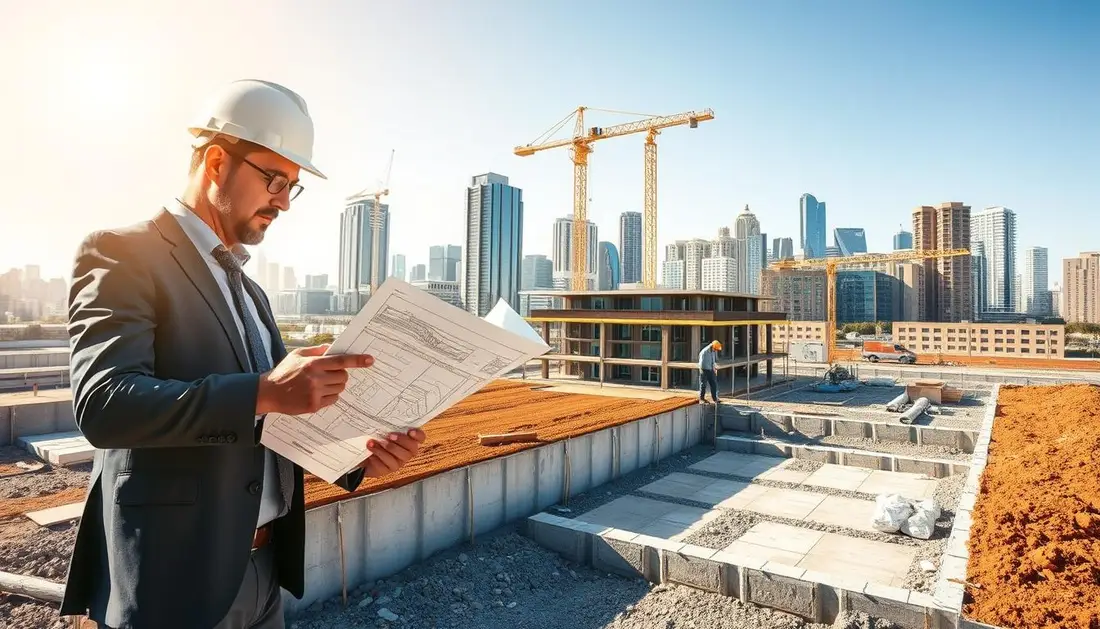
Understanding the Building Cost Per Square Metre in South Africa
Where you build and the finishes you choose shape the price for every square metre of your project, which is why it pays to read this alongside our price guides for the other build types you may be weighing. Where you build matters too: building cost per square metre mpumalanga.

Our pricing guidance shows clear regional gaps. KwaZulu-Natal records the highest average at R14,860 per square metre, while Limpopo and North West tend to fall below the national average. Multiply any of these rates by your floor area and you have a rough cost to build a house to sanity-check against full quotes. Where you build matters too: building cost per square metre kwazulu natal.
- Location of your property is one of the most critical factors affecting total construction costs.
- Urban demand often lifts prices for materials and labour, increasing the cost per square meter for your house.
- Quality of land and design complexity also dictate the final expense for each metre of usable area.
- Account for professional fees and hidden expenses when you set a realistic budget.
| Province | Average R/m | Notes |
|---|---|---|
| KwaZulu-Natal | R14,860 | Highest regional average; strong market demand |
| Limpopo | Below national average | More affordable labour and materials in many areas |
| North West | Below national average | Good value for less complex projects |
Every square metre of your home represents a financial commitment. Use our pricing guidance to compare regions, test design choices and confirm loan and fee assumptions before you start. Costs also shift by province — see building cost per square metre limpopo.
Accurate Measurement Techniques for Construction Projects
Precise area measurement sets the foundation for realistic budgets and fewer surprises. Because how builders measure square metres varies between internal floor area and total construction area, the same house can carry two very different rates.
Before you request quotes, confirm which area your architect or QS uses — internal floor area or the total construction area that includes wall footprints — and check the rate against the standard inclusions a per-square-metre price normally covers. Costs also shift by province — see building cost per square metre gauteng.

Defining Floor Area vs Construction Area
Floor area usually measures internal usable space. It ignores external walls and some service cavities.
Construction area includes wall thickness, external verandas and structural elements. This is the figure most contractors use to calculate the rate per square meter and final costs. Where you build matters too: building cost per square metre free state.
Avoiding Common Measurement Errors
- Include wall thickness: omitting it underestimates materials, labour and fees.
- Check the three‑bed size: a typical house ranges from 120 to 150 square metres and this shift affects totals greatly.
- Confirm standards: our platform advises you verify that architects and quantity surveyors follow national measurement rules.
- Compare quotes using the same area basis: this avoids disputes and hidden expenses later on.
Breakdown of Pricing by Finish Level and Build Class
Finish choice and build class drive the final price for each metre of your project. The gap between entry, standard & premium finishes explained can almost double the rate on an otherwise identical home, so pin down your spec before you budget.

Economic and Budget Builds
Budget homes focus on pragmatic finishes that keep expenses down — standard roof tiles, basic plaster and mass‑market fittings — which is exactly why square-metre rates can mislead when you compare two homes on headline rate alone.
Labour typically represents 25–30% of total costs, so simple designs with fewer trades lower your outlay and reduce delays.
Standard Residential Specifications
Standard specs use mid‑range materials and familiar layouts. Expect better fittings, tiled bathrooms and improved floor coverings.
These choices raise the price modestly but add lasting value to the property and make loan approvals easier.
Premium and Luxury Finishes
Luxury projects use bespoke materials, intricate design and high‑end fixtures. This pushes prices well beyond R20,000 per square metre for some homes. Costs also shift by province — see building cost per square metre eastern cape.
Complex architecture also increases both labour and material expenses. Always ask contractors to list the exact quality of materials in writing.
“Labour makes up around a quarter to a third of total construction expenses — plan for it.”
We help you compare market rates across build classes so you can allocate budget to finishes that matter most and request accurate quotes.
Essential Factors Influencing Your Total Construction Budget
Hidden works on site can quickly raise your final budget well beyond initial quotes. Always plan for the items in what building prices often exclude — site clearance, professional fees and abnormal foundations rarely sit inside the headline rate.
Set aside a contingency of 10% to 15% of the total expected spend to cover unexpected developments. This protects your project if soil tests, access issues or delays arise.
What Standard Rates Exclude

- Many homeowners overlook that the building cost per square metre in south africa often excludes site works, paving and boundary walls.
- Soil quality assessments are a common hidden expense that can affect foundations and timelines.
- Location and site conditions change labour needs, materials and specialist access charges.
- Confirm in writing what your quote includes — fees, approvals and provisional sums are frequently left out.
- Material quality and design complexity also raise the final price; luxury finishes add significant sums.
Our platform helps you identify these factors so your budget is realistic and complete. By accounting for exclusions early, you avoid mid‑project price shocks and keep your house plans viable.
“Set a contingency and get a written scope — it is the best defence against unexpected expenses.”
Navigating the Building Loan and Quote Request Process
Knowing how lenders release funds and how quotes are produced protects your budget.
Use our quote request process to connect with independent contractors who provide accurate estimates for your project. We guide you to request up to three quotes, or up to five where available, from registered professionals.
Key checks before you start:
- Ensure your contractor is registered with the NHBRC — this is mandatory for all new house projects.
- Banks require detailed plans and a signed contract to verify the cost build of your home.
- Confirm inclusions, exclusions, timelines and staged payment schedules in writing.
Banks typically pay out loans in stages as each construction phase finishes. Plan your cash flow so materials, labour and specialist trades are paid on time.
“Request multiple assessments to compare the market and verify the cost per square meter for your design and finishes.”
Our platform provides pricing guidance for your location and helps you compare quotes fairly. By using our quote request process you receive multiple assessments and clearer visibility over costs, materials, finishes and approvals — so you can make informed decisions and manage loan disbursements with confidence. This pairs naturally with single storey building costs.
Final Considerations for Your Construction Journey
Before you sign contracts, confirm the full scope, timelines and payment terms so your project runs smoothly.
Remember that our per square guide is a starting point, not a final price for your home. Trust grows from clear communication, so always get timelines, payment schedules and warranties in writing with your chosen contractor. Costs also shift by province — see building cost per square metre north west.
Visit buildingpricessouthafrica.co.za to start your quote request and compare up to three independent assessments where available. Whether you plan a standard house or a luxury home, our pricing guidance helps you manage building costs and budget expectations. For the full set of cost guides, see building price guides.
Consider land quality, design complexity, finishes and fees to avoid surprises. Thank you for using our platform; we wish your project a successful delivery and lasting value.
FAQ
What is the typical price range per square metre for different finish levels and build classes?
Typical rates vary by finish and build class. Economic builds use basic finishes and lower-spec materials. Standard homes use mid-range finishes and common fixtures. Premium or luxury projects include high-end finishes, bespoke joinery and superior fittings. Always ask contractors for a written breakdown showing materials, labour, professional fees and contingency so you can compare like-for-like proposals.
How should I measure my area to get accurate quotes?
Measure the usable floor area inside walls for each level and include garages, covered patios and enclosed balconies if they are part of the finished area. Contractors sometimes use construction footprint instead; clarify whether quotes are for Net Internal Area (NIA) or Gross Construction Area (GCA). Provide plans or arrange a site visit to avoid surprises.
What’s the difference between floor area and construction area?
Floor area refers to the internal usable space within finished walls. Construction area can include wall thickness, roof overhangs, stoep and external works. Knowing which one a builder uses matters because rates applied to GCA are often lower per unit but yield a higher total price than NIA-based quotes.
What common measurement mistakes should I avoid?
Don’t rely on room names alone. Check whether balconies, garages and double-volume spaces are included. Watch for duplicated areas on plans and for contractors quoting on GCA when you expect NIA. Confirm the measurement basis in writing before accepting any price. This pairs naturally with double storey building costs.
Which items are typically excluded from standard rates?
Standard rates often exclude professional fees (architect, engineer), municipal connections and approvals, specialised site works (rock blasting, retaining walls), landscaping, driveways, security systems and appliances. Insist on a exclusions list so you can budget for these separately.
How do site conditions affect the overall budget?
Poor access, steep slopes, rock or high water table increase labour, plant hire and foundation requirements. Sites that need extra temporary works, longer delivery routes or additional safety measures raise the price. Share site photos or arrange a site inspection to get realistic quotations. It reads well alongside foundation costs.
What should I confirm in writing before starting a project?
Confirm the scope, specification of finishes, payment milestones, programme, warranty terms and which quantities or measurement method the quote uses. Include timelines for approvals and variations. A clear contract reduces misunderstandings during construction.
How do material quality and finishes change the final figure?
Higher-grade finishes, engineered joinery, imported fittings and bespoke elements significantly increase material and labour charges. Even small changes — tiles, taps, countertops — shift the overall figure. Use a finishes schedule to see where savings or upgrades affect the total.
Can I get multiple quotes and how many should I request?
We recommend requesting multiple independent quotes to compare scope and price. You may request up to three quotes, or up to five quote options where available. Ensure each quotation carries the same specification so you compare like-for-like.
How are professional fees and municipal charges handled?
Professional fees for architects, engineers and project managers are usually billed separately as a percentage or fixed fee. Municipal fees for plans approval, services connections and compliance certificates are additional. Ask your professional team for estimated fees early in the process.
Should I budget a contingency, and how much is sensible?
Yes. A contingency of 5–10% of the build value is common for predictable variations. For complex sites or extensive renovations, increase contingency to 10–15% to cover unforeseen structural work or services upgrades.
How do labour rates and local market conditions influence pricing?
Labour rates vary by region and by availability of skilled trades. Tight markets push up prices and extend programmes. Confirm labour inclusions — overtime, protective equipment and site supervision — in the quote, and allow for seasonal fluctuations.
Are there financing or loan considerations I should know about?
Lenders often require professional plans, a detailed budget and an approved cost schedule before releasing progress payments. Understand the lender’s payment stages and ensure your contractor’s cashflow aligns with those instalments to avoid delays. Costs also shift by province — see building cost per square metre western cape.
How do I compare quotes to choose the right contractor?
Compare scope, specification, exclusions, warranty, programme and payment terms rather than price alone. Check credentials, references and examples of completed work. A slightly higher quote with clearer documentation and warranty often reduces risk and cost overruns. Where you build matters too: building cost per square metre northern cape.
Related building cost guides
Read & compare builder quotes with confidence
Before you weigh up prices, get fluent in what a building quote actually contains — inclusions, exclusions, provisional sums and the red flags that change the real cost.
- How to Read a Builder Quote
- Provisional Sums in Building Quotes
- Prime Cost Items in Building Quotes
- Building Quote Red Flags
- How to Avoid an Underquoted Building Project
- Questions to Ask Before Hiring a Builder
- Building Snag List Before Final Payment
- How to Compare Building Quotes Properly
- South African Building Terms Glossary
- Building Cost Inflation in South Africa
- Builder's Guarantees in South Africa
- Builder Payment Schedules and Deposits
- Building Contract Essentials
- When a Building Project Goes Wrong
Ready to compare?