Fencing Prices in South Africa
Palisade, ClearVu-style, wire and electric fencing priced per metre – security levels compared honestly
Quick answer
Fencing prices in South Africa per metre – palisade, ClearVu-style mesh, wire and electric additions – with honest security guidance.
Indicative ranges for planning — not a quotation. Final cost depends on scope, finish level, site access and area, and may exclude VAT and professional fees; confirm pricing in writing with your chosen builder.
Cost at a glance
| Finish / spec level | Indicative rate | Typical total |
|---|---|---|
| Wire / mesh | R350/m | R15 400–R19 600 |
| Palisade (steel) | R950/m | R41 800–R53 200 |
| ClearVu-style | R1 450/m | R63 800–R81 200 |
Indicative totals for a 50 m project · indicative 2026 guidance, not a quotation. Use the calculator below for your exact size, or request tailored cost guidance.
Instant estimate
Fencing cost calculator
Palisade, ClearVu-style, wire and electric fencing per metre.
17 min read
On this page
Curious which boundary option gives the best value for money? Does a palisade pay off for security, or is a mesh system smarter for your budget? We help you answer that fast.
Welcome to buildingpricessouthafrica.co.za. Our platform provides clear, independent pricing guidance so you can compare options for any site size.
Whether you need a simple garden fence or a high-security perimeter, our goal is to make costs and trade-offs easy to understand. We list typical material and labour factors and link you to local contractors for accurate quotes.
Use our quote request process to compare up to three options and confirm the best value. This guide covers wire boundaries, palisade and mesh systems, and electric solutions so you can make an informed choice for your property.
Understanding Fencing Prices South Africa
A clear estimate begins with the total metres you need and the material you choose. That simple step sets the baseline for any price you will see.
Scope matters. The total running metres and the type of steel, mesh or timber determine most of your material and labour cost. Difficult terrain or extra security features will push the cost up.
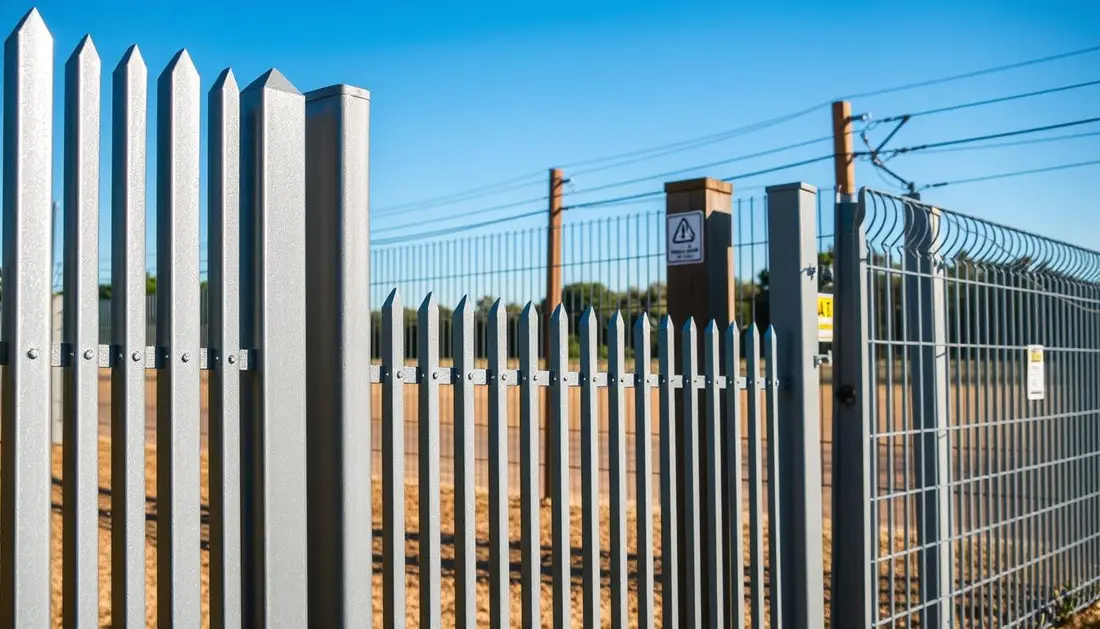
Get at least three quotes from local contractors to compare current market prices. When you review quotes, check that the price includes labour, transport and site preparation so there are no surprises.
Professional installation makes a difference. Correct posts, proper concrete footings and accurate tensioning extend the life of your fence and protect the value of your investment.
- Confirm running metres and material specifications.
- Ask whether labour, transport and site prep are included.
- Compare at least three written quotes to spot outliers.
We recommend you record these details in writing before work starts to protect your budget and avoid hidden costs.
Factors Influencing Your Total Project Cost
Several practical factors combine to set the final cost of your perimeter project, with small changes in scope or site access shifting the overall price. Set the figure against the wider compare project costs so the fence fits the overall budget.
Labour and Materials
The total project price comes from raw inputs and the hours needed to install them. Steel, timber or mesh and the labour team set the baseline.
Confirm in writing what is included and excluded. Ask for timelines, payment terms and warranties before work starts.

Major hardware retailers give a reliable benchmark for materials, but contractors add value with plant, skills and installation quality.
Regional Variations
Transport from major supply hubs affects the final figures. Remote sites see higher haulage costs and longer lead times.
Site conditions — rocky ground or steep slopes — increase labour hours and the overall cost. Always ask for a detailed breakdown of labour, materials and any exclusions like site clearing or waste removal.
- Get at least three written quotes and compare the line items.
- Check that guarantees and payment milestones are specified.
- Confirm the expected handover date and remedy periods in writing.
Palisade Fencing Cost Breakdown
If you want robust, long-lasting panels, W-profile palisade is a practical option to cost-check.
Factory-direct supply in Cape Town cuts middlemen and often gives better starting prices. Palisade World manufactures W-profile steel panels and has over 20 years’ local experience.
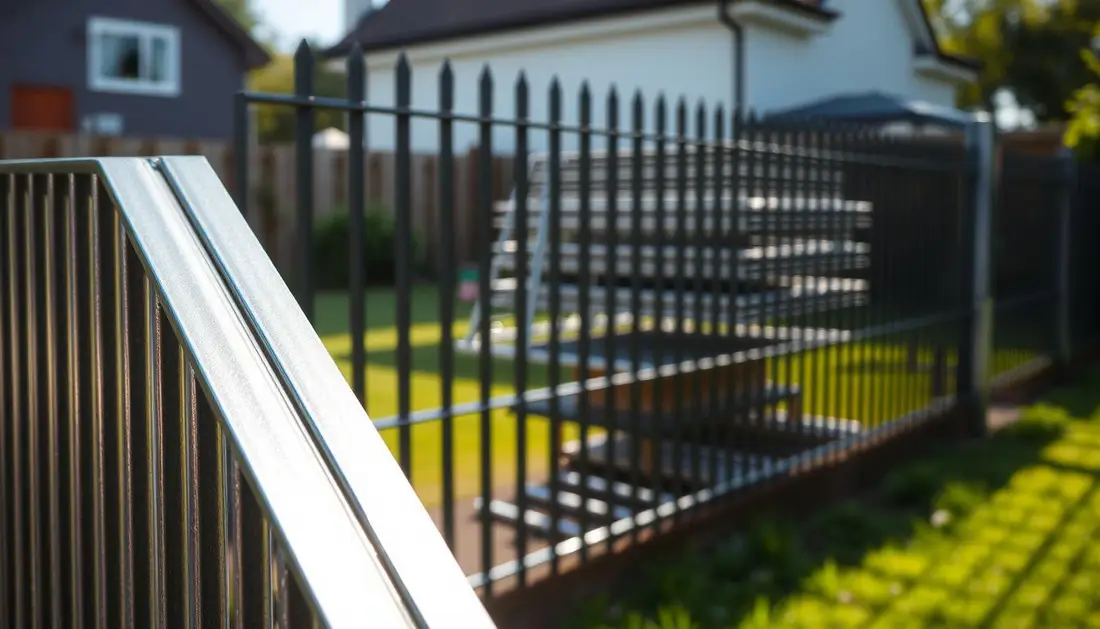
Key cost points are simple: a 1.8m high W-profile panel typically starts from R1550. Final figures vary with site layout and post requirements.
Each panel needs a sturdy steel post set in concrete for long-term stability. Check the steel thickness and galvanised finish — thinner material will reduce security and lifespan.
| Item | Typical specification | Notes |
|---|---|---|
| W-profile panel | 1.8m high, hot-dip galvanised | From R1550; final price depends on measurements |
| Steel post | Hot-dip galvanised, set in concrete | Required for structural stability |
| Factory-direct option | Supplier in Cape Town | Often more competitive than retail channels |
What to confirm in writing: panel thickness, galvanising standard, post spacing and whether labour and transport are included. That keeps your budget accurate and avoids hidden costs.
ClearVu Style Mesh Fencing Options
ClearVu-style mesh blends open sightlines with graded protection levels so you can match cost to need. Below we outline typical options, common cost benchmarks and the features that change the final figure.

Low security mesh
Low-security mesh is suitable for gardens and boundary definition. A 1.2m high mesh panel typically starts from R680 per metre.
Medium security mesh
Medium options use thicker wire and closer post spacing. They offer better anti-climb performance and a firmer deterrent without the premium of high-security panels.
High security mesh
High-security mesh with 12.7mm x 76.2mm apertures can cost around R1250 per metre depending on the supplier and the post configuration.
What to confirm in writing:
- Panel wire thickness, finishing and whether panels are powder-coated for corrosion resistance.
- Post type and concrete footing details that affect durability.
- Final per-metre price and any regional variations if you are in Cape Town or other centres.
Wire and Timber Fencing Alternatives
If your priority is budget and ease of repair, consider wire or timber as practical boundary options.
Wire systems are typically the lower-cost choice per metre. They suit large residential or agricultural plots and keep the initial price down.
Timber panels give a natural look and privacy, but they need regular treatment to prevent rot and weather damage. Expect maintenance over the life of the panel.
Cheaper materials reduce upfront costs but may shorten lifespan. Factor in replacement cycles when you compare final prices and long-term value.
- Cost-effective: both options stretch your budget where high security is not required.
- Lifespan: assess wood treatment or wire gauge before you buy.
- Finish: timber needs sealant; wire needs tensioning and sturdy posts.
We can connect you with contractors who specialise in these traditional options to ensure a tidy install and clear, written quotes.
Gate Selection and Automation Pricing
Picking a swing or sliding gate early in the design phase reduces surprises at installation.
Gate units are often priced separately from automation. A standard single leaf pedestrian gate typically starts from R3250. Sliding gates with bottom tracks start from R10300 for the unit alone.
Automation and Motor Costs
Automation and motors are quoted on top of the unit price because costs vary with gate weight and daily use. Motors, tracks, rollers, locks, intercoms and electrical work are excluded from the unit figures unless the quote states otherwise.
- A standard single leaf pedestrian gate typically starts from R3250, while larger sliding gates can cost upwards of R10300 for the unit alone.
- Automation and motor costs are quoted separately, as they depend on the weight of the gate and the frequency of daily operation.
- Ensure your gate frame is constructed from high-quality steel to support motor loads and continuous movement.
- When requesting a quote, specify whether you require a swing or sliding gate; this affects installation scope and site requirements.
- Always confirm that the gate automation package includes safety devices such as beams to prevent accidental closure on vehicles or pedestrians.
What to confirm in writing: whether the quoted price covers civil work, electrical connections, safety devices and any warranty on the motor. Clear scope reduces hidden costs and keeps your fencing project on track.
Site Conditions and Installation Challenges
Site quirks — rocky beds, steep gradients or tight access — often dictate the real work involved.
Ground conditions must be assessed before work begins. Digging through rock or heavy clay takes longer and needs different tools. That raises labour and excavation time.
Steep slopes and uneven ground increase complexity. Difficult terrain will lengthen setup time and require stronger posts and more concrete footings.
Installing a fence on a corner calls for additional bracing. Corners and gate areas need thicker post sections to resist tension and movement.
- Difficult site conditions, such as steep slopes or uneven ground, increase time and labour to set posts correctly.
- Corners need extra bracing and stronger posts to keep the structure rigid under tension.
- Assess ground early — rock or clay can significantly change the final installation outcome.
- Limited access often adds a premium because moving materials and equipment becomes harder.
- Proper site preparation is the foundation of a durable boundary; ensure quotes account for terrain-related challenges.
What to confirm in writing: ground report, post size, footing depth, and any access surcharges. That keeps your install on schedule and within budget.
The Role of Electric Fencing Add-ons
An electric strand can turn a standard boundary into an active deterrent without a full rebuild — but it comes with paperwork, and electric fence rules and the coc explained is a legal must before it goes live. This pairs naturally with boundary wall rules.
Why consider an electric add-on? It delivers a visible, high-voltage pulse that discourages intruders and lifts security quickly. Height and placement still answer to boundary wall rules, so confirm what your municipality allows.
The typical price for a basic kit ranges from R3500 to R10000. Final cost depends on perimeter length and the energiser’s capacity.
- Many homeowners integrate electric strands with palisade or mesh systems to create a layered defence.
- Installations must meet local safety rules to protect pets and passers-by.
- Regular maintenance is crucial; vegetation can cause shorts and disable the whole system.
“An electric upgrade is often the most cost-effective step to lift deterrence without rebuilding the entire fence.”
| Component | Typical range | Impact on cost |
|---|---|---|
| Energiser | R1800–R6000 | Higher power suits longer perimeters |
| Wire and insulators | R700–R2500 | Quality affects durability and maintenance |
| Labour & installation | R1000–R2000 | Complex sites add time and cost |
What to confirm in writing: energiser rating, warranty, safety compliance and a maintenance schedule. That keeps your project safe and predictable.
Compliance and Certificate of Compliance Requirements
Before any live energiser is switched on, you must have a Certificate of Compliance in place.
The COC confirms that an electric add-on meets Department of Labour safety standards for residential installations. It protects you, your family and your neighbours by ensuring correct earthing, signage and equipment ratings.
Ask for the COC in writing when you receive a quote. Confirm whether the contractor includes issuance costs in the final price and what tests are done before handover.
Failure to obtain a COC can create insurance complications or legal exposure if an incident occurs on your property. Always verify installer credentials and that they are authorised to issue a legitimate certificate.
“Always insist on a COC — it turns an electric upgrade into a compliant, certifiable security solution.”
| Component | Typical range | Why it matters |
|---|---|---|
| COC issuance | Included or R500–R1,500 | Formal proof of safe installation |
| Energiser rating check | Standard test included | Ensures correct capacity for perimeter length |
| Earthing & signage | Mandatory | Prevents shocks and notifies the public |
| Installer credentials | Verified by requester | Only qualified installers may issue COCs |
- We recommend you request a copy of the COC before payment.
- Keep records of tests and the certificate for insurance or resale.
Comparing Local Suppliers Versus Imports
Where you buy your panels and post alters logistics, custom options and after-sales support.
Buy local in Cape Town for faster delivery and easier warranty claims. Local suppliers handle custom cuts and site-specific adjustments. That reduces delays and on-site rework.
Importing can lower unit costs on bulk orders. However, include shipping, duties and VAT when you compare final prices. Transit time and port clearance also add risk.
We recommend checking the total cost from port to site, not only the unit figure. Supporting local manufacturers keeps a direct line for repairs and speeds up replacements if a panel or post is damaged.
| Factor | Local supplier | Imported |
|---|---|---|
| Lead time | Short; regional stock | Longer; shipping & clearance |
| Custom work | Easy; faster turnaround | Limited; minimum orders |
| Total cost | Transparent; includes transport | Lower unit cost, plus duties |
| After-sales | Direct support and warranty | Longer claims process |
“Compare full costs, delivery and support before you decide — the cheapest unit price rarely tells the whole story.”
How Our Platform Simplifies Your Quote Request Process
Submit project details once and receive up to three independent proposals. Using buildingpricessouthafrica.co.za, our platform speeds up the admin so you can focus on choice and value.
Complete a short form with site metres, preferred material and any site notes. We match your brief to local contractors and send you a curated list of potential suppliers.
We do not perform the work. Our quote request process connects you to independent professionals who carry out site visits, final quotes and the installation.
- Receive up to three competitive quotes from independent contractors.
- Compare different options side by side to judge cost, timeline and warranties.
- Save time by avoiding multiple manual enquiries and calls.
Tip: When you get quotes, ask for written scope, lead time and guarantees so you can decide with confidence.
Ensuring Quality Through Written Agreements
Insist on a written scope that names materials, timelines and who pays for what before work starts.
Ask for a formal contract that clearly sets the expected project timeline. The document should list the exact quality of materials, post spacing, footings and any finishes.
Confirm the payment schedule and the warranty on both labour and installed products. A formal payment plan protects you and the contractor by tying payments to milestones.
Ensure the agreement lists all inclusions and exclusions, such as removal of old panels, disposal of construction waste and whether electrical or civil work is part of the scope.
- Scope of work and material specifications.
- Payment milestones and deposit limits.
- Warranty period and what it covers.
- Inclusions/exclusions like site clearing or disposal.
If a contractor refuses a written agreement, treat it as a red flag. Walk away or seek alternative quotes to protect your investment.
“A clear contract prevents disputes and keeps your project on time and on budget.”
Maintenance Tips for Long-Term Durability
A short maintenance routine every few months makes a big difference to longevity.
Regularly clean and inspect your fence for rust, loose bolts or damaged sections. Small issues caught early cost far less to fix than major repairs.
For galvanised steel, wash with soapy water to remove salt and grime. That is especially important in coastal areas such as Cape Town where corrosive salts build up faster.
Check fixings and post footings after storms or high winds. Tighten loose bolts and replace bent or cracked components to stop problems from spreading.
If you have an automated gate, keep tracks and rollers clear of leaves, sand and debris. A clean track reduces strain on the motor and lowers the chance of costly call-outs.
Proactive care preserves appearance and performance. A simple maintenance plan — clean, inspect, tighten, and service moving parts — will protect your investment and keep your property secure for years.
Final Guidance for Your Fencing Investment
Balance long-term value with upfront spend when you choose materials and an installer. A clear contract and a realistic final price protect your budget and reduce risk.
Investing in a high-quality panel and fence is a long-term decision that enhances your security and property value. Whether you are in Cape Town or a rural area, our guidance helps you plan sensible costs and timelines.
Review your list of quotes carefully. Check the quality of the panel, the installer’s reputation and what is included in writing. That simple step avoids unexpected costs and keeps the project on track.
Use our platform to connect with independent professionals and compare cost, scope and guarantees before you sign. A well-planned installation delivers peace of mind and lasting results.
FAQ
What types of fencing are priced per metre on this page?
We list palisade, ClearVu-style mesh, wire and electric options priced per linear metre, plus gate and post costs. The breakdown shows basic panels, security upgrades and typical installation labour so you can compare like-for-like.
How do labour and materials affect the final cost?
Labour rates vary by crew size, complexity and time on site. Materials include panels, posts, fasteners, concrete and finishes. Hard ground, long runs or extra lifting increase labour hours and total cost—so expect quotes to separate labour and supply items.
Why do regional variations matter for my quote?
Transport, local demand and contractor hourly rates differ across provinces and metro areas such as Cape Town. Remote sites often attract higher delivery and mobilisation charges, which you’ll see added to the panel and post line-items.
What is included in the palisade fencing cost breakdown?
Typical palisade quotes include W‑profile panels, posts, capping, bolts and on-site installation. Optional extras such as galvanising grade, anti-climb spikes and concrete footings are priced separately so confirm each item in writing.
How is W‑profile panel pricing calculated?
W‑profile costs depend on steel gauge, height and finish (paint or galvanised). Prices are usually per metre for the panel plus a per‑post rate. Ask contractors to show panel width, overlap allowance and post spacing to compare accurately.
What ClearVu-style mesh options are available and how do they differ?
Mesh tiers include low, medium and high security. Low security suits boundary marking, medium adds rigidity and anti‑climb features, and high security uses thicker wire, closer mesh and often welded panels. Each tier raises material and labour costs.
When should I choose low security mesh versus high security mesh?
Choose low security for garden or demarcation fences where visibility matters. Pick high security around commercial premises or high‑risk properties. Medium is a cost-efficient compromise for residential security with a neat appearance.
Are wire and timber alternatives cheaper than steel systems?
Wire and timber can be less expensive upfront, especially for rural properties. However, timber needs ongoing maintenance and wire may not meet security needs. Compare lifecycle costs—not just initial supply and install rates.
How much extra does gate automation add to a gate quote?
Automation adds component and installation costs: motor type, control gear, safety sensors and power work. Simple swing motors cost less than heavy sliding systems or smart access controls. Contractors should quote motor, labour and electrical connections separately.
What site conditions can increase installation costs?
Sloping ground, rocky soil, hidden services, poor access and long runs all raise costs. Expect extra excavation, specialised post fixing or machinery fees. Good quotes list site challenge surcharges so you know what drives the price up.
How do electric fencing add-ons affect my total spend?
Electric add-ons include energisers, insulators, earth systems and warning signage. These are priced per run and per post or insulator. Installation must meet safety and compliance rules, which can add inspection or certification fees.
Do I need a Certificate of Compliance for an electric system?
Yes—electric energy installations often require a compliance certificate from a qualified installer. Expect this as a separate line item or included in professional electric fence quotes. Always ask for written proof before accepting work. See also electric fence rules and the coc explained.
Should I buy local panels or imported systems?
Local suppliers reduce lead times and transport costs and often provide quicker support. Imported panels can be cheaper per unit but add shipping, import duties and longer waits. Compare total delivered cost and warranty terms.
How does your platform simplify getting quotes?
We let you request up to three competing quotes—up to five where available—from independent contractors. Provide site details and photos, then review itemised quotes that separate labour, materials and extras for easy comparison.
What should I confirm in writing before work starts?
Insist on a written scope, itemised pricing (labour, posts, panels, concreting, electrics), payment milestones, warranties and timelines. Also confirm who handles site waste, groundwork and compliance certificates to avoid surprises. For the full set of cost guides, see all our building cost guides.
What maintenance keeps a fence durable for longer?
Regular inspections, touch‑up paint or galvanised repairs, tightening hardware and vegetation control extend life. For timber treat annually; for steel ensure drainage and remove rust promptly. Ask contractors for a simple maintenance schedule. It reads well alongside retaining wall costs.
How do I budget for my fencing investment?
Start with per‑metre panel and post costs, add installation labour per metre, then include gates, automation, site extras and compliance fees. Add a contingency of 10–15% for unforeseen site conditions so your budget is realistic. This pairs naturally with what precast wall costs.
Read & compare builder quotes with confidence
Before you weigh up prices, get fluent in what a building quote actually contains — inclusions, exclusions, provisional sums and the red flags that change the real cost.
- How to Read a Builder Quote
- Provisional Sums in Building Quotes
- Prime Cost Items in Building Quotes
- Building Quote Red Flags
- How to Avoid an Underquoted Building Project
- Questions to Ask Before Hiring a Builder
- Building Snag List Before Final Payment
- How to Compare Building Quotes Properly
- South African Building Terms Glossary
- Building Cost Inflation in South Africa
- Builder's Guarantees in South Africa
- Builder Payment Schedules and Deposits
- Building Contract Essentials
- When a Building Project Goes Wrong
Ready to compare?