What Building Prices Usually Include
Structural shell, standard finishes, allowances, and scope assumptions that need checking
Quick answer
The structural shell, standard finishes and allowances most building prices cover – and the 8 inclusions to confirm before accepting any quote.
21 min read
On this page
Curious how much of your budget pays for the shell versus the final finishes? This question frames every South African homeowner who plans a new project or a major renovation.
At buildingpricessouthafrica.co.za we guide you through clear cost breakdowns so you can see where money goes. We explain the structure, the allowances and the choices that affect the final price.
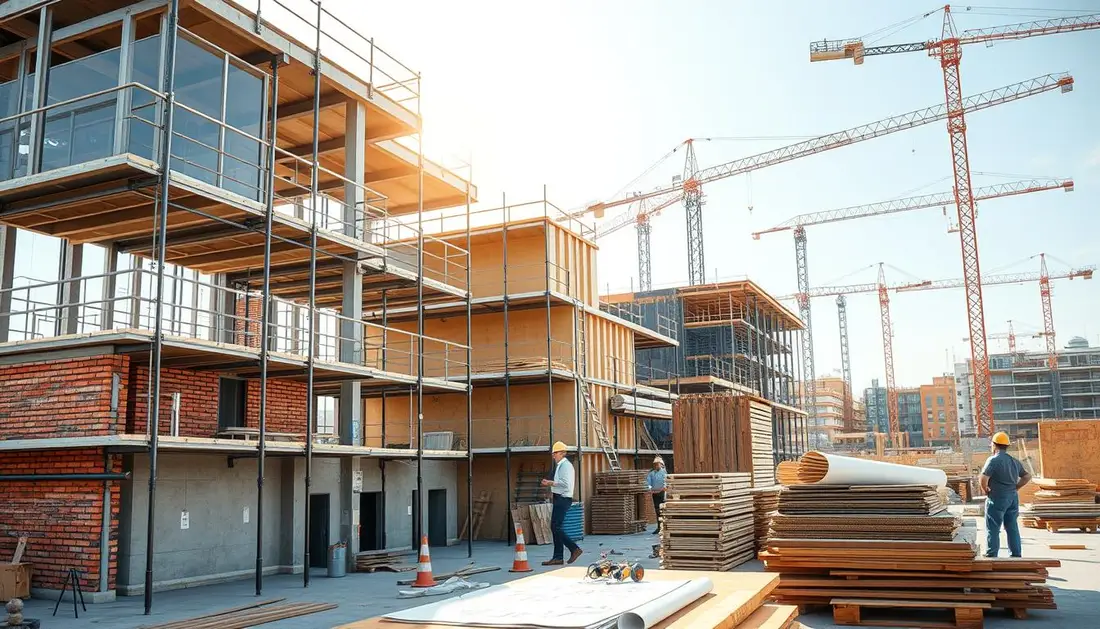
Start by separating the core shell from the visible finishes. That split shapes the biggest decisions on materials, labour and timing.
We help you compare realistic figures, request quotes and confirm scope items in writing. Our aim is to give you practical, trustworthy guidance so your project stays on track and within budget.
Ready to take control of your costs? Read on for a pricing-first view that keeps surprises to a minimum.
Understanding what building prices include in South Africa
Most South African homeowners use a per-metre average to reach an early cost estimate.
Why the per-metre figure matters: municipal averages offer a quick way to set a realistic budget. For 2026, a small economic home typically starts at R9,500 per metre, while higher-spec homes rise well above that.
Several factors change the final price. Location within a municipality, material quality, site access and approvals alter the cost building your home.
Square-metre rates are a useful baseline, but costs beyond the shell — finishes, professional fees and contingencies — can shift your total budget. We help you break down these items so your estimate is practical.

| Type | Typical R/m² (2026) | Notes |
|---|---|---|
| Small economic home | R9,500 | Baseline municipal average for simple finishes |
| Mid-range home | R9,500 | Better finishes, moderate design complexity |
| High-end home | R15,000+ | Premium materials, bespoke design and higher labour |
Next step: compare local quotes and confirm scope in writing. Always consult professionals so your budget accounts for hidden costs and regional variance.
The role of our platform in your construction journey
We connect you to independent contractors and clear information so decisions stay practical.
Our platform provides straightforward pricing guidance and helps you compare options for your building project.
How it works:
- Use our quote request process to ask for up to three building quotes, or up to five options where available.
- We do not manage or employ builders; independent contractors handle site visits, final quotes and work.
- We supply the facts and tools you need to choose the right contractor for your specific needs.
Our aim is to simplify the quote gathering process so you can focus on design and quality.

| Service | Benefit | Typical outcome |
|---|---|---|
| Quote request process | Quick cost comparison | 3–5 comparable options |
| Pricing guidance | Realistic budget expectations | Fewer surprises on costs |
| Contractor info | Independent selection | Better fit for your project |
Trust our pricing guidance to help manage your budget and move your project forward with confidence.
Distinguishing between structural shell and finish items
Separating structural work from finish choices clarifies where most of your spend will fall. This helps you decide early on how much to allocate to core structure versus interior quality.
“The shell delivers the safe, weatherproof structure; finishes deliver the look and liveability.”
Shell components
Core elements are foundations, walls and roof structures. These form the essential structure of any construction and control long-term durability and weather resistance.
Site size and complexity influence labour and material cost for these structures. Garages or large storage areas raise the shell scope and budget.
Finish selections
Finishes define interior quality — tiling, sanitaryware and internal doors are typical examples. Choices here change the feel and final price more than the shell once structure is set.
Tip: plan allowances for finishes so quotes are comparable across contractors.
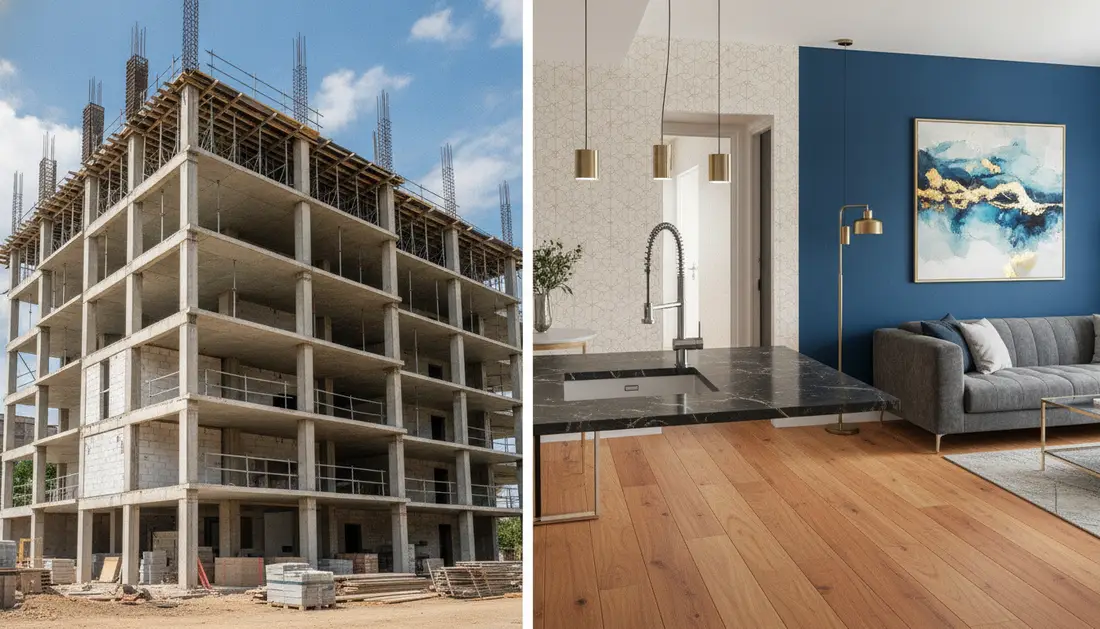
| Shell items | Finish items |
|---|---|
| Foundations | Tiling (standard allowance R250 per square metre) |
| Load-bearing walls | Sanitaryware (PC sum) |
| Roof structures | Internal doors and joinery |
| Openings: windows & door frames | Surface finishes: paint, skirting |
- The shell secures the structure; finishes set the interior quality and design.
- For example, a larger size or complex roof raises cost across both shell and finishes.
- We provide standard allowance examples so you can compare per square quotes fairly.
How property estate specifications influence your budget
Estate rules can silently push your project costs higher than a simple quote suggests.
Many South African property estates set strict architectural guidelines. These often demand specific roof styles, window types and higher material quality. Such rules transform a standard build into a customised job and raise the overall cost.
Key factors to check early:
- Material quality standards that force premium fixtures and finishes.
- Mandated roof and facade designs that increase labour and materials.
- Window and door specifications that limit cheaper options.
- Location-specific levies or approval fees inside gated estates.
When you choose a plot inside a managed estate, budget for these extras. Our platform helps you map how estate-specific factors influence final price and lets you plan allowances correctly.
| Estate requirement | Typical effect on cost | What to plan for |
|---|---|---|
| High-quality exterior finishes | +5–15% on material spend | Allow higher PC sums for external cladding |
| Prescribed roof style | +3–10% on roof scope | Confirm roof type and labour rates early |
| Window/specified glazing | +4–8% on joinery budget | Check approved suppliers and quotes |
Tip: review estate architectural guidelines before finalising your budget so you avoid surprises and keep your project on track.
Navigating the difference between allowances and fixed costs
Knowing which costs are fixed and which are provisional keeps your budget realistic.
Fixed items are set in the contract. They cover the core structural shell and labour for major works. These line items give you certainty on part of the overall building cost.
Allowances, often called PC sums, are provisional. They estimate spend for choices you will confirm later, such as sanitaryware, tiles or kitchen cupboards.
Understanding PC sums
For example, a builder may list a PC sum of R15,000 for kitchen cupboards. You can select cupboards that cost more or less, and the final price is adjusted accordingly.
Keep allowances clear in writing. Confirm each PC sum and note whether it covers supply, delivery and fitting. This avoids disputes and keeps your budget under control.
| Item | Type | Typical amount | Impact on final cost |
|---|---|---|---|
| Foundations & structure | Fixed | Contract sum | Stable, agreed cost |
| Kitchen cupboards | PC sum | R15,000 (example) | Adjusted by your selection |
| Sanitaryware | PC sum | R8,000 | Can raise or lower final price |
Our platform helps you manage PC sums and track allowances so the final building costs match your expectations.
Essential professional fees to factor into your plan
Professional fees are a predictable portion of your overall project budget and deserve early attention.
Architectural costs
An architect typically charges up to 8% of the construction cost to design and manage planning documentation. This fee covers concept design, drawings and submission to local authorities.
Engineering requirements
A structural engineer usually charges around 2% of the total construction cost. Their work keeps your site safe and ensures compliance with local regulations.
Quantity surveyor roles
A quantity surveyor helps control costs and can charge up to 4% of the construction sum. They provide tender documents, cost reporting and variation control.
- Plan for these fees early so your overall building budget remains realistic.
- These professionals protect the design quality and long-term value of your project.
- We provide guidance on typical fee ranges so you can compare quotes and confirm scope in writing.
“Including professional fees from the start reduces surprises and keeps your budget focused on quality.”
Labour costs and their impact on the total project
Skilled labour drives both cost and quality on site, so it deserves early attention in your budget — and it is one of the factors the team behind the data weighs when building each guide.
Typical share: labour usually accounts for 25–30% of total construction spend in South Africa. That share can rise with complex layouts or specialist trades.
The labour component is often priced per square metre, depending on the size and complexity of your plan. Your contractor manages the team on site and aims to deliver work on time and to the required quality.
Location and the local availability of skilled workers are key factors. Remote sites or areas with high demand for trades can push labour rates higher. Delays add time and extra labour cost, so efficient site management matters.
Discuss labour early: confirm who supplies trades, how rates are calculated and whether overtime is anticipated. Our platform provides guidance so you can see how labour affects overall building cost and plan contingencies with confidence.
“Quality labour is an investment in the longevity of your project — choose an experienced contractor who manages time and workmanship well.”
| Item | Typical range | Impact |
|---|---|---|
| Labour share | 25%–30% | Main variable after materials |
| Per square calculation | Depends on size & complexity | Helps compare contractor quotes |
| Location & availability | Variable | Can raise hourly and overtime rates |
Regional variations in construction pricing
A simple three‑bedroom plan will cost very differently in KwaZulu‑Natal than in Limpopo.
KwaZulu‑Natal is the most expensive province, with an indicative build of around R2,505,000 for a typical house of modest size.
By contrast, North West and Limpopo offer more affordable options. Regional costs shift mainly because local labour, the availability of materials and municipal fees change by area.
“Location is one of the largest single factors that shapes your final price.”
How to use this: check the average rate per square metre for your province when you prepare an estimate. For indicative ranges, see building cost per square metre.
- Compare per square metre figures for like‑for‑like scope.
- Factor in size, local fees and supply logistics when you review quotes.
- Use our platform to compare regional prices so you make an informed choice.
Tip: confirm municipal approvals and site‑specific factors early; they change the building cost and final estimate.
The importance of site access and preparation
Good site access and careful preparation cut delays and hidden costs before construction starts.
Proper preparation gives a stable foundation for your house, garage or storage structure. Clearing, grading and excavation vary with soil type and the size of your plot.
If access is difficult, deliveries of materials such as windows, doors and structural steel cost more. Small sites or tight openings need special plant or offloading, which raises the overall cost.
For example, a sloping site that needs major earthworks will add both labour and machinery expenses compared with a flat plot with easy access.
How we help: we explain how site factors affect per square and total cost so you budget realistically. Discuss access and required equipment with your contractor early to avoid delays.
“A well-prepared site keeps the programme on track and reduces surprises during construction.”
| Site factor | Typical impact | What to plan for |
|---|---|---|
| Easy access, flat site | Lower mobilisation & delivery costs | Standard plant; typical material deliveries |
| Steep slope or poor soil | Higher excavation and stabilisation costs | Geotechnical advice; earthworks budget |
| Tight access or narrow openings | Extra handling for windows and structural items | Crane hire or offsite assembly; confirm costs |
| Remote location | Increased transport of materials and labour | Allow for longer delivery times and higher rates |
Managing unexpected developments and contingency funds
Unexpected issues on site often surface after excavation or when services are opened up.
Set aside 10%–15% of the total construction cost as a contingency. This reserve helps you manage extra costs linked to design changes, unforeseen ground conditions, or sudden shifts in the price of roof tiles and windows.
Use the fund for practical options: adding doors, upgrading plumbing, or changing interior finishes without halting the schedule.
Discuss contingency handling with your contractor and ensure the contract shows a clear process for changes and approvals. That reduces disputes and keeps time and labour under control.
“A planned contingency keeps your budget realistic and your project progressing when surprises occur.”
- Decide the contingency percentage based on the size and complexity of your structure.
- Use our platform for realistic cost guidance and an informed estimate of likely additional fees.
- Record variations and approvals in writing so your final price reflects agreed changes.
Critical items to confirm in your building contract
Treat the building contract as your chief risk‑management tool for costs and workmanship. A clear agreement keeps responsibility and expectations visible throughout the project.
- Scope of work: list all structural elements, finishes and the installation of doors and windows so there is no ambiguity.
- Payment schedule: link payments to practical construction stages, not arbitrary calendar dates.
- Contractor registration: confirm NHBRC registration and that the contractor carries required compliance documents.
- Materials list: itemise materials and specified quality so substitutions are controlled.
- Programme dates: state start and completion dates for the building project and penalties for unjustified delays.
- Warranty terms: set warranty periods for both structural work and finishes supplied by the contractor.
- Variation process: define how changes are approved, priced and recorded to prevent disputes.
- Lien waiver: include a waiver or proof of payment process to protect you from third‑party claims.
Tip: keep the contract with annexed specifications and PC sums so your final cost reconciliation is straightforward and verifiable.
Financing your project through a building loan
Securing staged finance keeps cashflow steady while your project moves through foundation, frame and finish phases.
How a building loan works: lenders release funds in phases as each construction stage is inspected and certified. That protects both you and the contractor and helps manage overall costs.
Qualification basics: you must be at least 18, hold a good credit record and supply your architect’s plans.
- Banks require a signed contract with a registered contractor and a lien waiver.
- A 10% deposit is common; 100% bond options may be available to reduce upfront cash needs.
- Your contractor must be NHBRC-registered for most bond approvals.
Our platform explains the loan process and helps you compare options from reputable home-loan providers. We recommend you consult a lender early so fees, draw schedules and conditions are clear before work starts.
| Requirement | Typical detail | Why it matters |
|---|---|---|
| Architect plans | Approved drawings and specification | Required for loan approval and stage inspections |
| Signed contract | Contractor scope and payment schedule | Links drawdowns to progress, limits disputes |
| Deposit / bond | 10% deposit; 100% bond option | Determines upfront cash and bond size |
| Contractor registration | NHBRC registration | Mandatory for lender acceptance in most cases |
Comparing the costs of building versus buying
Deciding between a new home and an existing property changes your immediate cash outlay and long-term running cost.
Short term: building a new house typically costs 20%–30% more than buying an existing home. That higher upfront building cost covers modern materials, contractor staging and customised design.
Long term: you avoid transfer duty and many administrative fees when you erect a new property. New homes often demand less maintenance and meet current energy standards, lowering running costs.
“A new home often costs more initially but can save on repairs and taxes over time.”
Consider these points:
| Factor | Effect | How to assess |
|---|---|---|
| Initial costs | +20%–30% vs resale | Compare per square and total quoted sums |
| Running costs | Lower maintenance & energy use | Check material quality and warranties |
| Size & layout | Optimise space to suit needs | Confirm final plan and scope in writing |
Our platform helps you weigh construction costs, quality and long-term maintenance so you can decide whether to buy or build for your needs.
Evaluating material quality and design complexity
Material choices and design detail set the tone for both cost and long‑term value on any South African project.
Higher quality materials — from roof tiles to internal finishes — raise the initial price but often reduce future maintenance. Choose durable windows, solid doors and reliable plumbing to protect value over time.
Design complexity also affects labour and materials. Wide openings, unusual roof lines or bespoke structures increase hours on site and the per square cost of specialist work.
Consider size and location as practical factors. A larger footprint or a remote site can change transport, plant hire and average labour rates. A high‑end garage or dedicated storage area will demand different material standards than a standard residential interior.
How we help: we map these factors so you balance design aims and budget. Discuss choices with your contractor and confirm agreed materials and finishes in writing.
- Tip: compare per metre and per square allowances for like‑for‑like scope.
- Keep a watch on openings, fittings and plumbing as they lift both labour and building costs.
Essential checks for your construction agreement
Before you sign, read the contract line by line so you understand each obligation and timing for the works on your site.
Confirm professional fees — ensure the architect and engineer fees are listed and show whether they are fixed or charged as a percentage. Also check any additional fees for specialist reports or approvals.
Verify contractor credentials and registration. The agreement must state the contractor’s registration, insurance and who is responsible for on‑site safety and protection of your property during work.
Check the programme and time allowances. The contract should show start and practical completion dates, milestone inspections and a clear process for extensions or delays.
Material quality and variations must be specified. Confirm the standard of finishes, and read the clauses that control changes to the original plan and how extra fees are handled.
Dispute and change process — a clear dispute resolution route is essential. Confirm how variations are priced and approved, and whether you can pause work if a disagreement arises.
- Ask a legal professional to review the document before signing.
- Keep all approvals and site plans annexed to the contract.
- Request written confirmation of any verbal promises from contractors or consultants.
Our platform provides the information you need to check these items and to compare quotes from contractors with confidence. Do these checks and you protect your property and your budget. This pairs naturally with comparing two or three quotes properly.
Finalising your project strategy with our pricing guidance
Confirming your final plan closes the loop between design intent and actual cost.
Use buildingpricessouthafrica.co.za to refine your project strategy and check your budget against local construction and prices data. A short final review helps you lock choices and avoid late changes.
We supply clear information and estimate tools so you can compare finishes, materials and options. This keeps quality high and the final price predictable.
Next step: review your plan one last time, confirm allowances in writing and contact us for tailored guidance on the process. We support projects across South Africa and help you move forward with confidence.
FAQ
What does a structural shell cover versus finishes?
The structural shell covers foundations, load-bearing walls, roof structure, external cladding, basic windows and external doors. Finishes are internal plastering, floor finishes, joinery, sanitaryware, kitchen units and painting. Shell items fix the building’s form and weatherproofing; finishes determine look, use and final cost.
How do allowances and scope assumptions work in a quote?
Quotes often include allowances (PC sums) for items not yet selected, such as tiles, fittings or kitchen units. These are budget estimates; final selections can raise or lower the total. Confirm which items are allowances and get costs for chosen finishes before signing a contract.
Which professional fees should I budget for?
Budget for architect fees, structural and civil engineers, and a quantity surveyor if you want detailed cost control. Typical fees vary; architects charge by percentage or fixed fee, engineers per design stage, and QS for detailed estimating and cost reporting. Ask for fee estimates early and include them in your project budget.
How does labour affect the overall cost?
Labour is a major portion of any build and varies by region, the complexity of work and contractor rates. Skilled trades (bricklaying, plumbing, electrical) cost more than general labour. Longer projects increase labour overheads, so efficient programming and clear scope reduce time-related labour costs.
Do regional differences change the price per square metre?
Yes. Prices differ between provinces, urban and remote areas due to labour availability, material transport and local market demand. Expect higher per-metre costs in major metros and remote coastal or mountain sites where access is difficult.
What site access and preparation costs should I expect?
Site work can include clearing, level changes, access roads, retaining walls, drainage, temporary fencing and services connection. Difficult or restricted access increases plant and labour costs. Confirm site-prep assumptions on the quote and allow for additional fees if the contractor must bring specialised equipment.
How much contingency should I set aside for unexpected developments?
We recommend a contingency of 5–10% for straightforward projects and 10–15% for renovations or complex sites. Contingency covers unseen ground conditions, design changes, delays or price fluctuations for materials and labour. Keep contingency funds separate and use them only with documented change orders.
What critical items must be confirmed in the building contract?
Ensure the contract specifies scope of work, fixed sums versus allowances, payment schedule, start and completion dates, retention terms, warranties, variation procedures, insurance and dispute resolution. Confirm who obtains municipal approvals and whether materials are owner- or contractor-supplied.
Can I finance construction with a building loan?
Yes. South African banks and specialist lenders offer building loans that release funds in stages tied to work completed. Lenders usually require detailed plans, a builder’s contract and professional certificates. Understand interest during construction and ensure your cash flow covers staged drawdowns.
How do construction costs compare with buying an existing property?
Compare total land plus build costs against purchase prices of similar homes in your area. New builds give you control over layout and finishes but involve approvals, timelines and contingencies. Buying can be quicker but may need renovations. Do a full cost and time comparison before deciding.
How do material quality and design complexity influence costs?
Higher-quality materials, bespoke joinery, large glazed openings and complex roof or structural elements raise costs. Simple, repeatable designs with standard materials lower per-metre rates. Decide where to invest — durable materials in wet areas and long-life roofing often deliver better value.
What essential checks should I make before signing an agreement?
Verify contractor registration and references, inspect sample finishes, confirm warranties, check for municipal approvals and ensure the contract lists exact inclusions and exclusions. Ask for a detailed programme and payment milestones linked to physical progress.
How do estate or subdivision specifications affect my budget?
Estate rules can require specific facades, rooflines, material palettes, boundary walls and landscaping standards. These design controls often increase costs through prescribed finishes or additional approvals. Obtain estate design guidelines early and budget for compliance fees or mandatory infrastructure contributions.
What are PC sums and how should I manage them?
PC sums (Prime Cost sums) are provisional prices for items not yet selected. Treat them as placeholders: get quotes for your exact choices and instruct your contractor to produce cost-to-actual comparisons before proceeding. Lower-quality PC sum choices can lead to budget overruns when you upgrade.
What are typical roles of an architect, engineer and quantity surveyor?
Architects produce design, drawings and coordination. Engineers design structural and services elements and sign off compliance. Quantity surveyors prepare detailed cost estimates, manage tender documentation and control variations. Their combined input reduces risk, time and budget surprises.
How do roof, doors and window selections affect the quote?
Roof type and covering, door and window materials and sizes change both material and installation costs. Aluminium windows and large glazing increase prices versus standard timber frames. Durable roofing and sealed aluminium windows can lower long-term maintenance costs despite higher upfront expense.
What ongoing maintenance should I budget for after completion?
Budget for painting, roof inspections, gutter cleaning, sealing joints, servicing plumbing and electrical installations, and landscaping maintenance. High-end finishes or complex systems (underfloor heating, automated shading) require specialised maintenance and service contracts.
How do contractors price labour and materials in a quote?
Contractors combine material costs, subcontractor charges, direct labour, overheads and profit into a unit or lump-sum price. Some offer rates per square metre with assumptions about finishes. Always request a breakdown showing labour, materials, allowances and exclusions to compare quotes fairly. The other side of the comparison sits in common quote exclusions.
What should I confirm about timelines and penalties?
Agree a clear start date, practical completion date and liquidated damages or incentives for delays. Ensure the contract allows for extensions due to weather, supply delays or owner-driven changes. Clear milestones help manage expectations and cash flow.
How can your platform help me get accurate quotes?
Our platform connects you with independent contractors and helps you request up to three quotes, or up to five where available. We collect project basics — location, size, scope and preferred finishes — so contractors can provide comparable estimates. Final site visits and binding quotes remain the contractor’s responsibility. More about how we work is in how we compile our cost data.
What information should I provide to get a reliable estimate?
Provide the site address, plot size, floor area, sketch plans or a brief specification, preferred finishes, photographic references and any estate rules. The more detail you supply, the closer initial estimates will be to final costs and the fewer surprises at tender stage.
Are warranties and guarantees included in standard quotes?
Standard quotes should state warranties on workmanship and materials. Structural elements, waterproofing and specialised systems often have separate guarantees. Always obtain warranty documents in writing, including terms, durations and maintenance requirements to keep them valid.
Ready to compare?