North West Building Price Guide
Mining-belt pressure and rural logistics shape quotes in different ways
Quick answer
North West building prices – platinum-belt labour competition vs farming-district rates, with honest scarcity premiums explained.
Cities & areas

Cost topics
11 min read
On this page
Curious how far R9,100 per square metre will go on your next house project? We ask because the local cost landscape can change your plan and budget quickly.
Welcome to our platform, buildingpricessouthafrica.co.za, where our pricing guidance helps you see realistic costs before you start. When you build a new house in South Africa, knowing the local cost building picture keeps surprises to a minimum.
Every build has a simple process: define the plan, confirm the size, and check scope and finishes. We show how each choice affects the final price so you can compare quotes with confidence.
Use our data to budget smartly and avoid common pitfalls during the construction phase. Our aim is clear: give transparent insight for your project, whatever the size or complexity.
Understanding Building Prices North West
A clear cost-per-square baseline makes planning a new home far easier — use our pricing guidance to set expectations before you sketch a plan, alongside building costs by region.
For 2026, expect a starting rate of about R9,500 per sqm for a small, economic home. At the top end, high‑spec house finishes push the figure past R30,000 per square metre.
Key points to check:
- Our pricing guidance explains the cost per square metre baseline (from R9,500 for basic homes in South Africa).
- High‑end finishes will lift the per square cost towards R20,000 and change the final house price.
- Size matters — a 100sqm home will cost very differently to a 200sqm luxury house because materials and labour scale up.
- Whether you compare the north west or Cape Town trends, the cost per square remains your primary metric.
Use these figures to test budgets, compare quotes and align the scope and finishes with the realistic costs for your home.
The Economic Landscape of the Province
Local labour demand and seasonal weather shape the realistic timeline and cost of any new house.
Labour Scarcity in Boom Cycles
In the north west, mines often outbid local firms for skilled crews during boom cycles. That creates a scarcity premium and slows your construction time.
Industry surveys point to mid-single-digit construction inflation across South Africa. We track how this inflation lifts the cost per square and affects the cost building of a house on a mining estate.
We offer services to help you compare quotes and manage labour logistics so your property development remains viable.
Environmental Impacts on Scheduling
Extreme heat forces midday stoppages, altered pour times and longer cure periods. That adds per square delays and raises per-sqm labour intensity.
When you build in a rural province rather than in Cape Town, expect more time for material deliveries and on-site staging. These factors increase overall costs and extend the project schedule.
- Plan extra weeks for labour shortages and heat interruptions.
- Factor a scarcity premium into your cost per square metre.
- Use local services to reduce logistics risk on remote estates.
Key Factors Influencing Your Construction Budget
How far a rand stretches on your new home often depends on road access and material sourcing.
Material selection affects the cost per square metre quickly. High‑end finishes need careful sourcing. If supplies travel long distances to a rural site, the per square cost will rise.

Material Selection and Site Accessibility
Transporting bulk items to remote areas of South Africa adds haulage fees and extra time on site. That raises labour and delivery charges for the whole project.
Site condition matters too. Uneven terrain, steep access or lack of staging area increases earthworks and plant hire. Those items push up the final price of your house.
“Site accessibility is a major factor in your construction budget; plan access early to avoid costly delays.”
- Remote access increases haulage and handling costs per sqm.
- Complex designs and larger size need more labour and materials, raising overall cost.
- Compare suppliers near Cape Town and the north west to reduce logistics spend.
| Factor | Typical impact | Example effect |
|---|---|---|
| Road access | Medium–High | Extra truck hire adds R2,000–R8,000 per delivery |
| Material choice | Low–High | Premium cladding raises cost per sqm by 10–30% |
| Site terrain | Medium | Earthworks and stabilisation add weeks and cost |
Our platform helps you factor these items into an honest budget. Plan site access early and you will save time and money on your house project.
Navigating the Mining Belt and Rural Market Split
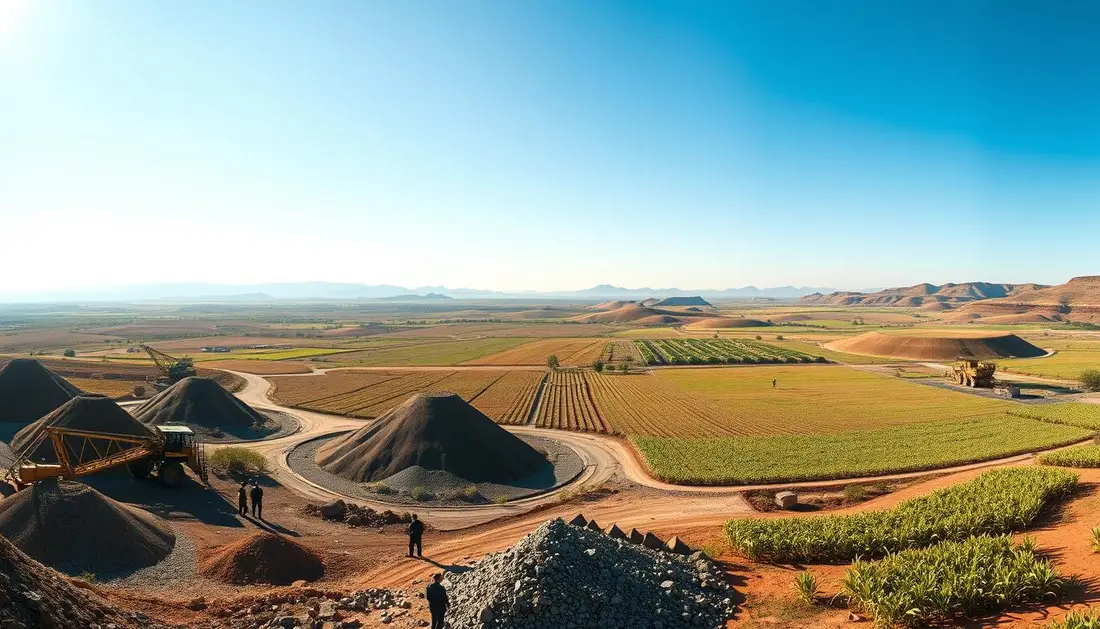
Where your land sits—near a busy platinum town or in a farming area—changes labour, material access and the overall price of your house.
The province divides into two distinct markets. Platinum‑belt towns have high demand, faster timelines and stronger competition for contractors. Farming districts are quieter, with lower immediate cost but longer delivery times for materials. Costs also vary by province — see building costs by province.

- We connect you with independent contractors who know local cost differences between mining estates and rural areas.
- The price of labour and materials varies and affects your total cost per square metre and final house cost.
- Compare local quotes to match your project size, estate location and desired finishes.
| Market | Typical cost drivers | Effect on project |
|---|---|---|
| Platinum‑belt towns | High labour demand; quicker procurement | Higher per sqm and shorter lead times |
| Farming districts | Lower local demand; longer haulage | Lower base cost but longer schedule |
| What to confirm | Local contractor availability; material access | Get written quotes and timeline estimates |
Understanding this split helps you decide where to source contractors and how to set a realistic budget for your home in South Africa.
Essential Professional Fees and Hidden Costs
Professional consultants and a contingency buffer are essential to protect your project from unexpected costs.
Architect fees typically account for up to 8% of the total construction cost. Factor this into your initial budget so designer scope and approvals do not push you over target.
We recommend a contingency of 10% to 15% to cover unforeseen events — site surprises, material substitutions or short-term labour premiums.
Professional Consultant Fees
Professional consultant fees include architects, structural engineers and certifying inspectors. These services keep your property compliant and safe.
- Architect fees: up to 8% of total construction cost.
- Engineers & specialists: charged per scope or on a percentage basis.
- Confirm in writing: inclusions, exclusions, payment schedule and warranties.
Contingency Budgeting
Set aside 10–15% as a contingency line. Use it only for genuine surprises and track spend against original scope.
“A clear contingency saves your cash flow and keeps your project on track.”
| Item | Typical allocation | Why it matters |
|---|---|---|
| Architect fees | Up to 8% | Design, approvals and contract documentation |
| Contingency | 10%–15% | Unknown site conditions, variations, short-term market moves |
| Consultant services | 2%–5% | Engineering, inspections and specialist reports |
| Contractor mobilisation | Variable | Advance costs for site set-up and logistics |
Our platform helps you account for these hidden costs so your total construction costs remain transparent. Engage qualified contractors and confirm all terms in writing to protect your investment, whether you plan works in Cape Town or elsewhere in South Africa.
Strategic Planning for Your Custom Build
Start with a focused plan and you give yourself the best chance of delivering a cost‑effective home on time.
Strategic planning is the most important step in the process. It lets you control the size, complexity and final cost of the house.
Our platform gives pricing guidance whether you plan a project in Cape Town or elsewhere in South Africa. We connect you with independent professionals who translate your brief into a workable build schedule.
“A well‑thought plan reduces surprises and keeps the project on budget.”
- Control size and scope: a tighter plan lowers material and labour spend per sqm.
- Manage time and costs: a realistic timeline prevents short‑term labour premiums.
- Design for efficiency: an energy‑led house lowers long‑term running cost on your property.
Whether on an estate or a rural plot, careful planning protects your money and delivers a house that works for you in South Africa.
Taking the Next Steps Toward Your New Home
Make confident decisions for your property by requesting targeted quotes from independent contractors today.
Visit buildingpricessouthafrica.co.za and request up to three quotes. Our platform helps you compare costs, timeline and scope so you can shape your plan with clarity.
Whether you are planning a renovation in Cape Town or a new build elsewhere in South Africa, our services deliver practical guidance. Confirm all project details, timelines and warranties in writing before any work begins.
Use our platform to compare quotes, manage your property development and keep your house project on budget. Take the next step and bring your home plan to life with the right professionals.
Explore these guides
Where we cover. Local cost guidance is available for building costs in Rustenburg.
Rate & topic guides. For the numbers behind a project here, see building cost per square metre north west.
FAQ
What are typical South African cost ranges per sqm for a new home in the North West mining belt versus rural areas?
Costs depend on scope and finishes. In the mining belt expect higher labour and access costs, so basic to mid-range homes typically start from low‑R10,000s to mid‑R14,000s per sqm. Rural projects with simple access and basic finishes can be lower, often from around R9,500 to R12,000 per sqm. Confirm whether quotes include foundations, services and VAT before comparing.
Which cost items most often push a project over budget in this province?
Major drivers are site access and earthworks, specialist labour shortages during local booms, upgraded materials and sanitary fixtures, extended project time, and unapproved scope changes. Professional fees, municipal services connections and contingency allowances also add to the final cost if not planned from the start.
How should I budget for professional fees and approvals?
Allow separate line items for architect or draughtsperson, structural engineer, land surveyor and municipal plan submission fees. Typical combined consultant fees range from 6%–12% of construction cost depending on complexity. Include municipal deposits and inspection fees and ask contractors what they will handle in writing.
How do material selection and finishes affect total project cost?
Finishes can double or halve the price per sqm. For example, laminated floors and standard tiling lower costs; engineered timber, porcelain tiles or custom joinery increase them. Ask for finish schedules and substitutions in the quote so you can compare like‑for‑like offers.
What should I confirm in writing when requesting quotes from contractors?
Confirm scope of work, price with a clear breakdown (labour, materials, provisional sums), start and completion windows, payment milestones, warranty terms, exclusions (eg. boundary walls, landscaping), and whether municipal connections are included. Request up to three quotes or up to five where available to compare reliably.
How do labour scarcity and local mining activity influence timing and cost?
When mining activity increases local demand, contractors raise rates and lead times lengthen. Labour scarcity also creates scheduling delays and higher overtime costs. Locking a start date and agreeing penalties or incentives in the contract helps manage timing risk.
What contingency budget is recommended for North West projects?
Keep a contingency of 7%–12% of the construction budget for known unknowns like site variations, material price shifts or minor scope changes. For remote or complex sites in the mining belt, consider 10%–15% to cover access upgrades and unforeseen ground conditions.
Can I save costs by managing parts of the project myself?
Yes. Owners sometimes manage the procurement of finishes or coordinate minor subcontractors to save on contractor mark‑ups. However, project management skills are essential to avoid costly delays and warranty issues. If you self‑manage, get written acceptance from the main contractor for interfaces and liabilities.
How does site accessibility affect quote accuracy and cost?
Poor access increases plant and transport costs, may require temporary roads or crane hire, and extends labour time. Contractors should visit the site before quoting; provisional sums for access works must be visible in the estimate so you know what will be charged if conditions are tougher than expected.
What approvals and service connections should I budget for in the province?
Budget for municipal plan approval, electrical and water connections, sewage or septic design and approvals, and any environmental or mining‑related permits where applicable. Connection charges and deposit amounts vary by municipality; request current fee schedules from your local authority early in the planning stage.
How can I compare quotes fairly across contractors?
Use a standard scope and finish schedule for all bidders. Check whether quotes are fixed price or provisional, whether VAT is included, and what exclusions apply. Compare lead times, payment terms, workmanship guarantees and whether contractors supply warranties for materials and labour.
Are there regional suppliers or brands you should consider for cost effectiveness?
Local building supply merchants and national hardware chains often offer competitive pricing and delivery to provincial towns. For specialised items, source multiple supplier quotes and ask contractors for trade‑discount options. Confirm product warranties and lead times when selecting brands.
What steps should I take next if I want accurate quotes for my site?
Prepare a clear brief and sketch with required size in sqm, preferred finishes, and any special site notes. Arrange a site visit for contractors, request up to three quotes (or up to five where available), and insist on written breakdowns that show labour, materials, provisional sums and timelines before signing any contract.
Start with certainty