Limpopo Building Price Guide
Distance, supplier movement, and off-metro site realities make averages harder to compare
Quick answer
Limpopo building prices – delivery surcharges by distance, off-grid services and heat scheduling for rural and town projects alike.
Cities & areas

Cost topics
15 min read
On this page
Curious which factors really drive the cost of your next house project in Limpopo? That question matters because small decisions on materials, access and travel can change your total costs very quickly.
Our platform at buildingpricessouthafrica.co.za gathers verified data from established firms with over ten years’ experience across Polokwane and Witbank, alongside others registered with the NHBRC and CIDB and operating across South Africa.
We offer clear, actionable guidance so you can understand labour, materials, transport and approvals. Our pricing guidance explains how regional access and supply chains affect the final sum you pay for a house or home renovation.
Use our quote request process to compare competitive estimates from experienced contractors who know local standards. This guide helps you avoid hidden costs and make smarter decisions for your property project.
Understanding Building Prices Limpopo
Local access and supply chains drive a large share of what you will pay for a new house — town sites with sealed roads and ready labour sit in a different band to deep-rural sites that need extra transport, a gap visible across our provincial price guides.
The NHBRC (National Home Builder’s Registration Council) enforces safety and quality across construction in south africa. Any new build must use an NHBRC-registered contractor to secure the statutory warranty for major structural defects.
- Verify contractor NHBRC registration before you sign.
- Expect higher logistics and site-prep costs on remote lots.
- Use our platform to compare realistic quotes for your house or home project.
| Location band | Typical cost drivers | Impact on price |
|---|---|---|
| Town (e.g. Polokwane) | Good access, local suppliers, steady labour | Lower transport & faster timelines |
| Deep-rural | Road access, long haul deliveries, temporary services | Higher logistics, contingency allowances |
| Result | Regional variations across south african sites | Plan budgets to reflect site-specific building costs |
Practical tip: confirm registration, ask for a cost breakdown and allow contingency for remote access. That simple step protects your budget and ensures the right quality and legal cover throughout construction.
Current Market Rates and Square Metre Estimates
Knowing the typical cost per square metre makes it easier to compare design and finish options. Start with clear per-square figures to set a realistic budget for your house project in south africa.

Standard Residential Costs
For a standard residential home, contractors in 2026 commonly charge between R11,000 and R14,000 per square metre. This range covers regular finishes, common roof and floor choices, and standard site works.
Luxury and Custom Finishes
When you raise the quality of finishes, the cost climbs fast. High-end designs and custom elements can push rates to R19,000 per square metre or more, depending on materials and complexity.
- Estimate by size: multiply the square metre rate by the house size to get a baseline cost.
- Factor in design complexity: bay windows, exposed timber, and bespoke cabinetry add labour and material expenses.
- Use a quantity surveyor: they refine material lists and give a reliable construction cost for your specific project.
| Category | Typical rate (R/m²) | Notes |
|---|---|---|
| Standard residential | R8,800 – R11,000 | Basic finishes, common layouts |
| Luxury / custom | R19,000+ | High-spec materials, complex design |
| Use our guide | Variable | Compare options to balance quality and expenses |
Practical tip: confirm the scope and inclusions in writing. That prevents surprises and helps you compare quotes across the south african market.
The Impact of Location on Construction Budgets
Where you place your house often dictates the largest share of your cost per square. Location affects access to materials, local labour rates and the effort needed for site preparation.
For example, Limpopo offers more affordable building options than Gauteng, with an average of R8,450 per square metre. That lower metre rate can be offset by higher transport and handling when your land is remote.
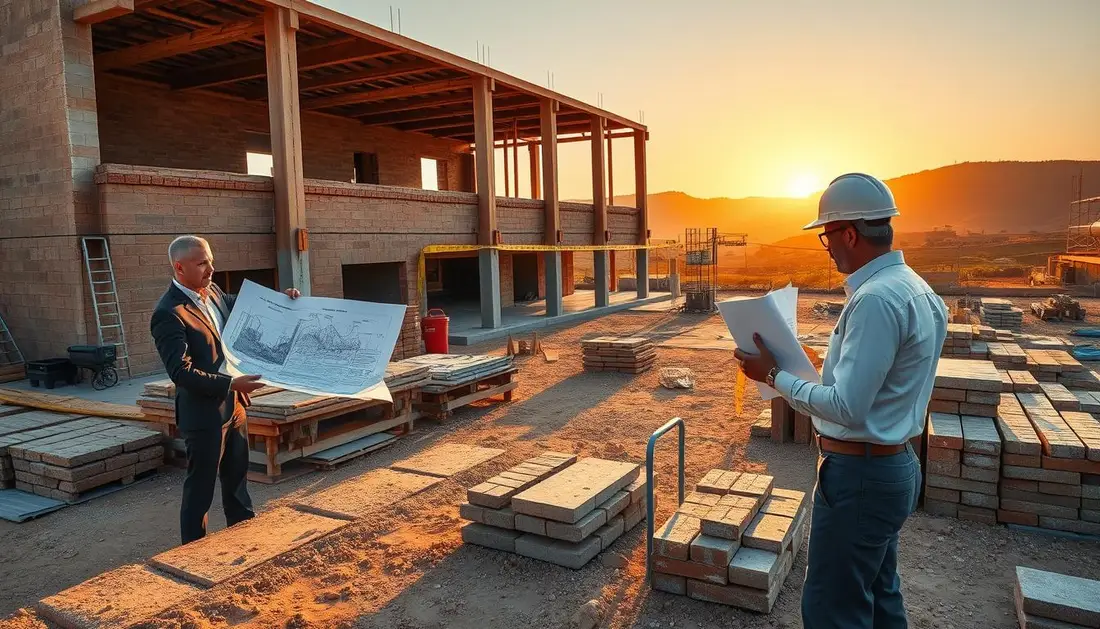
Key factors include road access, site slope and distance to regional suppliers. These influence foundation work, delivery fees and on-site storage costs.
- Town band: higher land value, easier access, faster timelines.
- Deep-rural band: lower local rates but higher haulage and setup expenses.
- Design interaction: complex designs raise site-prep and foundation costs on difficult terrain.
| Location band | Typical effect on cost | Practical note |
|---|---|---|
| Town centres | Higher land value; lower logistics | Expect higher per square rates but faster delivery |
| Deep-rural | Lower local rates; higher transport | Plan for haulage, storage and contingency |
| Province variance | Regional market shifts | Use local rates to set a realistic budget |
Practical tip: use our platform to compare quotes that reflect these regional differences across South Africa. That helps you match design, quality and cost to your project and avoid hidden expenses.
Environmental Considerations for Local Builds
Concrete and mortar need careful handling in warm climates to avoid early cracking and strength loss. Proper curing times in high heat are essential to protect the foundation and long-term quality of your house. That affects both construction schedules and overall costs.
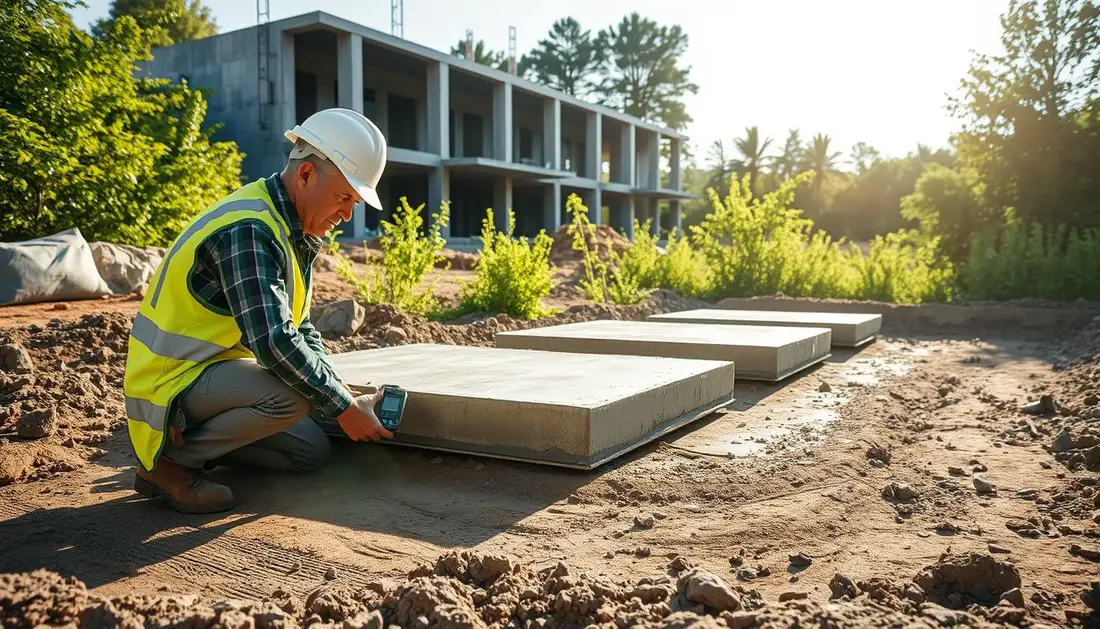
Managing Heat and Curing Times
High daytime temperatures reduce workable time for mixes and speed moisture loss. That can weaken concrete and cause shrinkage cracks.
Simple controls—shading, misting, and phased pours—help preserve strength and avoid repair expenses later.
- Include curing management in your budget because extra labour and water are common expenses.
- Termite treatment is a standard item for new homes here; plan for chemical barriers or treated timbers to protect foundations.
- Site-specific environmental factors will influence material selection and design to match local climate and durability needs.
| Factor | Typical effect | Practical note |
|---|---|---|
| Heat control | Longer labour, extra materials | Allow for shading, wet curing and adjusted work hours |
| Concrete curing time | Direct impact on structural integrity | Follow supplier guidance for curing durations in warm weather |
| Termite protection | Prevent timber and foundation damage | Include treatment costs in the initial quote |
Practical tip: discuss environmental treatments with your contractor early. That ensures these essential items are visible in the quote and prevents unforeseen expenses during or after construction.
Managing Logistics for Rural and Off-Grid Sites
Rural and off-grid sites require extra logistics that change both timeline and budget. You must plan essential services early so the project moves cleanly from site preparation to construction.
Key on-site systems include water, waste and power. Off-grid plots in south africa often need a borehole and a septic system. These items are not usually part of a town cost estimate and they affect per square and per square metre calculations.
Borehole and Septic Requirements
Installing a borehole or septic tank adds specialist work, tests and permits. Expect extra excavation, pipework and certificates. Specialist contractors deliver similar infrastructure for projects such as local pump stations and municipal facilities.
Generator and Solar Integration
Generator and solar options give reliable power on remote sites. Solar lowers running costs long term but needs storage and inverter work upfront. Generators add immediate resilience but increase fuel and maintenance expenses.
- Plan quotes that list borehole, septic and power items separately.
- Check contractor experience with off-grid installations before you sign.
- Factor distance and size of your property into total construction costs.
| Item | Typical impact | Practical note |
|---|---|---|
| Borehole | Drilling, pump, connection | Site test first |
| Septic | Excavation, tank, soakaway | Permit may be required |
| Power | Solar or generator setup | Balance capex vs running costs |
Practical tip: Use our quote request process to compare experienced contractors. That helps you control building cost and avoid surprise expenses on your property in south africa.
Essential Professional Fees and Administrative Costs
Professional services and municipal approvals typically add a clear layer of cost to any house project in south africa. Architects and engineers commonly account for about 25–30% of total construction costs for a new build.
Permits, planning fees and local taxes generally add another 1–5% to your budget. These items vary by location and municipal rules, so check requirements early.
Set aside funds for consultant fees, surveys and site assessments so these expenses do not become surprises. Ask for a written breakdown when you request a quote.
- Define professional fees clearly: request itemised costs for architects and engineers.
- Allocate 25–30%: this covers design, structural work, and contract administration.
- Allow 1–5%: for permits, inspections and other administrative expenses.
Our platform connects you with independent professionals so you can request quotes and compare them. Confirm that your project meets the relevant safety and quality standards, and get a realistic view of total costs.
Material Security and Delivery Surcharges
“Material theft and delivery add unseen line items that can shift your project budget quickly.”
Material theft and long-haul delivery surcharges are routine costs on many projects in South Africa. You should include these items when you set your budget.
Delivery surcharges are common for sites far from Polokwane or other regional suppliers. Longer haul distances increase fuel, driver time and handling fees. That raises your per square and per square metre cost estimates.
Provisioning for Site Theft
Material security is a critical aspect of building in South Africa. Protecting stock reduces re-order costs and schedule delays.
- Fencing and locked storage reduce theft risk and lower unexpected expenses.
- Security personnel or cameras add a regular fee but protect your materials and site progress.
- Remote land often needs stronger measures; the location dictates the level of protection.
| Item | Typical impact | Practical note |
|---|---|---|
| Delivery surcharge | Higher transport costs | Ask suppliers for distance-based fees |
| Security | Ongoing expense | Include in contingency |
| Replacement | Unplanned cost | Insure high-value materials |
Practical tip: discuss delivery fees and theft provisioning with your contractor before work starts. Use our quote request process to compare contractors who manage material logistics and keep your construction costs under control.
Balancing Design Complexity with Financial Goals
The complexity of a plan directly affects the per square costs and total project budget.
Complex homes — especially double-storey designs — need more labour, scaffolding and materials. That raises the per square metre rate and extends timelines. UNO Systems’ two decades in Polokwane shows specialist trades, like garage door automation, add targeted fees you should include.
Keep design choices focused on function first. Simpler layouts reduce waste, cut framing and roof work, and make it easier for contractors to give accurate quotes.
- Prioritise needs over wants: decide which finishes matter most to you and where you can save.
- Ask for itemised quotes: compare how size, quality and complexity change construction costs.
- Use our platform: request multiple proposals to find the best value for your project and budget.
By aligning size, quality and planning, you control expenses while keeping the standard of your house high. Our guidance helps you weigh options and make informed trade-offs so your property delivers long-term value.
Navigating the Quote Request Process
Start your quote request with clear plans so contractors can give accurate cost per square estimates.
Use our quote request process to connect with independent contractors across South Africa. Upload site plans, layout drawings and any authority forms before you request quotes.
When you submit your brief, include house size, desired finishes, access notes and unique site factors. That helps contractors price labour, materials and logistics more reliably.
- Get multiple quotes: compare the per square and per square metre figures and check scope and quality.
- Check the contract: it must name the contractor and homeowner, describe the property, list costs, work scope and a completion date.
- Confirm credentials: ensure contractors and architects are registered and have relevant experience for your location.
“Clear documentation reduces misunderstandings and keeps your budget and timeline realistic.”
Our pricing guide supports your planning from design to contractor selection so you can evaluate market rates and protect your budget.
Ensuring Quality Through Written Agreements
A practical contract gives you the right to pause work and sets the payment timetable in plain language. A clear, signed agreement is the first step to protecting your cost and quality expectations on any house or home project in south africa.
Defining Inclusions and Exclusions
List every inclusion and exclusion so there is no doubt about what the quote covers.
Be specific: name materials, finishes, site work and any provisional sums. Leave no room for assumptions.
- Itemise finishes, fixture brands and allowances per square or per square metre.
- Note exclusions such as landscaping, fencing or off-site services to avoid later disputes.
- Agree change-order procedures and approval limits in writing.
Payment Schedules and Warranties
Set payment milestones linked to clear deliverables and the right to stop work if payments or standards slip.
Include warranty terms for workmanship and materials, and specify defect periods, who remediate faults and any associated fees.
| Contract item | Why it matters | What to check |
|---|---|---|
| Inclusions / Exclusions | Prevents scope disputes | Signed, itemised list with brands and allowances |
| Payment schedule | Protects cashflow and quality | Milestones tied to inspections and deliverables |
| Right to stop work | Gives owner leverage | Conditions for suspension and remedies |
| Warranties | Ensures long-term protection | Specify warranty length, defects process and responsible party |
“A written, detailed contract saves time, money and stress during construction.”
Final Steps Toward Your Construction Project
**,**Confirming scope, quotes and credentials now saves time, money and stress during construction.
Building a house is a major investment. Many buyers choose a custom approach as a smart, long-term move in south africa’s market.
Take care with your cost per square and the square metre assumptions. Set a clear budget, list exclusions, and confirm timelines before you sign.
Next steps: use verified professionals, compare quotes and ask for itemised scopes to control cost and quality for your project.
Visit buildingpricessouthafrica.co.za to request quotes, compare contractors and start your building house journey with a clear plan for your home.
Explore these guides
Where we cover. Local cost guidance is available for building costs in Polokwane.
Rate & topic guides. For the numbers behind a project here, see building cost per square metre limpopo.
FAQ
What affects Limpopo building prices the most?
Distance from major suppliers and site access have the biggest effect. Longer delivery routes and poor access increase transport and labour time. Material choice, finish level, and roof type also shift costs significantly.
How do you estimate cost per square metre for a house in Limpopo?
Start with a clear scope: size, finish level, and structure. Use regional labour and material rates, add transport surcharges for remote sites, then include professional fees and contingencies. Get multiple local quotes to confirm a realistic per‑square‑metre rate.
What is a practical price range for standard residential work?
Standard homes using mid‑range finishes usually sit in a moderate cost band depending on site and design. Expect lower rates close to supplier hubs and higher rates where access, foundations or specialist trades are needed.
How much extra do luxury and custom finishes add?
High‑end finishes, bespoke joinery and complex architectural features can add 30–70% or more to a base rate. Custom glazing, imported tiles, and specialist plumbing or electrical work are the main drivers.
How does location within Limpopo change the budget?
Urban or peri‑urban sites benefit from shorter supply lines and a larger labour pool, reducing cost. Rural or mountainous sites increase transport, plant hire and possibly foundation work, which raises the budget.
What environmental factors should I plan for locally?
Heat affects concrete curing times and labour scheduling. Seasonal rains can delay earthworks and access. Include allowances for curing agents, shaded curing and flexible timelines in your programme.
How do you manage logistics for rural or off‑grid builds?
Plan deliveries to reduce handling, stage materials on secure hardstanding, and allow extra time for plant mobilisation. Coordinate with suppliers for bulk drops and confirm access permits for heavy vehicles.
What costs are typical for borehole and septic systems?
Borehole drilling and pump installation vary by geology; expect different quotes after a site investigation. Septic systems depend on household size and soil percolation results. Include soil testing and approvals in the budget.
Should I budget for generator or solar integration during construction?
Yes. Temporary generator hire or a small solar setup with batteries can keep works running on off‑grid sites. For permanent systems, factor in design, inverter, battery and installation costs early in the quote process.
Which professional fees are essential and what do they cover?
Allow for architect or draughting fees, structural engineer reports, NHBRC enrolment, and municipal plan‑submission fees. These cover design, statutory approvals and technical compliance; include them before contractor pricing.
How do material security and delivery surcharges affect the budget?
Remote or high‑theft sites often require secure storage, night security or guarded delivery — all add costs. Suppliers may levy remote delivery surcharges; confirm these before signing contracts.
How can I provision for site theft and vandalism?
Budget for secure fencing, lockable containers, insurance and a site watch service. Factor these costs into the contingency line rather than the main build line to keep accounts transparent.
How do I balance design complexity with my financial goals?
Prioritise which design elements deliver value: orientation for passive cooling, durable finishes in high‑use areas, and simpler rooflines to reduce cost. Use value engineering with your architect to meet aesthetic goals within budget.
What information should I provide when requesting quotes?
Supply clear drawings, a schedule of finishes, site access details, services availability, and any borehole or soil reports. The more specific you are, the more accurate the contractor quotes will be.
How many quotes should I request and why?
Request up to three independent quotes, or up to five where available, to compare price, scope and lead times. Multiple quotes reveal market ranges and help you spot under‑ or over‑priced offers.
What must be written into the contract to ensure quality?
Define inclusions and exclusions clearly, set a payment schedule linked to milestones, list agreed brands or equivalent standards, and include warranty terms. Require a completion certificate and snag list process.
How should payment schedules and warranties be structured?
Use staged payments tied to completed milestones — for example, foundations, roof, and practical completion. Retentions or defect periods are normal; get warranty and maintenance details in writing before work starts.
What final checks should I make before starting work?
Confirm site access, approvals, material lead times, and mobilisation dates with your contractor. Ensure written sign‑off on scope, inclusions, timelines and payment terms to avoid disputes once construction begins. Costs also vary by province — see province-by-province building costs.
Start with certainty