
Damp Proofing Costs in South Africa
Rising damp treatment priced per metre – DPC injection, replastering and the guarantees that matter
Quick answer
Damp proofing prices in South Africa – DPC injection and replastering costs per metre, what guarantees should cover, and the red flags.
Indicative ranges for planning — not a quotation. Final cost depends on scope, finish level, site access and area, and may exclude VAT and professional fees; confirm pricing in writing with your chosen builder.
Cost at a glance
| Finish / spec level | Indicative rate | Typical total |
|---|---|---|
| Chemical DPC injection | R650/m | R6 630–R8 970 |
| Injection + re-plaster | R1 100/m | R11 220–R15 180 |
| Tanking (severe) | R1 500/m | R15 300–R20 700 |
Indicative totals for a 12 m project · indicative 2026 guidance, not a quotation. Use the calculator below for your exact size, or request tailored cost guidance.
Instant estimate
Damp proofing calculator
Rising-damp treatment priced per metre of wall.
16 min read
On this page
Understanding the true cost matters: how much will it take to stop rising damp and protect your home?
At buildingpricessouthafrica.co.za we lay out realistic cost ranges so you can budget with confidence. Interior rising damp treatment typically runs from R450 to R1,100 per metre. Exterior work is usually between R350 and R890 per metre.
Why ask the question? Many homeowners under-estimate the damage caused by persistent moisture. Early action saves money and prevents structural harm to masonry and plaster.
Our platform explains the per square metre and per square charges you are likely to meet, and shows the value of professional waterproofing and correct treatment. You will see clear price guidance and what to confirm in writing before work starts.

Ready to compare costs? Read on to learn what affects price per metre and how to choose the right solution for your property.
Understanding Damp Proofing Prices South Africa
Transparent per square metre figures help homeowners compare quotes with confidence — and set damp work against the rest of all price guides when it is part of a wider renovation.
Protecting your home from moisture can range from R70 to R830 per square metre. The final price depends on the type of damp and how extensive the issue is.
Our pricing guidance explains typical cost drivers so you can budget without surprises.
- Per square billing reflects labour and materials for each square metre worked on.
- Our quote request process lets you compare several services and evaluate fair costs for your project.
- A clear cost breakdown per square metre helps you spot hidden charges before work starts.
Every property is unique. We summarise how different solutions are priced so you can weigh quotes from independent contractors with confidence.
Identifying the Source of Moisture
Knowing whether water rises from the ground or penetrates from outside is the first step; get it right and you avoid wasted work and extra cost. Treating the symptom instead of the source is a common reason why paint peels and flakes again within months.
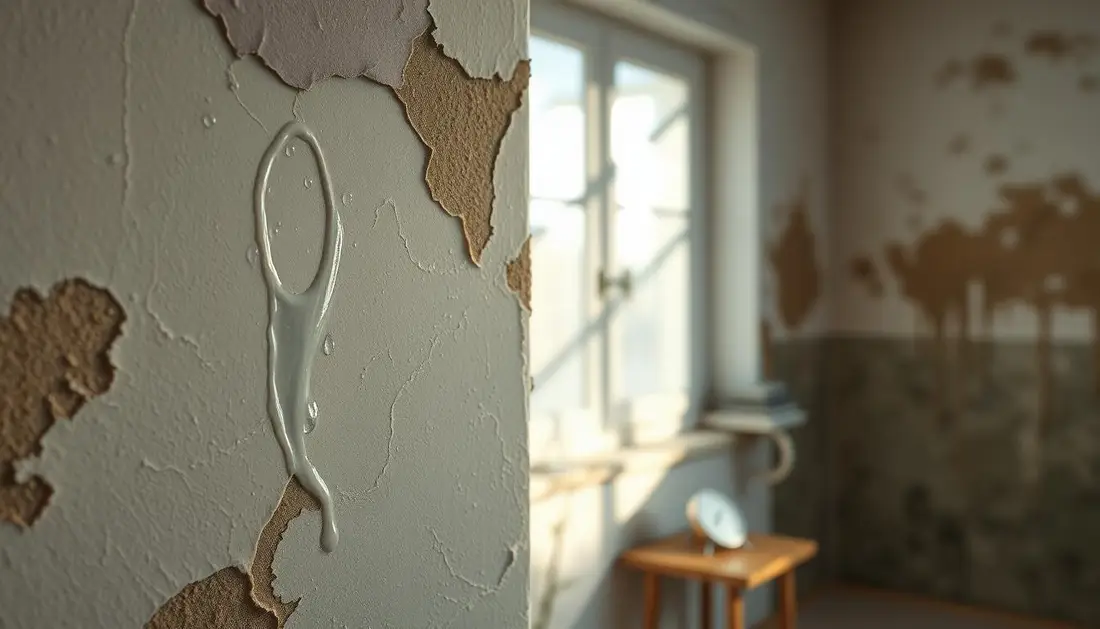
Signs of Rising Damp
Rising damp shows as a tide-mark near floor level, often with peeling wallpaper, salt deposits and crumbling plaster on interior walls. Where the damage runs deeper, learn to tell cosmetic from plaster cracks structural before you sign off repairs.
Distinguishing Penetrating Damp
Penetrating moisture comes from outside. Faulty gutters, cracked masonry or leaking roofs let water enter and cause wet patches higher on walls.
- Rising wetness usually follows a clear vertical line on the wall and starts at the base.
- External ingress often appears after heavy rain and can be localised around openings.
- Accurate diagnosis directs the correct treatments and long-term solutions.
| Issue | Typical sign | Likely cause |
|---|---|---|
| Rising wet | Tide-mark near skirting | Capillary action from ground |
| Penetration | Patches after rain | Faulty gutters or cracked masonry |
| Hidden moisture | Musty smell, blistering paint | Trapped water behind finishes |
Environmental Factors Influencing Damp in Coastal and Older Homes
Coastal air and old construction combine to raise moisture risk in older houses, and pre-1960 methods often lacked a modern barrier. It is one reason building costs in the Southern Suburbs can include more remedial work than a newer area. Costs also shift by province — see building costs in Southern Suburbs.

Many pre‑1960 homes used materials and methods that perform poorly in high humidity. The original quality of materials and the absence of a damp‑course mean frequent maintenance and specialised treatments are needed.
Why Pre‑Nineteen Sixties Housing Stock is Vulnerable
Coastal suburbs add salt air and persistent humidity, which accelerate degradation. That increases the chance of water ingress through brick, mortar and plaster.
- Older homes often lack a modern barrier and require targeted solutions.
- Salt and humidity speed up material breakdown and create ongoing moisture issues.
- Professional waterproofing and high‑performance coatings help protect the building.
- Regular inspections catch problems early and save on costly repairs later.
Understanding these environmental factors helps you choose correct treatments and keep your home secure and comfortable for years to come.
The Diagnosis First Rule for Effective Treatment
Before any work starts, identify the exact cause of moisture to avoid wasted budgets. A clear diagnosis is the single most important step in any repair project.
Why it matters: treating the wrong issue uses up labour and materials with no lasting benefit. That creates repeated costs and more damage to finishes.
Have an expert assess the wall and sub‑floor: professionals use moisture meters and visual checks to spot whether the issue is rising wet, external ingress or trapped water.

- The diagnosis‑first rule protects your budget and guides correct treatments.
- High‑quality preparation and the right materials only work when the source is known.
- Understanding the extent of the problem lets professionals give an accurate quote.
- Expert assessment reduces the risk of recurring issues by detecting hidden moisture.
| Action | Why it helps | Who does it |
|---|---|---|
| Moisture mapping | Identifies wet zones and severity | Qualified technician |
| Material inspection | Checks for salt, rot or failed finishes | Experienced assessor |
| Targeted recommendation | Matches treatment to the exact type | Registered professionals |
We recommend you request a diagnosis‑led service so the proposed work and materials match the true issue. This protects your investment and delivers long‑term quality for your building.
Interior Rising Damp Treatment Costs
Interior treatment costs vary widely depending on wall condition and access.
Typical cost range: interior rising damp work usually runs from R450 to R1,100 per metre. Quotes are often given per square metre or per square to reflect labour and materials.
- Costs are calculated per metre to cover specialised labour and materials for your walls.
- Common techniques include injecting a damp proofing cream into masonry and installing an internal membrane.
- Final price depends on extent of damage, removal of failed plaster, and the membrane type used.
- Work usually starts at ground level and aims to stop moisture rising and harming finishes.
- Professional services include preparation, salt neutralisation and re-plastering with moisture-resistant layers.
- When you request quotes, ensure the contractor specifies exact materials and methods for interior walls.
“Confirm the method, the materials and whether plaster removal is included before you accept any quote.”
| Method | Typical cost band (R/m) | Key benefit |
|---|---|---|
| Injection cream | R450 – R900 | Low disruption, treats masonry capillaries |
| Internal membrane | R700 – R1,100 | Strong barrier for finished walls |
| Plaster removal & renew | R800 – R1,100 | Addresses salt damage and ensures lasting finish |
Next step: Request a diagnosis‑led quote via our platform so you compare clear, written scope and avoid surprise costs.
Exterior Damp Proofing and Barrier Installation
A robust external barrier is often the most effective defence against rising moisture.
Typical cost range: exterior rising damp work is commonly charged between R350 and R890 per metre. Quotes are usually given per square or per square metre to reflect labour and materials.
Professional waterproofing of external walls uses chemical injections or physical membranes. Both methods stop water moving up the wall and protect finishes inside.
- Preparation may include removing loose render and cleaning the wall face so materials bond correctly.
- Choose high‑quality materials to avoid repeat work in harsh weather conditions.
- Confirm whether the quote covers labour, materials and reinstatement of finishes.
| Method | Cost (R/m) | Key benefit |
|---|---|---|
| Chemical injection | R350 – R650 | Low visual impact; treats masonry capillaries |
| Physical barrier / membrane | R650 – R890 | Longer lifespan; strong moisture block |
| Combined approach | R700 – R890 | Best for damaged walls and salt attack |
Our platform helps you compare fair quotes and check that the service includes all necessary work and materials. Investing in a quality exterior barrier prevents interior damage and reduces future repair costs. This pairs naturally with roof repair costs.
Wall Damp Proofing and Surface Preparation
Proper wall preparation sets the foundation for any lasting moisture defence. Wall damp proofing ranges from R600 to R1,200 per square metre depending on access, damage and finish required.
Plaster removal and salt neutralisation are essential first steps. Removing failed plaster exposes masonry so salts can be treated and removed. This prevents ongoing damage and ensures the new membrane bonds correctly.
Plaster Removal and Salt Neutralisation
The cost is typically quoted per square metre and covers labour for careful plaster removal and chemical neutralisation of salt crystals.
Ask for a written breakdown that lists plaster removal, salt treatment and disposal so you compare per square quotes accurately.
Application of Damp Resistant Membranes
Applying a membrane is specialised work. High-quality material and skilled workmanship create a durable barrier against moisture ingress, especially in bathrooms and ground-floor walls.
- Ensure the quote specifies the membrane type and warranty.
- Confirm preparation steps are included in the per square metre cost.
- Professional workmanship reduces the chance of repeat treatments.
“Comprehensive surface preparation makes the membrane effective and long lasting.”
| Item | Typical cost (R/sq metre) | Benefit |
|---|---|---|
| Plaster removal & salt neutralisation | R600 – R900 | Removes salts and readies masonry |
| Membrane application | R900 – R1,200 | Creates a continuous moisture barrier |
| Combined scope (prep + membrane) | R600 – R1,200 | Complete, long-term solution |
Factors That Influence Your Final Quote
The total cost you pay depends less on a single line item and more on several site-specific factors.
Scope and extent of damage drive the per square metre and per square figures. Deep salt attack or large areas of rising moisture need more preparation and specialist treatments.
Access and site conditions affect labour time. Hard-to-reach walls, scaffolding or restricted access increases the metre rate and overall cost.
- Material quality and the type of waterproofing selected change the per square metre range.
- Preparation work — plaster removal, salt treatment and surface levelling — is a significant cost contributor.
- Local labour rates and regional variations influence final prices and timing for the work.
Get a contractor to inspect the area so quotes reflect the true extent and avoid surprises. Ask for a written breakdown that lists materials, preparation and labour per metre.
“A comprehensive quote should show the scope, materials and access allowances so you compare like for like.”
| Factor | How it affects price | What to request in the quote |
|---|---|---|
| Extent of damage | More prep and repairs raise per square metre cost | Itemised prep, repairs and metre rates |
| Access / site | Scaffolding or tight access adds labour hours | Allowance for access and any extra charges |
| Materials & finishes | Premium membranes or coatings increase cost | Brands, warranties and material specs |
| Contractor assessment | Qualified diagnosis avoids repeat work | Recommendation and scope based on inspection |
The Role of Professional Assessment and Thermal Imaging
An expert inspection is the fastest way to confirm the source and extent of moisture before work begins.
Professional assessment is the most reliable route to identify the cause of rising damp and related problems. Experts combine visual checks, moisture meters and thermal imaging to locate hidden wet areas without damaging your walls.
Thermal cameras reveal cold or wet zones behind finishes. That information lets contractors propose targeted treatments, the right membrane or barrier and a clear scope per square metre or per square.
- Cost-effective diagnosis: spending on an assessment often saves money by preventing incorrect work.
- Clear scope: professionals provide a written report showing extent, recommended solutions and metre rates.
- Targeted treatments: thermal imaging supports accurate preparation and material choice for interior and exterior work.
| Assessment tool | What it shows | Benefit to project |
|---|---|---|
| Thermal imaging | Hidden moisture paths | Targeted treatment, less intrusive work |
| Moisture meter | Severity at wall surface | Accurate extent for costing per metre |
| Visual inspection | Damage and salt deposits | Defines preparation and material needs |
Request a detailed report so you understand the recommended solutions, the expected workmanship and the range of costs. A proper assessment ensures the chosen barrier, membrane and materials match the issue and the area to be treated.
Essential Criteria for Selecting a Qualified Contractor
Choosing a contractor affects the outcome, the final cost and how long the solution lasts. Use a simple checklist to compare quotes and protect your investment.
Verifying Credentials and Insurance
Always ask for certification and public liability insurance. These protect you if something goes wrong during the work.
Request ID, company registration and proof of insurance before you accept a quote.
Assessing Previous Workmanship
Review portfolios and speak to referees about similar projects. Look for clear examples of interior and exterior work, material choices and long‑term results.
Evaluating Communication Standards
Good communication means clear timelines, agreed payments and written warranties. If the contractor is slow to respond, that shows in site management too.
“Confirm inclusions, exclusions, timelines, payments and warranties in writing.”
| Check | Why it matters | What to request |
|---|---|---|
| Credentials | Reduces liability | Copies of certificates & insurance |
| Workmanship | Shows quality | Photos, references, recent site visits |
| Communication | Keeps project on track | Written scope, per square metre rates, payment schedule |
- Our platform helps you get comparable quotes, but you must verify the contractor for your project.
- A clear breakdown of materials and labour shows the true metre and per square cost for chosen treatments.
The Guarantee Checklist for Peace of Mind
A written guarantee is the single document that turns a contractor’s promise into lasting protection.
Use this checklist to check what you receive with any per square or per square metre quote. This pairs naturally with what painting per square metre costs.
- Confirm the length of cover — many warranties run up to 10 years for materials and workmanship.
- Ensure the guarantee names the work covered, including surface preparation and membrane application.
- Ask whether third‑party interference, later alterations or unauthorised repairs will void the scheme.
- Check whether the guarantee includes labour to correct future damage and who meets the price of remedial work.
- Keep all documents, receipts and the contractor’s written scope to support any future claim.
| Item | What to confirm | Typical note |
|---|---|---|
| Length | Years covered | Up to 10 years |
| Coverage | Materials & workmanship | Includes preparation and interior treatment |
| Exclusions | Void conditions | Third‑party interference commonly excluded |
“Peace of mind comes from a clear guarantee that matches the scope, metre rates and quality of work.”
Securing Your Property Investment Through buildingpricessouthafrica.co.za
Good solutions combine diagnosis, quality materials and clear written quotes.
Secure long‑term value by choosing the right waterproofing and preparation for interior and exterior walls. Professional treatment protects your home from rising damp and long‑term damage. This pairs naturally with waterproofing costs.
Use our platform to request clear quotes and compare services. We connect you with contractors who list scope, materials and workmanship so you can judge quality before work begins.
Key benefits: better air, stronger structure and fewer future repairs. Start your project with proper preparation and high‑quality materials to get lasting results.
Request quotes today at buildingpricessouthafrica.co.za and secure your property investment with trusted services.
FAQ
What does “Rising damp treatment priced per metre” typically include?
Treatment priced per metre usually covers diagnosis, removal of compromised plaster to appropriate height, installation of a chemical or physical damp barrier through the wall, salt neutralisation, and re-plastering or applying a damp-resistant finish. Labour, materials and basic site preparation are included, but specialised access work, structural repairs or full external waterproof membranes are usually extra. It reads well alongside what plastering per square metre costs.
How do you tell if moisture is rising from the ground or coming from another source?
Look for a horizontal tide mark on the wall, peeling paint or bubbling plaster at low to mid-height and rising salt deposits. Penetrating moisture shows local stains from outside, often near rooflines, windows or cracked pointing. A professional assessment with probes or thermal imaging gives a reliable diagnosis before treatment.
Are older, pre-1960s homes more at risk and why?
Yes. Older masonry often lacks a built-in damp course, uses softer bricks and lime mortars, and may have higher salt content in renders. Combined with degraded membranes and substandard ground drainage, these factors increase the chance of moisture migration through walls and floors.
What environmental factors on the coast increase the chance of moisture problems?
Coastal exposure brings higher ambient humidity, salt-laden wind and aggressive chloride attack on mortar and coatings. These accelerate material decay, reduce the effectiveness of older barriers and can force moisture further into masonry, making thorough assessment and higher-spec materials essential.
Why is a diagnosis-first approach important before any treatment?
Treating symptoms without finding the source wastes money and can cause repeat failure. A diagnosis identifies whether the issue is rising damp, penetrating moisture, condensation or plumbing leaks. The correct remedy depends on this, and professionals will recommend targeted solutions and accurate costings only after inspection.
What does interior rising damp treatment cost include and exclude?
Interior work commonly includes plaster removal, chemical or physical damp-course installation, salt treatment and re-plastering with a salt-retardant finish. Exclusions may be external excavation, structural repairs, gutter or drainage replacement, tiling works and specialist finishes — these are quoted separately. It reads well alongside roof replacement costs.
When is exterior barrier installation necessary and what affects the cost?
External barrier or membrane installation is needed when internal measures aren’t viable, where ground levels are high, or where external water ingress is evident. Costs rise with excavation depth, landscaping repairs, access constraints and the length of wall affected. Coastal locations and harder ground increase labour and material needs.
How much preparation is required before wall treatments can start?
Walls often need full or partial plaster removal to below the damp line, mechanical cleaning to remove salts, and a competent substrate before new renders or membranes are applied. Proper preparation prevents recurring salt migration and ensures a durable finish, though it adds to labour and waste disposal costs.
What is involved in salt neutralisation and why does it matter?
Salt neutralisation removes hygroscopic salts drawn into plaster by moisture. Specialists use mechanical removal, chemical poultices or breathable sealing systems to stop salts reappearing through new plaster. It matters because untreated salts will cause paint and plaster to fail, wasting the investment in repairs.
Do damp-resistant membranes or tanking systems affect interior finishes?
Yes. Membranes and tanking create a physical barrier that changes how walls breathe. Installations must be paired with compatible renders, breathable paints or ventilated finishes. Incorrect finishes can trap moisture and shorten the life of the membrane, so confirm material compatibility with your contractor.
What factors have the biggest impact on the final quote?
Size of the affected area (metre rate), depth of preparation, type of barrier (chemical vs physical membrane), access and scaffolding needs, regional labour rates, required permits and the quality of finishes. Unseen structural or plumbing repairs discovered during work will also raise the final cost.
How can thermal imaging and moisture meters help during assessment?
Thermal imaging highlights cold and wet areas quickly, showing where moisture moves behind finishes. Moisture meters give readouts of relative moisture content at various heights. Together they support accurate diagnosis and help contractors scope work and produce more reliable quotes.
What should I check when selecting a contractor for this work?
Verify valid CIDB or industry-relevant registration where applicable, public liability and workmanship insurance, references and photographic examples of similar projects, and clear written terms including scope, materials, timescale and warranty. Good communication and a professional site inspection are essential.
How important are warranties and what should a guarantee cover?
Guarantees provide peace of mind but vary widely. A valid warranty should state the duration, what components are covered (materials and labour), exclusions such as latent structural defects, and any maintenance conditions. Ensure warranties are written on company letterhead and include contact details.
How can buildingpricessouthafrica.co.za help secure competitive quotes?
The platform helps you request multiple independent contractor quotes based on your brief. Use it to compare scope, materials and workmanship standards. Remember that final pricing requires a site visit; treat online estimates as indicative until contractors confirm after inspection. For the full set of cost guides, see building price guides.
Read & compare builder quotes with confidence
Before you weigh up prices, get fluent in what a building quote actually contains — inclusions, exclusions, provisional sums and the red flags that change the real cost.
- How to Read a Builder Quote
- Provisional Sums in Building Quotes
- Prime Cost Items in Building Quotes
- Building Quote Red Flags
- How to Avoid an Underquoted Building Project
- Questions to Ask Before Hiring a Builder
- Building Snag List Before Final Payment
- How to Compare Building Quotes Properly
- South African Building Terms Glossary
- Building Cost Inflation in South Africa
- Builder's Guarantees in South Africa
- Builder Payment Schedules and Deposits
- Building Contract Essentials
- When a Building Project Goes Wrong
Ready to compare?