
Ceiling Installation Cost Guide
Board type, bulkheads, insulation, height, finishing, and painting readiness all affect cost
Quick answer
Ceiling installation costs by board type, with cornices, bulkheads and insulation – and what a true paint-ready finish should include.
Indicative ranges for planning — not a quotation. Final cost depends on scope, finish level, site access and area, and may exclude VAT and professional fees; confirm pricing in writing with your chosen builder.
Cost at a glance
| Finish / spec level | Indicative rate | Typical total |
|---|---|---|
| Gypsum (rhinoboard) | R320/m² | R25 344–R32 256 |
| PVC | R420/m² | R33 264–R42 336 |
| Suspended / insulated | R520/m² | R41 184–R52 416 |
Indicative totals for a 90 m² project · indicative 2026 guidance, not a quotation. Use the calculator below for your exact size, or request tailored cost guidance.
Instant estimate
Ceiling installation calculator
Ceilings by area, board type and bulkheads.
11 min read
On this page
Curious which choices raise the price more: a simple board or a sculpted bulkhead? Welcome to our platform, buildingpricessouthafrica.co.za, where we give clear, practical guidance on ceiling installation costs South Africa homeowners face today.

Average rates range from R300 to R550 per square metre, depending on material and design complexity. We show how each option affects total cost so you can budget with confidence.
Our platform compares board types, bulkheads, insulation needs, height factors and finishing readiness. You get transparent pricing, typical labour considerations and reminders of what to confirm in writing.
Whether you plan a simple repair or a full design change, our data helps you request realistic quotes and choose the right product for your space.
Key takeaway 1: Expect R300–R550 per square metre as a general guide.
Key takeaway 2: Use our tools to compare types, labour and finishing to find the best price.
Understanding Ceiling Installation Costs South Africa
Project price depends on scope, site access and final material choice more than any single unit rate — start with the ceiling board types compared, since gypsum, PVC and rhinoboard sit at different price points.
We explain practical price drivers so you can compare quotes: rhino work starts from R300 per square metre, while bulkheads begin at R550 — and bulkheads and cornices explained shows why those detailed features cost more.
Prices depend on scope, site access, regional labour and your finishes, with complex designs and large areas raising the cost more than simple board work. A ceiling is also the obvious place to add ceiling insulation while the structure is open.
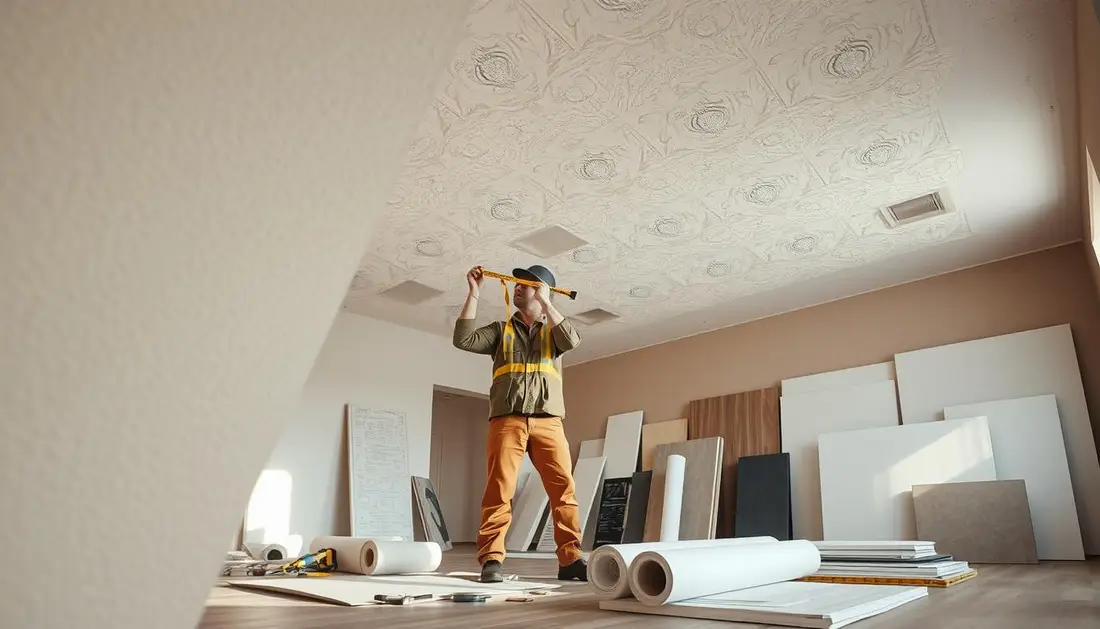
- Confirm in writing what the quote includes: labour, materials, finishes and VAT.
- Our guidance shows the average cost for a standard Rhino start at R300 per square metre, exclusive of extra finishing.
- Professional contractors will assess site access and design complexity to give an accurate price.
- Request multiple quotes via our platform to compare regional prices and contractor assessments.
Takeaway: Focus on the full scope and contractor assessment, not only on a single per-square rate, to avoid surprises.
Pricing Breakdown by Material and Design
Material choice and design detail drive the most noticeable shifts in the final price per square metre — compare the rate against the rest of the price guides hub when you plan the wider build.
Below we list typical price bands so you can compare options quickly. Use these figures to scope your project and request quotes.
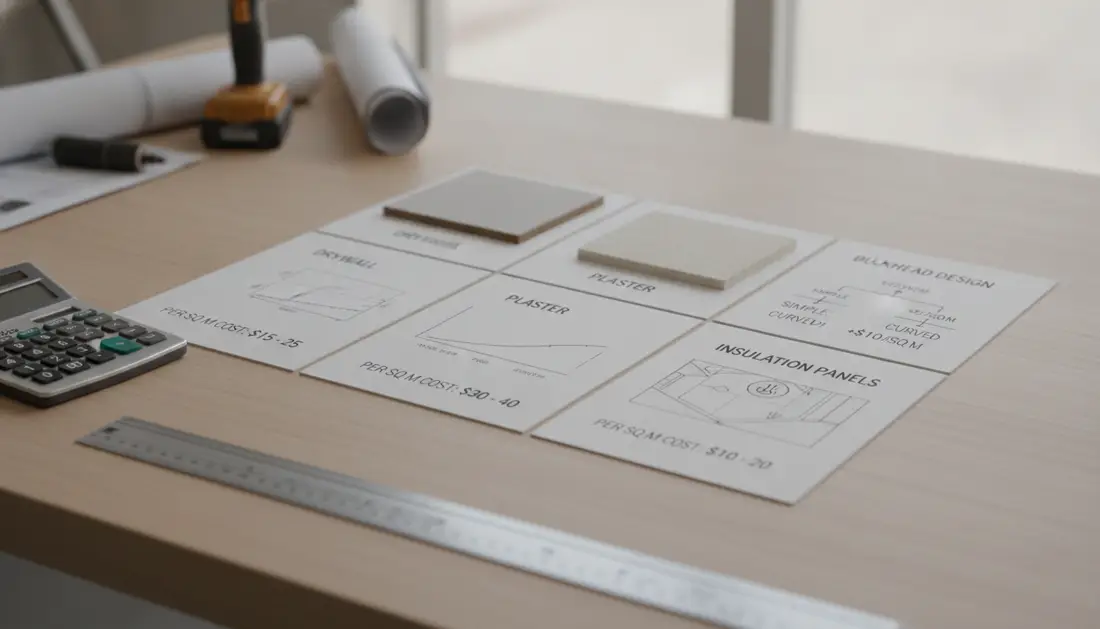
Gypsum and fibre-cement boards
Gypsum (Rhino) board work is commonly priced from about R300 per square metre for basic panels.
Rhinolite finish versions, ready for paint, start from R400 per square metre.
PVC and moisture‑resistant options
PVC panels suit bathrooms and kitchens and start from R350 per square metre. They are moisture resistant and low maintenance.
Cornice and bulkhead pricing
- Cornice fitting typically starts at R40 per metre to define wall-to‑ceiling joins.
- Bulkheads and sculpted designs begin from R550 per square metre due to added labour and complexity.
- Suspended ceilings remain a practical option for commercial spaces where access to plumbing and services matters.
Tip: Larger areas often attract better material rates. Always check what each quote includes for labour, finish and paint readiness.
Technical Requirements for Modern Ceilings
SANS energy regulations shape the thermal specs for new and renovated rooms and their overhead finishes.

Modern projects must comply with SANS energy efficiency standards that often set minimum insulation thickness to achieve required thermal performance.
Insulation and Energy Efficiency Standards
Typical options range from light mineral wool to denser batts. Thickness depends on roof type, roof void depth and local climate zones.
- Insulation above gypsum boards or ceiling tiles reduces energy use and lowers running costs.
- Suspended ceilings in commercial spaces can house insulation for both acoustic and thermal gains.
- Always check that chosen materials meet fire-resistance and thermal criteria in local building regs.
- Discuss insulation inclusion with your contractor — it can affect total cost per square and the final warranty.
Practical tip: Ask contractors to confirm insulation thickness and whether it is included in the quote before work begins.
Addressing Sagging and Water Damaged Ceilings
When panels droop or discolour, it’s often a sign of unseen structural or plumbing damage. Act quickly: visible bulges and wet stains rarely improve on their own and can worsen with time.

Identifying Structural Damage
If you spot a sagging ceiling or severe staining, contact a professional immediately. Sagging or bulging often means the framework or fastenings have failed.
Typical repair range for small to medium areas runs from R3 300 to R11 000, depending on the size and the level of structural work needed.
The Risks of Ignoring Mould
Water stains, bubbling paint and mould signal ongoing moisture. Left unchecked, mould damages finishes and risks health problems in homes.
- If damage is local and minor, a targeted ceiling repair may help; extensive sagging usually requires full replacement to be safe.
- Mould in wet rooms can be reduced by choosing moisture‑resistant PVC panels or higher‑grade gypsum with the right finish and paint.
- The primary factors that affect final price are the area size, damage complexity and additional labour or material replacement.
Practical note: Do not delay. An early assessment saves time and often lowers the average cost per square metre for the repair or replacement.
Factors Influencing Total Project Expenses
Your final bill depends on more than the per square metre rate — design, access and time matter.
Materials and labour form the bulk of the total project price. For small replacement jobs labour can range from R3 300 to R5 500, while larger projects reach up to R11 000.
Size and design complexity affect the per square figure. Larger areas often lower the per square metre price, but ornate designs or bulkheads raise the labour and finishing time.
Site access and region also shift the final quote. Tight roofs, upper-storey work or remote locations increase labour and the need for scaffolding or special gear.
- Compare quotes and ask for a materials and labour breakdown.
- Confirm whether insulation, paint readiness and any PVC or gypsum panels are included.
- Check timelines and payment terms in writing to avoid unexpected extras during the project.
Selecting the Right Professional for Your Project
Selecting a professional requires checks beyond the headline price to protect your home.
Always confirm your contractor is licensed, insured and has a solid reputation before any work begins. Ask for recent references and photos of similar projects to judge quality and consistency.
When using our platform request multiple quotes to compare services and prices from independent contractors. Each quote should itemise materials, labour, timeline and any allowances for complexity or access.
- A qualified pro will supply a detailed proposal that states scope, material costs, labour and estimated project duration.
- Verify experience by checking reviews and completed works to ensure they handle the same type and scale of ceilings and ceiling repair jobs.
- Ensure a written warranty covers materials and workmanship for peace of mind after the work finishes.
- Our platform connects you with independent contractors who handle site visits, final quotes and the quality of services provided.
Practical tip: Evaluate credentials and ask about past problem‑solving on suspended ceilings or complex repairs. That helps you pick a pro who delivers on schedule and on budget.
Securing Your Quote for Quality Ceiling Services
Start with a short brief and let independent contractors reply with clear proposals; , this helps you compare price, timeline and finish.
Use our quote request process at buildingpricessouthafrica.co.za to receive up to three obligation‑free quotes from independent professionals. We connect you to local trades who handle ceiling repair, ceiling replacement and routine service work.
Before you accept a quote, confirm materials labour, warranties and the final price in writing. By securing multiple proposals you can choose the best service for your area and budget with confidence.
FAQ
What affects the price per square metre for suspended board work, bulkheads and finishes?
The main drivers are board type (gypsum, fibre‑cement or PVC), frame and suspension system, insulation, access difficulty, level of finish and painting readiness. Labour rates vary by region and complexity — a simple flat board run costs less than multi‑level bulkheads or detailed cornices. Confirm whether prices include materials, delivery and waste removal.
How do gypsum and fibre‑cement boards compare on price and performance?
Gypsum is usually cheaper and quicker to install, with a smooth finish ideal for painting. Fibre‑cement costs more but resists moisture and impact better, useful in bathrooms and kitchens. Factor in the finishing: jointing, sanding and priming add to labour time and final price.
Are PVC options cheaper for wet areas and what are the downsides?
PVC panels are competitively priced for moisture‑prone rooms and need minimal finishing, reducing labour. Downsides include lower heat resistance, potential discolouration over time and a less seamless look compared with taped and painted boards.
What should I expect to pay for cornices and bulkhead work?
Simple cornices and straight bulkheads are charged per linear metre or per square metre, depending on complexity. Curved or multi‑depth bulkheads, integrated lighting, or concealed services push prices up because of extra framing and skilled labour.
How does insulation and compliance with energy standards affect the overall bill?
Adding thermal or acoustic insulation raises material and labour costs but improves energy performance and comfort. If you require specific R‑values or compliance with local building regs, expect additional costs for certified products and inspection documentation.
What are signs of structural damage from sagging or water, and how costly is repair?
Visible sagging, cracking, stains or mould indicate water ingress or failed fixings. Repair may range from patch repair and drying to replacing boards and supporting members. Structural repairs and rewiring/plumbing reroutes increase the price significantly — get a site inspection to quantify risk.
How risky is it to postpone repair of water‑damaged panels and mould?
Delaying repairs allows rot and mould to spread and can compromise timber or metal framing. That increases material and labour needs later, and may affect indoor air quality. Early intervention is usually cheaper and safer.
Which factors most influence the total project expense beyond material choice?
Labour availability, site access (scaffolding or elevated work platforms), room height, number of fixtures to work around, relocation of services (lights, plumbing), waste removal and required finishes all matter. Regional labour rates and permit requirements also change the final quote.
How do I choose a reliable contractor for this kind of project?
Check trade references, examples of past work, proof of insurance and a clear written quote. Prefer contractors who itemise materials, labour, allowances for making good and any exclusions. Ask about warranties on workmanship and materials.
What should a written quote include so I can compare options fairly?
A good quote lists scope of work, material types and brands, per‑square‑metre labour rates, allowances for cornices or bulkheads, access and scaffolding costs, time to completion, payment schedule and warranty terms. This makes comparing up to three or five quotes straightforward. It reads well alongside painting per square metre costs.
Are there typical labour rates or a benchmark price I can use when planning?
Labour varies by city and project complexity. Use benchmark prices for planning only; reliable budgeting comes from site visits and itemised quotes. Confirm whether quoted prices include VAT and any disposal fees.
Do finishes such as skim coat and paint usually come included in quotes?
Some contractors include finish to paint‑ready standard, others charge extra for full priming and final painting. Clarify whether jointing, sanding, primer and full paint are part of the price to avoid surprises.
What additional services should I consider when replacing damaged panels?
Consider plumbing and electrical checks, insulation upgrade, anti‑mould treatment and replacement of corroded fasteners or suspension clips. Including these services during the project reduces the need for return visits. This pairs naturally with plumbing rough in costs.
Can commercial spaces expect different pricing from residential work?
Yes. Commercial projects often require different fire‑rated materials, larger spans, strict health and safety compliance and longer lead times — all of which raise costs. Contractors may also apply higher hourly rates or minimum charges. This pairs naturally with drywalling costs.
How long does a typical replacement or new board installation take for an average room?
A simple reboard and finish for a single room might take a few days including drying times. Bulkheads, insulation, wiring relocations or extensive repairs extend the schedule. Ask contractors for realistic timelines in writing. For the full set of cost guides, see browse all our cost guides.
Read & compare builder quotes with confidence
Before you weigh up prices, get fluent in what a building quote actually contains — inclusions, exclusions, provisional sums and the red flags that change the real cost.
- How to Read a Builder Quote
- Provisional Sums in Building Quotes
- Prime Cost Items in Building Quotes
- Building Quote Red Flags
- How to Avoid an Underquoted Building Project
- Questions to Ask Before Hiring a Builder
- Building Snag List Before Final Payment
- How to Compare Building Quotes Properly
- South African Building Terms Glossary
- Building Cost Inflation in South Africa
- Builder's Guarantees in South Africa
- Builder Payment Schedules and Deposits
- Building Contract Essentials
- When a Building Project Goes Wrong
Ready to compare?