Western Cape Renovation Cost Guide
Older homes, coastal materials, and heritage-sensitive work can make renovation quotes more layered
Quick answer
Renovation costs in the Western Cape – heritage-sensitive work, pre-war damp repairs and coastal material specs, tier by tier.
10 min read
On this page
Curious how heritage rules and sea air shape renovation costs Western Cape? That tension changes budgets and choices across the region. We unpack what matters so you can plan with confidence.

Our platform offers straightforward pricing guidance for your project. You will find clear entries on scope, labour, materials and finishes to help manage the overall cost of a home update.
If you are planning modest upgrades or a major building overhaul, our resources aim to keep surprises to a minimum. Use buildingpricessouthafrica.co.za to compare figures and refine quotes.
We highlight the specific pressures in Cape Town, from heritage approvals to coastal exposure, and provide practical tips for sensible choices. With our pricing guidance, you approach your renovations in south africa with facts, not guesswork.
Ready to make decisions that match your budget and site? Start here and see how realistic numbers shape your next project.
Understanding Renovation Costs Western Cape
Knowing the size of the job and the quality of materials is the quickest way to predict the final price; match scope to your home and you plan a realistic budget, alongside wider building costs in the Western Cape.

Typical project ranges help set expectations. A basic update — painting, replacing floor finishes and new tiles — sits between R50,000 and R150,000 for a small house and about R300,000 for a larger property.
Mid-range work, such as a kitchen or bathroom remodel, usually starts at R150,000 and can reach R500,000 for small houses. Larger jobs that alter walls or require extensive plumbing and specialist labour may approach R1,000,000.
- Assess floor and wall condition before you set a final figure.
- Bathrooms and kitchens demand careful planning for plumbing and electrical work.
- Material quality and finish determine a large share of the final price.
| Project | Small house (example) | Large house (example) |
|---|---|---|
| Basic (painting, flooring, tiles) | R50,000–R150,000 | R300,000 |
| Mid-range (kitchen, bathroom, windows) | R150,000–R500,000 | Up to R1,000,000 |
Use these figures as a guide when you request quotes in south africa and particularly in cape town. Confirm scope, labour rates and material specifications in writing before work starts.
Essential Planning and Budgeting Strategies
A clear budget and realistic timeline are the two pillars that keep a home project on track. Start with a simple financial plan and a contingency of at least 10–20%. Building work commonly runs over time and price, so prepare now to reduce stress later.

Financial Preparation
Set out a written budget that separates materials, labour and permits. Include the contingency as a non-negotiable line item.
Keep the list short and focused: estimate the size of the space, the likely time to complete tasks such as laying a new floor or installing tiles, and the price of specialist work.
The Importance of Professional Plans
Employ an architect or professional drafter so your kitchen renovation or bathroom work meets safety and approval standards. Good plans cut rework and protect quality.
- Ask independent contractors about feasibility before you sign anything.
- Confirm scope, timelines and payment schedules in writing.
- Use a structured budget to prioritise upgrades that add the most value to your home.
Navigating Heritage Property and Coastal Environment Challenges
Heritage listings and seaside exposure change what you can do, and how much time and paperwork your project will need.
“Properties older than sixty years often trigger heritage rules that affect scope and approvals.”
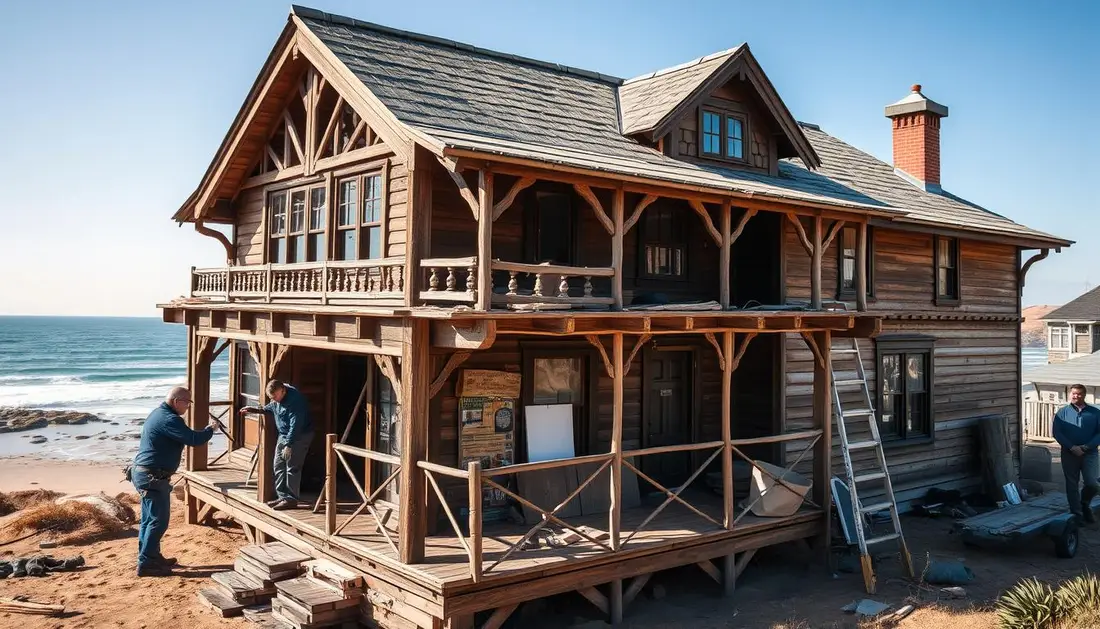
Managing Sixty Year Heritage Triggers
If your home is over sixty years old in cape town, local authorities may require heritage consent. This can add work to the project and affect the budget and timeline. This pairs naturally with western cape roofing price guide.
Get a professional assessment to confirm what approvals apply before you order materials or book labour.
Addressing Pre-War Damp and Timber Repairs
Pre-war properties often show damp in walls and timber-floor deterioration. Early inspection prevents surprises during bathroom and kitchen work.
Prioritise waterproofing in wet rooms and replace affected joists or floorboards to protect your room and floor finishes.
Coastal Material and Finish Specifications
Salt air speeds corrosion. Choose corrosion-resistant plumbing, marine-grade paints and stainless fixings for external walls and tiles.
Confirm materials in writing so the selected products suit the size and exposure of your building and reduce long-term maintenance.
- Verify compliance with heritage and building rules.
- Plan waterproofing for bathrooms and other wet areas.
- Specify corrosion-resistant materials for coastal sites.
Connecting with Independent Contractors for Accurate Quotes
Invite a CIPC‑registered contractor to inspect your home so you know the likely price and time to finish — and check their figure against national home renovation costs.
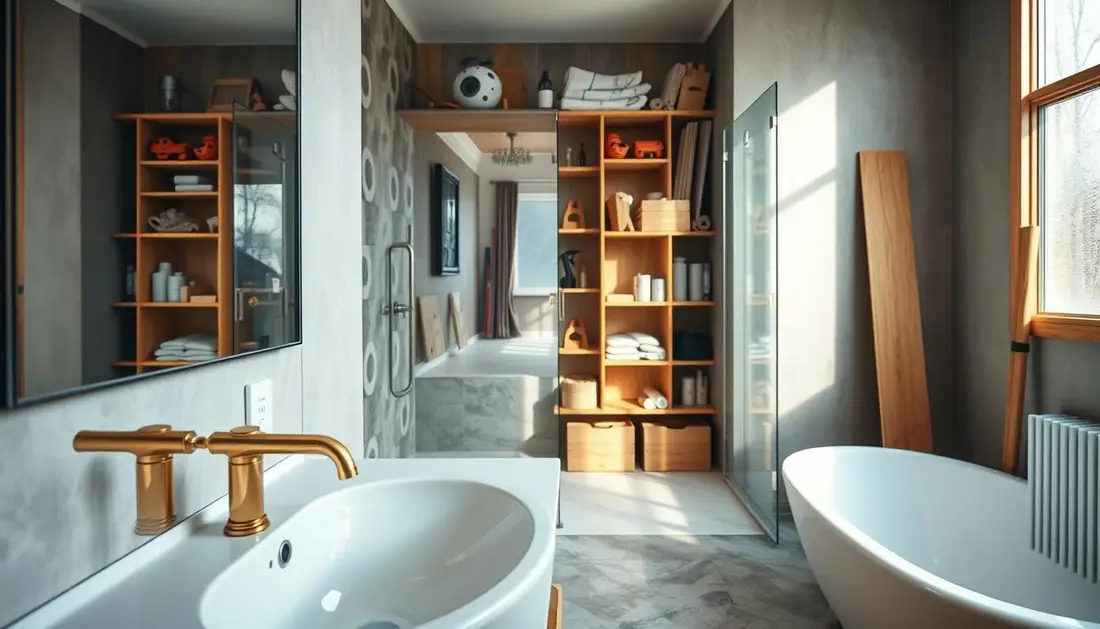
The Value of Independent Contractor Assessment
Start with a site visit. A thorough assessment identifies plumbing issues, wall or floor repairs, and hidden structural work before you sign a quote.
“A written site report saves time and helps you manage the budget.”
- Engage CIPC‑registered firms and confirm each company’s registration number before you commit.
- Expect a clear written quote that lists scope, materials, labour and estimated completion time.
- Compare at least two or three quotes to check price and quality for kitchen or bathroom renovation.
| Service | Typical start price | What the assessment covers |
|---|---|---|
| Bathroom renovation | R25,000 | Plumbing, waterproofing, tiles, floor and wall finishes |
| Kitchen renovation | From R40,000 | Plumbing, cabinets, materials, labour and appliances access |
| General update | From R15,000 | Painting, floor repair, material selection and labour schedule |
Why this matters: early contractor assessment reduces surprises, protects your budget and speeds up approvals. Use our platform to connect with independent contractors and get accurate pricing guidance for your project.
Securing Your Renovation Project Today
Secure a detailed, fixed-price quote first so your home project proceeds with fewer surprises. Obtain a written figure that lists scope, materials, finish and the expected completion date.
Visit buildingpricessouthafrica.co.za to request quotes and connect with independent contractors across South Africa. Whether you plan a kitchen or a full bathroom renovation, our platform helps you find qualified teams.
Remember: final costs depend on scope, the quality of materials and specific site work. Compare at least two independent quotes and confirm the price and warranty in writing.
Act now and secure your Western Cape renovation quote today to keep the project on track and within your planned budget. It reads well alongside building cost per square metre western cape.
FAQ
What typical price range should I budget for a small bathroom update in Cape Town?
For a small bathroom update expect a broad price range depending on finishes and plumbing work. A basic refresh with new fittings and tiles typically starts from around R25,000–R45,000. A mid-range overhaul with better sanitaryware, new vanity, and improved tiling usually sits between R50,000–R100,000. High-end changes — full layout alteration, waterproofing, and premium tiles or Villeroy & Boch fittings — often exceed R120,000. Always confirm whether the quote includes plumbing, waterproofing, electrical work, and waste removal.
How does property age or heritage status affect the budget?
Heritage triggers and older buildings commonly add time and expense. Sixty-year-plus homes often need specialist timber repairs, structural ties, repointing and heritage approvals. You may require conservation plans and materials that match existing fabric, which are costlier than standard alternatives. Factor an additional 10–30% contingency for investigations, specialist labour and approval fees when working on heritage or pre-war properties.
What extra costs arise when renovating near the coast?
Coastal environments demand corrosion-resistant materials and specific finishes to withstand salt air. Choose stainless-steel fixings, coastal-grade paint systems and porcelain or treated timber for external elements. Expect higher prices for materials and more frequent maintenance planning. Contractors may also charge a premium for say, specialist coatings and rust-proofing measures, so budget accordingly.
Should I get professional plans before asking for quotes?
Yes. Professional plans and scope documents give clearer contractor quotes and reduce variations. Architectural or draughting plans, a basic specification and a measured drawing help contractors price correctly for labour, materials and structural work. If you need council approval, drawings are essential. Investing in plans up front reduces unexpected cost increases during the job.
How do labour and contractor selection influence the final price?
Labour rates vary by skill, registration and region. Specialist trades like tilers, plumbers and electricians command higher rates than general labour. Independent contractors with good references and public liability insurance may quote higher but can deliver fewer defects. Ask for itemised labour and material breakdowns, check trade registration (e.g. SACPCMP for certain works), and request up to three independent quotes to compare scope and warranty terms.
What should I check in writing before work starts?
Confirm the scope of work, itemised pricing, payment schedule, start and completion dates, warranty or defect liability period, who supplies materials, and who is responsible for council compliance. Include allowances for unseen work (e.g. timber rot or hidden leaks) and a clear change-order process. Never proceed without a signed agreement and supporting drawings or specifications.
How long does a typical bathroom or kitchen project take?
Timelines vary with size and scope. A bathroom refresh can take 1–3 weeks; a full bathroom strip-and-replace often takes 3–6 weeks. Kitchen installations commonly run 4–10 weeks depending on cabinetry lead times and whether structural, plumbing or electrical changes are required. Always factor in possible delays for specialised materials, council inspections or hidden repairs.
What are common hidden expenses I should allow for?
Hidden items include water-damaged joists or subfloors, corroded waste and drains, asbestos removal, non-compliant wiring or plumbing, and council-required upgrades. Allow a contingency of 10–20% for minor unknowns; increase to 25–30% for older heritage homes or coastal properties where deterioration is more likely.
Can I save money by doing parts of the work myself?
You can reduce costs by painting, demolition of non-structural elements and sourcing fixtures yourself. However, avoid DIY on waterproofing, gas, electrical wiring and structural alterations — incorrect work creates safety risks and higher future expense. If you take on labour, confirm who remains responsible for warranties and defects in the contractor agreement.
How do material choices affect the price and longevity?
Material grade drives both upfront price and life expectancy. Porcelain tiles and stainless steel fittings cost more but last longer in wet and coastal conditions. Mid-range ceramic tiles and laminate cabinetry reduce initial outlay but may need replacement sooner. Prioritise waterproofing, quality plumbing fixtures and durable flooring in high-moisture rooms to avoid repeat expenses.
What local approvals might be required for major changes?
Major structural changes, alterations to heritage facades, and certain plumbing or electrical relocations usually require council approval. Heritage areas may need conservation consent. Your contractor or architect should confirm local municipality requirements and include application fees and specialist drawings in the project budget.
How do I compare quotes fairly between contractors?
Compare itemised quotes with the same scope, materials and workmanship standards. Check for exclusions, provisional sums, lead times and warranty terms. Request references and view previous work where possible. A cheapest quote is not always best; select the contractor who offers clear documentation, reasonable timelines and verified experience.
Can I request multiple quotes through your platform?
You may request up to three independent quotes, or up to five quote options where available, from registered contractors. Independent contractors handle site visits, final pricing, timelines and warranties. We facilitate the quote request; contractors provide the detailed proposals and conduct inspections before finalising prices.
What role does waterproofing play in bathroom budgets?
Proper waterproofing is essential and non-negotiable. Undertaking standard SANS-compliant waterproofing membranes and professional detailing around wet zones adds to the upfront price but prevents leaks and structural damage. Include specialist waterproofing labour and material allowances in every bathroom quote.
How should I plan the sequence of trades on site?
A logical sequence reduces rework and onsite time. Typical order: plumbing rough-in, structural work, electrical rough-in, waterproofing, screed and floor finishes, tiling, joinery and painting, then final fixtures and commissioning. A clear programme from your contractor helps control labour overlap and additional attendance costs. More on how we compile this is in why building costs differ by province.
Are there financing or payment options commonly used in SA for home projects?
Homeowners use savings, personal loans, or home-improvement finance from banks and retailers. Some contractors offer staged payment plans: deposit, mid-project drawdowns, and a retention until defects are fixed. Check interest, fees and the refund policy before committing to finance.
Ready to compare?