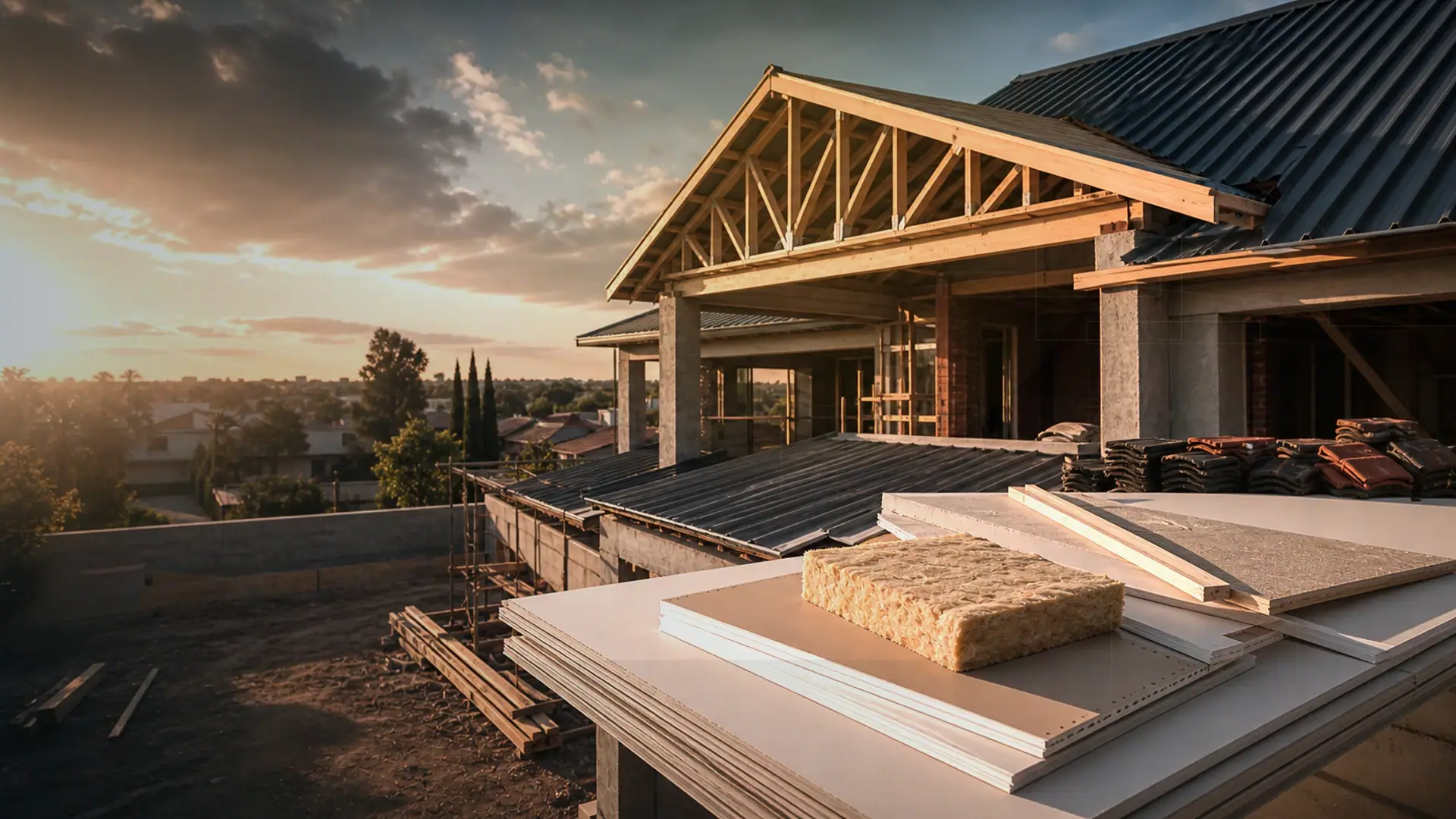
Building in the Rain in South Africa
Slab timing, drainage, roofing exposure, and weather-related delays that affect progress and cost
Quick answer
Building in the rain in South Africa – slab and roof timing by region, which stages weather stops and how delays hit budgets.
8 min read
On this page
Can you afford to start a project when the skies turn? This question matters for every homeowner, landlord and investor who plans work on a site where heavy showers are common.
Construction across south africa now follows daily weather patterns that affect time and cost. Our platform at buildingpricessouthafrica.co.za gives clear pricing guidance to help you plan for delays and material protection.
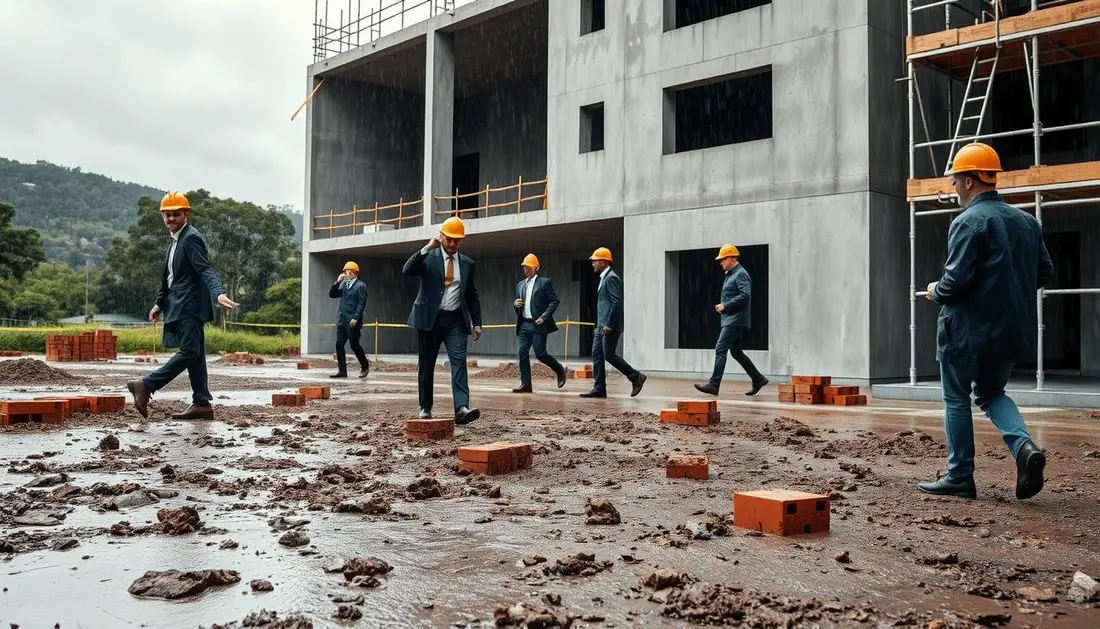
When rain halts labour, pouring concrete or laying slabs becomes risky. You must weigh water exposure, site access and material storage before you start.
We connect you with independent contractors who know local conditions and who can advise on realistic timelines and contingency costs. Use our pricing guidance to factor standing time and protection expenses into your budget.
Plan smart and choose timing that reduces risks. With practical estimates and local expertise, you keep your project on track despite unpredictable weather challenges.
The Reality of Building in the Rain South Africa
Local rainfall cycles dictate site access, material storage and realistic timelines for any project. Planning must match regional patterns to protect quality and manage cost.

Regional rainfall patterns
Gauteng, KwaZulu-Natal and Mpumalanga get most of their rain in summer. The Western Cape tends to be wetter in winter.
This difference matters for scheduling, deliveries and when you can pour concrete or lay slabs. Align start dates with drier months to reduce delays and water damage.
Ethical considerations for labour
Many South African site teams rise at 04h00 to reach distant sites. Wet conditions make long commutes unsafe and costly.
Expect transport to fail after heavy showers. In several cases, starting work at midday is not viable because worker fares rise sharply.
The role of labour is central to every construction outcome. Treating crews fairly keeps productivity stable and protects project timelines.
- Example: late starts after downpours can add full days to a schedule.
- Plan allowances for lost time and extra transport costs in your budget.
| Region | Primary wet season | Impact on work |
|---|---|---|
| Gauteng | Summer | Afternoon storms; concrete protection needed |
| Western Cape | Winter | Cold wet days; transport and labour delays |
| Kwazulu-Natal & Mpumalanga | Summer | Heavy downpours; scheduling and access issues |
Planning advice: schedule high-risk tasks for drier windows, confirm transport arrangements, and budget for contingencies. This preserves quality and shows respect for your workforce.
Technical Site Requirements and Material Integrity
Clever site detailing and correct material choices stop water damage before it starts. Good specification reduces rework, saves cost and protects quality.

Waterproofing and Damp Proofing
DPCs must be placed as a sandwich between wet mortar to protect slabs and brickwork from rising damp. In high driving rain index areas, cavity wall construction is the only truly effective defence against penetration.
Movement joints: take them through copings and parapets, with a 7.5m rule for parapet runs to stop cracking and ingress.
Masonry and Mortar Quality
Follow SABS 1090 grading for mortar sand. That standard is essential for rain resistance and long-term durability of face bricks and other types.
Choose bricks by permeability and keep materials covered on site. Excess moisture turns good materials into defective work and raises repair costs.
Roof Design and Drainage
A well-pitched roof channels water away from foundations and reduces risk to concrete and masonry. Detail gutters, downpipes and falls so water cannot pond near walls.
Our advice: confirm product compliance, insist on cavity details where required, and specify DPC and movement joints in writing before work starts.
Managing Weather Delays and Financial Implications
Weather delays often show up as hidden costs that push a small job well past its budget. Our pricing guidance helps you spot standing time and other add-ons before you sign a contract.

For example, a scheduled concrete pour cancelled because of rain can extend equipment hire and labour time. That knock‑on cost shows why clear timelines matter.
Use our quote request process to request up to three quotes and compare how independent contractors allow for weather disruption. Look for written terms on standing time, material protection and site management during storms.
Confirm in writing who protects materials from water, who pays for extra hire and what happens when work cannot proceed. Good communication reduces surprises and keeps your project on budget.
Proactive planning for weather delays is a core part of our pricing guidance. It helps you manage risks and make better cost decisions for construction on any site. For what this typically costs, see budgeting to build a house.
Ensuring Long-Term Structural Resilience
Long-term resilience starts with material selection, correct waterproofing and clear site rules.
Choose durable materials such as concrete and brick that suit local conditions. Add suitable insulation and weatherstripping to improve comfort and cut moisture risk.
Implement effective drainage and waterproofing to protect against water and minimise repair work. Our platform at buildingpricessouthafrica.co.za connects you with independent contractors who focus on quality workmanship and lasting structures.
Use our quote request process to compare specialists who understand weather effects on construction and who can advise on types of materials and correct installation.
Confirm timelines, costs and warranties in writing so your project stays on schedule and your investment remains protected.
Turn this into a budget with new-build cost guide, slab rates and re-roofing costs.
FAQ
What are the main risks when working on a site during heavy rain?
Wet conditions raise site-safety hazards, slow labour and affect materials. You should expect slippery surfaces, waterlogged access, and delays to concrete pours. Damp can weaken mortar and plaster if left exposed. Protect stored materials under cover, improve drainage, and confirm site safety plans with your contractor before work continues.
How do regional rainfall patterns affect project timing?
Coastal regions and high-rainfall areas have longer wet seasons, so programme critical tasks for drier months. Inland and semi-arid areas see shorter windows. Allow weather contingency days in your schedule and ask contractors for local rainfall data and historical delays for accurate timelines.
Can concrete be poured during light rain?
Light, short showers can be managed with rapid protection and finishing discipline, but avoid pours during heavy or prolonged rain. Excess surface water dilutes the mix, worsens curing and reduces slab strength. Insist on protective sheeting, windbreaks and cured timing specified in writing to protect quality and warranty conditions.
What temporary measures prevent water damage to materials on site?
Use tarpaulins, elevated pallets, sealed containers and covered laydown areas. Store cement, gypsum plaster and timber off the ground and under ventilated covers. Label and rotate materials to use exposed stock first. Keep electrical gear in waterproof boxes and isolate power during flooding risk.
How does rain affect masonry and mortar quality?
Rain can wash out cement from mortar, causing weak joints, efflorescence and poor bond. Avoid laying bricks or blocks in driving rain. Use mixes with appropriate cement content, protect newly laid masonry with damp-proof sheeting and schedule repointing after suitable drying periods.
What roof design and drainage features reduce water risk?
Steeper roof pitches, adequate overhangs, sealed eaves and well-sized gutters with good fall reduce ponding. Include downpipes to suit local storm intensity and use quality flashings and roof underlay systems. Regularly clear gutters during wet seasons to prevent backflow and roof leaks.
When should waterproofing and damp-proof membranes be applied?
Apply membranes and tanking when substrates are dry and temperatures are within manufacturer limits. For external basements and slabs, arrange waterproofing before backfilling where possible. Temporary protection may be needed if rain arrives early; confirm application method and warranty exclusions in writing.
How do weather delays affect costs and contractor quotes?
Delays increase labour, plant hire and temporary protection costs. Quotes should list weather contingency, provisional sums for extra drying works, and daily rates for site protection. Get written change orders for additional days or work changes and request up to three quotes to compare risk allowances.
What ethical considerations apply to labour working in wet conditions?
Employers must protect workers from unsafe conditions, provide waterproof PPE, ensure safe access, and stop hazardous tasks during storms. Avoid forcing crews to work in conditions that compromise safety or workmanship. Confirm labour safety measures and stoppage protocols before site work begins.
How do you ensure long-term structural resilience after rain-affected work?
Inspect for water ingress, perform moisture tests on slabs and masonry, and repair compromised finishes. Use approved waterproofing systems and durable finishes suited to local climate. Keep maintenance records and warranties from suppliers and trades to protect long-term value. This pairs naturally with how long to build a house south africa.
Which materials are most vulnerable to prolonged wet exposure?
Cement-based products, untreated timber, insulation board and gypsum plaster are particularly vulnerable. Ensure these items are stored dry, or substitute with water-resistant alternatives where exposure is unavoidable. Confirm material warranties address wet storage or exposure limits.
How do access and site logistics change during wet seasons?
Muddy and flooded access increases plant costs and slows deliveries. You may need temporary roads, crusher dust hardstandings or timber trackways. Factor mobilisation and demobilisation costs into your budget and confirm access arrangements with suppliers ahead of deliveries.
What approvals or inspections are affected by wet weather?
Municipal inspections for foundations, slab reinforcement and drainage can be postponed if sites are unsafe or covered in water. Waterproofing sign-offs often require dry surfaces. Coordinate inspection bookings with weather forecasts and allow buffer days for reschedules.
How can homeowners confirm quality after wet-weather work?
Request test certificates for concrete compressive strength, moisture readings for slabs and certification for waterproofing systems. Take dated photos of protected work and ensure final completion documents list any weather-related remedial work. Keep all confirmations in writing. It reads well alongside buying land to build.
What are practical cost-saving steps when working through a wet season?
Prioritise internal finishes during wet months, lock in fixed-price quotes for critical trades, use durable materials that tolerate exposure and schedule external works for drier periods. Obtain multiple quotes (up to three or five where available) to compare allowances for weather risk and protection costs. This pairs naturally with the 10 steps to building a house.
Ready to compare?