How Long It Takes to Build a House in South Africa
Planning, approvals, weather, contractor speed, and sequencing all affect the timeline
Quick answer
How long it takes to build a house in South Africa – stage-by-stage timelines by size, plus the pre-build tail people forget to count.
13 min read
On this page
Question: What unseen delays are most likely to stretch your new home timeline beyond the figure on TV?

Many owners underestimate how long to build a house South Africa projects really take.
On our platform we offer clear, cost-first guidance. Our pricing guidance at buildingpricessouthafrica.co.za helps you map realistic timeframes and common pitfalls.
The construction process spans design, approvals, site work and finishes. Each step brings distinct factors that affect the overall timeline.
Expect administrative delays, weather interruptions and supply issues. These are the usual reasons a project does not match optimistic schedules.
We connect you with independent contractors who give transparent quotes. Use those quotes to set firm expectations and manage budgets for your new home.
Read on for a practical timeline and the key factors you must confirm in writing before work starts.
Understanding the Realities of How Long to Build a House South Africa
Timelines on paper rarely match the reality of site work and local approvals. Our pricing guidance shows an eight-month finish is possible but optimistic for most builds.
The construction process is rarely linear. Delays come from approvals, supply issues and weather. When you manage contractors closely, the work moves faster.
Start your planning by collecting local standards and multiple quotes. Compare scope, labour and finishes before the ground is broken.
- Allow extra months for municipal approvals and inspections.
- Expect longer durations for complex building house designs.
- Keep communication formal and logged to avoid cost blowouts.
| Stage | Typical months | Key factors |
|---|---|---|
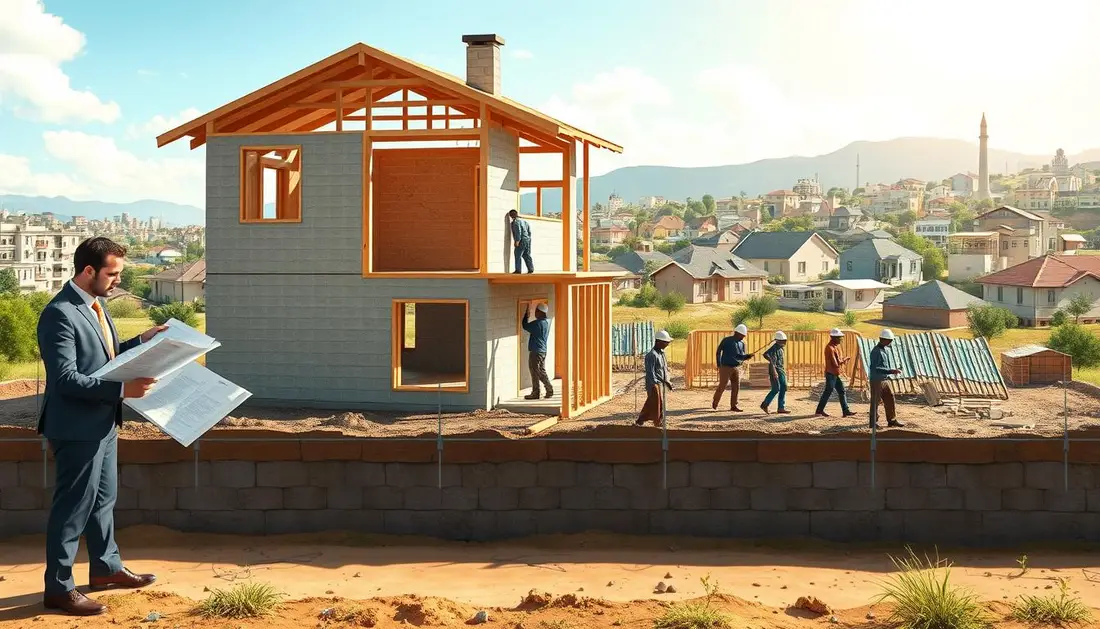
| Pre-build planning | 1–3 | Design, approvals, quotes |
| Structural construction | 4–9 | Labour, materials, site access |
| Finishes & handover | 1–3 | Fit-out, inspections, snagging |
Practical tip: Use our platform to compare professional quotes and set a realistic programme before you commit funds.
The Crucial Pre-Build Tail and Administrative Approvals
Administrative steps before any brick goes down usually set the real project pace. You must factor months for paperwork and checks before construction begins.
Architectural Plan Submission
All plans must be lodged with your local council by a registered architect. Expect an approval wait of 2–8 weeks while reviewers check compliance with national regulations.

Tip: professional fees for architect and engineer can reach up to 15% of total project costs. Confirm those costs in writing before design work starts.
Municipal Approval Backlogs
Approval backlogs and missing documentation are common causes of delays. Your chosen builder should help arrange required inspections and clearances.
- Ensure plans and structural design are complete and stamped.
- Log every correspondence with the council and the builder.
- Allow extra months for administrative work before site work begins.
| Stage | Typical wait | Action |
|---|---|---|
| Plan submission | 2–8 weeks | Architect lodges compliant plans |
| Municipal review | weeks–months | Respond to queries promptly |
| Inspections | scheduled during approvals | Builder coordinates with authority |
Confirm timelines and cost items in writing with your architect and builder before any on-site work starts. That reduces surprises and keeps your home project on track.
Estimated Construction Timelines by Property Size
Project size is the single biggest determinant of months on site and overall cost. Costs range from about R9,500/m² for economic finishes up to R30,000/m² for high-end work in South Africa.
Smaller homes move through stages faster. A 100m2 home often reaches practical completion several weeks earlier than a 200m2 property. Larger size increases labour, inspections and materials needs.

Breakdown of Construction Stages
Below is a simple stage view you can use when you request quotes and set a written programme.
| Stage | Typical months | Notes |
|---|---|---|
| Foundation & structure | 1–4 | Depends on size and design complexity |
| Roof, services & inspections | 1–3 | Inspections scheduled at key milestones |
| Finishes & snagging | 1–3 | Material lead times affect completion |
Practical checks:
- Order long‑lead materials weeks before the stage starts.
- Confirm inspection windows in writing with your contractor.
- Use our platform to compare quotes by size and finish level.
Environmental and Seasonal Impacts on Your Build
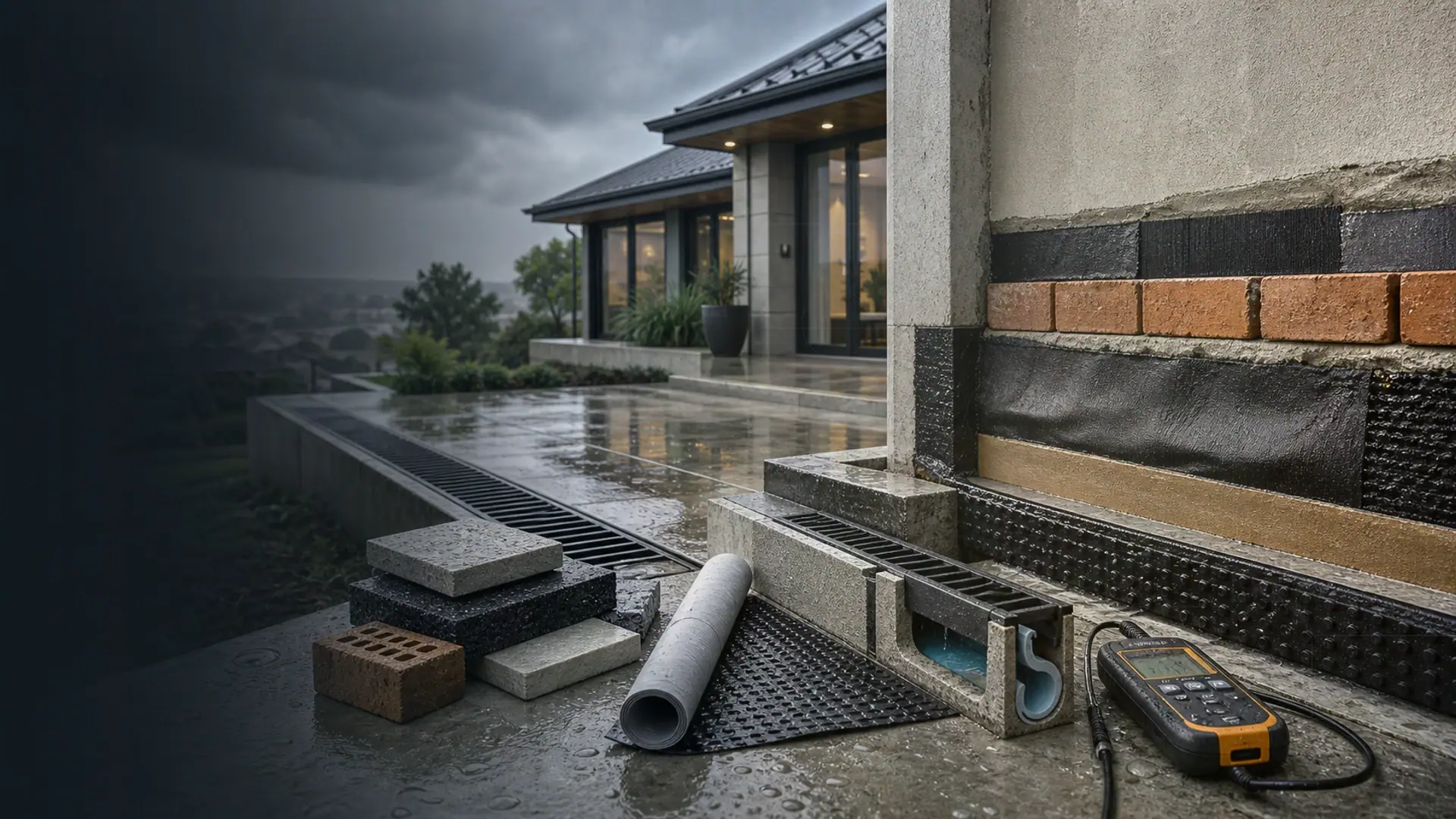
Seasonal patterns and local storms can reshape your project schedule in ways few owners expect. Plan for the season before ground work starts and confirm drainage and access in writing with your contractor.

Regional Weather Patterns
Heavy rain can halt foundation and excavation work and damage stored materials. In wet months, site access often becomes difficult and vehicles get stuck.
Schedule critical earthworks for drier periods. A professional builder will sequence work around clear weather windows to reduce delays and extra cost.
Managing Neighbour Relations
Keep neighbours informed about noisy or dusty phases. Noise and dust are common complaints; working within permitted hours avoids complaints and inspections.
If relations become difficult, a seasoned builder can manage disputes and protect your programme. Clear communication is one of the most important things you can do to keep your home project on track.
| Factor | Risk | Action |
|---|---|---|
| Rain | Site mud, material damage | Provide drainage, cover materials |
| Access | Equipment delays | Plan delivery windows |
| Neighbours | Complaints, work stoppage | Inform, limit hours |
Practical tip: Use our platform to find contractors experienced in local weather and environmental changes. That reduces surprise costs and keeps your home moving.
Managing Material Procurement and Site Logistics
Material flow and daily site routines are the practical heartbeat of any construction programme. Efficient procurement prevents costly delays and keeps work moving.
Ensure you have cleared money for suppliers before delivery windows. Builders will not release materials until funds show in their account.
Ask your builder how they secure plumbing, copper and electrical items on site. Theft of copper piping is common and raises costs fast.
Monitor every delivery against your plans. Regular inspections confirm that materials match the specified quality and reduce rework.
Practical cost and logistics checks
- Confirm transport costs — they vary across south africa and affect total costs.
- Store water and essentials on site to keep trades productive each day.
- Sequence deliveries to avoid double handling and extra labour cost.
| Item | Action | Why it matters |
|---|---|---|
| Materials | Check on arrival | Avoid specification mismatches |
| Security | Lock valuable items | Prevents theft and schedule delays |
| Inspections | Weekly | Catch defects early |
Tip: Use our platform pricing guidance when you request quotes so you budget for materials and avoid surprises during your home build.
Navigating the Festive Season Shutdown
Expect a firm industry pause from 16 December until 15 January. Most contractors, suppliers and municipal offices stop routine work during this period.
This month-long break can cause significant delays if you plan a start too close to the holidays. Councils and inspectors are often unavailable and that halts approvals and inspections for several weeks.
Ordered materials may sit with suppliers and only arrive late January. That extends your construction timeline and can push completion months further than planned.
Practical step: discuss the festive shutdown with your builder early and confirm which activities will continue, if any. Plan deliveries and inspections away from the holiday window.
| Impact | Typical disruption | Recommended action |
|---|---|---|
| Labour | 2–4 weeks inactive | Schedule finishing stages after January |
| Inspections | weeks unavailable | Book inspections well before shutdown |
| Materials | late deliveries | Order earlier or hold stock on site |
| Programme | timeline shifts | Confirm written programme with builder |
We connect you with contractors who state availability clearly so your home moves smoothly once work resumes.
Realistic Project Scheduling and Gantt Planning
A clear Gantt chart turns an abstract schedule into a practical daily roadmap for your build. It shows sequences and overlaps so you can check progress at a glance.
Allocate specific time for design, procurement and the actual construction stages. Our pricing guidance explains how much money you should set aside for each phase so deliveries do not stall work.
Example of a Realistic Project Gantt Chart
Use weekly milestones and review the plan every week with your contractor. This highlights slippages early and protects your overall budget and time.
“A visual schedule keeps everyone accountable — it makes start finish dates visible and measurable.”
- Detail design and approvals first — these set practical start dates.
- Schedule procurement with lead times so materials arrive before trades need them.
- Break structural, services and finishes into separate bars on the chart.
| Phase | Typical duration | Key check |
|---|---|---|
| Design & approvals | 2–8 weeks | Confirm drawings and council lodgement |
| Procurement | 1–6 weeks | Order long‑lead items and confirm payments |
| On‑site construction | 4–9 months | Track weekly milestones and inspections |
| Finishes & handover | 1–3 months | Snag list and final payments |
Practical tip: Use our platform to find contractors experienced in professional scheduling. A well‑structured plan reduces delays, keeps costs predictable, and helps your home reach completion on the agreed dates.
Financial Oversight and Cash Flow Management
Keeping daily records of every rand spent on site lets you spot overspend before it becomes a crisis. Good oversight protects the programme, the quality of materials and the final cost of your new home.
Monitoring daily spend is essential. Keep a simple spreadsheet that logs payments for labour, plumbing, materials and small purchases each day. Reconcile this with the builder’s statements every week.
Handling unexpected contingencies
Set aside a contingency of 10–15% of total construction cost for things like stronger foundations, poor soil or extra inspections. These surprises are common in south africa and add both costs and months to your programme.
- Record every change in plans and get costed approvals before the work continues.
- Track final fittings closely — costs often spike at the end of the build.
- Factor weather risks such as rain that cause delays and extra water management costs.
Practical step: use our platform to request quotes that itemise cost items and contingencies so you keep clear sight of your money throughout the construction.
Aligning Your Final Quotes with a Written Programme
**,**Final quotations must mirror your agreed programme to prevent end‑of‑project disputes.
Make sure each contractor lists scope, milestones and payment dates in writing. Our pricing guidance at buildingpricessouthafrica.co.za shows what realistic costs and inclusions should look like.
Before you sign, make sure you review all cost items, timelines and inspection windows. Use our platform to compare independent contractors who provide detailed, written schedules for your build house project.
A clear written plan aligns expectations, keeps construction on time and helps you reach the end on budget with fewer surprises.
Put a number on it with building a house cost guide. For what this typically costs, see cost to build a house.
FAQ
What typical timeline should I expect for a new home in South Africa?
Expect a full project from start of site work to completion to take roughly 8–18 months for a standard single‑storey dwelling. Small, simple homes with ready plans and fast approvals can finish nearer 6–9 months. Larger, split‑level or custom architect designs often extend to 12–18 months or more. Regional approvals, foundation complexity, finishes level and materials availability all change timing. This pairs naturally with architect vs draughtsperson.
How long does the pre‑build approval process usually take?
Plan for 6–20 weeks for pre‑build administration. Architectural plan submission, municipal plan checking, engineering sign‑offs and site services connections create the bulk of that time. Municipal approval backlogs in busy metro areas can add several weeks. Fast responses depend on complete documentation and prompt payment of plan fees.
What stages does construction follow and how long is each stage?
A typical stage breakdown: site preparation and foundations 2–6 weeks; brickwork and structural shell 6–12 weeks; roofing, doors and windows 2–6 weeks; first‑fix services (electrical, plumbing) 3–6 weeks; plaster, screed and second‑fix 4–8 weeks; tiling, finishes and fixtures 3–8 weeks; external work and handover 2–6 weeks. Overlaps are common; an experienced builder will provide a written programme.
How do size and complexity affect the schedule?
Bigger footprints, extra storeys, basements, complex roofs or bespoke finishes add time. A basic 70–120 m² single storey will move faster than a custom 300 m² double storey with high‑end finishes. Complexity increases specialist trades and inspections, so expect incremental weeks or months as scope grows.
What role does weather and seasonality play in project timing?
Rainy seasons slow excavation, concrete pours and external finishes. In coastal or high‑rain regions expect more weather delays. The festive shutdown (December–January) commonly halts work for 1–3 weeks. Schedule critical external work for drier months and build contingencies for seasonal interruptions.
How should I manage material procurement to avoid delays?
Lock in long‑lead items early — windows, specialised joinery, sanitaryware and imported tiles. Confirm delivery dates in writing and stage deliveries to site. Use reputable suppliers and order bulk items like cement and timber ahead of peak demand. Clear site access and good storage reduce spoilage and reorders.
What impact do municipal inspections and approvals have on the timeline?
Inspections at foundations, roof and practical completion are mandatory. Failed inspections cause rework and schedule slips. Submit full documentation and book inspections early. Factor waiting time for inspectors into your programme, especially in municipalities with backlogs.
How do neighbour relations affect the build schedule?
Neighbour disputes over access, noise or boundary works can halt progress. Communicate plans, delivery times and working hours up front. Obtain written consent for any temporary access or shared servitude work. Proactive management prevents delays and extra costs.
What is a realistic contingency for time and budget?
Allow 10–20% time contingency and 10–15% financial contingency for unforeseen issues. Common items are ground conditions, fluctuating material prices, late approvals and change orders. Keep a contingency fund accessible and approve scope changes in writing to control slippage.
How should I use a Gantt programme for my project?
A Gantt chart sequences tasks, shows dependencies and highlights critical path items such as foundations, roof and services. Use it to agree milestones with your builder, schedule inspections, and track deliveries. Update it weekly and circulate to the team to keep everyone aligned.
How does cash flow affect progress on site?
Delayed payments slow trades and hold up materials. Agree a payment schedule tied to clear milestones (e.g. foundations complete, roof on, practical completion) and keep funds available for each stage. Request final written quotes and confirm what is included — labour, materials, allowances — before work starts.
When should I request final quotes and what should they include?
Request final, written quotes once designs and specifications are fixed and municipal requirements are known. Each quote should list scope, timelines, payment terms, exclusions, warranties and any provisional sums. Compare at least three independent quotes where available and check contractor references.
What are common causes of delay and how can I reduce them?
Common causes: incomplete plans, late approvals, material shortages, change orders, poor site access and weather. Reduce them by finalising designs early, securing approvals, ordering long‑lead items, keeping decisions prompt and hiring a contractor with strong site management.
Can festive season shutdowns be avoided?
Some builders offer reduced crews or phased work over the festive period, but many close for 1–3 weeks. Plan critical tasks outside December–January and agree in your contract the expected shutdown period and how leave affects the programme. This pairs naturally with building plan costs south africa.
What should I check in writing before construction starts?
Confirm the contract, start and practical completion dates, payment schedule, fixed price items, provisional sums, programme, guarantees, and who is responsible for statutory approvals. Written clarity prevents disputes and helps keep the project on schedule. It reads well alongside buying land to build south africa.
Related building cost guides
Ready to compare?