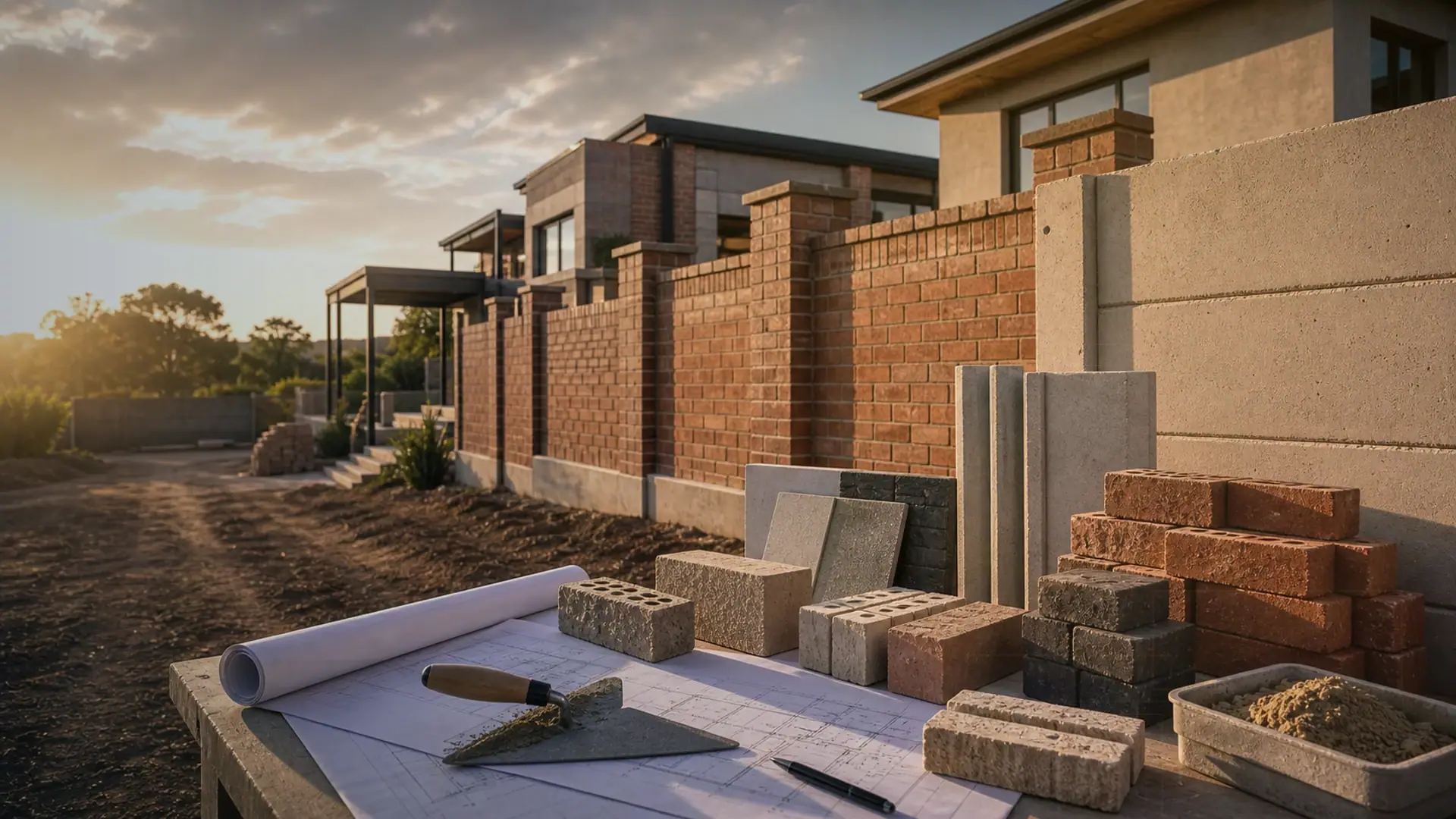
Why Boundary Walls Crack and Lean
Footings, joints and tree roots – the usual suspects behind leaning walls
Quick answer
Why boundary walls crack and lean – shallow footings, missing joints, tree roots and water – and which cracks need action right now.
19 min read
On this page
What makes a solid section of masonry tilt or split, and when should you act?
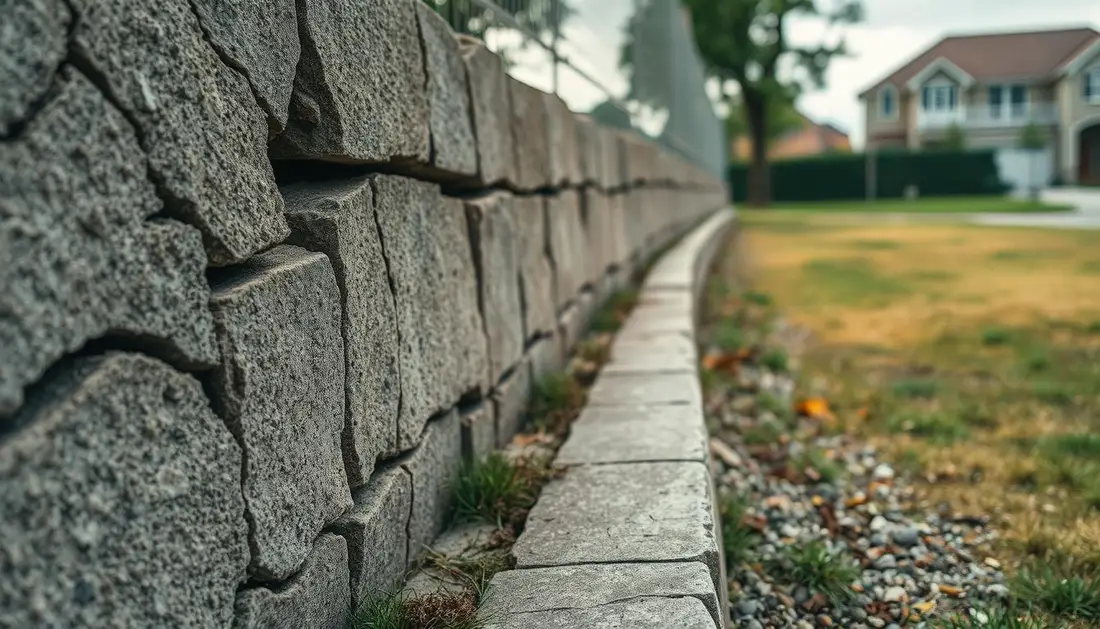
Settling foundations often show up as a vertical crack that can threaten a home’s structure.
Temperature shifts make building materials expand and contract, which shows as visible damage to walls.
Understanding why boundary wall cracks appear is the first step for any South African homeowner concerned about property safety.
At buildingpricessouthafrica.co.za our platform offers practical pricing guidance to help you compare likely costs.
Use our pricing guidance and quote request process to connect with independent contractors who assess your site, scope and materials before you commit to repair.
Understanding Boundary Wall Cracks in South Africa
When clay-rich soils gain or lose moisture, masonry often shows the first signs of distress.
Foundation settling is a common cause of vertical cracks in South African properties. Small splits may start as cosmetic defects, then widen as the ground moves or as moisture cycles make materials expand and contract.
Identifying the root causes of damage is essential. Persistent wall lines often point to deeper foundation problems, while hairline faults can result from simple material shrinkage.
We recommend prompt assessment. Early intervention limits repair costs and reduces the chance of major rebuilding later.
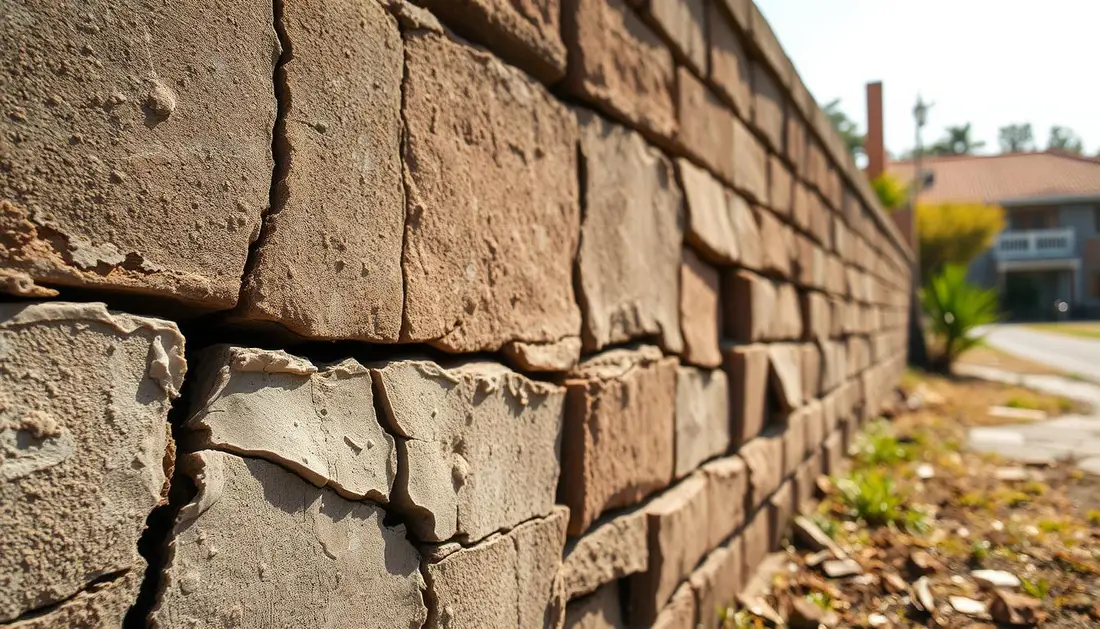
- Check whether soil movement or shrinkage caused the split.
- Ask a contractor to confirm if the defect is superficial or structural.
- Request a written quote that lists scope, inclusions, exclusions and warranties.
| Cost Factor | Typical Range (ZAR) | Impact on Price | What to confirm in writing |
|---|---|---|---|
| Site assessment | R800–R2,500 | Low–medium | Scope, access, inspection fee |
| Minor repairs and patching | R600–R3,000 | Low | Materials, labour, finish |
| Structural repair or underpinning | R6,000–R45,000+ | High | Method, timeline, warranty |
| Moisture control & drainage | R1,200–R15,000 | Medium | Scope, guarantees, maintenance |
Identifying Common Crack Patterns
Distinct crack patterns tell a lot about the movement beneath a property. Knowing the type makes it easier to decide whether to monitor or call a professional.

Vertical Cracks
Vertical splits commonly result from foundation settling or minor shrinkage. They are often narrower at first and may not affect stability.
You should watch width over weeks. If a vertical crack grows, seek a site inspection and a written quote.
Diagonal Cracks
Diagonal patterns often point to lateral movement or uneven loading. This type can indicate more serious structural stress.
When diagonal cracks appear in several locations, document their direction and size before you request contractor quotes.
Horizontal Bed Joint Cracks
Horizontal bed joint faults in free-standing walls may indicate poor mortar or excessive stress during construction.
- Hairline cracks are usually cosmetic but may indicate thermal movement.
- Multiple patterned faults often suggest a systemic issue that needs professional assessment.
- Depth and width determine repair scope; these factors affect cost and method.
Environmental Factors Influencing Wall Stability

Rapid day–night temperature shifts force masonry materials to expand and contract, which adds stress to any freestanding structure.
Repeated thermal movement weakens mortar joints and can start small cracks that grow with time. You should note temperature cycles in your area when assessing damage.
Excessive water penetration also accelerates decay. Moisture soaks into concrete and masonry, reduces strength and creates an environment where persistent wall cracks form.
- Temperature swings: cause expansion and contraction that stress the building fabric.
- Water and moisture: undermine concrete, increase freeze–thaw risk and feed ongoing movement.
- Local climate: influences maintenance frequency and the scope of repairs you should request from contractors.
Our pricing guidance flags moisture control as a critical cost factor when planning long‑term repairs. Confirm scope, drainage work and guarantees in writing when you request quotes.
| Factor | Typical Range (ZAR) | What to confirm |
|---|---|---|
| Surface repointing (thermal damage) | R1,000–R6,000 | Materials, finish, expected lifespan |
| Moisture control & drainage | R1,200–R15,000 | Scope, warranty, maintenance plan |
| Concrete patch and sealing | R800–R5,500 | Method, materials, cure time |
The Role of Soil and Foundation Movement
Poor compaction and local soil movement drive many of the most common foundation problems we see.
Uneven settlement places concentrated stress on footings and can show as visible cracks in masonry. Vegetation roots close to foundations also shift soil and prompt movement that affects your home.
Soil compaction and settlement
When soil beneath a footing compacts unevenly, parts of the foundation sink. That uneven settling leads to stress on the wall and to hairline or larger cracks.
Moisture changes in the ground make soils swell or shrink, accelerating settlement. Prompt action limits repair scope and cost.
“Soil testing clarifies whether remedial work or simple patching is needed.”
- Quick check: ask contractors for a site assessment and soil test in their quote.
- Construction detail: confirm footing depth and reinforcement are suitable for local soil.
- Prevention: keep large trees away from footings to limit root‑driven movement.

| Issue | Typical range (ZAR) | What to confirm in writing |
|---|---|---|
| Soil assessment | R800–R3,500 | Sampling method, report, recommendations |
| Minor stabilisation | R2,000–R12,000 | Method, materials, guarantee |
| Underpinning or piling | R10,000–R50,000+ | Design, timeline, warranty |
Monitoring Wall Movement Over Time
Regular checks make it easy to tell seasonal shifts from ongoing structural movement.
Start with a simple routine. Check the same section every fortnight or month and note any changes.
Using Width Markers
Fix small width markers or numbered gauges beside visible cracks. Record the reading each visit.
- Why it helps: markers show if the crack is stable or widening over weeks and months.
- Track movement and log dates so you can spot accelerating settlement early.
Photographic Documentation
Taken from the same spot, photos give a clear before‑and‑after record. Use a date stamp or a simple diary entry.
- Photos plus measurements make contractor assessments faster and quotes more accurate.
- Include notes on recent weather and moisture so experts can judge seasonal effects.
Practical tip: keep the log for at least a year to capture seasonal settling. If movement accelerates, contact a professional promptly to avoid larger costs.
| Monitoring task | Typical cost (ZAR) | What to confirm |
|---|---|---|
| Site checks & documentation | R0–R800 | Frequency, report format |
| Soil moisture monitoring | R500–R3,000 | Method, duration, recommendations |
| Professional assessment | R800–R2,500 | Scope, written findings, next steps |
Distinguishing Between Cosmetic and Structural Issues
Not every visible split means your property is unsafe; many are cosmetic and easy to repair. Hairline faults in plaster usually sit only in the finish and do not affect the core structure of the wall.
Small cracks that are thin and shallow typically require monitoring and a simple patch. Keep a dated photo log and return every few weeks to check stability.
Deeper, wider or diagonal movement may indicate a structural problem. Bulging or bowing sections, and cracks wider than a coin, often mean you should get a professional assessment without delay.
- Cosmetic damage: thin lines, surface-only, low cost to repair.
- Structural issues: wide or diagonal splits, bulging, need engineered solutions.
- Interior and exterior faults require different approaches; confirm scope and guarantees in writing.
| Task | Typical cost (ZAR) | What to confirm |
|---|---|---|
| Site inspection | R800–R2,500 | Scope, written findings, next steps |
| Minor cosmetic repair | R600–R3,000 | Materials, finish, warranty |
| Structural repair | R6,000–R45,000+ | Method, timeline, guarantee |
If unsure, consult a pro. Early, correct identification saves money and prevents unnecessary work on harmless faults that do not threaten your home.
Assessing the Need for Repair or Rebuild
A recurring repair that fails to hold usually signals an unresolved structural issue beneath the finish.
Decide by checking how active the damage is. If the hairline becomes wider, or if a section shows bowing or bulging, book a professional assessment immediately.
If you have tried small cracks repairs and they return, the problem is likely deeper. A repeat fault after DIY work often means the footing, soil or reinforcement needs attention.
- Ask an independent contractor for a detailed quote comparing repair versus rebuild costs.
- Request a written timeline, payment schedule and a warranty for the work.
- Remember that delaying necessary repairs wastes time and usually increases overall cost.
| Decision factor | Action | What to confirm |
|---|---|---|
| Recurring fault after DIY | Professional assessment | Cause, permanent fix, cost estimate |
| Bowing or rapid spread | Immediate site visit | Stability report, safety advice, urgency |
| Minor, stable crack | Monitor or minor repair | Materials, expected lifespan, follow‑up checks |
We recommend you request written quotes from independent contractors so you can compare costs and warranties before committing to major works on your home.
Essential Prevention Specifications for New Walls
Proper footing design is the simplest defence against later structural movement. New construction must start with footing depths suited to local soil and loads. This reduces settlement and limits long‑term risk to your property.
Footing Depth Requirements
Footings should reach stable strata below the topsoil and disturbance zones. In many South African suburbs that means deeper footings where clay or fill exists.
Confirm footing depth and reinforcement in the contractor’s written scope so you avoid under‑designed foundations.
Expansion Joints and Coping
Incorporate expansion joints and quality coping stones to handle temperature changes and moisture movement at the top of walls.
Good detailing lets masonry expand without forming visible cracks and protects against water ingress at critical junctions.
- Use durable materials during construction to reduce future repairs.
- Plan drainage and joint layout early to manage moisture and thermal shifts.
- Ask contractors to confirm compliance with local building regulations in writing.
- Invest in prevention — it is cheaper than structural repairs later.
| Specification | Why it matters | What to confirm |
|---|---|---|
| Footing depth & reinforcement | Prevents settlement and uneven movement | Depth, steel size, compaction method |
| Expansion joints & coping | Manages temperature and moisture movement | Joint spacing, product type, sealant |
| Materials & drainage | Reduces deterioration and long‑term moisture issues | Material spec, drainage plan, warranty |
Preparing Surfaces for Effective Repairs
Good surface preparation stops failed repairs before they start.
Begin by removing loose paint, dust and debris from the surface. Use a wire brush or scraper to clear the area so filler bonds properly.
For wider defects, rout the opening into a shallow V using a masonry chisel. This gives the repair compound a sound key and improves adhesion.
Tools you will need: a putty knife, wire brush, masonry chisel and quality crack filler or compound for plaster and interior areas.
- Prep matters: clean surfaces stop new splits and reduce repeat repairs.
- Use a high‑quality crack filler for hairline faults and a suitable compound for smoothing.
- If you are unsure, hire a professional to ensure a durable result and to avoid wasted costs.
“A well‑prepared surface is the foundation of a lasting repair.”
| Task | Typical cost (ZAR) | What to confirm |
|---|---|---|
| Surface cleaning & prep | R200–R1,200 | Tools, access, clean‑up |
| Routing and chiselling | R300–R1,500 | Method, depth, safety |
| Crack filler & finishing | R150–R900 | Product type, drying time, paintability |
Selecting Appropriate Materials for Masonry
Choose materials that match the original masonry to avoid repeat failures. Portland or grey cement is usually the best choice for repair in concrete and common masonry areas. Using the correct cement reduces shrinkage and improves bond with the existing surface.
Prepare the surface with a bonding agent or primer so the new compound adheres properly. Whether the area is plaster or concrete, a primer helps the filler lock in and prevents future separation.
Use a putty knife or a clean putty tool to press the compound into the defect. This method removes air pockets and gives a stronger, longer-lasting repair.
- Select quality materials: good cement or branded crack filler saves on repeat work.
- Right tool, right finish: a putty knife and the correct compound type give a neat result.
- Finish properly: use compatible paint or sealer after curing for weather protection.
- If unsure, consult a professional contractor for product recommendations suited to your walls and local climate.
| Cost factor | Typical range (ZAR) | What to confirm |
|---|---|---|
| Materials (cement, filler, primer) | R150–R900 | Brand, type, coverage area |
| Tools (knife, trowel, brushes) | R100–R600 | Quality, reusability, supplier |
| Finishing (paint/sealer) | R200–R1,200 | Product type, warranty, colour match |
Executing Structural Reinforcement Techniques
Modern structural fixes use engineered adhesives and composite straps to re‑join weakened masonry reliably.
Epoxy injection and carbon fibre
Epoxy injection is a high‑strength solution used to bond and reinforce weakened concrete by filling deep structural crack lines. It penetrates the core and acts as a structural filler, restoring load transfer through the affected area.
Carbon fibre straps provide extra load capacity where anchors are impractical. They are thin, strong and\fit to the surface, offering a modern alternative to older steel methods.
- When to use: for deep defects that threaten the foundation or overall stability.
- Who should do it: hire a specialist with the right tools and training.
- What to confirm: method, materials, timeline and a written warranty.
| Technique | Typical Range (ZAR) | What to confirm in writing |
|---|---|---|
| Epoxy injection | R2,000–R12,000 | Resin type, penetration depth, cure time |
| Carbon fibre straps | R3,500–R18,000 | Strap type, bonding method, load rating |
| Site assessment & testing | R800–R3,500 | Scope, report, recommended steps |
“Proper reinforcement stops further movement and strengthens the construction for the long term.”
We connect you with independent contractors who use approved materials for safe, lasting crack repair. Always ask for a written scope and warranty before work starts.
Managing Moisture and Drainage Issues
Poor site drainage lets water pool at the base of masonry, which accelerates decay and material failure.
Moisture infiltration is a leading cause of wall damage in many South African properties. Excess water near foundations often leads to persistent structural problems that show up as a visible crack over time.
Preventative work reduces repeat repairs. Make sure gutters, downpipes and surface slopes channel water away from your footings.
- Use moisture‑resistant filler and plaster in vulnerable areas to slow deterioration.
- Install simple drainage paths or French drains where water pools near the base of a wall.
- If you spot damp patches or water intrusion, get a professional assessment promptly.
Our pricing guidance shows that fixing drainage early costs a fraction of major structural repair. Ask contractors to list scope, materials and guarantees in writing before work starts.
| Task | Typical Range (ZAR) | What to confirm |
|---|---|---|
| Surface drainage improvements | R1,000–R6,000 | Channel type, fall, materials |
| French drain or subsurface channel | R4,000–R18,000 | Depth, pipe spec, outlet location |
| Moisture‑resistant plaster & filler | R600–R3,000 | Product, coverage, cure time |
| Concrete apron or paving at base | R1,500–R10,000 | Finish, fall, edge detail |
Professional Assessment and Quote Comparison
A professional assessment clarifies whether visible movement needs simple repair or a full structural fix. A qualified contractor inspects foundations, tests soil where needed and lists the proposed crack repair steps in writing.
Use our quote request process to compare up to three independent contractors. Each quote should itemise materials, labour, tools, access requirements and any tests carried out.
Why this matters: a precise assessment separates cosmetic defects from settlement problems that need engineered methods.
- Ensure each quote uses the same scope so you can compare prices fairly.
- Confirm inclusions, exclusions, project timeline and payment schedule in writing.
- Check for a clear warranty covering the proposed repair or construction work.
“A written quote that specifies materials, labour and warranties removes hidden costs and risk.”
| Cost Factor | Typical Range (ZAR) | What to confirm in writing |
|---|---|---|
| Site assessment & soil check | R800–R3,500 | Scope, samples, report |
| Detailed repair quote | R1,200–R15,000 | Method, tools, materials, warranty |
| Monitoring & follow‑up | R0–R2,500 | Frequency, deliverables, extra costs |
Securing Your Property Investment
Taking action early keeps repair bills lower and preserves the look and integrity of your home.
Proactive maintenance and timely repairs protect value and reduce risk. Check foundations, drainage and finishes at regular intervals so you spot issues while they are small.
Record observations, get a professional quote and confirm scope, labour, materials and warranty in writing. These steps save you time and avoid surprises during works.
Use buildingpricessouthafrica.co.za to compare independent contractors, request quotes and choose the right solution. A well‑maintained property is safer and holds its long‑term value.
See the live figures in wall cost per metre and foundation costs. For what this typically costs, see what boundary wall per metre costs.
FAQ
Why do boundary walls crack and lean?
Cracking and leaning usually come from ground movement, poor foundations, or changes in moisture. In South Africa, seasonal wetting and drying of clay soils plus inadequate footing depth are common causes. Over time these forces create tension in masonry, leading to vertical, diagonal or horizontal failure lines that may develop into a lean if not addressed.
How can I understand boundary wall cracks in South Africa?
Inspect the pattern, width and location of damage. Small hairline surface fissures often come from plaster shrinkage and temperature changes, while wider gaps or those that run through blocks and mortar suggest structural movement. Note nearby trees, drainage problems, or new loads (garages, gates) — these affect stability.
What does a vertical crack usually indicate?
Vertical cracks often reflect shrinkage in mortar or thermal movement. If they are narrow and don’t widen over time they may be cosmetic. But if a vertical line opens more than a few millimetres or is accompanied by leaning, call for a structural assessment.
What does a diagonal crack mean for my wall?
Diagonal cracks suggest differential settlement — one side of the footing is moving more than the other. These are more serious than hairline cracks. Diagonals that start at corners of openings or foundations and grow over months indicate a need for remediation, possibly underpinned footings or reinforcement.
What are horizontal bed joint cracks and how serious are they?
Horizontal bed joint cracks run along mortar joints and often point to shear or lateral pressure, for example from leaning due to soil heave or overloaded walls. They can be structural; walls with long horizontal splits usually need strengthening or rebuilding depending on extent.
Which environmental factors influence wall stability?
Rainfall patterns, drought cycles, poor drainage, nearby vegetation and seasonal temperature swings all affect soils and masonry. Flooding or prolonged wet seasons can wash away supporting material, while drought and heat cause shrinkage and cracking.
How does soil and foundation movement affect walls?
Soil compaction, settlement and expansive clays change bearing conditions under footings. If a foundation sinks or tilts, the masonry above will crack or lean. Adequate compaction and correct footing depth reduce risk, but older walls built without proper footing details are vulnerable.
What is soil compaction and settlement?
Compaction is the deliberate densifying of soil under a footing to give it strength. Settlement is the downward movement that happens when soil consolidates under load. Uneven settlement between parts of a footing causes differential movement and cracking.
How can I monitor wall movement over time?
Use simple width markers — fit a stable gauge across a crack and check at intervals. Photograph the same view with a dated reference and note changes. Combined, photos and crack gauges show if movement is active and how quickly it’s progressing.
How do width markers work?
A width marker is a small, fixed plate or card placed across a crack; you measure the gap against it at regular intervals. If the reading increases, the crack is active. This helps contractors and engineers decide urgency and repair type.
Why is photographic documentation useful?
Photos provide a dated visual record of change and context — nearby drainage, tree roots, or alterations. They support contractor quotes and can be vital for insurers or engineers assessing long-term movement.
How do I tell cosmetic cracks from structural issues?
Cosmetic cracks are usually fine, surface-level and stable over time; they don’t affect load-bearing elements. Structural cracks are wider, pass through blocks and mortar, align with leaning, or grow. If in doubt, get a competent structural assessment before repair.
When should I repair versus rebuild?
Repair is suitable for stable, limited damage: repointing mortar, local rebuild of a few blocks, reinforcement and drainage fixes. Rebuild is necessary when the wall is extensively cracked, leaning significantly, or footings fail. A professional must check footing depth, soil condition and extent of movement.
What are essential prevention specifications for new walls?
Use correct footing depth and width for local soil, compact subsoil, add vertical reinforcement and steel dowels, and provide proper coping and expansion joints. Include a damp-proof course and ensure good drainage away from the wall to prevent moisture-related movement.
What footing depth is required?
Footing depth depends on soil type and frost line, but in many South African suburban sites footings typically sit on compacted subsoil and start from around 300–450 mm deep for single-skin walls, deeper for load-bearing or poor soils. Confirm with an engineer and local building standards.
Why are expansion joints and coping important?
Expansion joints relieve thermal and shrinkage stresses so cracks don’t form randomly. Coping protects the top of the wall from water ingress. Both reduce water penetration and movement that lead to long-term damage.
How should I prepare surfaces for effective repairs?
Remove loose plaster and failed mortar, chase out cracks to a consistent profile, clean surfaces of dust and salts, and dampen masonry before applying repair products. Good preparation ensures bonding and durability of the filler or new plaster.
What materials are appropriate for masonry repair?
Use cement-based mortar mixes suitable for blockwork, quality crack filler or resin for fine joints, and stainless steel reinforcement for ties. Choose materials compatible with existing masonry to avoid differential movement or salt problems.
What structural reinforcement techniques are available?
Techniques include stitching cracks with stainless steel rods, epoxy injection for bonded repairs, and carbon-fibre strips for tensile strengthening. The right method depends on crack type, wall condition and engineer recommendations.
How do epoxy injection and carbon fibre work?
Epoxy injection seals and bonds cracks internally, restoring continuity in masonry. Carbon fibre adds high tensile strength to resist future bending or shear. Both require skilled installation to be effective and long-lasting.
How can I manage moisture and drainage issues?
Ensure gutters and downpipes work, grade ground away from the wall, install subsoil drains if necessary, and remove tree roots close to footings. Keeping the base dry prevents saturation, heave and long-term weakening of mortar and concrete. It reads well alongside brick vs precast wall.
When should I get a professional assessment and compare quotes?
Call a competent structural engineer or experienced contractor when cracks are wide, fast-growing, or the wall leans. Request up to three quotes (up to five where available) from independent contractors, check scope, warranties and confirm footing, soil and repair methods in writing before work starts. This pairs naturally with boundary wall regulations south africa.
How do I secure my property investment regarding these repairs?
Act early on active movement, keep records of inspections and repairs, and get written warranties and detailed scopes from contractors. Properly engineered repairs and good drainage protect value and reduce future repair costs. This pairs naturally with electric fence rules and the coc explained.
Ready to compare?