Plaster Cracks: When to Worry
Hairline or structural – reading crack patterns before panic or paint
Quick answer
Plaster cracks – which are cosmetic, which signal movement, and the width, direction and timing clues that tell the two apart.
13 min read
On this page
Are the hairline marks on your wall a harmless sign of settling, or the start of something more serious?
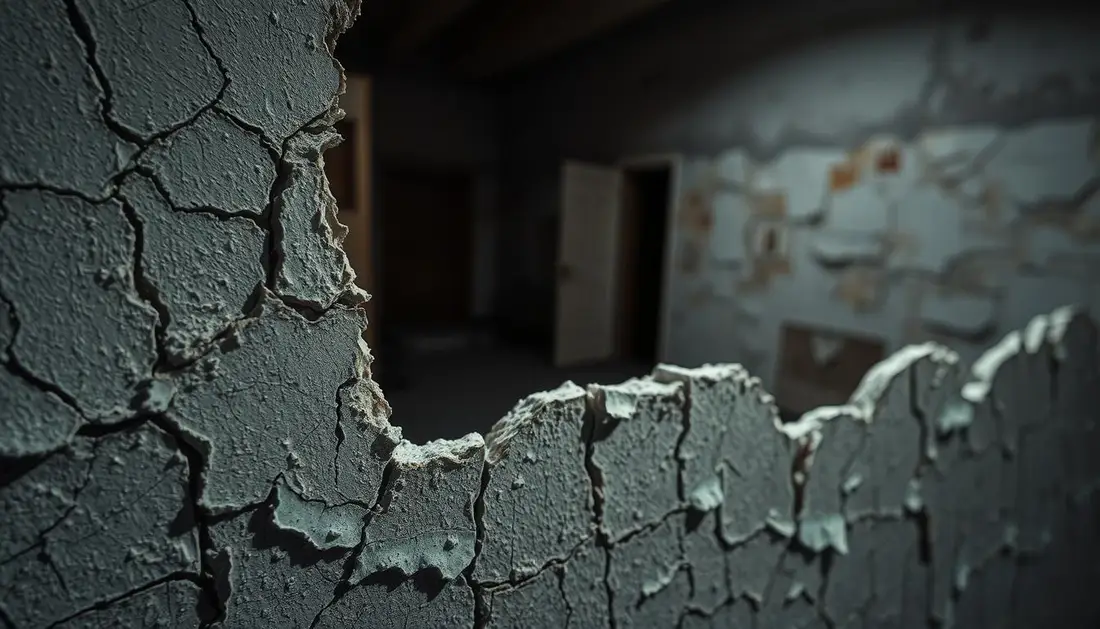
Most plaster cracks are normal and happen as a building settles over time. Temperature swings and moisture changes can cause minor surface fissures. Hairline marks are usually cosmetic and do not threaten the overall safety of the building.
The Building Research Establishment (BRE) offers a simple scale to assess severity, helping you judge whether a crack is stable or needs attention. Over time, monitor the line for width changes and new patterns.
Use our platform at buildingpricessouthafrica.co.za for practical pricing guidance and to request quotes. Our pricing guidance helps you tell cosmetic issues from those needing professional repair. Request up to three quotes and confirm inclusions, timelines and warranties in writing.
Understanding Plaster Cracks Structural Risks in South Africa
In South Africa, ground movement and soil settlement are the common drivers behind many visible lines on walls.
Settlement is the slow compression of soil beneath new foundations. It usually shows as narrow, stable lines that need monitoring rather than urgent work.
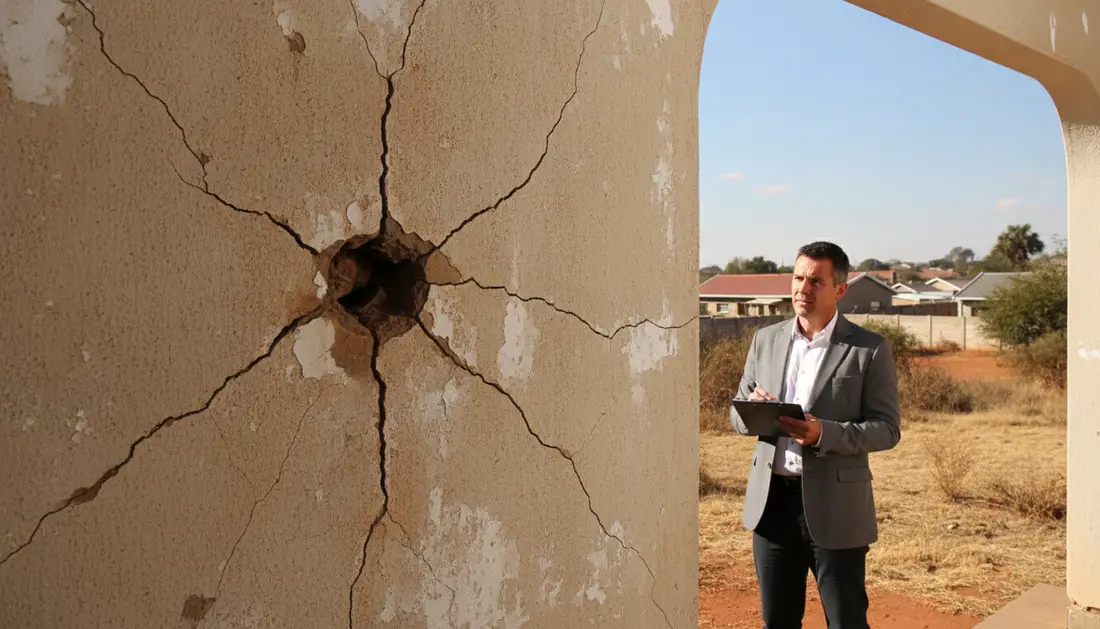
Subsidence is different: it involves loss of ground under an existing building and can shift foundations. That movement may produce wider cracks and offsets that warrant immediate assessment.
Use our platform to compare likely causes and costs before hiring. Independent contractors can confirm whether the damage is simple deterioration of plaster or signs of foundation trouble.
| Cause | Typical Signs | Recommended Action |
|---|---|---|
| Settlement | Hairline gaps, none widening | Monitor; minor repair and re-finish |
| Subsidence | Widening gaps, displaced wall lines | Engineer inspection; foundation repair |
| Poor foundations/compaction | Stair-step patterns in brickwork | Soil and foundation evaluation |
Identifying Common Crack Patterns and Their Origins
Different line patterns and widths tell a clear story about how a building is moving. Look first at the shape and location of the mark. That gives quick clues about whether the issue is cosmetic or more serious.
Mapping the stair-step pattern
Mapping the Stair-Step Pattern
Diagonal or stair-step lines along mortar joints often point to foundation settlement or subsidence. These diagonal cracks are classic signs of movement and should be documented with photos and measurements.
Width and Depth Indicators
Use a ruler or feeler gauge. The BRE grades show hairline cracks under 1mm are usually cosmetic.
Anything over 3mm needs monitoring. Over 5mm often requires a professional evaluation. Severe damage is typically over 25mm.
Directional Clues
Cracks that are wider at the top than the bottom can indicate uplift or uneven settlement. Lines around doors and windows are common because openings concentrate stress.
| Pattern | Likely cause | Action |
|---|---|---|
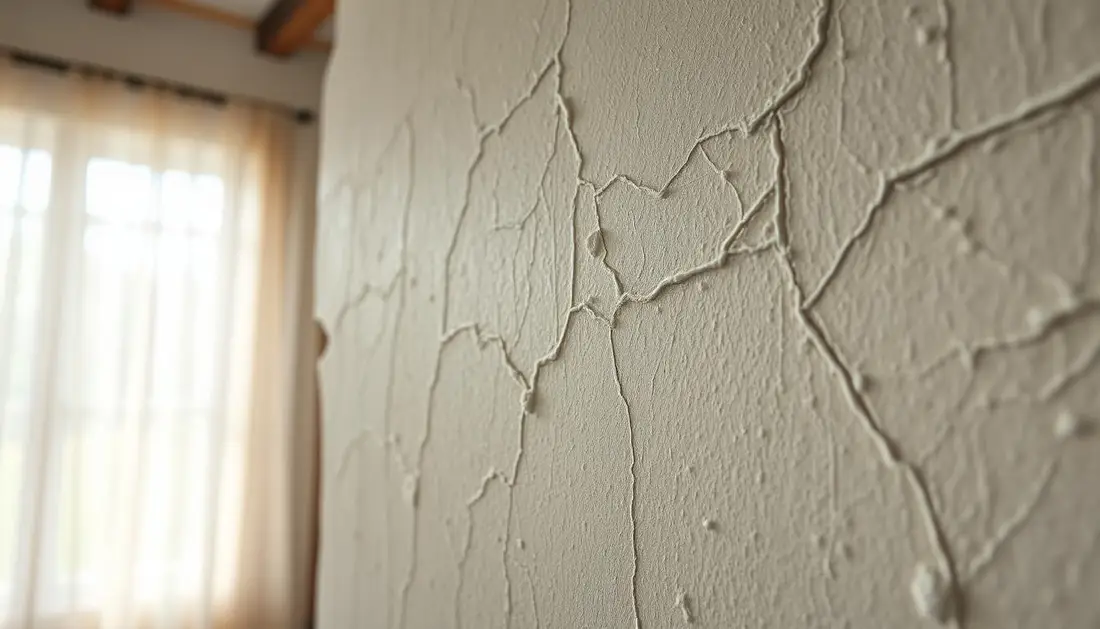
| Hairline, | Drying shrinkage or minor settlement | Monitor; cosmetic repair if needed |
| Stair-step / diagonal | Foundation settlement or subsidence | Document; seek engineer or contractor quote |
| Wide >5mm | Significant movement | Immediate professional assessment |
Note: We encourage you to record signs and dates. This helps contractors give accurate quotes and decide whether repair, underpinning or simple re-finishing is the right remedy.
The Role of Natural Settlement and Drying Shrinkage
Over the first one to three years a new build will often reveal small surface movement as materials adjust. This is a normal part of homes settling and does not usually signal urgent repair.
Drying shrinkage happens when water leaves the mix in a fresh finish. As moisture evaporates, internal stresses form and lead to fine surface cracks on walls.
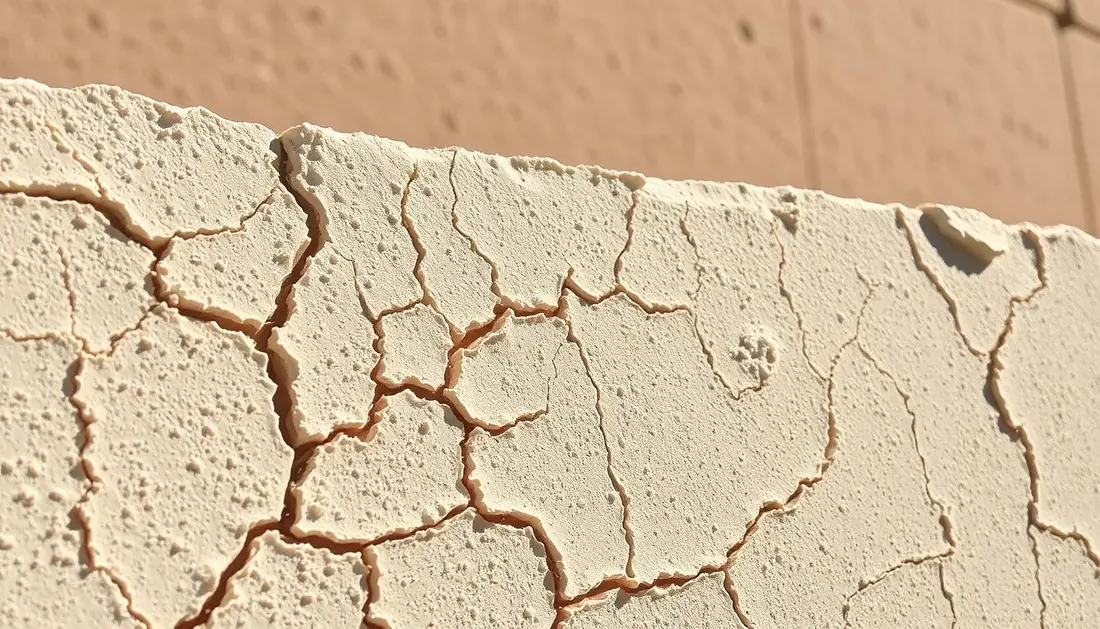
Key points to understand:
- Natural settlement is common in new homes; weight and ground compression cause slow movement over time.
- Drying and humidity shifts create shrinkage in plaster and minor surface lines.
- Temperature changes and expansion contraction cycles make different materials move at different rates.
- Controlling the drying environment reduces these types of issues on a newly finished wall.
Use our pricing guidance to estimate repair costs and request contractor quotes. Always ask an independent contractor to confirm whether the signs you see are cosmetic or need further investigation.
Environmental Factors Influencing Wall Movement
Changes in humidity and temperature quietly stress building materials, and you often see the result on interior walls.
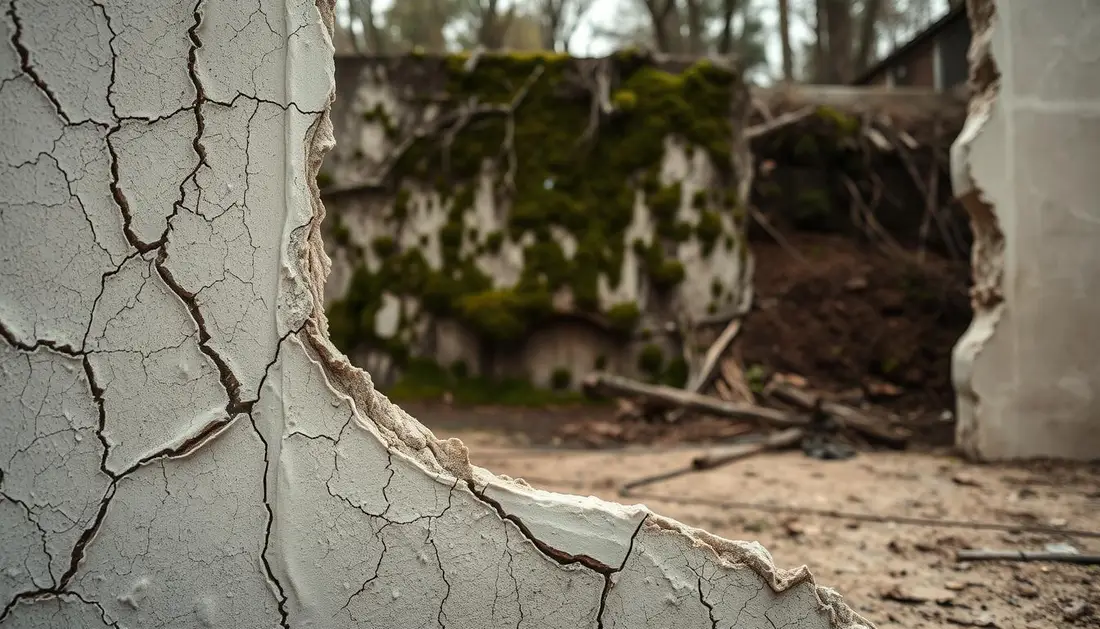
Humidity and Temperature Fluctuations
Humidity and temperature changes make materials expand and contract. Over time, these expansion contraction cycles produce hairline marks at joins and junctions.
Areas with high humidity suffer bigger swings. Materials absorb moisture, swell, then shrink when dry. This repeated movement worsens delamination and surface deterioration.
The Impact of Moisture Ingress
Moisture ingress from roof leaks or rising damp is more damaging than simple seasonal movement.
Rising damp carries salts that crystallise and push the finish away from the substrate. Roof leaks create saturated zones where adhesion weakens and panels can crumble.
“When doors or windows start to stick, check for moisture or ground movement — these are common warning signs.”
- Moisture can make subsidence worse by softening the ground under foundations.
- Document any new or widening lines and note if doors or windows bind.
- Our platform helps you decide if movement is environmental or needs foundation advice.
When to Call an Engineer Versus a Plasterer
Deciding who to call starts with measurements and evidence. Measure any gap and watch it over a few weeks. If a crack widens beyond 5mm or shows offset, call an engineer for a formal assessment.
For minor surface lines, a tradesperson can tidy the finish, re-skim or fill the wall and make it look sound again. Cosmetic repair is usually cheaper and quicker.
If you suspect subsidence or ground instability, engage an engineer first. They confirm whether underpinning, soil work or other major repair is needed.
- Engineer: widening lines over 5mm, displaced masonry, suspected subsidence or structural cracks requiring analysis.
- Plasterer: hairline or cosmetic damage, re-finishing and simple surface repair.
- Specialist: moisture-related issues may need a damp-proofing contractor before any finish work.
“Crack stitching uses stainless steel helical bars to reinstate wall strength and is often specified by engineers for repaired masonry.”
Our platform helps you compare costs and contractors. Always ask for a written report of cause and a clear scope before you approve any repair on your property.
Simple Monitoring Methods Before Spending Money
A few low-cost checks at home will tell you if a repair is urgent or can wait for redecorating.
Using tell-tale monitoring techniques
Collect clear, dated evidence before booking trades. Small, repeatable checks show whether a crack is active or stable.
- Mark each end of the line with a pencil and write the date. Check again after a week, a month and three months.
- Use a coin to estimate the width in millimetres. Photograph the coin beside the gap for a dated record.
- Note environmental factors: temperature swings, humidity or moisture near the wall can cause temporary opening and closing.
- Keep dated photos and notes. These signs help a contractor or engineer give an accurate quote and diagnosis.
- If the width stays stable, it is likely cosmetic and can be fixed with filler and paint during your next redecoration.
- Should the crack grow noticeably, seek professional advice — movement can be a sign that further investigation is needed.
“Monitoring is a cost-effective way to avoid unnecessary repairs and ensure you only spend on work that is required.”
The Importance of Correct Repair Specifications
A precise repair brief saves money by ensuring the work copes with movement and moisture.
Surface preparation is the foundation of any lasting repair. Remove loose material and dust so new plaster bonds properly.
Use the correct mix ratios for new plaster. An incorrect mix causes shrinkage and may lead to repeat cracks.
- Exact materials and types to be used, named in writing.
- Specified drying times between coats to prevent soft or powdery finishes.
- Steps to address moisture or ground movement before the final skim.
- Allowance for expansion and thermal movement in the repair method.
If a wall is crumbling or feels powdery, a full re-plaster may be the only way to get a durable finish.
“Poor surface prep is the most common cause of premature failure in repair work.”
Distinguishing Between Cosmetic and Structural Issues
A swift visual check can separate harmless hairline damage from movement that needs expert review.
Start by noting location, width and whether the line is visible on both sides of a wall. Small, static marks are often cosmetic. Growing or wide lines can point to deeper problems.
Signs of Foundation Movement
Look for diagonal cracks from corners, sloping floors and gaps at skirting. These are classic signs of foundation movement or subsidence.
If a crack is more than about 3mm and shows progressive growth with time, seek a professional assessment. Visible lines on both faces of a wall usually mean the issue crosses the structure and is more serious.
When to Worry About Doors and Windows
Doors or windows that bind, stick or no longer close square are strong warning signs. These faults show the frame geometry is changing as the foundations move. It reads well alongside how many bricks per square metre.
Measure and monitor before you spend. If doors and windows shift alongside diagonal cracks or sloping floors, call an engineer to confirm the cause.
| Warning sign | Likely cause | Action |
|---|---|---|
| Hairline marks only | Surface shrinkage or settling | Monitor; cosmetic repair when redecorating |
| Diagonal cracks from corners | Foundation movement or subsidence | Engineer inspection; possible underpinning |
| Doors/windows binding | Shifting frames from ground movement | Document; urgent professional assessment |
| Sloping floors / gaps at skirting | Uneven settlement | Survey floor levels; structural review |
Navigating Professional Quotes and Contractor Connections
Get clarity before you commit. Use our quote request process to connect with independent contractors who visit site, confirm cause and provide itemised pricing tailored to your property.
Costs vary widely. Cosmetic repairs usually sit between R1,500 and R6,000. Major work for subsidence or deep repair can range from R30,000 to over R250,000.
Prices depend on scope, access, materials, labour, finishes and region. Always ask for a written assessment of the cause of any crack and a clear list of inclusions.
- Compare at least two or three itemised quotes when possible.
- Check that proposed materials match your existing walls and building construction.
- Confirm warranties, timelines and whether doors and windows will be re-set after repair.
| Issue | Typical cost (guide) | What should be included |
|---|---|---|
| Hairline / cosmetic | R1,500–R6,000 | Diagnosis, fill, re-skim, finish, paint |
| Moderate movement | R6,000–R45,000 | Investigation, local repair, damp checks, materials |
| Subsidence / major repair | R30,000–R250,000+ | Engineer report, underpinning, rebuild works, warranties |
“Ask for an itemised quote and a cause report — that protects your budget and helps you choose the right repair.”
Final Steps for Securing Your Property Integrity
Track any new wall lines with dated photos and simple measurements. This shows whether a hairline crack is stable or changing over time.
Monitor your walls regularly and note width, pattern and any new signs such as sloping floors or doors that stick. Hairline marks are usually cosmetic, but growth or offset calls for urgent attention.
Control moisture and address foundation or ground issues early. For suspected subsidence or wide cracks, seek professional advice.
Use buildingpricessouthafrica.co.za to request quotes from reliable independent contractors. We connect you with experts who confirm the cause and offer clear, itemised repair options.
See what it costs in plaster rates and foundation cost guide. This pairs naturally with skimming vs plastering.
FAQ
What causes hairline plaster cracks and when should I be concerned?
Hairline surface cracks often come from drying shrinkage, minor settlement or temperature changes that make materials expand and contract. You should be concerned when cracks widen quickly, run diagonally across walls, step along brick joints, reappear after repair or are accompanied by sloping floors, sticking doors or fresh damp stains — these signs suggest movement in foundations or moisture ingress and need further inspection. This pairs naturally with stock, face and maxi bricks explained.
How can I tell the difference between cosmetic cracks and ones that indicate foundation movement?
Cosmetic faults are usually fine, vertical or hairline lines in a uniform pattern and don’t change much over time. Foundation-related damage tends to show wider gaps (more than 3–5 mm), diagonal stair‑step cracks in masonry, gaps at skirtings, or doors and windows that jam. Monitor width, direction and whether cracks cross joints — those are stronger indicators of structural issues.
What does a stair-step or diagonal crack pattern mean?
Stair-step cracking typically follows mortar joints and points to differential settlement or subsidence of the foundation. Diagonal cracks near corners of openings often show lateral movement or uneven load transfer. Both patterns should prompt closer checks and likely a structural engineer assessment if they’re more than hairline width or growing.
How do humidity and temperature affect wall movement in South African homes?
Seasonal humidity and daily temperature swings cause materials to expand and contract, creating surface splits over time. In South Africa’s varied climate, timber frames and cementitious surfaces can dry and shrink or swell with moisture, producing repeating minor cracks. Persistent moisture from leaks magnifies movement and accelerates deterioration.
Can new finishes or recent renovations cause cracking?
Yes. Fresh cementitious renders, plasterboard joints or paint can crack as they cure and adapt to the substrate. Inadequate movement joints, wrong compound selection or poor preparation will increase the risk. New work should be allowed to dry and be monitored; use correct spec and flexible fillers where movement is expected.
When should I call a structural engineer instead of a plasterer?
Call an engineer when cracks are widening, diagonal or stair‑step, when floors slope, or when doors and windows suddenly stick. Also consult an engineer if you see foundation settlement, major wall movement, repeated repairs that fail, or any crack accompanied by damp or bulging masonry. A plasterer can fix cosmetic damage but not investigate root cause.
What simple monitoring methods can I use before spending on professional advice?
Use tell‑tale strips (paper or plastic) across the crack, mark the ends and date them, or measure width with a ruler at intervals. Photograph regularly and note changes after heavy rain or seasonal shifts. If the crack grows or reappears after repair, seek a professional inspection.
How does moisture ingress affect walls and repair outcomes?
Moisture softens substrates, corrodes fixings and encourages repeated movement. Repairs over damp areas will fail and may hide ongoing problems. Identify and stop leaks, rising damp or poor drainage before making permanent repairs to ensure durability and to protect finishes and materials.
What should a correct repair specification include and why is it important?
A good spec lists cause, scope of works, substrate preparation, materials (including flexible fillers and mesh), reinstatement steps, labour rates, and warranties. It should account for movement joints and address moisture. Clear specs avoid repeated fixes and give contractors a measurable scope for quotes.
What signs at doors and windows indicate structural movement?
Look for sticking, uneven gaps, cracked corners of frames, or diagonal cracks radiating from openings. If multiple openings show the same trend, the issue is likely more than cosmetic and may relate to settlement or twisting of wall units — arrange a professional assessment.
How do regional factors and site conditions affect repair cost estimates in South Africa?
Costs depend on scope, technician level, materials, access, region and whether engineering reports or municipal approvals are needed. Urban areas with easy access generally have lower labour travel costs than remote properties. Expect to confirm in writing who will do site visits, finalise quotes and provide warranties.
Can I get multiple quotes and how many should I request?
You may request up to three independent contractor quotes, or up to five quote options where available. Compare scope, materials, lead times and warranties. Remember independent contractors handle site visits and final pricing; get everything written before work begins. For what this typically costs, see plastering per square metre costs.
What immediate steps should I take to protect my property while sorting repairs?
First, stop water ingress and divert surface runoff. Monitor the damage, make temporary seals against rain, and keep records and photos. If movement looks significant, restrict loading near the affected area and arrange a professional inspection to prioritise safety and long‑term repair planning.
Ready to compare?