Concrete vs Paving for Driveways
One surface poured, one surface laid – cracking, repairs and looks compared
Quick answer
Concrete vs paving for driveways – cracking behaviour, repairability, slopes and looks compared – to pick the surface that lasts.
12 min read
On this page
Which surface gives you the best long‑term value for cost and time? If you plan upgrades to your home, this question matters. At buildingpricessouthafrica.co.za we focus on pricing so you can compare options clearly.
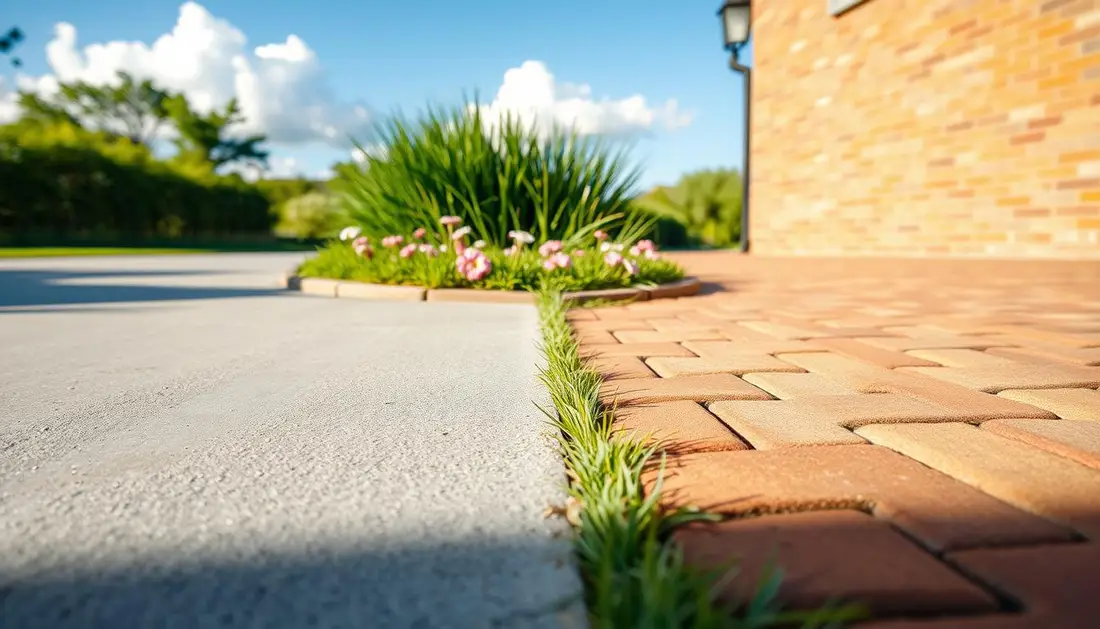
Choosing between a slab finish and pavers affects installation time, appearance and future maintenance. We explain how material choice links to lifespan and resale value.
Our platform offers straightforward pricing guidance and a simple quote request process that connects you with independent contractors. Use our pricing guidance to weigh cost against design, drainage and water management for your site.
Ready to compare real quotes? Visit buildingpricessouthafrica.co.za to request up to three options from local contractors and make an informed decision for your property.
Understanding the concrete vs paving driveway landscape in South Africa
Across South Africa, homeowners weigh which surfacing option best suits their home’s look and budget — and a poured drive starts from the concrete slab costs guide.
Many homeowners weigh the pros cons of a traditional slab against interlocking units. Practical costs, local soil, and long‑term upkeep shape the decision.
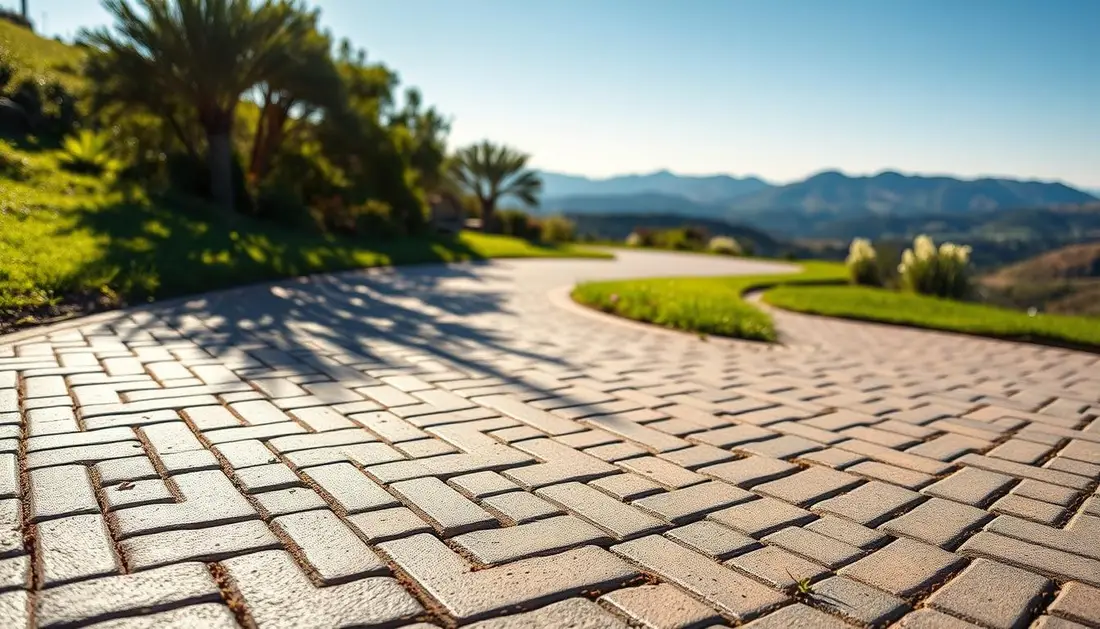
Pavers are widely regarded as the more sophisticated choice. They allow varied design and unique patterns that lift kerb appeal and often add more value than a plain slab.
Still, concrete remains a common material because it is familiar and quick to lay. When you compare pavers concrete, the visual impact is the main difference for many buyers.
Brick elements can be integrated into paving schemes to create a classic, timeless look. We focus on how each option performs in South African conditions so you can judge lifespan and style.
- We help you weigh cost, aesthetics and long‑term value.
- Use local quotes to confirm what suits your site and style.
Durability and performance under local conditions
How a surface copes with ground shifts and water determines its real-world lifespan. Reactive soils in many South African suburbs increase the risk of movement and visible damage.

Cracking behaviour and soil movement
Large, unsightly cracks form in rigid slabs where the ground heaves or settles. These cracks become trip hazards and raise repair costs over the years.
By contrast, pavers are laid to move slightly with the soil. A solid road base and a bedding layer of sand keep the surface permeable and stable.
- Reactive clay increases the chance of cracks in poured concrete slabs.
- Interlocking patterns and quality base work improve strength for pavers.
- Good drainage reduces water pooling that can worsen movement.
Lifespan and material strength
The true durability of any option depends on base preparation, materials and regular maintenance. Concrete pavers give a flexible surface that tolerates temperature swings better than a rigid concrete slab.
Choose the right base and sand and your paved area will keep its look and strength for many years with lower upkeep costs than a cracked slab.
Design versatility and aesthetic appeal
A well-chosen surface can lift kerb appeal and link a house to its garden and patio.
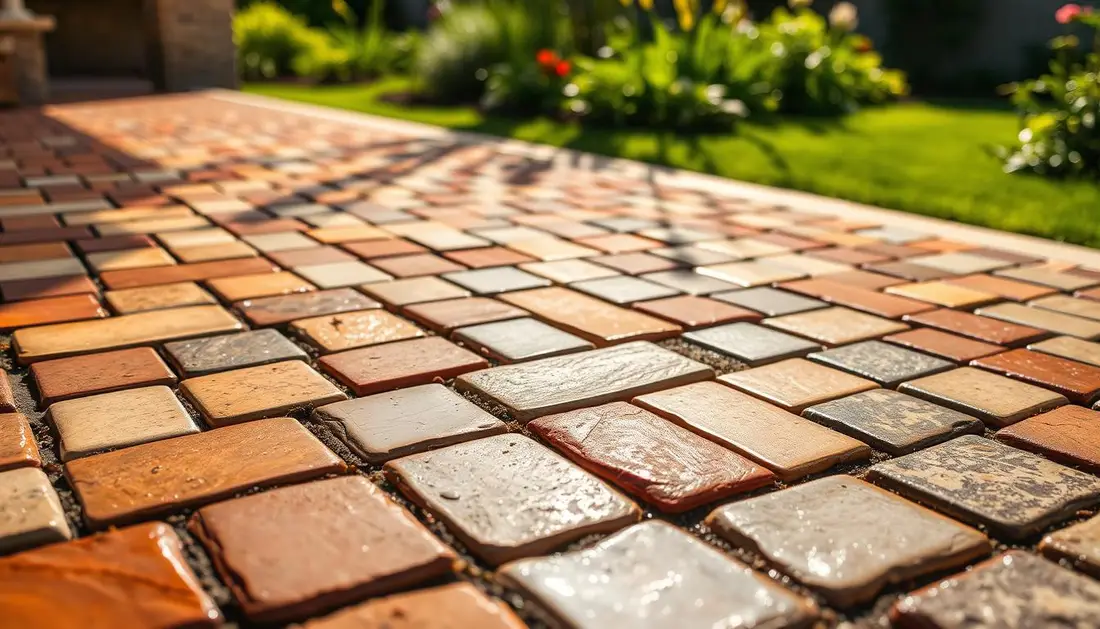
Choices in colour, size and texture change how your property reads from the street. This matters for resale value and daily use.
Pattern and texture options
Pavers offer a wide palette. Sizes range from 600x600mm to 200x100mm, letting you create large slabs or tight herringbone patterns that add visual interest and strength.
Brick, stone or concrete pavers can be blended to match your home’s style. Stamped or exposed finishes mimic natural stone when a plain slab look is not desired.
- Choose larger units for a modern, minimal look.
- Use smaller pavers for intricate patterns and added structural grip on slopes.
- Low maintenance surfaces retain colour and texture with occasional joint sand and cleaning.
Design tip: Coordinate patio materials and garden edging for a cohesive look that increases value and durability.
The critical role of base preparation
Every successful surface project depends on a correctly prepared sub-base and drainage plan.
Paving and poured surfaces both begin with careful excavation, levelling and compaction. If the sub-base is loose or uneven, sinking and cracking follow. This pairs naturally with why paving sinks and shifts.
A good base uses crushed rock or road base, compacted in layers. For pavers a bedding layer of sand keeps the paver units level and helps distribute vehicle loads.
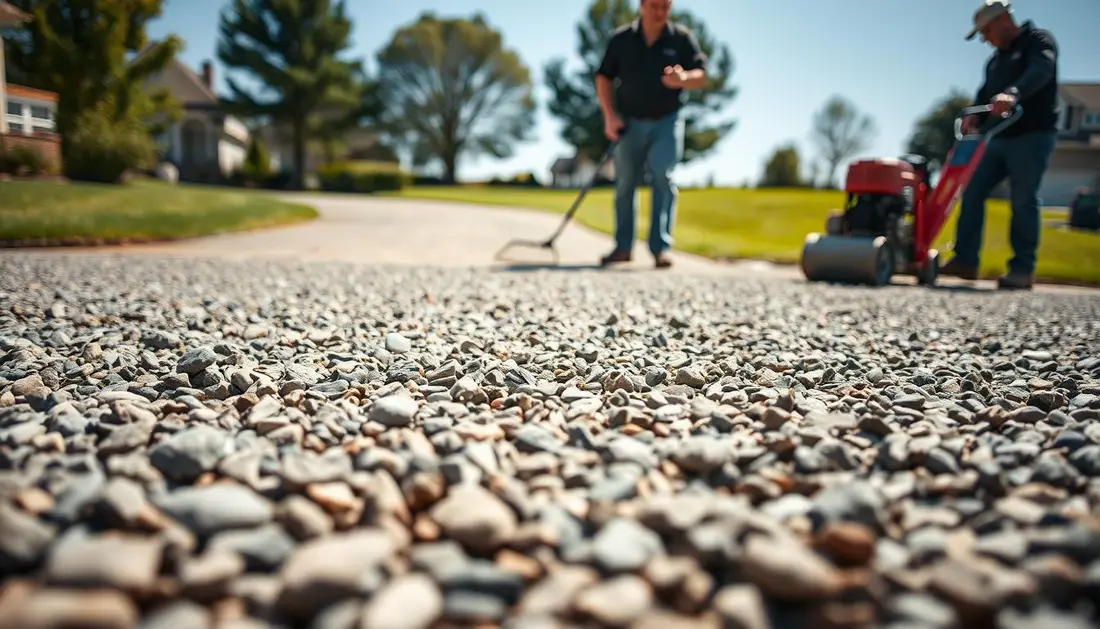
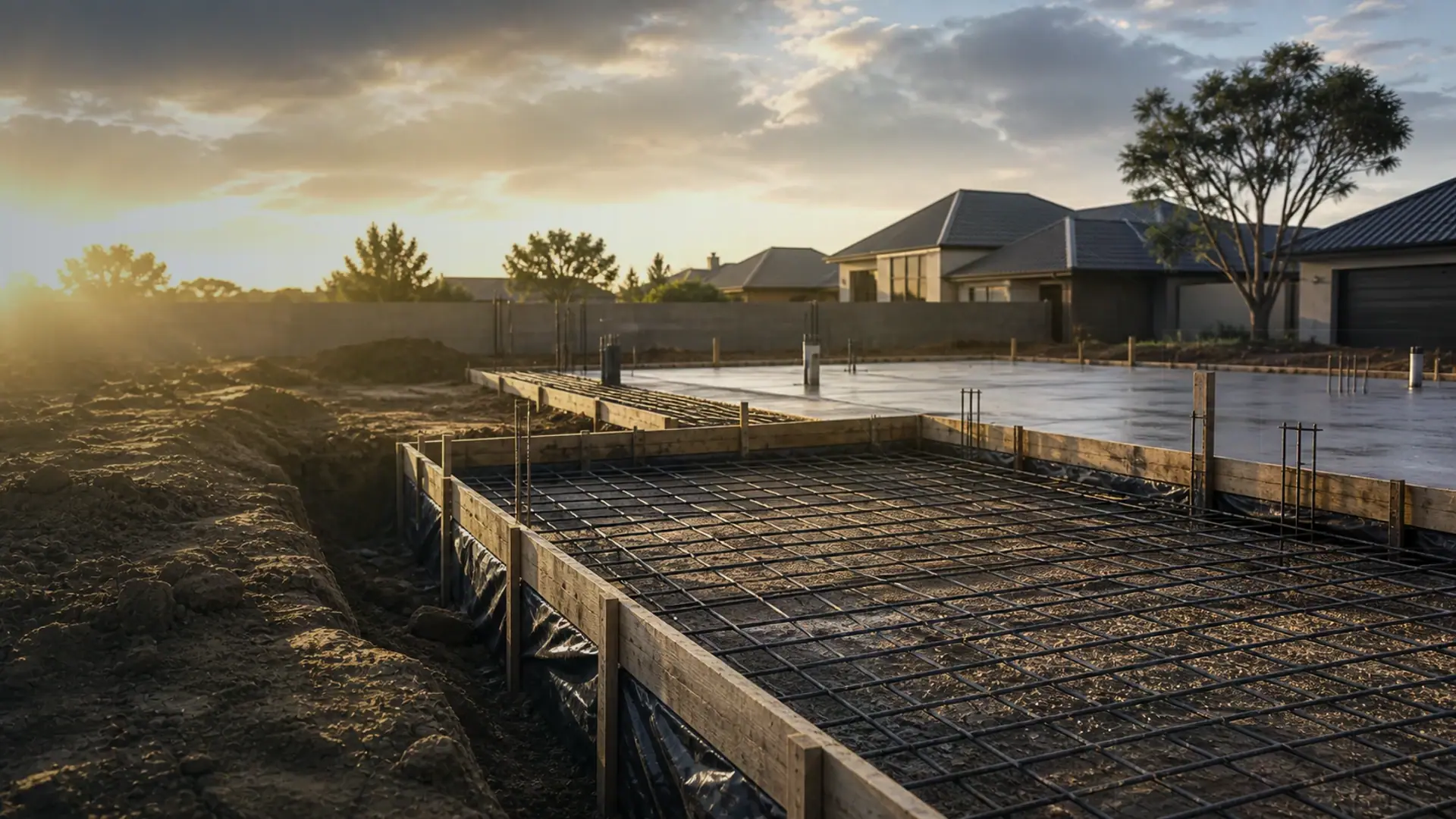
Concrete slabs need uniform support. When the ground moves beneath a rigid slab, cracks form and repairs become costly.
- Compaction prevents future movement.
- Bedding sand stabilises individual pavers under load.
- Integrated drainage keeps water from weakening the base.
| Task | Why it matters | Cost factor |
|---|---|---|
| Excavation & levelling | Removes unstable topsoil and sets fall for drainage | Labour + waste removal |
| Sub-base material | Crushed rock/road base provides strength and compaction | Material + delivery |
| Bedding sand / screed | Ensures level pavers and cushions loads | Sand & workmanship |
| Drainage | Prevents water damage and base erosion | Channels, pipes, falls |
Cutting corners during base work is the most common reason for premature failure. We connect you with contractors who prioritise the base — the real foundation of a durable, high‑quality project.
Comparing installation and long-term maintenance
How easily you fix, lift or seal a surface changes its lifetime cost more than its initial price. That reality guides many homeowners when choosing between slab and unit systems.
Repairability of individual units
Pavers can be lifted and replaced one unit at a time. This makes repairs quick and localised.
Concrete slabs often need large sections cut out or fully repoured when they crack. The finish rarely matches the original, so patched areas show.
Accessing underground services
If you must reach sewer, pipe or cable lines, modular units let you open the surface without permanent damage. Re‑laying takes little time and keeps the area neat.
Cutting into a poured slab is slow and leaves visible scars. Repairs usually cost more and affect the overall look of the area.
Cleaning and sealing requirements
Unit surfaces are easy to seal to repel oil and stains. Occasional re‑sealing and joint sand refresh the look and add low maintenance benefits.
Hard slabs show marks clearly and often need aggressive cleaning products to remove oil or tyre tracks. That raises upkeep cost over years.
“Maintaining a paved area is generally easier because individual units can be replaced if stained or damaged.”
| Feature | Unit surface | Monolithic slab |
|---|---|---|
| Repair time | Short — single unit replacement | Long — cutting and repour required |
| Access to services | Lift and relaid with minimal damage | Cut patching causes visible marks |
| Cleaning | Sealable; stains easier to manage | Requires strong degreasers; shows marks |
| Long‑term cost | Lower if well maintained | Higher when major repairs needed |
Cost considerations and value for money
A lower upfront price can hide higher costs later when repairs and upkeep are needed, so compare lifetime figures rather than the headline — the paving cost per square metre guide gives the current rates. For what this typically costs, see paving per square metre costs.
While the initial cost per square metre for a plain slab may be lower, pavers usually deliver better value over time because they reduce large repair bills and make maintenance easier.
Prices depend on scope, site conditions, materials, labour, finishes, access, region and contractor assessment. Confirm inclusions, exclusions, timelines, payment schedules and warranties in writing before work starts.
- Initial cost per square varies by material and finish.
- Pavers avoid the costly full‑slab repairs common with cracked surfaces.
- Consider total cost of ownership: installation, joint sand, sealing and repairs.
| Cost Factor | Why it matters | Effect on price |
|---|---|---|
| Site access & dig | Affects labour time and machinery | Often increases per square rate |
| Materials & finish | Pavers, brick or textured slab change appearance and cost | Large variance per square |
| Base & drainage | Controls lifespan and future maintenance | Upfront investment saves long‑term money |
“Think in terms of total ownership: a modest extra now can save major repair bills later.”
We provide pricing guidance and tools to compare quotes so you can choose the option that gives the best value for your site and budget.
Choosing the right surface for your property layout
Your property’s layout determines where grip, pattern and low cost matter most.
Think about steep slopes, formal entrances and side access separately. Each area has a clear best option depending on use, exposure and budget.
Steep driveways and slope grip
For steep slopes the textured face of pavers offers superior grip and slip resistance. A properly compacted base and 50mm minimum paver thickness help resist wheel loads and movement.
- Patterned entrances are simple with pavers and lift kerb appeal and value.
- Budget strips or plain concrete paths work well for service areas and side access where looks are secondary.
- Always use well‑compacted base material and a sand bedding layer to prevent shifting on slopes.
| Area | Recommended option | Key note |
|---|---|---|
| Steep slope | paver driveway | Textured surface, 50mm min thickness |
| Patterned entrance | pavers offer | Design flexibility, adds value |
| Service path | simple concrete strip | Low cost, functional |
Decide by area: match surface, base and sand to use and slope to get lasting value.
Finalising your driveway project with professional guidance
Completing your project well means balancing value, time and maintenance before you sign. Use clear price guidance to set realistic budget lines and timelines.
buildingpricessouthafrica.co.za helps you compare costed options and connect with independent contractors for on‑site quotes. Our quote comparison tool shows up to three priced options so you can pick the best fit for your home.
Consider materials, base work and patterns in your final design choice. A well‑maintained brick or paver driveways will give lasting value for many years and reduce long‑term repair bills.
Visit buildingpricessouthafrica.co.za to request quotes, confirm scope and start your project with confidence.
FAQ
What are the typical costs per square metre for a slab compared with interlocking pavers in South Africa?
Prices vary by region, access and finish. Expect a plain slab from about R350–R500/m² installed for a basic, exposed aggregate or broom finish. Standard concrete pavers range roughly R450–R800/m² installed, while premium natural-stone or designer pavers can be R900–R1 500/m². These figures include labour, base preparation and materials but exclude heavy site clearance, drainage upgrades or council approvals. Always get written quotes that list scope, materials and warranty.
How long will each option last under typical suburban conditions?
A well-built concrete slab can last 25–40 years before major repairs, depending on soil movement and reinforcement. Quality interlocking pavers often last 30–50 years because individual units can be replaced and the surface tolerates small ground shifts. Lifespan depends on base strength, drainage and vehicle loadings.
Which option handles cracking and soil movement better?
A continuous slab is more prone to visible cracks when the ground moves or heavy vehicles turn sharply. Pavers perform better with minor ground movement because joints and the sand or grit bedding allow slight movement and individual units can be lifted and relaid. Proper base compaction reduces problems for both.
How important is base preparation and what does it include?
Base preparation is critical. It typically includes excavation, geotextile, well-graded crushed stone compacted in layers, a bedding layer of sharp sand for pavers, and, for slabs, a compacted sub-base with reinforcement (mesh or rebar). A poor base shortens life and raises long‑term costs.
How does installation time compare between slabs and pavers?
A slab usually takes less time to lay — a few days for small-to-medium driveways (including curing time). Pavers require longer due to bedding, jointing and compaction; expect several days to a week depending on area and pattern complexity. Weather and curing influence schedules.
What maintenance is required for each surface?
Slabs need occasional sealing, joint/crack repairs and cleaning; resealing every 3–7 years helps reduce staining and surface wear. Pavers require periodic sweeping, refilling sand joints, pressure-washing and resealing if desired; individual pavers may need replacement after years of use. Both are low‑maintenance if correctly installed.
Can I access underground services after installation?
Paved surfaces make access easier — you can lift pavers to expose cables, pipes or drains and relay them afterwards. A slab requires cutting and patching to reach services, which costs more and can be visible. Plan routes for services before construction to avoid later cutting.
Which surface gives better grip on steep driveways and wet conditions?
Textured pavers generally provide superior grip and traction on slopes, especially in wet weather. Broom-finished slabs can be slip-resistant but offer less pattern-based grip. Choose textured finishes or anti-slip surface treatments for steep approaches.
How flexible are design and pattern options for each choice?
Pavers offer the most design variety — colours, shapes, laying patterns (herringbone, basketweave, stretcher bond) and edge treatments. Slabs can be coloured, stamped or cut into panels to mimic patterns, but options are more limited and changes are costlier once poured.
Which option gives better value for money for resale and kerb appeal?
Well-installed pavers often add stronger kerb appeal and perceived value because of their finish and repairability. A good-looking slab with quality finishes can also appeal, especially where cost is tighter. Consider longevity, maintenance and local buyer preferences.
How do I compare quotes and what should I confirm in writing?
Check scope, materials (paver brand/type or cement mix and reinforcement), base depth and material, drainage solutions, edge restraints, labour, start/completion dates, site access charges and warranty terms. Confirm who handles council approvals and who removes spoil. Ask for itemised pricing per m² so you can compare like for like. It reads well alongside cement, clay & flagstone pavers compared.
What common problems should I budget for after installation?
Budget for joint sand top-ups (pavers), resealing, minor crack repairs (slab), possible edge settling if restraints fail, and extended maintenance if heavy vehicles are used. Allow 5–10% of installation cost per year over the first five years for upkeep in realistic budgeting.
Can I mix surfaces — for example, a slab apron and paved parking bay?
Yes. Combining a poured slab for turning areas with pavers for parking or borders is common. It can reduce costs and add visual contrast. Ensure proper transitions and edge restraints so differing movement characteristics don’t cause issues.
Do I need council approval or engineering for either option?
Requirements differ by municipality and site. Large slabs on steep sites, changes to drainage, or removals of existing stormwater paths may need plans or approval. Check local bylaws and ask contractors to confirm whether engineering or approvals are needed before work starts. This pairs naturally with driveway falls and drainage basics.
How do regional factors in South Africa affect material choice and pricing?
Transport distances, local labour rates and material availability influence cost. Coastal areas may need coastal-grade materials or different sealers due to salt exposure. Clay soils inland require stronger bases and possible geotechnical input, increasing costs. Get regional quotes to capture these factors.
Ready to compare?