
Cement, Clay & Flagstone Pavers Compared
Cement, clay and flagstone – wear, colour-fastness and the right fit per area
Quick answer
Cement, clay and flagstone pavers compared – wear, colour-fastness, driveway suitability and looks – to choose the right paver.
11 min read
On this page
Which surface will give your patio lasting value and the right look for your home? It is a simple question with many costs and design angles to weigh. At buildingpricessouthafrica.co.za we help you compare cement vs clay pavers so you can make a clear choice for your next paving project.

Choosing the right material means balancing appearance with long-term durability. You will want to know the pros of clay brick, the flexibility of concrete solutions, and how each option affects your overall cost.
Our platform gives straightforward pricing guidance and realistic comparisons of brick pavers, clay concrete mixes and natural stone. We aim to make your decision practical and budget-aware, so your patio looks great and performs well.
Start by checking three things: material life, maintenance needs and total cost. That gives you a sensible basis to request quotes and move your project forward with confidence.
Understanding the Cement vs Clay Pavers Market in South Africa
We track how material choice changes the look and value of your home and outdoor space. The market now gives you a clear selection of finishes and prices, so you can pick a solution that suits budget and appeal.

South African suppliers expanded ranges of concrete pavers, while traditional brick and clay options remain popular for their classic feel. Romans used clay bricks for roads, a reminder that brick can stand the test of time.
Compare clay concrete mixes, brick pavers and modern concrete styles by weighing initial cost, maintenance and longevity. In many cases the initial expense for clay brick pavers is offset over time by lower replacement needs.
- Variety: more colours and textures available for both brick and concrete options.
- Climate: choose materials that suit local weather and heavy-use spaces.
- Value: consider long-term maintenance when you make your choice.
| Feature | Clay brick | Concrete finish |
|---|---|---|
| Typical lifespan | High (low replacement) | Moderate to high (depends on mix) |
| Upfront cost | Higher | Lower to mid |
| Look & appeal | Classic brick aesthetic | Wide range of textures |
Defining the Material Characteristics of Clay and Concrete
Production matters. The way a product is made explains its colour, strength and the shapes available for your project. Below we describe the two core processes so you can compare performance and installation needs.
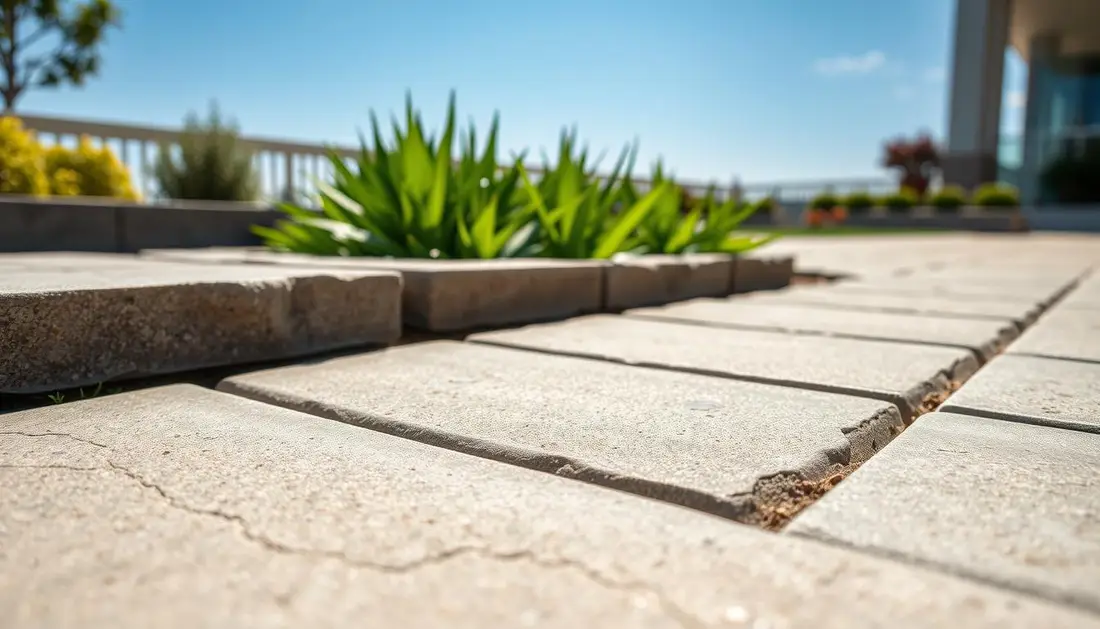
The firing process of clay
Made natural clay is shaped, dried and then fired in kilns using natural gas at up to 1000 degrees Celsius. This fuses particles and gives brick a dense, colour-fast body.
The result is a consistent colour through the product and superior UV resistance. That makes clay brick ideal where long-term look matters.
The curing process of concrete
Concrete products cure at moderate temperatures—typically between 10 and 30 degrees Celsius. This allows a wider variety of shapes, sizes and design options during production.
Uniform size of many concrete products often makes installation quicker. However, concrete may show surface fade over time unless sealed.
“Understanding production helps explain why clay brick pavers are often chosen for premium landscaping, while concrete paver products are favoured for design flexibility.”
| Characteristic | Made natural clay | Concrete products |
|---|---|---|
| Typical process | Fired at ~1000°C | Cured at 10–30°C |
| Colour permanence | Consistent through the brick | Surface colour may fade |
| Design variety | Traditional shapes, rustic look | Wide variety of shapes and sizes |
| Installation note | Classic laying patterns | Uniform sizes ease installation |
Performance Metrics and Durability Comparisons
Durability and traffic handling determine how well a paved area serves your home over decades.
Service life matters. Clay brick products are renowned for long life; correctly laid clay brick pavers can serve for around 125 years. By comparison, concrete pavers commonly give about 50 years of service under normal residential use.
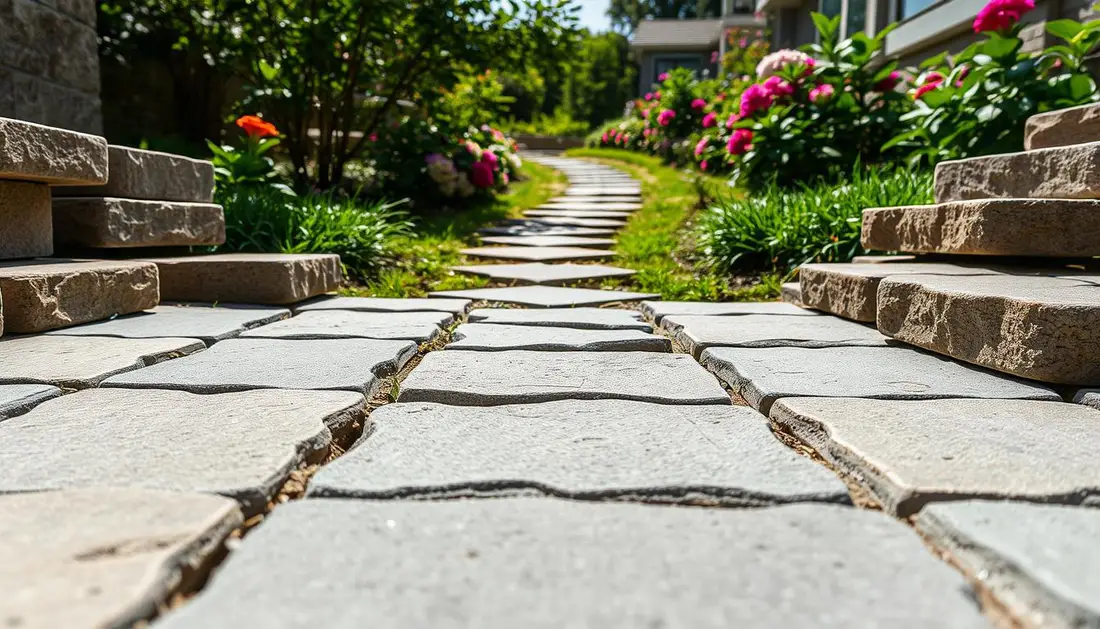
Traffic Suitability and Structural Integrity
For heavy-use driveways and busy patios, material strength is critical. Clay maintains structural integrity under repeated vehicular and foot traffic.
Concrete resists force well but may need repair or replacement sooner in high-traffic spaces. UV and moisture over time favour clay in many South African climates.
- 125 years: typical for durable clay brick installations.
- ~50 years: expected life for many concrete pavers in domestic settings.
- Choose a brick and laying method that suits the intended traffic to avoid premature cracking.
| Material | Typical service life (years) | Best for |
|---|---|---|
| Clay brick | 125 | High-traffic driveways, long-term outdoor space |
| Concrete pavers | 50 | Patios, lighter-driveway use |
Summary: match the brick or paver to real traffic levels and expected lifespan. That ensures your paving stays functional and attractive for decades.
Technical Data for Driveway and Patio Planning
Accurate measurements and product data save time and reduce waste on any paving job. Use this practical guidance to match product properties to your driveway or patio and keep your project on budget.

Slip Resistance and Safety Standards
Safety first: choose textured surfaces and certified slip ratings for wet areas. Both concrete pavers and clay options offer textured finishes that improve grip and reduce slips.
Pattern and Cutting Waste Considerations
Smart layout saves money. Pick shapes and sizes that suit your space to cut waste. Long thin units such as Tobermore’s Artro (220×55mm, depth 80mm) can change cutting needs and visual design.
Driveway Grade Thickness Requirements
For vehicular traffic, thickness matters. An 80mm depth is often recommended for driveways; Tobermore’s Artro range meets that need.
| Use | Recommended depth | Notes |
|---|---|---|
| Driveway | 80mm | Handles cars and light trucks |
| Patio | 50–60mm | Foot traffic and garden furniture |
- PrimeTop surface improves UV colour retention of concrete and helps maintain the look of your paving.
- Plan for cutting waste in labour and material estimates to avoid surprises during installation.
Maintenance Expectations and Surface Longevity
How you clean and protect surfaces sets the expected lifespan of any paved area. Regular upkeep keeps your brick and stone looking good and reduces repair costs over time.
Routine care differs by material. Clay pavers typically need pressure washing once or twice a year to clear dirt and moss. That low-frequency work helps clay retain its colour for many years.
Concrete pavers often need cleaning every three to four months to avoid stains and surface wear. Over the years concrete may show spalling unless you seal the surface.
- Choose quality brick and installation to cut long-term upkeep and extend life.
- Apply protective sealant on concrete to reduce staining and erosion.
- Follow a simple schedule to keep your outdoor space safe and tidy.
Practical tip: match your cleaning plan to the paver type you select. That protects your investment and keeps your home looking cared for for many years.
Navigating Relative Pricing Tiers and Value
Understanding how suppliers price different surfacing options helps you plan realistic budgets. Prices depend on scope, site access, finishes, labour, region and a contractor’s on-site assessment.
Typical guidance: clay brick products are generally 15–20% more expensive than concrete alternatives, largely because installation is more labour-intensive and skilled work takes longer.
Concrete pavers remain cost-effective and offer many shapes and design options that suit tighter budgets. That makes concrete a popular choice when you want varied design at lower initial cost.
- Consider long-term durability and low maintenance when comparing upfront cost and appeal.
- Confirm inclusions, exclusions, timelines, payments and warranties in writing with your contractor.
- Ask for itemised quotes so you can compare product, installation and site-specific charges.
| Factor | Impact on price | Why it matters |
|---|---|---|
| Materials | High | Quality affects lifespan and look |
| Labour & access | Medium–High | Complex sites increase installation cost |
| Finishes | Medium | Sealing and special shapes raise price |
“Our pricing guidance helps you compare tiers so you select the best material for your budget without compromising quality.”
Finalising Your Paving Selection Through Our Platform
Get clarity on cost and installation by requesting competitive quotes through our platform. Use buildingpricessouthafrica.co.za to explore pavers and design options that suit your home and budget.
Request up to three independent quotes for your paving project and compare price, finish and timeline side by side. Each contractor manages site visits, work schedules and warranties so you know who handles what.
Our quote request process gives independent pricing guidance to help you make a confident choice between brick pavers and other surface types. Compare cost, installation method and long‑term upkeep to plan your outdoor space well.
Start today—request quotes and take the first step toward a durable, attractive driveway or patio that fits your site and style.
For current rates, see paving costs. This pairs naturally with our guide to paving sinks and shifts.
FAQ
What are the main differences between cement, clay and flagstone pavers?
Clay brick pavers are fired natural clay with a warm, traditional look and excellent colour stability. Concrete pavers are cast from cementitious mixes and offer more shapes, sizes and finishes at a lower purchase price. Flagstone (natural stone) gives an organic, irregular surface with unique veining and higher material cost. Choose clay or concrete for uniform modules and easier installation; choose flagstone for a bespoke, rustic finish.
How does the firing process of clay affect its durability?
The high-temperature firing of clay bricks vitrifies the material, making it dense and colour-fast. That process improves resistance to wear, fading and freeze–thaw cycles, which is why properly fired clay performs well in driveways and heavy-traffic areas with minimal surface erosion over years.
How does concrete curing influence strength and long-term performance?
Concrete pavers gain strength through curing of the cement paste. Proper mix design, compaction and curing time determine compressive strength and durability. Well-made concrete units can meet structural loads for driveways, but they may show more surface wear and UV-driven colour change than fired brick unless sealed or pigmented.
Which paver type is best for heavy vehicle traffic and driveways?
For frequent heavy loads, choose units rated for driveway use with adequate thickness and correct base preparation. Dense clay bricks and high-strength concrete interlocking units both work well when installed on a compacted sub-base and suitable bedding layer. Confirm product compressive strength and supplier recommendations for driveway applications. This pairs naturally with concrete vs paving driveway.
What slip-resistance standards should I check for outdoor paving?
Check the supplier’s R-value or SRA test results, and look for textured finishes or sand-blasted surfaces for better grip when wet. For pool surrounds and public access routes, use higher slip-resistance grades and confirm compliance with local safety requirements.
How much cutting waste should I allow for different paving patterns?
Cutting waste depends on pattern complexity and perimeter shape. Allow 5–8% extra for simple running-bond or stretcher courses, 8–12% for herringbone or circular patterns, and up to 15% for irregular flagstone. Always order extra to cover breakage and future repairs.
What driveway thickness do I need for brick or concrete units?
Typical driveway units are 50–60 mm thick for residential passenger cars when installed on a well-prepared sub-base. For light delivery vehicles or higher-load areas, use 60–80 mm units and strengthen the base. Confirm thickness with product technical data and your installer.
How much maintenance do clay, concrete and flagstone surfaces require?
Clay brickwork needs little more than swept cleaning and occasional joint sand top-ups; resealing is rarely required. Concrete may need sealing every few years to slow staining and UV fade. Flagstone benefits from sealing to reduce efflorescence and moss growth. All surfaces require proper drainage and periodic weed control between joints.
How do the costs compare across material types in South Africa?
Expect clay brick pavers to sit mid-to-high in material cost due to manufacturing and finish. Concrete units are generally the most economical, offering wide price ranges depending on colour and texture. Natural flagstone is usually the most expensive per square metre. Labour, base preparation, site access and waste allowances can double or triple material-only costs, so budget accordingly. For what this typically costs, see paving per square metre price guide.
What factors influence the final quote from contractors?
Final pricing depends on scope, labour rates, material choice, access to the site, sub-base excavation and disposal, drainage work, edging, pattern complexity, and finishing. Regional labour rates and required approvals also affect cost. Always request a written breakdown and confirm warranty terms.
Can I compare quotes through your platform and how many options will I get?
You can request up to three independent quotes, or up to five where available, from qualified contractors on our platform. Contractors handle site visits, final measurements, timelines and warranties. We provide the lead to compare realistic prices and select installers, but do not guarantee a specific number of quotes.
What should I confirm in writing before work starts?
Ask for an itemised quote showing material types, unit rates, quantities, labour, base works, drainage, edging and waste allowance. Confirm product specifications (thickness, strength), start and completion dates, payment schedule, and warranty or defects terms. Insist on a signed contract before any on-site work. It reads well alongside driveway drainage.
Are there local brands or standards I should look for in South Africa?
Look for established manufacturers and suppliers who provide technical datasheets, strength ratings and test results. Reputable South African brands and accredited installers will supply product information and references. Check compliance with relevant SANS or local municipal requirements for paved surfaces.
Ready to compare?