
Ceiling Board Types Compared
Gypsum, PVC and fibre-cement – matching boards to rooms and budgets
Quick answer
Ceiling board types compared – gypsum, PVC and fibre-cement – with damp-area suitability, finishes and maintenance explained.
10 min read
On this page
Which ceiling option gives you the best value and the fewest surprises?
Choosing well at the start saves time and money later. On buildingpricessouthafrica.co.za we focus on clear pricing so you can compare quotes for your next project without guesswork.
Gypsum is a naturally occurring mineral, while PVC is a manufactured polymer. Each has distinct benefits for a false ceiling, from sound control to moisture resistance.
Our platform guides you through cost and installation factors, and connects you to independent contractors for local quotes. This helps you weigh options against your budget and timeline.
Whether you plan small home projects or larger renovations, we show the key trade-offs so you can decide quickly and confidently.
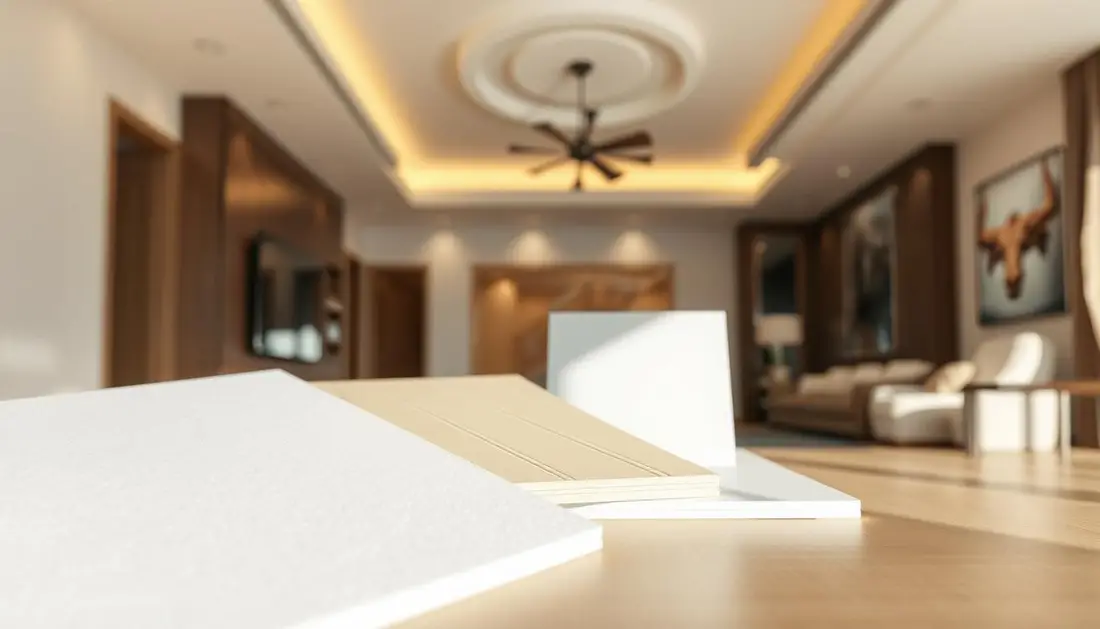
Understanding the Gypsum vs PVC Ceiling Debate in South Africa
A common decision for South African homeowners is whether to favour a polished, seamless finish or a practical, moisture‑resistant system for their ceiling. This choice shapes both the look and the long‑term upkeep of your rooms.
Gypsum is prized for a smooth, continuous surface that suits modern living areas and adds a premium feel. PVC panels come from factory production and give a cost‑effective, damp‑tolerant option for kitchens, bathrooms and service areas.
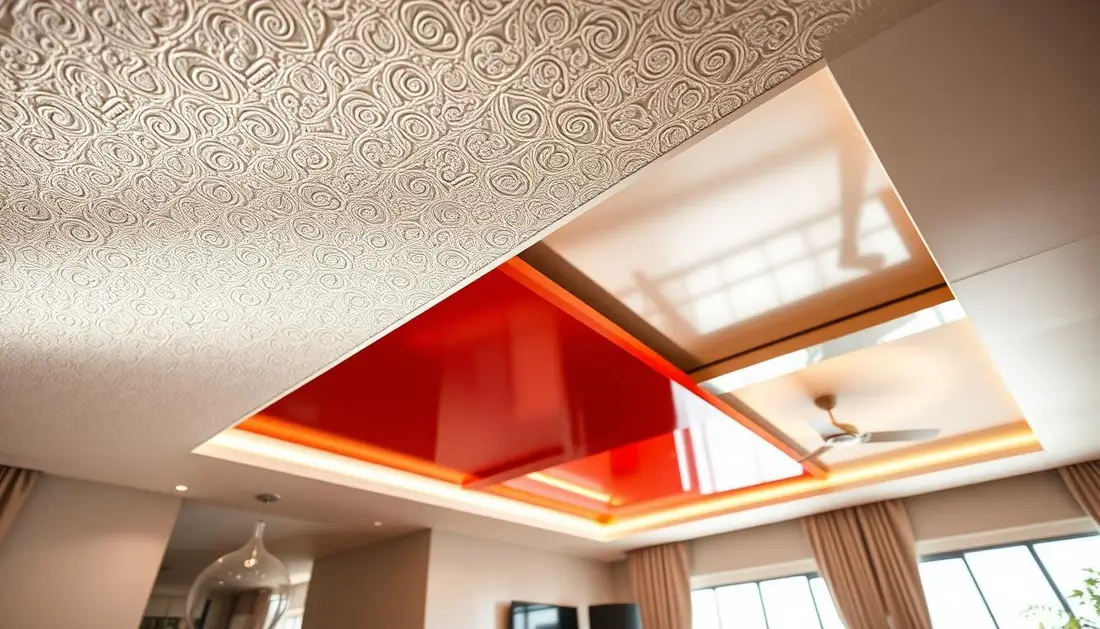
- Aesthetics — seamless finish for living rooms and formal spaces.
- Durability — manufactured panels resist moisture and need less maintenance.
- Cost — one option is generally more budget friendly for high‑traffic or wet rooms.
- Suitability — match the material to the room, access and ventilation.
We analyse these factors so you can pick the best option for your space and budget. Confirm scope, finishes and warranties in writing when you request quotes.
Material Properties and Performance Characteristics
Material selection governs how a room performs — from sound control to fire safety and moisture handling. Understanding the composition and behaviour of each board helps you match materials to rooms and budgets.
Gypsum Composition
Natural mineral boards are made from a hydrated calcium sulphate core faced with paper. The board is usually fixed to a metal frame with screws to create a continuous, smooth surface that suits modern interior design.
Advantages: excellent fire resistance and sound insulation. The framed installation also allows recessed lighting and layered designs for richer textures and finishes.
PVC Synthetic Structure
Polyvinyl chloride panels are factory-made, lightweight and waterproof. They snap together for fast installs and resist decay, termites and fungal growth in humid spaces.
They do not offer the same seamless finish as mineral boards, but they provide a practical, low‑maintenance option for areas exposed to water.
Fire and Moisture Resistance
Fire behaviour differs markedly. High‑quality mineral boards resist flame and release steam when heated, while PVC can emit chlorine gases in a severe fire.
For moisture, PVC panels perform better without coatings; mineral boards need protective treatments in bathrooms and kitchens. Both systems add a degree of thermal insulation and can improve interior comfort.
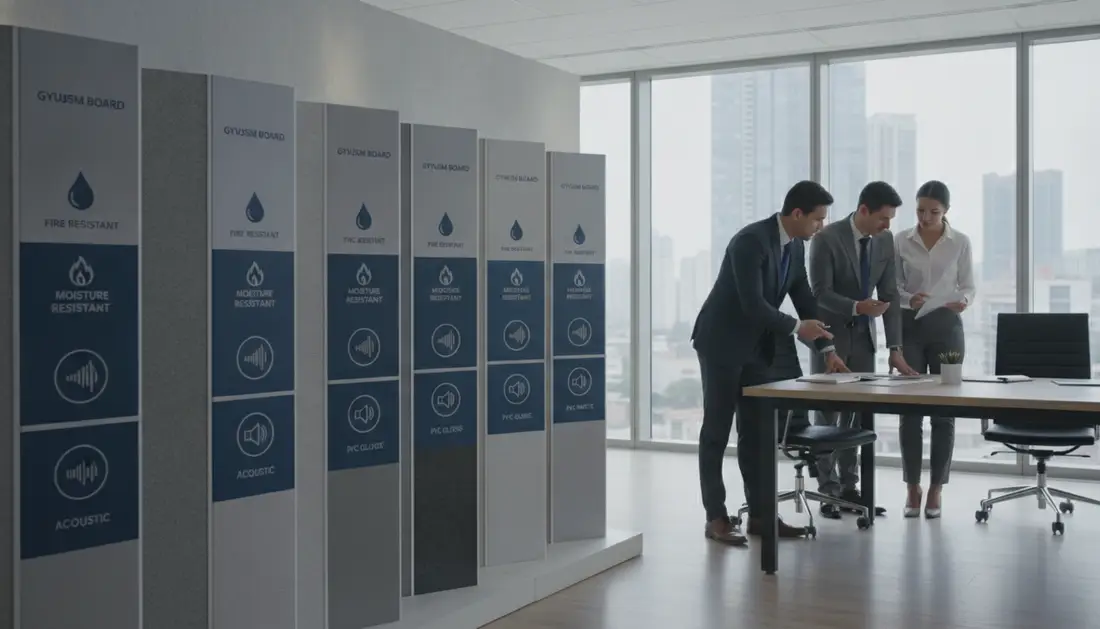
Room-by-Room Recommendations for Your Property
Match materials to humidity, traffic and the finish you expect in each room.

For living areas and main bedrooms, choose a smooth, premium board to lift the interior and help with sound control. A seamless finish improves light distribution and complements a range of designs.
Living Areas and Wet Zones
Living spaces: use mineral board for a high‑end look and better sound absorption. This supports layered lighting and refined textures without visible joints.
Bathrooms, balconies and eaves: select water‑resistant panels. These resist steam, are simple to clean and reduce long‑term maintenance in humid areas.
- Kitchens: good ventilation lets you use a smooth board; otherwise, low‑maintenance panels are preferred for grease resistance.
- Sound and insulation: mineral board gives superior acoustic benefit for quiet bedrooms and lounges.
- Mixing materials often yields the best balance of cost and performance.
| Room | Recommended Material | Primary Benefit |
|---|---|---|
| Living room / Bedroom | Mineral board | Seamless finish, sound absorption |
| Bathroom / Eaves | Water‑resistant panels | Moisture resistance, easy cleaning |
| Kitchen | Panels or board (ventilated) | Grease resistance or premium finish |
Plan by moisture levels and room use to save time and money later. Our platform suggests you confirm scope, finishes and warranties in writing before you request quotes.
Installation Realities and Maintenance Requirements
How long work takes and how messy it gets are key considerations when planning new ceiling work.
Labour and disruption: Mineral board installation needs metal framing, boarding, taping and sanding. Expect significant dust and a 3–7 day programme in most homes. Skilled labour is required to get a smooth finish and that adds to cost.
Faster option: PVC panels fit quickly and often finish in a single day. They need no painting and cause minimal downtime, which suits occupied spaces and rental properties.
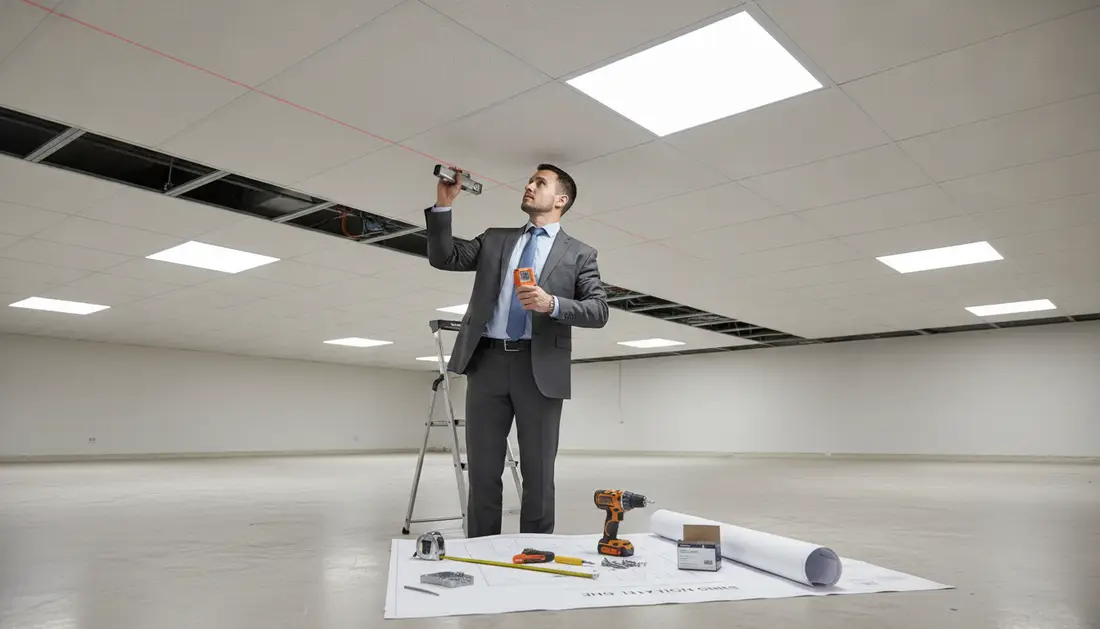
- Maintenance: mineral boards may need occasional repainting; panels wipe clean with a damp cloth.
- Moisture: panels resist water and humidity; board repairs follow leaks.
- Site check: confirm structural support for the chosen material and any extra metal framing.
| Stage | Mineral board | Panels |
|---|---|---|
| Typical duration | 3–7 days | 1 day |
| Mess / dust | High (sanding/jointing) | Low |
| Maintenance | Repaint occasionally | Wipe clean |
| Moisture resistance | Needs protection | Unaffected by water |
Before you start: insist on a written contract listing inclusions, exclusions, timelines, payment terms and warranties. That protects your budget and avoids surprises.
Cost Analysis and Long-Term Value
Our pricing guidance shows that the true cost of a ceiling project is more than materials. Scope, site access, regional labour rates and finishes shape the final price. Always ask for a written quote that lists exclusions and contingencies.
Labour and Material Tiers
Labour differs by system. A smooth board finish needs skilled trades for framing, jointing and painting. That raises time and labour costs.
Materials come in tiers. Basic panels suit tight budgets, while premium boards and textured finishes add cost but improve durability and design impact.
Property Value Implications
High‑quality board installations are often seen as premium upgrades and can lift resale value. Budget panels save on immediate cost and reduce maintenance time in wet areas.
- Our pricing guidance highlights the role of site access, finishes and regional labour rates.
- Board installations cost more in labour but can increase property value.
- Panel systems are usually faster to fit and more affordable overall.
- Confirm any complex lighting, insulation or structural work in the contractor’s assessment.
- Always get final quotes in writing to capture material, labour and site challenges.
| Item | Typical impact | Advice |
|---|---|---|
| Materials | Major cost driver | Choose quality for long‑term durability |
| Labour | Skilled work adds time and price | Request experienced installers |
| Finishes & lighting | Can increase value | Budget for design and wiring |
Environmental Impact and Safety Considerations
Homeowners should weigh long‑term environmental impact as carefully as upfront cost when selecting a new surface. Materials differ in recyclability, fire behaviour and end‑of‑life handling. These factors affect maintenance, cost and insurance.
Key differences to note:
- One natural board is fully recyclable and releases steam in a fire, which helps slow flame spread and give you time to react.
- Polyvinyl chloride is a synthetic option that does not biodegrade and can release toxic gases under extreme heat.
- In wet areas such as bathrooms and kitchens, water resistance from polymer panels helps prevent mould and reduces upkeep.
Proper insulation improves energy efficiency and heat resistance for any system. Check product declarations and fire ratings with your contractor before you sign a quote.
Our platform encourages you to discuss environmental credentials, disposal plans and maintenance implications with installers so your choice matches your values and the demands of South African homes.
Making the Right Choice for Your Home
Making the right choice for your home begins with clear priorities: cost, design and the specific material you need for each room.
Consider moisture, ventilation and lighting before you decide. This reduces future maintenance and keeps time on site to a minimum.
Professional installation matters. Verify credentials, confirm timelines in writing and budget for skilled labour to protect long‑term value.
For a practical guide and local quotes, visit buildingpricessouthafrica.co.za to request up to 3 independent estimates and start your projects with confidence.
Price it up from ceiling installation costs.
FAQ
What are the main differences between gypsum and PVC ceiling systems?
Gypsum board is a mineral-based panel that gives a smooth, paint-ready finish and good acoustic properties. PVC panels are plastic, lightweight, and water-resistant, making them suited to damp spaces. Choose mineral boards for refined living areas and PVC where moisture or dust resistance is a priority.
Which option is better for bathrooms and kitchens in South African homes?
Use plastic panels in bathrooms and kitchens because they resist humidity, stains and mould. Mineral boards can be used if you fit moisture-resistant variants and ensure proper ventilation; otherwise, the synthetic option reduces maintenance time and long-term repair risk.
How do fire and moisture resistance compare between the two materials?
Mineral panels are more fire-retardant than standard plastic panels, but moisture weakens some board types unless they are specially treated. PVC is inherently water-resistant but will melt under high heat. For heated or enclosed spaces, confirm product fire ratings and consider fire-rated metal framing or insulation.
What should I budget for supply and installation in South Africa?
Cost depends on material quality, finish, room access, and labour rates in your region. Expect lower upfront material cost for basic plastic panels and higher labour and finishing costs for mineral boards. Get quotes that itemise supply, fixings, cornices, cornice removal, and finishing labour so you can compare total installed prices.
How long does each system typically last with normal use?
Plastic panels can last 10–20 years in wet-prone areas with minimal maintenance. Mineral panels last 15–30 years in dry, well-ventilated spaces if painted and maintained correctly. Lifespan shortens with water damage, poor installation or heavy impact.
What are the maintenance and cleaning differences?
Plastic panels wipe clean with a damp cloth and mild detergent; they resist dust and stains. Mineral boards need repainting occasionally, careful cleaning to avoid damage, and prompt patching of cracks. Both systems require regular inspection of joints and sealants.
Can either system improve thermal or acoustic performance?
Mineral boards offer better acoustic absorption and pair well with insulation for improved thermal performance. PVC adds little acoustic value but can be combined with insulative backing or suspended metal framing that holds insulation. Specify sound or thermal requirements when requesting quotes. This pairs naturally with ceiling insulation south africa.
Are there environmental or health concerns to consider?
Mineral boards use natural gypsum and are recyclable where facilities exist; check local disposal rules. PVC is derived from polyvinyl chloride and is less eco-friendly; choose certified low-VOC products and avoid burning PVC. Verify product certifications and supplier environmental claims.
Which finishes and design options are available?
Mineral boards take paint and textured finishes easily and suit cornices, mouldings and integrated downlights. PVC panels come in laminated patterns, wood-look, and simple profiles. Both support recessed lighting, but confirm cut-out details with your installer to avoid damage. It reads well alongside bulkheads and cornices explained.
What site-preparation and installation issues will affect my quote?
Quotes should reflect access difficulty, demolition of old finishes, leveling or repairing substrates, electrical rerouting, cornice installation and any wet-area treatments. Ask contractors to list labour hours, materials, fixings, and waste removal so you can compare like-for-like quotes.
Will fitting these systems raise my property value?
A well-executed, durable interior finish can improve buyer appeal. Mineral board finishes that look high quality often add perceived value in living spaces. Water-resistant panels in bathrooms and kitchens reduce future maintenance costs, which buyers factor in. Consider quality of materials and workmanship when aiming to increase value.
How do I choose a reliable installer in South Africa?
Request up to three independent quotes, check references, view past projects and confirm insurance and guarantees. Ask installers about product brands, fixing systems, and lead times. Get written scope, payment terms and warranty details before work starts.
Ready to compare?