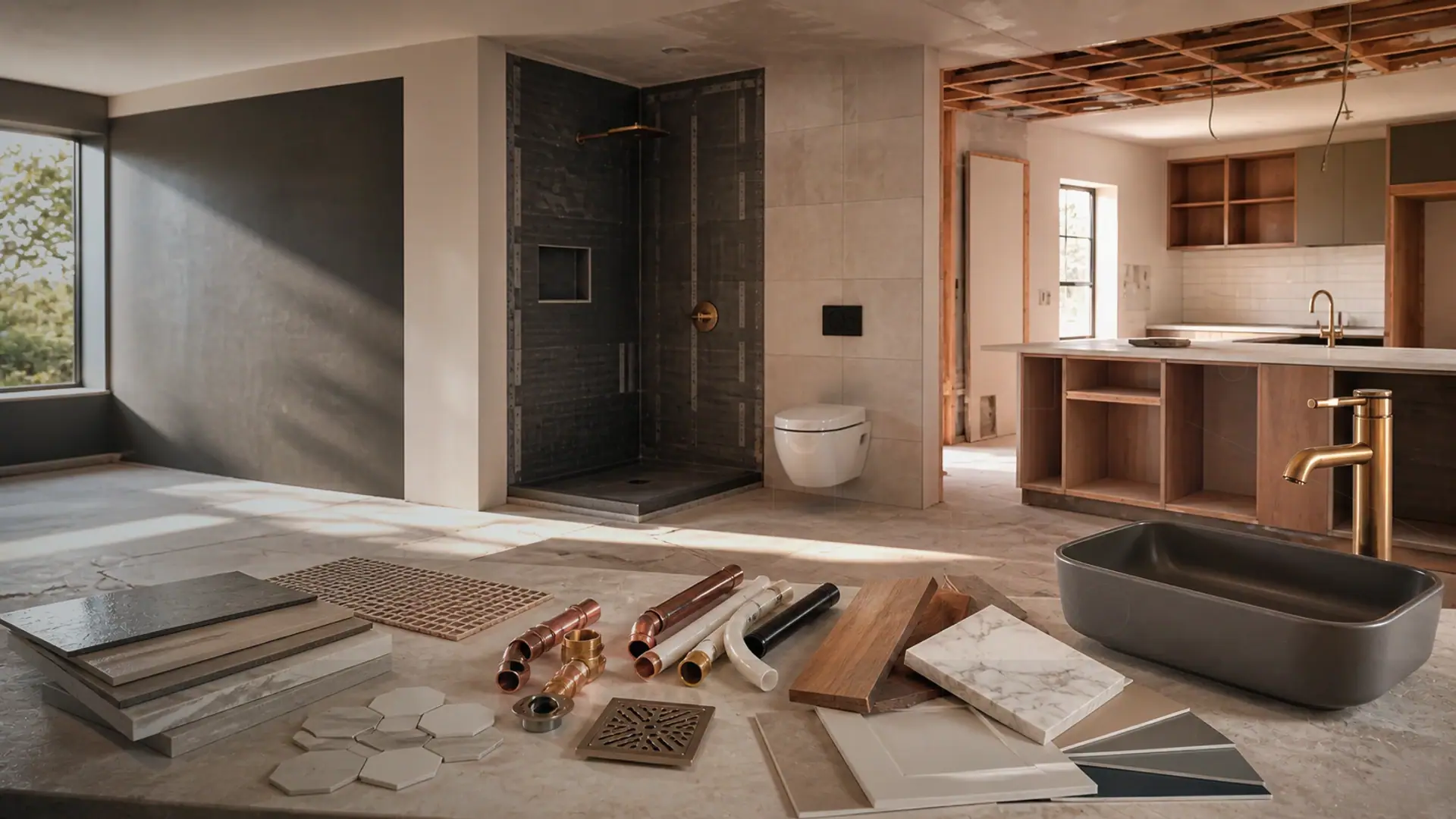
Living at Home During a Renovation
Dust zones, dead kitchens and timelines – a survival plan that keeps the project moving
Quick answer
Living at home during a renovation – sealing dust zones, temporary kitchens, safety with kids and pets, and when moving out is cheaper.
13 min read
On this page
Curious whether you can keep your household running and your money intact during major building work?
We know renovating a home in South Africa demands careful financial planning and clear site assessment.
On buildingpricessouthafrica.co.za our platform gives straightforward pricing guidance to help you plan time, scope and money for your project.
Use our quote request process to connect with independent contractors across the country and compare prices before work begins.
Managing your house during construction becomes easier with a realistic plan and professional support from our platform.
Expect honest cost comparisons, help with site challenges and practical tips to keep the experience positive.

Understanding the Realities of Living Through a Renovation
A serious renovation creates disruption — your home will become a busy site. Expect noise, dust and shifting space as builders do their work.
Before you decide to stay in your house, run a simple cost comparison. Add daily comforts lost, extra cleaning, and any reduced productivity. Then compare that total to temporary accommodation and transport costs.
Clear rules with your contractors make a huge difference. Set site hours, dust barriers and access points. If you plan to remain on-site, agree who cleans common areas and when trades may enter private rooms.
Create one dedicated family space and protect it from dust. That tip reduces stress and keeps routines intact. Many homeowners report the chaos is manageable when expectations are set.
“Monitoring work on-site can save money, but it requires patience.”
We advise you to weigh financial and emotional impact before committing. Have a clear idea of scope, confirm costs in writing, and discuss site conduct with your builders.

Strategic Pre-Planning and Budgeting Frameworks
A clear budget and timeline make the difference between a smooth job and constant delays. Start by mapping scope, phases and key purchases. This gives you control over costs and helps plan space while work is underway.
Financial Contingency Planning
Set aside at least 20% of your estimated budget as a contingency. Unexpected structural issues, waste disposal or permit costs often arise and the contingency prevents the project from stalling.
List every item you must buy, including bathroom waste, new fittings and furniture. Ruth, a student, stayed in one half of her house for three months while the other half was worked on — detailed planning helped her stay on budget and sane.
Sourcing Materials and Lead Times
Order long-lead items early. Kitchen fixtures and speciality fittings can take about 12 weeks to arrive, so plan your shopping before trades start.
Create a simple schedule that matches delivery weeks to work phases. That avoids costly delays on-site and reduces stress. Many homeowners find that ordering before the job starts saves a lot of effort and time.

“Good planning and firm dates cut downtime and keep costs predictable.”
- Set a 20% contingency.
- List every purchase and waste item.
- Order kitchen and bathroom items at least 12 weeks ahead.
- Create a phase-by-phase schedule for deliveries and work.
Establishing Clear Communication with Your Contractor
Agreeing simple house protocols with your contractor saves time, stress and money. Start with a short written brief that spells out working hours, authorised access and basic security. This sets boundaries for builders and protects your family and property.
Setting Expectations and House Rules
Make sure you and your contractors sign the house rules before work begins.
- Site hours and quiet times.
- Security measures and key control.
- Daily cleanup and waste removal routines.
- Use of facilities and protected family zones.
- Who notifies you of work that affects services or safety.
Keep notes of daily progress and hold a brief check-in each day with your builders. This helps spot issues early and reduces costly delays during the renovation. It reads well alongside hidden problems renovations uncover.

“Treat contractors with respect; good relationships improve on-site quality.”
Document all plans and confirm that contractors understand the rules. Our advice: written agreements prevent misunderstandings and keep the construction project moving on schedule.
Creating Functional Temporary Living Spaces
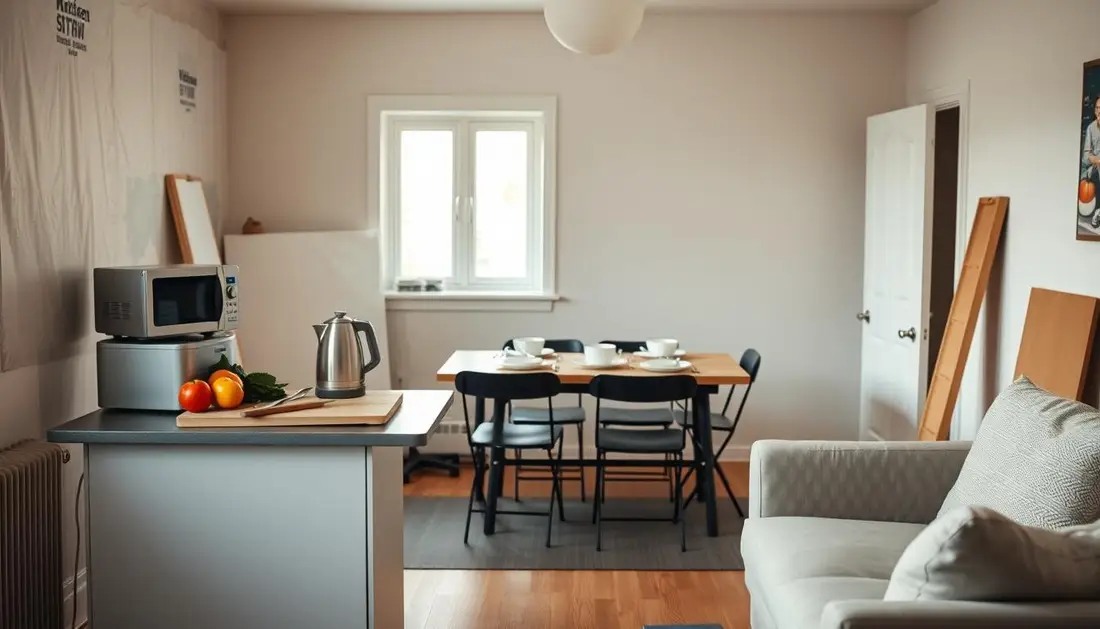
Plan a functional temporary zone so day-to-day life keeps moving during works. Set one room as your household hub. That room should handle cooking, rest and play with minimal disruption.
Setting Up Temporary Kitchens
Choose a corner with power and easy cleanup. A microwave and air fryer will cover most meals; Ruth managed for three months with children this way.
Pack unnecessary belongings and keep only what you need for weeks ahead. Proper storage for furniture and kitchen items frees space and cuts dust.
Bathroom Alternatives
If your main bathroom is out of use, find practical options. A gym membership or nearby community centre often supplies showers and saves money on temporary plumbing installs.
Create a small wash station at your hub for quick use. Keep towels and toiletries in a labelled box to reduce daily stress.
- Protect floors with Q1 Floor Pro Board (about R600 for 45 metres).
- Set a safe play area to keep children away from the site.
- Have a comfortable relaxation area for the end of the day.
“A clear plan for temporary space reduces chaos and helps the project stay on track.”
Implementing Effective Dust and Noise Control
A simple zone-sealing plan keeps construction dust out of family spaces and safeguards your furniture. Use heavy-duty plastic sheeting and zippered seals to separate the work site from the rest of the house.
Seal doors and air vents room by room. Cover belongings and furniture with dropcloths each day. Ask builders to tarp off the site at the end of every work day to stop dust travelling into clean areas.
Protect floors with rigid board to prevent damage and reduce dust build-up. Professional teams often run negative-pressure units in the active area; this forces dust toward filters and away from your home space.
- Install plastic sheets and zipped access points for each room.
- Request daily tarping and cleanup from builders before they leave site.
- Keep toiletries and essential kitchen items covered in labelled boxes.
- Use noise-cancelling headphones in your home office or quiet area to cut disruption.
“Consistent containment and daily cleanup are the best defence against chaos on site.”
Managing Daily Routines and Family Wellbeing
Small, consistent rituals—meals, homework slots and bedtime—give children stability during months of construction. Keep those touchpoints even when the site is noisy.
Prioritising Family Stability
Protect one room in your home as an untouched calm space. Use it for sleep, study and quiet time so your family has a refuge from dust and work noise.
Plan your day around the builders’ schedule. If heavy work runs mid-morning, shift noisy tasks or outings to that period. That simple plan saves time and reduces stress.
Set aside money in your budget for small treats. A few extra meals out, games or a movie night help morale when the project stretches for months.
“Keeping routines gives children predictability — and that protects the whole household.”
- Keep floors and furniture in the main living room clean to limit dust spread.
- Create a safe play area away from the kitchen or bathroom work.
- Check in daily with family to manage minds and expectations.
Maintaining Islands of Calm Amidst the Chaos
A small bedside vignette — lamp, book and fresh flowers — can protect your sanity during noisy months.
Keep at least one finished room as your retreat. This simple idea gives your family a tidy space to rest and reset.
Make the area personal. Use familiar furniture and soft textiles so the room feels like a real sanctuary, not another work zone.
Use scent and colour to hide dust and noise. A scented candle or a small bouquet lifts the mood and helps your mind switch off.
Create a dedicated play corner for children. That keeps toys contained and helps keep other rooms orderly while trades work nearby.
Focus on small, curated areas that bring you joy. These pockets of calm provide a practical way to cope with weeks of mess and disruption.
“A finished corner in your home restores routine and reduces stress.”
Essential Documentation and Site Safety Protocols
Clear paperwork and daily records cut costs, reduce delays and protect your property.
Always get a written agreement that sets out scope, timelines, payment terms and warranties for any bathroom or kitchen renovation project. These simple confirmations make sure contractors and homeowners share the same plans and reduce disputes.
The Importance of Written Agreements
Confirm inclusions and exclusions in writing. List materials, finishes, access arrangements and who removes waste. State payment milestones and retention amounts. Note warranties and who is responsible for any defects.
Documenting Progress
Photograph the site every day. Time-stamped images create a timeline of work and show that builders followed the plans. Keep short notes of site visits and any changes agreed on the day.
| What to record | Why it matters | Who signs off |
|---|---|---|
| Scope & exclusions | Prevents scope creep and hidden costs | Homeowner & contractor |
| Timeline & delivery dates | Helps manage time and spot delays | Project manager / builder |
| Daily photos & notes | Evidence for disputes and progress checks | Homeowner / site supervisor |
| Costs & payment records | Clear audit trail for final account | Both parties |
Protect belongings, furniture and floor coverings on site. Agree safety protocols with builders: access control, protective barriers and clean-up routines. Good records and clear safety rules ease stress and keep the project on track.
“Daily records and signed agreements are the best defence against unexpected costs and delays.”
Finalising Your Project and Embracing the Transformation
Finishing this project brings real satisfaction after months of planning and careful spending. Take a moment to reflect on the clear steps you followed and the small wins that kept the work moving.
Enjoy your new kitchen and bathroom and the practical space they create. The time and money you invested have improved comfort and long‑term value across your property.
Share your experience on buildingpricessouthafrica.co.za or request quotes for future home renovation work. Our platform helps South African homeowners compare prices and plan the next project with confidence.
Celebrate what you achieved: each small thing you did to keep routines and protect belongings made this result possible.
Price it up from renovation rates. It reads well alongside renovation vs new build cost comparison.
FAQ
How do we prepare to live at home during a house renovation?
Start by mapping which rooms will be affected and when. Create a phased plan that protects bedrooms and key living areas. Declutter non-essential items and move valuables to sealed boxes. Agree on a contractor schedule, working hours and dust-control measures in writing. Set up temporary zones for cooking, washing and chilling so daily routines continue with minimal disruption.
What realistic disruptions should we expect while work is ongoing?
Expect dust, noise, restricted access to rooms, occasional water or power interruptions, and deliveries on site. Timelines often extend by weeks due to material lead times, permit delays or unforeseen repairs. Budget for contingency and prepare children and pets for intermittent changes to routine.
How much contingency should we set aside in the budget?
We advise setting aside 10–20% of your project cost for unforeseen work, depending on the scope and age of the property. Older homes may need more due to hidden issues. Keep a separate contingency fund and only use it with contractor sign-off and documented quotes.
How do lead times for materials affect our schedule and costs?
Sourcing delays are common for kitchens, bespoke cabinetry, sanitaryware and imported tiles. Confirm lead times before ordering and allow buffer in the schedule. Where possible, select local manufacturers or stock items to reduce waits and unexpected price increases.
What should we include in the written agreement with our contractor?
Include fixed scope, itemised costs for labour and materials, payment schedule, start and expected finish dates, warranty terms and change-order procedures. Note access rules, working hours, rubbish removal and responsibilities for damage. Everyone should sign and keep copies.
How do we set house rules with builders to protect family life?
Agree on daily start and finish times, a no-go list of rooms, where tools and materials are stored, and a clean-up routine each day. Decide how site deliveries are managed and who inspects progress. Communicate contact points for issues and keep rules in writing.
What are practical options for a temporary kitchen during works?
Use a portable countertop, microwave, kettle and single-burner induction plate. Set up a small prep station with plastic drawers and a folding table. Plan simple meals and batch-cook where possible. Consider hiring a temporary caravan or camper if the kitchen will be out of use for several weeks.
What bathroom alternatives work when the main bathroom is unusable?
If you have a second bathroom, reserve it for family use and prioritise drying times. Otherwise, erect a temporary shower in a spare room using an inflatable shower tray and privacy screen, or arrange access to a neighbour’s or family member’s facilities. For longer projects, hire a portable chemical or cassette toilet for convenience.
How can we control dust and protect belongings on site?
Seal off work zones with builders’ plastic and zips, use dust barriers, run negative-air machines where possible and cover furniture with dust sheets. Move delicate items to storage or sealed boxes. Ask your contractor to set up a designated cleaning routine and make sure walkways stay clear.
What noise-reduction tactics can we use during work hours?
Schedule the noisiest tasks for times when household disruption is lowest. Use heavy curtains, rugs and temporary sound barriers. Provide noise-cancelling headphones for children studying or for adults working from home. Confirm acceptable working hours with the contractor to comply with municipal noise by-laws. This pairs naturally with how to budget for a home extension.
How do we manage daily routines and keep children stable during the build?
Create predictable pockets of routine: set regular meal and bedtime times, establish a quiet room for homework, and keep familiar toys and bedding accessible. If possible, arrange childcare or playdates during the loudest phases. Communicate changes in advance so children know what to expect.
What small measures help maintain calm amid the chaos?
Keep one uncluttered “safe room” free of tools and dust for rest. Maintain simple rituals like family meals or movie nights. Use plants, soft lighting and a storage system for daily essentials to make the space feel normal between work phases.
What safety documentation should we keep and check during the project?
Keep signed contracts, proof of contractor insurance, municipal approvals and electrical or plumbing certificates. Record warranties for appliances and fixtures. Ensure health and safety arrangements are in place, including first-aid measures and safe access points for family members.
How should we document progress and changes made on site?
Take dated photos before work starts and at regular milestones. Keep an itemised log of work completed, materials delivered and change orders with costs and signatures. Use email for confirmations so there’s a clear paper trail if disputes arise.
When the project nears completion, what checks do we perform before final payment?
Walk through with the contractor using your scope list and a snagging checklist. Check for completed finishes, plumbing and electrical certification, and that warranties and manuals are handed over. Withhold the final payment until agreed defects are corrected and you have written confirmation of completion.
How many quotes can we request through the platform for our project?
You may request up to three independent contractor quotes, or up to five quote options where available. Contractors handle site visits, final quotes and work details. We do not guarantee the maximum number of quotes for every project.
Ready to compare?