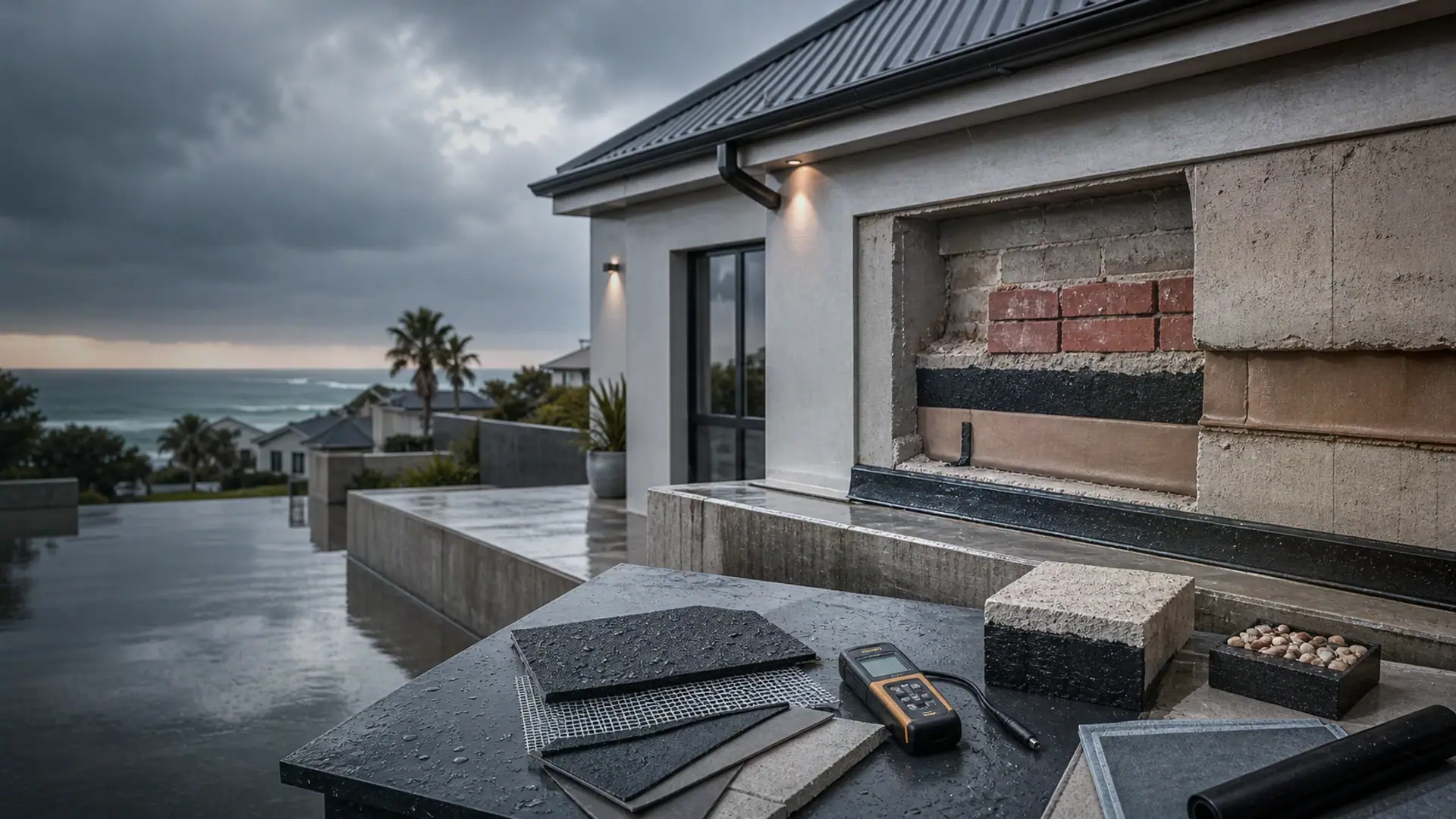
Torch-On vs Liquid Waterproofing
Heat-welded sheets or brushed-on membranes – matching the system to the surface and the budget
Quick answer
Torch-on vs liquid waterproofing compared – lifespan, substrate fit and repairability – to choose the right system for your roof.
9 min read
On this page
Which method truly guards your roof against costly water damage? That question matters if you manage a South African building and need a lasting protection solution.
At buildingpricessouthafrica.co.za we cut through the jargon. We explain the key differences between each membrane approach and outline real cost factors.
Experienced waterproofing specialists bring more than 20 years’ experience and have collectively serviced thousands of homes and businesses locally. That track record helps us show you typical outcomes, not just claims.
Choosing between these roofing methods affects long-term maintenance, the risk of structural damage from persistent moisture and the overall project price. Our platform connects you with independent contractors and the quotes you need to decide.
In the sections ahead we compare performance, suitability and likely costs so you can pick the most effective solution for your roof and budget in South Africa.
Understanding Torch-On vs Liquid Waterproofing Systems
Before you decide, it’s useful to know what each membrane is made from and how it behaves on site — both are costed in the waterproofing prices guide.

Composition of liquid membranes
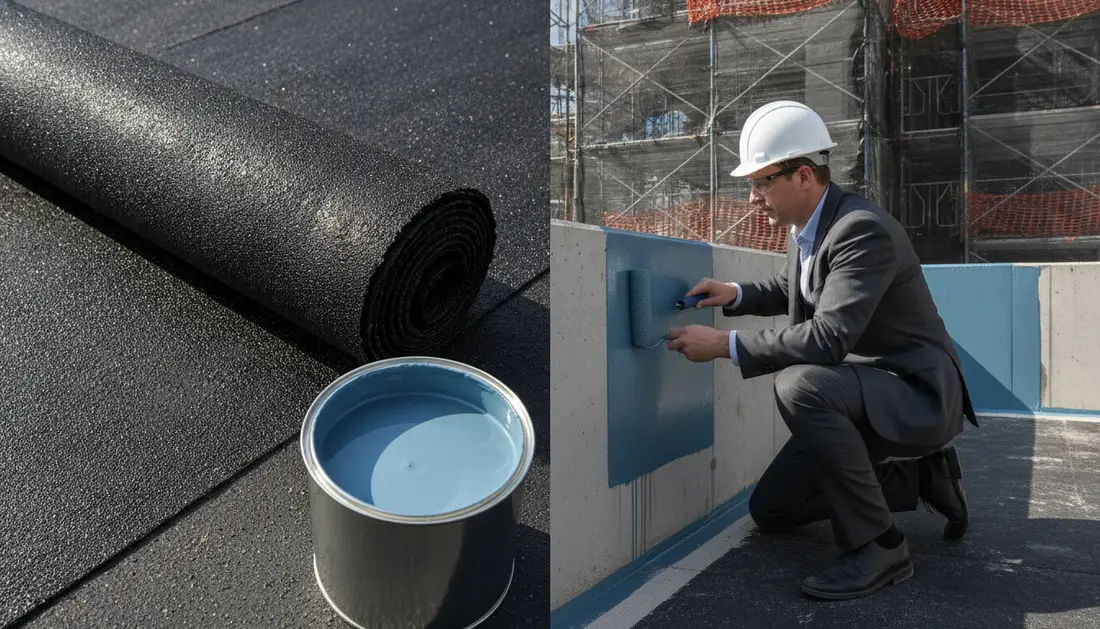
Liquid-applied membranes — polyurethane, acrylics or elastomeric asphalt — cure to a seamless film that bonds well to complex surfaces, a common choice when roof repair costs call for a quick, watertight patch.
These materials give strong flexibility and good adhesion across corners, drains and penetrations. Applied in liquid form, they reduce the risk of gaps that let water through.
Characteristics of torch-on bitumen
Sheet membranes are made from bitumen and commonly modified with SBS or APP for extra elasticity. They arrive as rolls and are heated with a flame during application to bond the sheet to the roof.
Sheets give uniform thickness and a durable surface, which suits many flat roofs. The method needs skilled installers for safety and consistent adhesion.
- Liquid membranes excel on irregular areas and detailing.
- Bitumen sheets provide predictable thickness and robust wear resistance.
- Both systems resist UV and temperature changes differently; choose by area and expected use.
Technical Comparison of Membrane Performance
A practical technical review helps you weigh how each membrane performs under real roof conditions.

Lifespan and durability
Sheet systems made from bitumen generally deliver longer surface wear for high-traffic roofs. Large projects such as the ANZAC Memorial used extensive sheet membranes to meet heavy use and longevity needs.
Applied membranes can be very durable, but their life depends on thickness and correct application by skilled teams. Consistent thickness reduces premature damage.
Substrate tolerance and flexibility
Membranes in liquid form bridge small cracks in concrete and adapt to complex substrates better than sheets. That flexibility cuts risk at corners, drains and penetrations.
Sheet membrane needs precise detailing where joins meet to avoid leaks. Always confirm substrate prep when you request installation quotes.
Resistance to foot traffic
Foot traffic resistance matters for terraces and service roofs. Bitumen sheet systems resist wear from repeated traffic better than some sprayed coatings.
However, applied waterproofing that is thicker or protected with a screed can also meet traffic needs. Choose by use, project size and access demands.
- Consistent thickness: sheet gives it, liquid depends on skill.
- Application methods: spray, roller or brush allow full corner coverage for applied membranes.
- Detailing: seams and penetrations are the common failure points; get them specified in writing.
Selecting the Right System for Your Property
Choosing the right membrane starts with matching product strengths to the demands of your roof and building. Consider traffic, shape and climate before you pick a system.
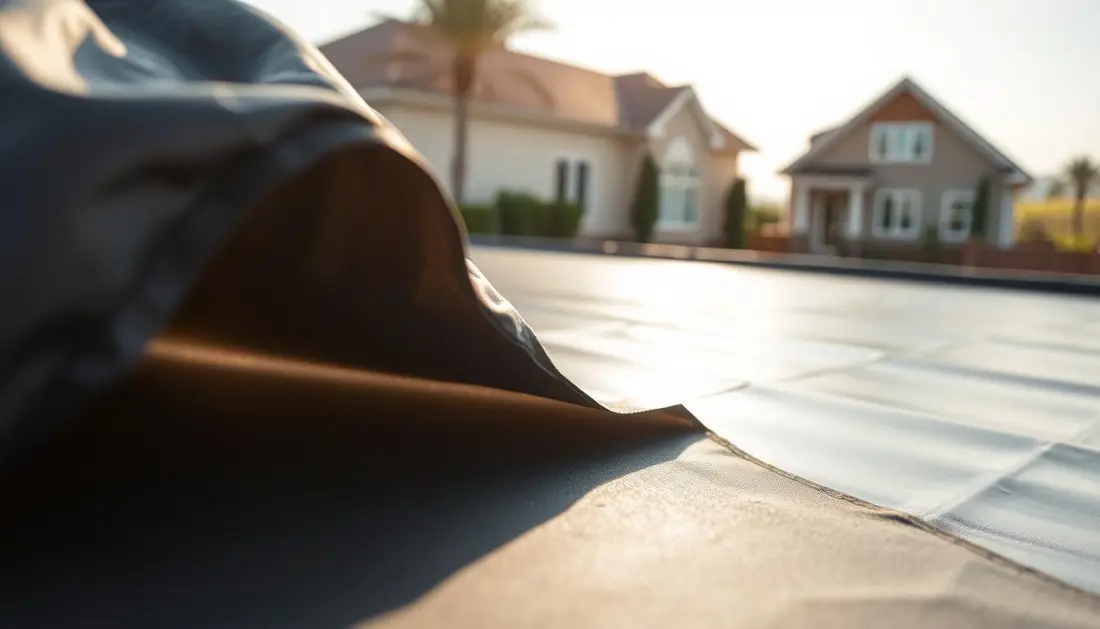
Use our pricing guidance at buildingpricessouthafrica.co.za to compare installed costs and likely lifespans. That process shows whether a bitumen sheet or a liquid-applied membrane gives better value for your property.
Small, detailed areas such as balconies and parapets often suit seamless membranes. Large flat roofs usually favour sheet systems for proven durability under heavy use.
| Area | Typical recommendation | Cost signal | Notes |
|---|---|---|---|
| Large flat roofs | Bitumen sheet | Medium–High | Long service life; good for high-traffic roofing |
| Balconies & parapets | Seamless membrane | Medium | Best for complex detailing and edges |
| Small repairs | Patch-applied systems | Low–Medium | Quick, lower upfront cost but depends on prep |
- Request multiple quotes so you can compare labour and materials from each contractor.
- Confirm scope in writing: surface preparation, materials, guarantees and access costs.
- Use our quote tool to get independent assessments tailored to your building and budget.
Cost Factors and Value Considerations
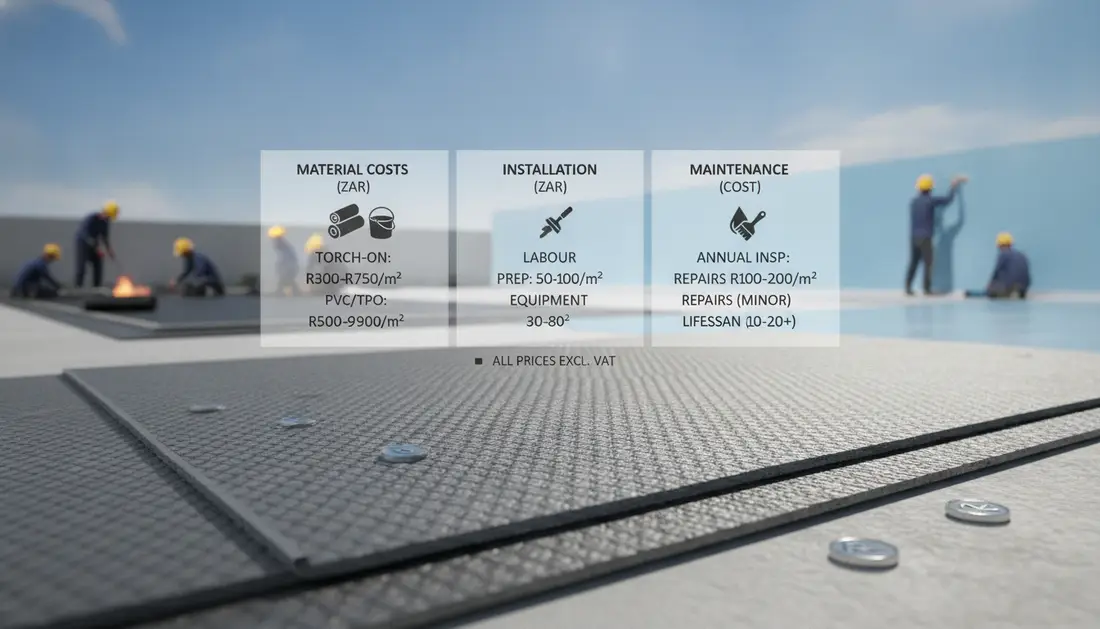
Cost drivers for roofing projects rarely come from materials alone; labour and site prep usually dominate the final bill.
Scope and access set the starting price. A large, flat roof needs more materials and longer installation time than a small balcony. Hard-to-reach areas add labour and safety costs.
Surface preparation is critical. Cleaning, repairs to the substrate and priming reduce failure risk and protect your warranty. Skipping prep can cut short any membrane’s durability and cost you more later.
The role of labour, products and warranties
Sheet membrane installation can be quicker, which lowers labour time, but it needs experienced crews to handle bitumen and flame safely. Applied waterproofing using polyurethane often costs more in materials but allows simple repairs by adding coats. It reads well alongside our guide to showers leak.
- Request up to three quotes so you can compare how contractors price size, complexity and access.
- Confirm membrane thickness, number of coats, product names and the warranty in writing.
- Remember the cheapest quote is not always best value; check contractor experience with the proposed products.
Securing Your Investment Through Professional Assessment
A measured inspection is the most reliable way to match a membrane system to your building and budget. A site visit lets a contractor confirm scope, required thickness and the best solution for your roof.
Always get inclusions, exclusions, timelines, payment terms and long-term warranties in writing. This protects you from hidden costs and future water damage to concrete or finishes.
Whether you choose a sheet bitumen option or an applied membrane, quality installation and ongoing maintenance determine lifespan. Book a quote at buildingpricessouthafrica.co.za to compare time, cost and site-specific pricing from independent professionals.
FAQ
What are the main differences between torch-on and liquid membrane systems?
The two systems use different materials and application methods. One is a sheet membrane made from modified bitumen installed in rolls and fused to the roof with a heat source. The other is a liquid-applied polymer that cures to form a continuous seamless layer. Sheets give immediate surface protection and are often thicker; liquids conform easily to complex details and joints. Choice depends on roof shape, access, trades available and the finish you want.
What is in a liquid membrane and how does it perform?
Liquid membranes are typically polyurethane or acrylic-based polymers, sometimes modified with elastomers or cementitious additives. They are supplied as a liquid and rolled, sprayed or trowelled onto a primed substrate. Once cured they form a flexible, seamless coating that resists ponding water and bridges small cracks. They suit intricate details, upstands and penetrations better than sheet systems.
What characterises a bitumen sheet membrane and where does it suit best?
Bitumen sheet membranes are multi-layered rolls reinforced with polyester or fibreglass. They provide robust puncture and wear resistance and are common on flat roofs and balconies with regular foot traffic. They need correct heating and overlap detailing during installation to perform well over time.
How long can I expect each system to last?
Lifespan varies with product quality, installation and maintenance. A well-installed sheet membrane often lasts 15–25 years before major works, while high-quality liquid membranes can last 10–20 years. Local climate, UV exposure and roof usage will shorten or extend these ranges.
Which system copes better with movement and cracks in the substrate?
Liquid-applied polymers generally handle substrate movement and hairline cracking better because they cure as a continuous elastic membrane. Sheet systems with elastomeric modifiers also allow movement, but performance depends on correct detailing at laps and terminations.
How do the two systems compare under foot traffic and surface wear?
Sheet membranes are typically more resistant to repeated foot traffic and mechanical wear, especially when finished with a protective screed or pavers. Liquid coatings can be reinforced or overlaid for improved durability, but they are more prone to puncture if not protected.
What should I consider when choosing the right system for my property?
Consider roof pitch and complexity, expected foot traffic, existing substrate condition, access for contractors, local climate and the desired finish. Also confirm warranties, product certificates and whether the contractor provides a workmanship guarantee. Cost and long-term maintenance are key factors for investors and landlords.
How do labour and preparation affect total project cost?
Labour and substrate preparation often drive total price. Good preparation includes cleaning, repairing cracks, priming and ensuring falls for drainage. Sheet systems can require more skilled labour for heat-welding, while liquid systems need careful environmental controls during application. Account for scaffolding, penetrations, flashing and waterproofing of details when budgeting. For what this typically costs, see what waterproofing costs.
Are there safety or site constraints that favour one system over the other?
Yes. Heat-fused sheet installation requires open flame and is restricted in some areas or on combustible substrates. Liquid systems avoid flame but may need good ventilation for solvent-based products. Access, working at height controls and fire regulations will influence which method is practical.
Can I get a professional assessment and multiple quotes for my project?
You should arrange a site inspection by an independent contractor to confirm substrate condition, falls and detail work. We help South African homeowners request up to 3 quotes, or up to 5 options where available. Contractors will confirm final prices, timelines and warranties after inspection; get the scope and exclusions in writing.
What maintenance should I budget for after installation?
Regular inspections, clearing drains and checking flashings reduce failure risk. Expect minor maintenance like resealing upstands or repairing punctures. Budget for inspections every 1–3 years and factor in protective finishes or paver systems if the roof gets frequent traffic.
Which products and materials are commonly recommended in South Africa?
Reputable manufacturers include Sarnafil (PVC systems), Sika (polyurethane and liquid membranes), GAF and local bitumen membrane suppliers such as Knauf and Eternit for sheets and modified bitumen. Check product data sheets for UV resistance, tensile strength and warranty terms before buying. This pairs naturally with rising damp.
Ready to compare?