
Why Calculator Numbers Differ From Real Quotes
Calculators price typical projects; quotes price your site, your access and your choices
Quick answer
Why calculator estimates differ from builder quotes – the site, access and spec factors no tool can see – and how to close the gap.
11 min read
On this page
Curious why a quick online number rarely matches the final quote?
At buildingpricessouthafrica.co.za we guide South Africans through realistic pricing for new construction and renovation projects.

RLB Intelligence data is current as at Q4 2026 and is subject to change. That data gives useful context, but site-specific factors still shift prices.
Digital tools give a fast cost estimate, yet they cannot model every variable. True costing needs human-led calculations and on-site checks.
We connect you with independent contractors who assess scope, materials, access and finishes. This helps turn a rough figure into a reliable quote.
Use our quote request process to move beyond simple numbers and engage professionals who provide site-specific pricing. That way you control your budget with real information, not guesswork.
Understanding the Limitations of Building Cost Calculator Accuracy
Online tools give a quick figure, yet that number often sits inside a broad accuracy band. The typical range for early guidance is ±15–20%, a margin that professional quantity surveyors treat as indicative only. This range helps planning, but it is not final.

Most tools lack key site-specific information such as soil type, local labour rates and access constraints. Without that detail, early numbers cannot reflect real site conditions. Our platform helps tighten these margins by connecting you with contractors who can inspect your site.
Use initial figures as a starting point. Treat them as rough guidance, not a fixed price. Request multiple quotes through our system to compare offers and reduce the risk of budget shortfalls.
| Estimate Type | Typical Accuracy | Common Missing Information |
|---|---|---|
| Online indicator | ±15–20% | Soil, access, local labour rates |
| Preliminary contractor quote | ±5–10% | Unseen site risks, final finishes |
| Final site-checked quote | ±0–5% | None — based on inspection and specs |
Why Square Metre Rates Often Mislead Homeowners
Relying on a single per-square-metre figure often hides the real drivers of your final price. A headline number gives quick guidance, but it misses many vital specifics that change the outcome.

The Danger of Benchmarking
Benchmarking against a neighbour is tempting but risky. National build rates span roughly R7,000 to R15,000 per m2. That spread alone proves a generic rate can mislead your budget.
Two projects with the same floor area can differ greatly in required materials and labour. One house might have longer walls or more complex roof intersections and so demand far more work.
Complexity and Design Variance
A small increase in corners, roof complexity or service runs can add substantial time and money. A study of four equal-area structures found over a 40% difference in wall length between A and D. That change alters material quantities and labour hours.
- Materials and finishes: higher-quality finishes raise the per-square figure rapidly.
- Services and layout: complex plumbing and electrical routes add time and specialist trades.
- Contractor interpretation: different teams price the same specification differently.
“Per square metre rates are useful for early planning, but they are not a final estimate.”
We advise you to treat per square figures as a starting point. Request site-checked estimates through our platform so the final sum reflects the full specification, layout and quality you expect.
Hidden Factors That Influence Construction Costs
Site logistics and ground makeup often explain why an early estimate drifts when contractors visit.
Site Access and Ground Conditions
Restricted access in CBD and dense urban areas can add penalties for deliveries and perimeter control. RLB Intelligence notes these location premiums affect final building figures.
Ground conditions are another major point. Hard rock, soft fill or high water tables can force extra foundation work or rock excavation. These are fundamental items that simple tools cannot see.
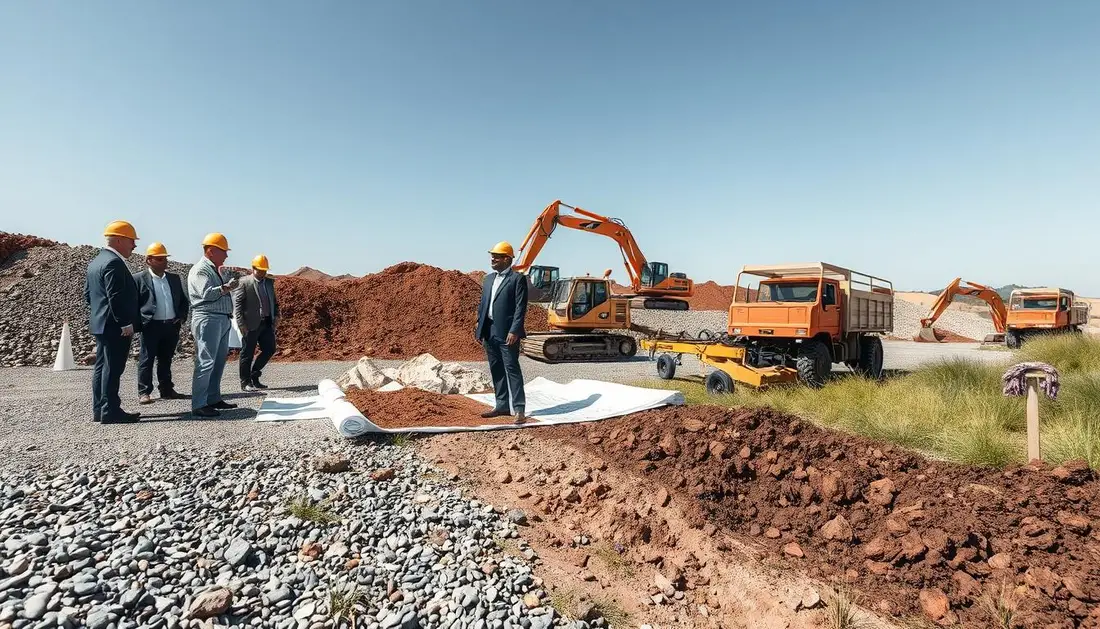
“Site setup and excavation are often missed in early estimates but they shape the final project sum.”
- Logistics: limited space for storage increases handling and labour.
- Ground: special engineering or piling raises material and work needs.
- Design: number of walls or chosen floor finish changes labour hours on site.
What to confirm: ask your contractor to list site establishment, excavation and any special management fees in writing. That reduces surprises during the build.
| Factor | Typical impact | Why it matters |
|---|---|---|
| Restricted access | Medium–High | Delivery delays, permit costs, extra labour |
| Poor ground | High | Extra foundations, rock removal, engineering |
| Limited space | Medium | Higher handling, on-site storage charges |
Use our platform to request site-aware guidance so contractors include these variables in their initial assessment. This helps your budget reflect real site conditions before work starts.
Navigating the Reality of Accuracy Bands
Early estimates usually arrive as a range rather than a single figure, reflecting many unknowns on site.
For most projects an early-stage guide sits inside a ±15–20% band. This range acknowledges unseen ground conditions, provisional specifications and regional labour variations.
Why that matters: using a band keeps your budget realistic and prevents surprise shortfalls as your plans evolve.
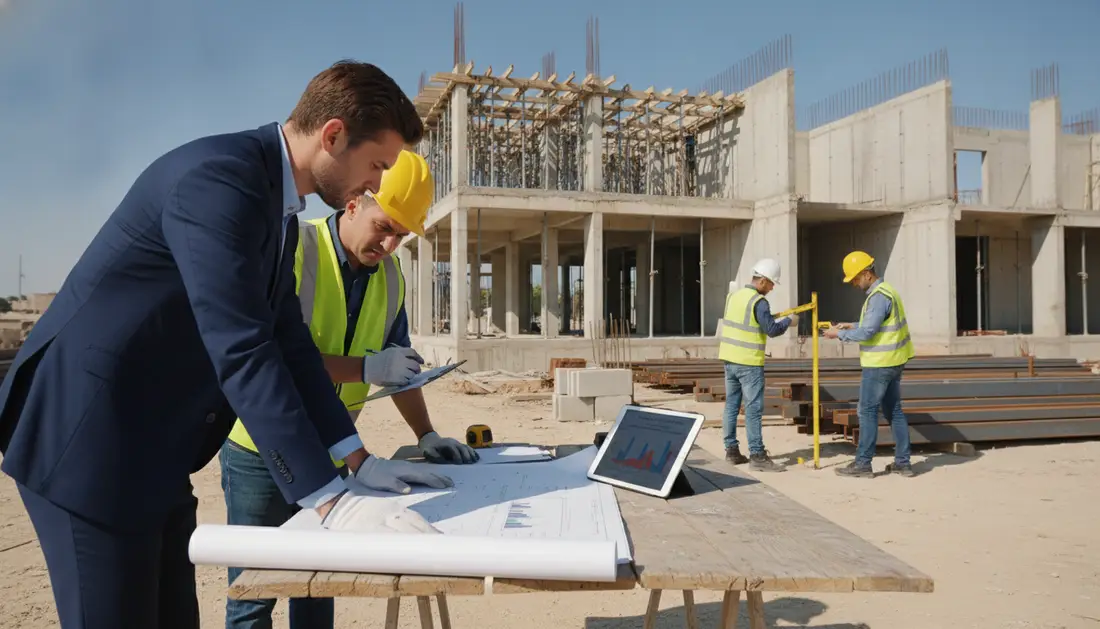
Our platform helps you tighten that band. We connect you to independent contractors who can move a rough number towards a firmer figure.
- Understand that initial figures are directional, not fixed.
- A professional site visit is the only reliable way to reduce uncertainty.
- As design details change, the range will narrow and give clearer pricing.
“Set a contingency and use direct quotes to manage fluctuations during your project.”
We provide practical pricing guidance so you can plan contingencies and request comparable quotes. That way you control expectations and reduce the risk of unexpected costs as the build progresses.
Analysing the Drift Between Estimates and Final Quotes
Numbers from a quick estimator and a site-checked quote can look like two different projects. A short output gives a directional figure, but it cannot list every item a contractor will price after inspection.
Initial Calculator Output
The calculator gives a single per-square figure for a 158.3m2 home. It produces an early estimate that helps budgeting and planning.
The Final Contractor Quote
Worked example (same 158.3m2 area):
| Item | House type 1 | House type 2 |
|---|---|---|
| Total price | R1,130,009.70 | R1,317,384.98 |
| Rate (per m2) | R6,525.85 | R7,608.35 |
| Foundations | R118,264.73 | R127,040.08 |
- A flat estimator showed a single number; the final quote differs by 18% because of design complexity.
- Drift often stems from missed plumbing, electrical and finish items in quick estimating.
- Our process connects you with contractors who produce a line-by-line breakdown so you see where the prices change.
“Compare each line in a contractor quote to understand the true drivers of price.”
The Importance of Detailed Specifications and Bill of Rates
A precise Bill of Rates turns every variation into a measurable line item rather than a guess.
List every item you expect on site. Include plumbing fixtures, floor finishes, joinery types and any specialist installations.
Request a Bill of Rates that values variations before they are authorised. This prevents budget creep and reduces disputes over final costs.
- Quality control: a detailed specification ensures your contractor quotes for the exact material and finish you expect.
- Transparent pricing: a comprehensive quote must list quantities and prices for each part of the work.
- True estimating: measure the full scope, including time for specialist trades and site management.
“A well‑prepared Bill of Rates provides the accuracy needed to keep your project on budget.”
Use our platform to demand a line‑by‑line quote. That way the final construction price reflects real specifications and reduces surprises as the project progresses.
Managing Variations and Site Logistics
When weather or delivery delays appear, the project programme often reshapes who does the work and at what rates.
On-site logistics matter as much as the specification. Rubble removal, secure storage space and delivery access all affect final construction costs. If you do not plan for these items, the work will slow and the money spent will rise.
The Impact of Programme Delays
Programme delays — rain, slow drying or late material arrivals — can force you to hire different contractors at higher rates to keep the project moving.
Large format tiles (1000mm x 1000mm) often create higher wastage than standard 400mm tiles. That waste changes material estimates and the final cost per floor or wall area.
- Price variations should be costed before work begins.
- Ask contractors to include site management, storage and handling charges in their quote.
- Insist on written allowances for likely changes to walls, floors and access points.
“Stay active in site management so you control changes and limit unexpected expenses.”
Practical step: discuss delivery procedures, on-site space and contingency labour with your contractor. A professional quote that covers these points reduces surprises and keeps your project on time and on budget.
Securing Reliable Pricing Guidance for Your Project
,
Getting firm figures for your project depends on a clear scope and competitive quotes from trusted contractors.
Visit buildingpricessouthafrica.co.za to request up to three quotes from independent contractors for your upcoming home project.
Our pricing guidance helps you see the true cost and compare prices side by side.
We connect you with experienced teams who provide a bespoke estimate that reflects your specification, finishes and site needs.
- Request up to 3 quotes to compare pricing and protect your budget.
- Provide a detailed scope to each contractor so written prices match what you expect.
- Use our platform to move from a loose number to a reliable, site-checked price.
Start your project on the right foot — use our quote request process and make informed decisions before work begins.
Run your numbers against building cost calculator.
FAQ
Why do calculator numbers often differ from final quotes?
Online tools use average rates and high-level inputs. Contractors price your site visit, detailed specs, local labour rates, material choices and access constraints. Those site-specific factors and supplier lead times usually shift the figure up or down compared with the initial estimate.
What are the main limitations of an online cost tool?
Tools can’t see subsurface conditions, existing structural issues, exact finishes, or local municipal requirements. They also assume a standard programme, which ignores delays, specialist trades and bespoke design changes that affect labour and materials.
Why should I be cautious using a per-square-metre rate?
Per-square-metre rates mask variation in room layout, ceiling heights, wall types and services. Two homes with the same floor area can have very different expenses once kitchens, bathrooms, structural elements and finishes are specified.
How does benchmarking create a false sense of certainty?
Benchmarks are averages from different projects and regions. They don’t reflect your project’s scope, ground conditions, or finish level. Relying solely on them risks under-budgeting and disputes when contractors price to actual risk.
How do design complexity and variance affect pricing?
Complex geometry, multiple levels, large spans and bespoke finishes require more labour, specialist materials and engineering. That increases quantities in the bill of quantities and specialist rates, raising the final financial offer.
What hidden site factors drive up invoices?
Restricted site access, steep or rocky terrain, unstable soil, high water table and informal service connections add plant hire, excavation, retaining work and temporary works. All increase labour and material requirements beyond a flat-site estimate.
How should I interpret an accuracy band from a calculator?
Treat accuracy bands as a preliminary range, not a firm quote. A ±10–30% band is typical for concept estimates. Use it for budgeting, then get detailed, itemised quotes and a bill of quantities to narrow uncertainty.
Why do initial calculator outputs and contractor quotes often drift apart?
Calculators use simplified inputs; contractors price actual risk, supplier quotations and timeframes. Site visit findings, escalation on materials and subcontractor availability between estimate and tender explain most of the drift.
What should I compare between a calculator estimate and a contractor’s final quote?
Compare scope, specification of finishes, quantities, provisional sums, exclusions, programme, payment terms and warranty. Ensure both documents use the same floor areas, wall finishes, plumbing fittings and electrical standards.
Why are detailed specifications and a bill of rates important?
Detailed specs and a bill of rates let contractors price each item consistently. That reduces variation between quotes, makes change control easier and lets you see where money is allocated — structure, finishes, services or siteworks.
How do programme delays and logistics create variations?
Delays increase labour costs, plant hire and temporary protection. Poor logistics raise handling costs and damage risk. Contractors include these risks in provisional sums or contingency, which can turn into charged variations. It reads well alongside building contract south africa.
How can I secure more reliable pricing guidance for my project?
Start with a clear brief and realistic finishes schedule. Arrange a site visit with reputable contractors, ask for itemised bills of quantities or measured rates, and request up to three written quotes (or up to five where available) to compare. Confirm key assumptions in writing. This pairs naturally with builder’s guarantees.
What items should I verify in writing before choosing a quote?
Confirm scope of work, material brands, finishes, schedule, lead times, provisional sums, exclusions, payment milestones and warranty terms. Also check who handles municipal approvals, site clean-up and snagging at practical completion. It reads well alongside builder payment schedule.
Ready to compare?