Building on Dolomite: What It Means
Sinkhole country rules – geotech, rafts and why Centurion quotes differ
Quick answer
Building on dolomite – what the risk really means, the geotech and foundation rules that apply, and why quotes in dolomite zones differ.
18 min read
On this page
Are you certain the ground beneath your plans is safe? If you are planning work in south africa, understanding dolomitic land matters. Sinkholes, water movement and unstable ground have claimed lives and assets here.

In recent years, 38 people have died in sinkholes under sports clubs, factories and homes, and financial losses have passed R1.0 billion. Such events show why early site checks are vital.
At buildingpricessouthafrica.co.za, our platform links you to independent contractors for pricing guidance and reliable site assessments. We focus on practical risk management, cost clarity and realistic quotes.
Start by learning the nature of the ground, the role of water, and the extra measures needed for safe development. This information helps you avoid hidden costs and keeps your project on budget.
Understanding the Risks of Building on Dolomite
Sinkholes can open without warning, swallowing ground and structures in a matter of minutes. These voids are typically cylindrical to conical and can range from 1 m to 100 m across, and 1 m to 150 m deep.
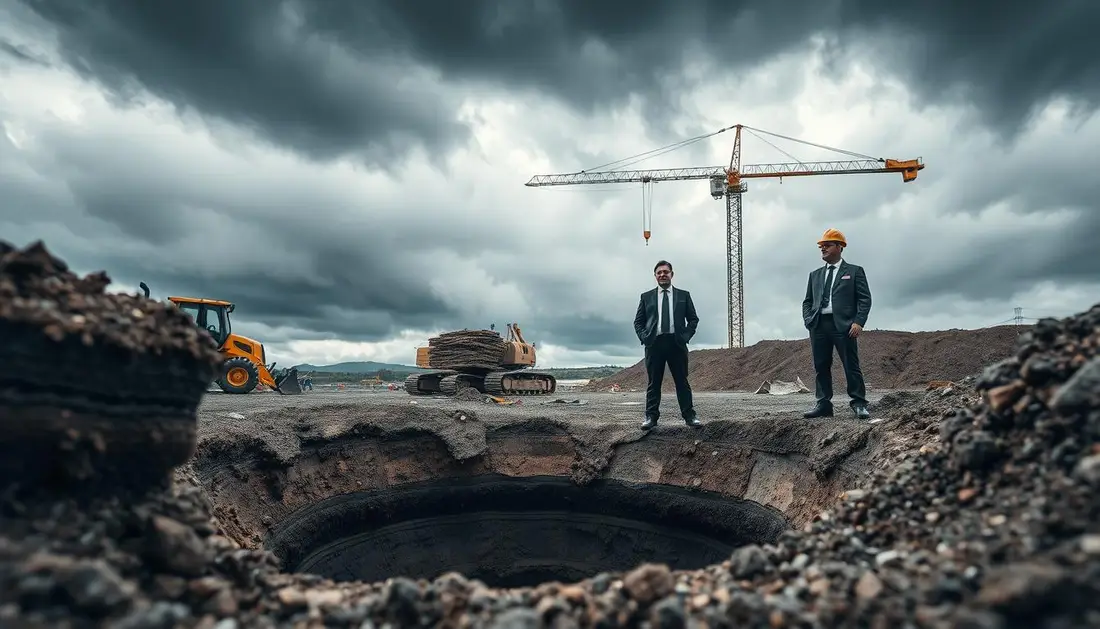
The primary risk is sudden collapse, which has caused serious events and loss of life in South Africa. Human actions — leaking services or heavy groundwater extraction — often trigger these ground failures.
Research shows more than 1000 sinkholes on the West Rand, with 800 recorded south of Pretoria, Centurion and Atteridgeville, and about 150 on the East Rand. These events highlight why sites in such areas need careful study.
“A proactive approach to risk management and a professional assessment are essential before any work starts.”
Buildings in affected areas must be designed for potential instability. Conduct a thorough site investigation, get expert reports and factor mitigation costs into your budget to protect people and your investment.
Why Dolomite Land Requires Special Attention
Shallow carbonate bedrock can change slowly over years, then fail suddenly where you least expect it.
Defining dolomitic land
Dolomitic land means areas underlain by dolomite rock less than 100 m below the surface. The mineral is a carbonate of calcium and magnesium. Subsurface karst valleys may even reach depths of up to 200 m in shear zones.
The impact of soluble rock
The rock dissolves when it meets water. Over time this creates voids and cave systems. When surface soil collapses into a void, a sinkhole forms.
- Risk: size and depth of voids vary, so exact location is unpredictable.
- Design: foundations, walls and drainage must account for possible ground movement.
- Advice: get geotechnical information for your site before any development to guide risk management.
Identifying Dolomitic Regions in South Africa
Identifying known dolomitic zones before you start is the simplest way to reduce project risk and surprise costs. In Gauteng, up to 25% of the province lies over soluble rock and underlies dense suburbs such as Centurion, Bekkersdal, Dobsonville, Katorus and Deapmeadow.

Many South African homeowners do not know their site sits within a risky area. That lack of information turns routine projects into costly events when subsidence appears.
The Council for Geoscience holds maps and data that show known zones. Use these records to check conditions at your address before any development begins.
We provide access to that information and connect you with professionals for a proper site assessment. Early identification is the first line of defence in sensible risk management.
- Check maps: confirm if your land south falls inside a listed zone.
- Get a site report: it guides design, costs and approvals.
- Request quotes: compare contractors experienced with dolomite land south and similar events.
The Science Behind Sinkhole Formation
Water is the silent agent that carves voids beneath our feet and changes how the surface carries load.
At affected sites in south africa, water moves through soil and soluble rock. It dissolves the substrate and transports fine material into underground systems. Over time these losses produce cavities that may stay hidden for years.
The Role of Water Ingress
Human activity often accelerates the process. Dewatering, borehole extraction and leaking wet services reduce the water table and lower pore pressure. When support inside an arch over a void falls away, a sinkhole can form at the ground surface.
- Soil type and bedrock depth control how fast cavities grow.
- Old, dormant hollows (palaeo sinkholes) can reactivate if moisture regimes change.
- Effective risk management focuses on controlling drainage and preventing leaks to protect life and assets.

We provide practical information to help you assess conditions, limit risk and plan safe development in dolomite land across south africa.
Essential Geotechnical Investigations for Your Site
You cannot manage sinkhole risk without drilling, geophysics and disciplined reporting.
Every site needs a tailored geotechnical investigation to identify hazards in dolomite areas. Standard work includes gravity surveys and boreholes drilled at anomalies found by geophysics.
Test-hole profiling must follow recognised practice. Use the Jennings, Brink and Williams (1973) method and the SAICE Code of Practice (1995) for consistent data and reporting.
- Scope: gravity survey, boreholes, sampling and lab tests to find depth to bedrock and voids.
- Outcome: clear data on soil, material size and cavity depth to guide design.
- Benefit: early investigation reduces later costs and supports risk management for your development.
| Investigation | Purpose | Typical Result |
|---|---|---|
| Gravity survey | Locate subsurface anomalies | Map of likely void zones and bedrock depth |
| Borehole drilling | Confirm ground conditions | Soil profile, material samples, cavity size |
| Laboratory tests | Assess soil strength | Design parameters for foundations |
Use our platform to find qualified teams who can deliver these essential reports. Proper information prevents costly changes during construction and protects against future events.
Navigating the Compliance Path for Development
Compliance in sensitive ground areas starts with strict geotechnical reporting and timely submissions. You must follow the statutory route to make sure your site is safe and your development gains approval.
Geotechnical Reporting
Have a geotechnical report prepared by a registered professional. The document must show site conditions, material profiles, depth to bedrock and any cavity size found.
Good reports give clear recommendations for design and risk mitigation. They guide structure layout, walls, foundations and drainage to match risk zones.
Council for Geoscience Requirements
Submit every stability report to the Council for Geoscience under the Geoscience Amendment Act (No. 16 of 2010).
The Council reviews and evaluates reports and stores them in the national databank (ENGEODE). This ensures consistency across south african sites and helps consultants access prior information.
Proclamation Stage Procedures
At proclamation, authorities check that the site is suitable for the proposed structures and infrastructure. Expect rigorous review of scope, design, and risk management measures.
- Coordinate with specialists to interpret report findings and confirm mitigation costs.
- Prepare documentation early to avoid delays in your construction timeline.
- Ensure design accounts for identified risk zones so approvals are not refused.
We help you understand submission steps, manage paperwork and link you to professionals who can speed the process. Follow these procedures to protect your investment and meet South African safety standards.
Managing Water Precautionary Measures
Control of surface and subsurface water is the single most effective step to reduce sinkhole events at risky sites.
Manage water by zoning risk for your site. Low, medium and high-risk areas need different systems and maintenance. Your geotechnical report defines the required scope.
Primary causes of ground collapse include leaking water and sewer services. Robust, leak-proof materials and joints stop water from entering soil and material below the ground surface.
We provide pricing guidance for high-quality pipes, jointing, and drainage works. Use this to budget for remedial measures and ongoing maintenance over time.
- Install sealed water and sewer systems in medium and high-risk areas.
- Design surface drainage to divert runoff away from shallow depth zones.
- Schedule regular inspections to detect leaks early and reduce events.
| Risk zone | Minimum water measure | Typical cost driver |
|---|---|---|
| Low | Good surface drainage; standard pipes | Access, materials |
| Medium | Leak-proof service lines; sealed joints | Specialised fittings, labour |
| High | Redundant systems; frequent monitoring | Remedial measures, instrumentation |
We connect you with contractors who quote for suitable systems and can explain what to confirm in writing. Discuss all water-management terms with your engineer to match the conditions found at depth and protect your investment.
Structural Engineering Solutions for Unstable Ground
Differing soil, rock and void sizes demand a clear link between geotechnical information and structural design.
Raft Foundations
Reinforced concrete rafts are used to span potential sinkhole zones. They distribute loads across weak patches and limit differential movement. It reads well alongside concrete strength grades explained.
For large events, engineers may specify thick rafts. The Exxaro head office in Centurion used a 2.25 m raft to span a 15 m sinkhole successfully.
Piling and Engineered Solutions
Piling transfers loads through variable ground to competent bedrock. Pile depth and type change with the depth to bedrock and weathered altered dolomite.
Combination systems — rafts with piles, or deep beams — adapt to site conditions and reduce future remedial cost.
- Design must follow geotechnical findings to reduce risk.
- Systems are sized by material, depth and anticipated void size.
- We help you compare quotes for these specialised foundation systems.
| Solution | When used | Typical benefit |
|---|---|---|
| Reinforced raft | Shallow voids; variable soils | Spans sinkholes; limits differential settlement |
| Piling to bedrock | Deep voids; weak near-surface soils | Transfers load to stable bedrock; long-term stability |
| Hybrid raft‑pile | Mixed conditions; uncertain depth | Combines distribution and point support for safety |
Good risk management during design saves time and cost in construction. Work with experienced structural engineers and use our platform to get realistic pricing and quotes for safe development.
The Financial Mechanics of Building on Dolomite
A simple cost plan can miss a substantial “dolomite tax” if site risk and water control are ignored.
Extra earthworks, specialist foundations and sealed services add real cost to any development in dolomite areas. You should treat these items as core budget lines, not optional extras.
Financial feasibility studies help you check whether a site is economically viable. They compare remedial costs, foundation options and the time needed to secure approvals.
We provide pricing guidance so you can estimate costs for labour, material and access before work starts. Use our quote request to compare independent contractors experienced with dolomite land south and similar events.
- Plan for the dolomite tax: foundations, excavation, drainage and monitoring.
- Weigh trade-offs: rafts versus piles, short-term fix versus long-term risk management.
- Mitigate delays: budget for extra time, surveys and approvals to avoid cost overruns.
| Cost area | What it covers | Typical driver |
|---|---|---|
| Foundations | Raft, piles, hybrid systems | Depth to bedrock; void size |
| Services & drainage | Leak-proof pipes, sealed joints | Water control; soil condition |
| Site investigation | Geophysics, boreholes, lab tests | Information required for design |
Investing in professional assessment early reduces financial surprise and supports strong risk management. With clear costs you can decide if the land south africa site is suitable or if another option is better.
Why Professional Assessments Save Money
Spending on proper site checks usually saves far more during the construction phase.
Professional assessments identify the nature of the ground and show soil layers, material sizes and depth to bedrock. This information prevents surprise costs during design and construction.
Even a single-storey structure can fail within a year if conditions are misread. A focused geotechnical investigation and clear geotechnical information reduce that risk.
Understanding the water table and local soils lets engineers select efficient foundation systems. That choice cuts long-term maintenance and expensive remedial work after events such as a sinkhole.
We connect you with experts, provide pricing guidance and let you request quotes so you compare costs before committing. Early risk management saves time, protects structures and keeps your development within budget.
| Assessment | Benefit | Typical saving |
|---|---|---|
| Geotechnical investigation | Accurate soil and depth data | Reduces design change costs by 20–40% |
| Water-table study | Right drainage and service design | Limits remedial costs after leaks |
| Early specialist review | Optimised foundations and materials | Prevents major corrective works |
Mitigating Risks During the Construction Phase
A disciplined work programme and tight water control keep sites stable while you construct.
Sequence the works so rock and soil are not left exposed to rain or the open air. Staged excavation and temporary drainage reduce the chance that cavities enlarge or that the water table shifts beneath the ground surface.
Control crack movement with planned jointing and robust crack-control details in walls. Use specified materials and follow the design to the letter; poor joints or low-quality material magnify risk and cost.
Regular monitoring is essential. Install simple tell-tales, survey markers and a reporting routine so you can track movement, size of any change and response time.
- Manage water: sealed services, diversion drains and immediate repair of leaks.
- Plan for movement: allow programme time for remedial measures and contingency works.
- Verify quality: confirm materials and workmanship match the geotechnical design.
We provide the information and contractor quotes you need to plan the construction phase with confidence. Use our quote request to compare costs and keep your development on schedule and within budget.
Ensuring Long Term Property Stability
Long-term stability depends less on a single design and more on sustained care of water systems and regular monitoring of the site for subtle movement.
Maintain sealed pipes, check joints and repair leaks fast. Small service faults can shift soil and change the ground support beneath structures over time.
Design must allow minor adjustments. Use durable material and follow accepted design standards so your buildings tolerate limited movement without loss of function.
We supply the information and links to professionals who advise on maintenance, monitoring and remedial measures for sites in south africa and in dolomite land.
“A clear maintenance plan and full records reduce risk and protect occupants and value.”
- Commit to scheduled inspections of services and the ground surface.
- Keep detailed construction and maintenance records for future reference.
- Use our quote request to find contractors who can help with long-term care and risk management.
Stay proactive. Regular attention to water, systems and documented repairs prevents many events that cause costly remedial work and protects life and investment.
Comparing Quotes via Our Platform
Getting multiple detailed estimates lets you weigh risk, materials and labour before you commit to a development plan. At buildingpricessouthafrica.co.za, we help you compare quotes from independent contractors for projects in south africa that involve soluble rock and water control.
Use our platform and our quote request process to connect with independent teams quickly. We collect detailed proposals that explain scope, materials, labour and timing so you see true cost differences.
- Transparent pricing: side‑by‑side costs for foundations, drainage and repairs.
- Multiple professionals: compare contractors experienced with sinkhole risk and varied ground conditions.
- Written detail: every quote sets out work, warranties and expected time for construction.
- Informed decisions: compare options to manage water, reduce site risk and protect your investment.
Ask questions and confirm all items in writing before work starts. We provide clear information so you can choose the quote that fits budget and risk management needs for your project.
The Importance of Written Warranties and Contracts
Written contracts and clear warranties protect you from costly disputes during risky site work.
Before any work starts on your dolomite land, confirm inclusions, exclusions, timelines and payment terms in writing. A short, clear contract should state the scope of work, who is responsible for which systems and what happens if water or sinkhole events occur.
Insist on written warranties for materials and workmanship. Warranties give you a defined timeframe to require repairs or corrective work. Keep the warranty terms with your site records so future owners or insurers can see them.
- Scope: list work, walls, services and any exclusions.
- Payments & time: set instalments linked to milestones and completion time.
- Liability: verify contractor insurance, experience and acceptance of risk management duties.
We provide guidance on contract items and encourage you to discuss each term with your contractor before construction begins. Formalising expectations reduces disputes, protects your investment and helps manage risk throughout the development and beyond.
| Item | What to confirm | Why it matters |
|---|---|---|
| Inclusions | Scope, materials, systems | Prevents hidden costs |
| Warranties | Duration, remedies | Ensures defects are fixed |
| Insurance | Public liability, workmanship | Protects you from events |
Leveraging Our Pricing Guidance for Your Project
A realistic budget turns technical risk into manageable choices for any development. Use our pricing guidance to plan each stage, from site assessment to final finishes.
Our platform gives you market-reflective estimates for foundations, water control, services and remedial work. We show typical cost drivers so you can compare options and reduce financial surprises.
Key advantages:
- Our pricing guidance helps you review costs for site investigation, foundations and drainage.
- Access realistic estimates that reflect South African labour, materials and regional conditions.
- Plan your budget to cover risk reduction, monitoring and approvals without last-minute shortfalls.
Request quotes through our system to get tailored pricing for your specific site and structures. We compare offers so you can pick the best value and keep construction moving safely.
We provide ongoing information and support so you understand cost trade-offs, mitigate sinkhole events and manage the ground and water risks that affect long-term value.
Securing Your Investment on Challenging Terrain
Prioritising safety and sound design preserves value when you develop over variable ground.
Take proactive steps: get a professional site assessment, confirm risk zones and budget for appropriate engineering solutions. This protects your money and supports a durable structure for future use.
We connect you with independent teams and pricing guidance so you can compare quotes and confirm scope, labour and materials in writing. Follow regulatory requirements in South Africa and keep records of reports and warranties.
With careful planning, professional advice and ongoing maintenance, you can manage sinkhole risk and complete a successful development. Secure your investment in land south africa by choosing experienced professionals and clear contracts.
See the live figures in footing & foundation costs and Centurion price guide.
FAQ
What does “Building on dolomite” mean for my property in South Africa?
It means your site sits above soluble carbonate rock that can dissolve when water flows through fractures. That creates voids and potential ground collapse, so you must treat the land as higher risk. You should commission a geotechnical investigation and expect additional design and earthworks costs compared with normal soils.
How do I know if my erf is on dolomitic land?
Start with provincial or municipal dolomite maps and records from the Council for Geoscience. A qualified geotechnical engineer or geologist will confirm with site mapping, boreholes, and percussion drilling. Don’t rely on surface signs alone — professional tests determine depth to bedrock and the nature of voids.
What are the main risks of developing on dolomitic ground?
The primary risks are sinkholes, differential settlement, and damage to foundations, walls and services. Water ingress increases the chance of collapse. Loss of life and property can occur if risks are unmanaged. Risk management, monitoring and engineered solutions reduce those hazards.
How does water affect dolomitic ground and sinkhole formation?
Water dissolves the carbonate rock and enlarges fractures, forming underground cavities. Rising or changing water tables, leaking drains, stormwater and poor site drainage accelerate dissolution. Controlling water on and under the site is critical to long‑term stability.
What geotechnical investigations should I request before any work?
Ask for a site‑specific geotechnical report that includes trial pits, percussion drilling, boreholes, in‑situ testing, and groundwater monitoring. The report must state depth to competent bedrock, presence of voids, soil profile, and recommended foundation and remedial systems.
What does compliance involve when developing dolomitic land?
Compliance usually requires a geotechnical report, Council for Geoscience notification where relevant, and adherence to local council proclamation procedures before subdivision or development. You may also need design review and a monitoring plan lodged with the municipality.
What structural options reduce risk on unstable dolomitic sites?
Common solutions are raft foundations designed for reduced differential movement, deep piling to competent strata, suspended slabs and engineered retaining systems. Selection depends on the geotechnical findings and cost‑effectiveness for your project. It reads well alongside what a suspended concrete slab involves.
How much extra will it cost to develop on dolomitic terrain?
Extra costs depend on risk level, depth to bedrock, water table and required remedial works. Expect higher fees for investigations, specialised foundations, water control measures and monitoring. We recommend obtaining up to 3 quotes from independent contractors to compare realistic pricing.
Can proper assessments actually save money long term?
Yes. A thorough geotechnical and engineering appraisal prevents inappropriate designs, reduces repair risk and limits insurance issues. Early investment in correct mitigation often saves on remedial works and potential loss of value later.
What temporary precautions are needed during construction?
Keep surface water away from excavation edges, avoid dewatering that destabilises adjacent ground, and control stormwater and sewage lines carefully. Implement monitoring and daily inspections by a competent geotechnical practitioner while work is ongoing.
How do I ensure long‑term stability after completion?
Maintain surface drainage, fix any leaks promptly, follow the post‑construction monitoring programme in your geotechnical report, and keep written maintenance instructions with the title deeds. Regular inspections reduce the chance of late‑onset issues.
How does your platform help me compare quotes for dolomitic site work?
We enable you to request multiple independent quotes — up to 3, or up to 5 where available — so you can compare scope and cost for investigations, foundations and remedial systems. Contractors handle site visits and final pricing; always get the scope and guarantees in writing.
What should be included in contracts and warranties for work on dolomitic land?
Contracts should detail the geotechnical scope, specific remedial measures, workmanship standards, materials, inspection milestones, maintenance responsibilities and warranty periods. Make sure contractors provide written guarantees for structural or remedial systems they install.
Which additional keywords are relevant when researching this topic?
Use terms such as sinkhole, water table, geotechnical investigation, ground surface, bedrock, depth, soil profile, subsurface voids, risk management, remediation measures, council proclamation, Council for Geoscience, foundation design, piling, raft foundation, monitoring, and long‑term maintenance. This pairs naturally with surface bed vs suspended slab.
Ready to compare?