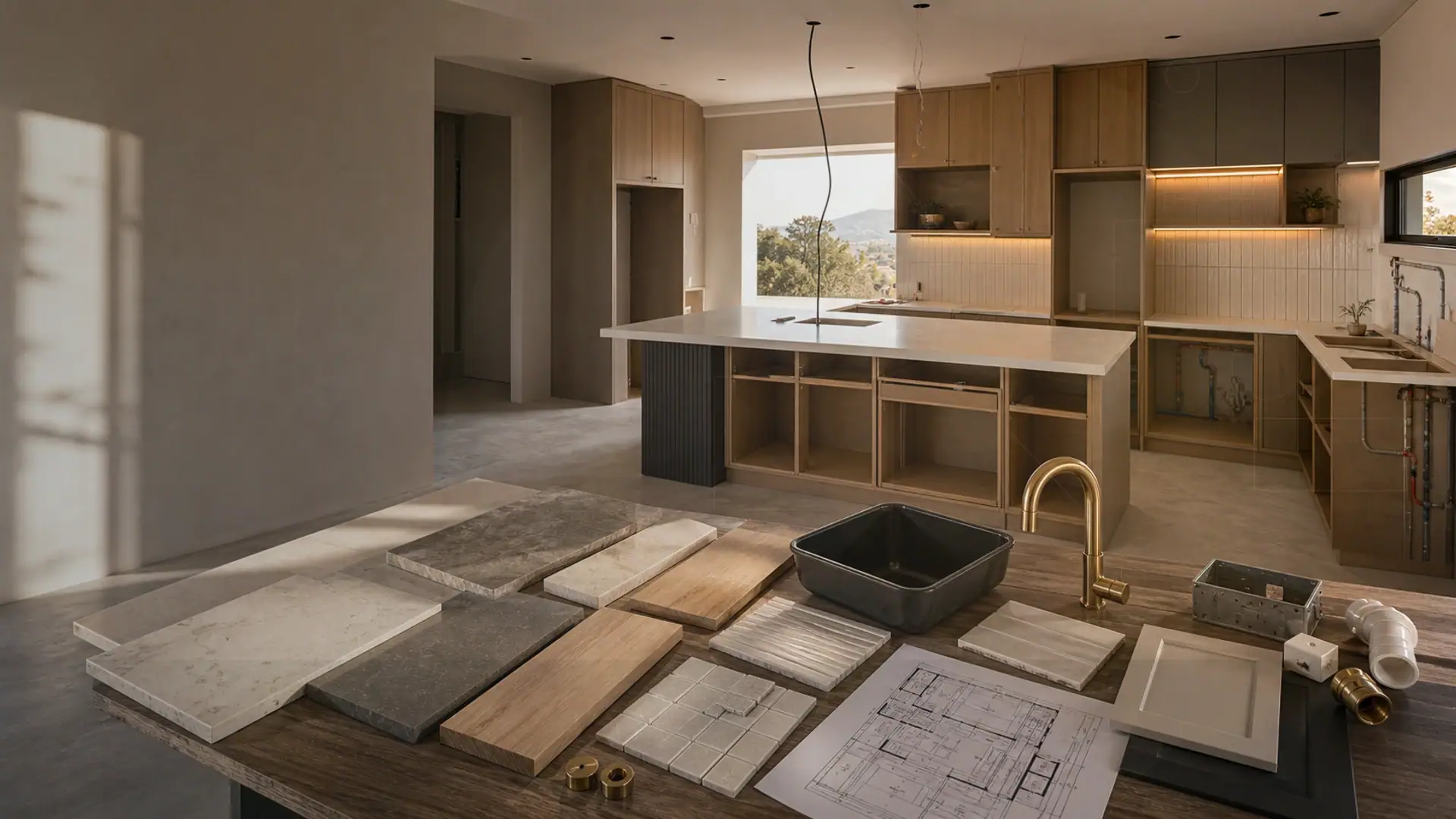
Kitchen Cupboard Materials Compared
Melamine to solid wood – durability, moisture and the look per rand
Quick answer
Kitchen cupboard materials compared – melamine, wrap, duco and wood – durability, moisture resistance and value per rand explained.
12 min read
On this page
Which option gives the best value for your renovation budget and lasts in South African homes? This question matters when you plan a lasting, practical fit-out for daily use.
At buildingpricessouthafrica.co.za we guide you through the choice of kitchen cabinet materials with clear pricing and sensible advice. Our focus is on cost, durability and what to check before you sign a quote.
Choosing the right material affects lifespan, resistance to moisture and the final look. We explain common cabinet materials, compare expected costs and point out pitfalls that cause early failure.
If you want a durable kitchen cabinet that suits your budget, read on. We show realistic prices, key cost factors and the questions to ask contractors so you can request up to three quotes with confidence.
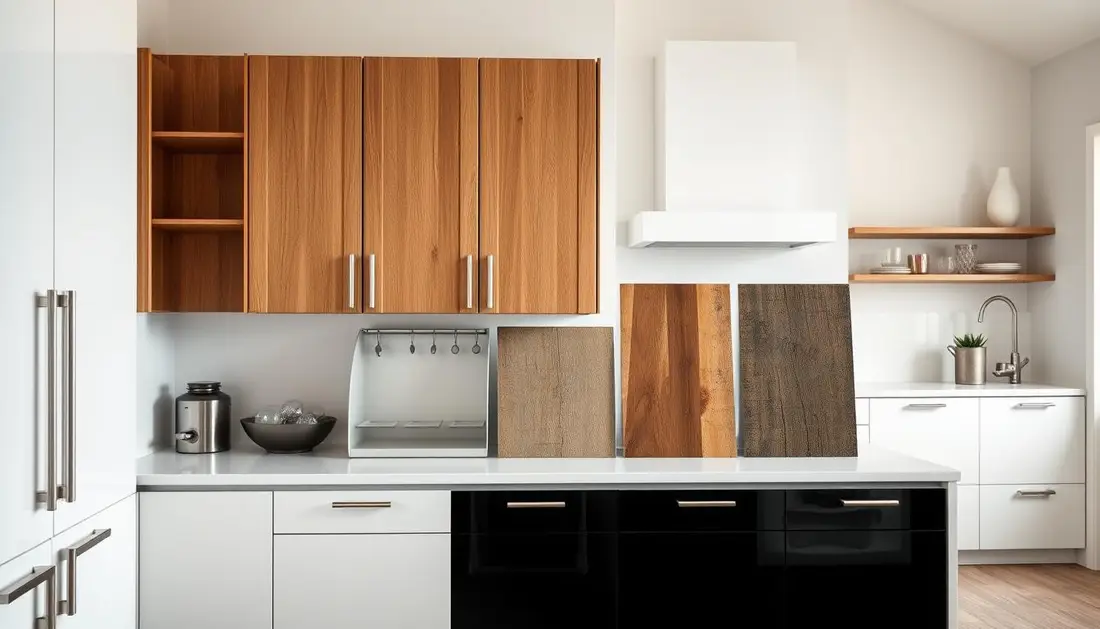
Understanding Kitchen Cupboard Materials in South Africa
Choosing the right cabinet base shapes how your whole kitchen functions and ages. The room is the heart of a home, so your choice affects daily use, storage space and long-term cost.
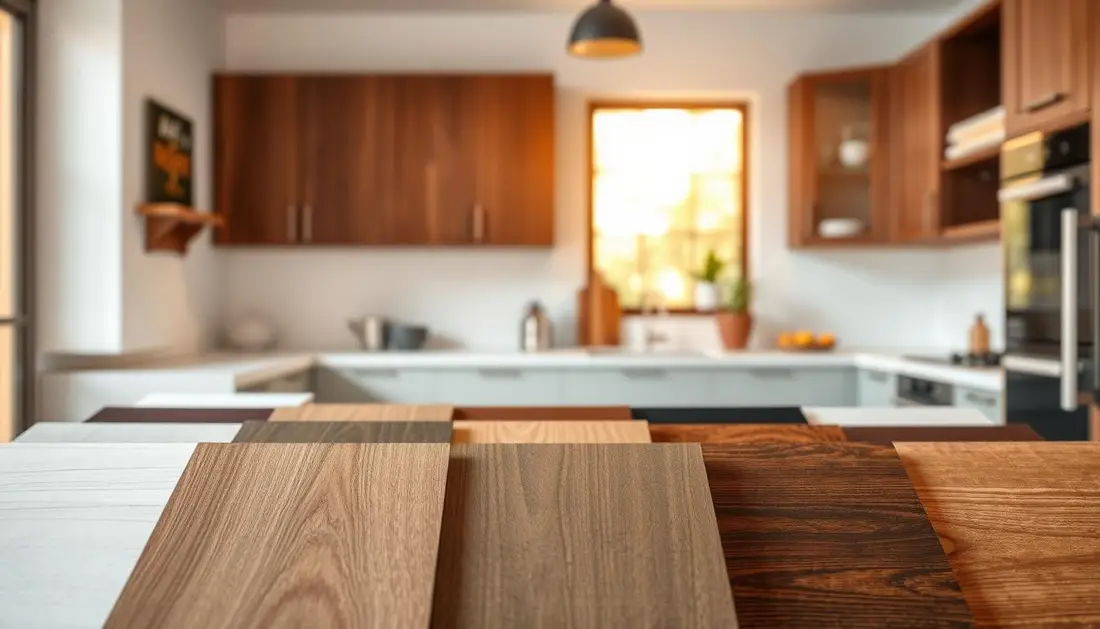
South African homeowners must weigh local climate, humidity and regional finishes when they pick kitchen cabinets. A good cabinet carcass combined with the correct finishes keeps doors true and prevents swelling.
Design and layout matter as much as the product. Interior designers say layout and cabinetry are the two factors that most influence usability and flow.
“Good layout and sturdy cabinetry are the two essentials for a practical, long-lasting cooking space.”
- Invest early in durable components to avoid costly repairs later.
- Match cabinet materials to your expected use and local climate.
- Plan finishes and storage to suit your family’s lifestyle and designs.
We help you compare cabinet materials and finishes so you can request accurate quotes with confidence.
Comparing Core Materials for Durability and Performance
Core board choice has the biggest impact on durability, cost and performance in daily use. Select the right option for your space by matching expected wear, moisture risk and budget.
Engineered wood options
Medium-density fibreboard (MDF) is a budget-friendly option. Expect R2,000–R6,000 per unit depending on finish. It gives a smooth face for paint or foil and suits many modern kitchens.
High-density fibreboard and particle board fill lower-cost roles. Particle board is the most economical but is less resistant to water than denser boards.
Solid wood characteristics
Solid wood offers natural beauty and long life. It starts around R12,000 per unit. However, it needs careful maintenance in humid environments to avoid warping.
Moisture resistance ratings
Plywood delivers structural strength and good water resistance. Brands such as HydraTUF Max ply can resist moisture for up to 72 hours, making them ideal for under-sink and wet zones.
| Core type | Typical cost (per unit) | Best use | Resistance |
|---|---|---|---|
| MDF | R2,000–R6,000 | Painted/laminate doors, budget builds | Moderate |
| Plywood (HydraTUF Max) | R6,000–R10,000 | Carcasses, wet zones | High (up to 72 hrs) |
| Solid wood | From R12,000 | Premium doors and frames | High with maintenance |
| Particle board | R1,200–R3,000 | Low-cost units | Low |

Essential Finishes for Aesthetic and Functional Appeal
Finishes decide how your new cabinets look, feel and cope with day-to-day use.

Laminate gives a low-maintenance surface with strong moisture resistance. It is practical for busy kitchens and offers good durability at modest cost.
Acrylic delivers a mirror-like, high-gloss appearance that lifts modern design. Expect more frequent cleaning to keep fingerprints and smudges away.
- Membrane: Wraps around an MDF or board core for classic profiles and consistent edges.
- PU paint: Custom colours and textures for a premium, seamless finish.
- Veneer: Real wood look without the price tag of solid timber; choose sealed veneer for wet zones.
- Glass: Use on wall units to open sightlines and showware with style.
Maintenance matters. Wipe spills quickly, avoid abrasive cleaners and confirm the finish warranty before you sign a quote. The right finish keeps the cabinet material looking better for longer and reduces future repair costs.
Strategic Spending on Carcass, Doors, and Hardware
A strong internal structure and robust fittings make the biggest difference over time. Prioritise the parts that carry weight and see daily use. That approach stretches your budget further and improves long-term durability.
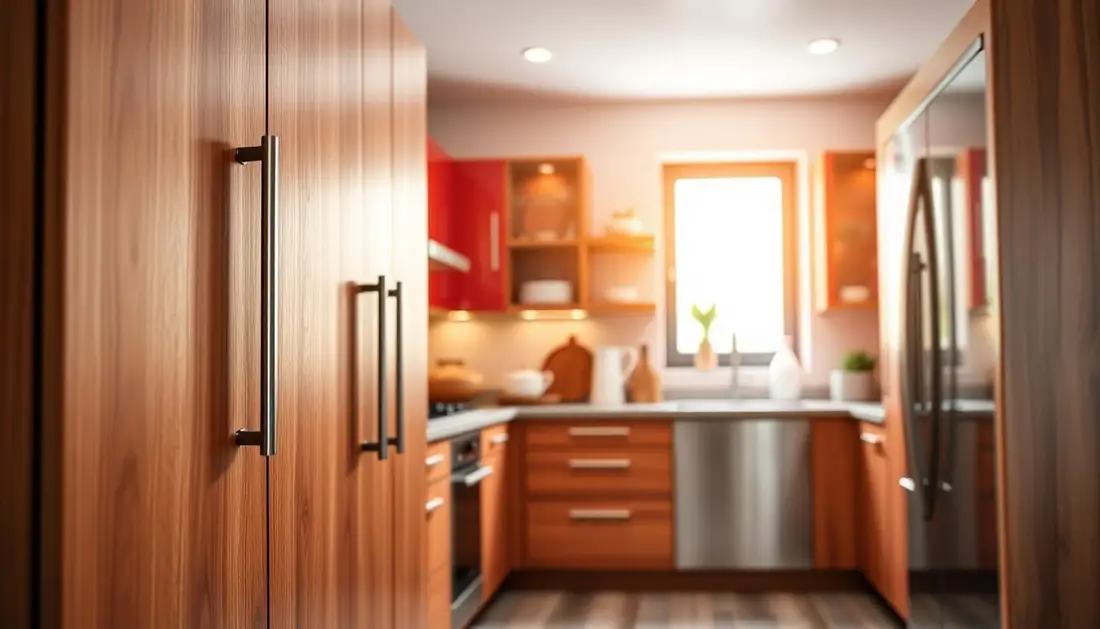
Prioritising Hardware Quality
Good hinges and runners outlive doors. Invest in soft‑close hinges and heavy‑duty runners. They reduce wear and protect joinery when doors are heavier or used often.
- Soft‑close hinges cut impact and noise, extending the life of the cabinet frame.
- Heavy runners support pull‑out drawers under load and prevent sagging.
- Hardware is easier to upgrade than a failing carcass; spend here first.
Balancing Carcass and Door Costs
Place more of your budget on a durable carcass made from HDF‑HMR or plywood for wet zones. These options resist water and support the weight of solid doors and hardware over years.
MDF works well for doors when finished correctly, but pair MDF doors with quality hardware. This balance gives you a premium finish without risking structural failure.
Navigating Regional Pricing and Market Variations
Expect different quotes from Pretoria, Johannesburg and Cape Town — location matters for affordability.
Basic built‑in units start at about R5,000 per linear metre in Pretoria. In major centres like Cape Town, premium custom cabinets can reach R20,000 per linear metre.
Regional price shifts reflect local demand, transport costs and supplier availability. Labour, access and approvals also affect the final bill.
“Compare at least three local quotes and check the scope and specs in writing to avoid surprises.”
Quick checklist for your quote
- Confirm which board or plywood is specified and where it will be used.
- Ask about finishes, hardware and lead time for installation.
- Factor in delivery and on‑site labour for accurate budgeting.
| Location | Typical start (R/linear m) | Common options | When to expect higher costs |
|---|---|---|---|
| Pretoria | R5,000 | Melamine, MDF doors | Custom finishes, complex layouts |
| Johannesburg | R7,500–R12,000 | Plywood carcass, laminate, veneer | High demand areas, premium hardware |
| Cape Town | Up to R20,000 | Solid wood, bespoke finish | Custom design and scarce supply |
Professional Installation and Labour Considerations
Installing fitted units correctly needs skill, the right tools and careful moisture control. This step protects the finish and improves long‑term durability.
Labour adds 10–15% to the total project cost. Professional installers in South Africa charge about R350–R600 per hour depending on design complexity and access.
Professional services versus DIY risks
Hire a pro when you choose heavy wood or plywood. Professionals use the correct anchors and ensure weight is supported. This prevents sagging and protects warranties.
- Professional installation keeps doors square and drawers running true.
- DIY work risks damage to mdf or plywood and can void manufacturer warranties.
- Experienced installers advise on finish choice, moisture control and layout to avoid common design mistakes.
| Item | Typical cost impact | Why it matters | When to hire pro |
|---|---|---|---|
| Labour % | 10–15% of project | Added to quotes for accurate budgeting | Always include for custom designs |
| Hourly rate | R350–R600/hr | Reflects complexity and site access | Complex layouts and tight spaces |
| Risk | Warranty void / damage | Poor fit causes moisture and wear | Heavy wood, plywood kitchen zones, wet areas |
Plan for labour in your budget and get installers to confirm scope and time in writing. That gives you cost certainty and protects your investment over time.
Evaluating the Best Kitchen Cupboard Materials for Your Needs
A sensible choice balances looks, durability and how much water the units will face.
Assess budget and use first. If affordability is key, medium-density fibreboard (MDF) gives a smooth, paintable surface ideal for modern designs and easy clean routines.
For base units and wet zones, choose HDF‑HMR or plywood. These options resist moisture and offer superior screw‑holding capacity so drawers and hinges remain true under load.
Solid wood suits homeowners who value natural wood appearance and long-term durability, but it needs sealing and regular maintenance to avoid warping in humid homes.
Compare life‑cycle cost not just upfront price. Particle board is cheap but less durable; plywood and HDF cost more yet reduce repair and replacement risk in high‑use spaces.
- Match board choice to moisture risk and expected daily wear.
- Prioritise quality hardware and a robust carcass to extend lifespan.
- Confirm finish type for easy cleaning and warranty coverage.
“The best option balances appearance, maintenance and realistic durability for your home.”
Trusting Our Platform for Accurate Pricing Guidance
Our platform at buildingpricessouthafrica.co.za gives clear, regionally adjusted price ranges so you can plan your renovation budget with confidence.
Use our pricing guidance to understand how scope, site access, labour, finishes and region affect total cost. Quotes vary with design complexity and the contractor’s on‑site assessment.
Through our quote request process you connect with independent contractors who can provide detailed assessments for solid wood, MDF and plywood cabinet options.
- Confirm inclusions, exclusions, timelines, payment terms and warranties in writing before work begins.
- Compare up to three contractor quotes (or up to five where available) to check market rates and quality options.
- Factor in site access and finish choice — these often shift a budget more than the core board selection.
Our platform helps you compare realistic costs and spot when a low price risks poor durability or cheap fittings. You will get the tools to manage the project and keep it on budget.
“Request written scope and warranties, and insist on timeframes and payment milestones in your quote.”
| What to confirm | Why it matters | Typical impact |
|---|---|---|
| Scope & specifications | Defines exactly what the contractor will supply and install | Can change price by 10–30% |
| Materials & finishes | Quality of board, finish and hardware affects lifespan and cost | From low to high impact depending on choice |
| Site access & labour | Complex access or extra labour raises installation cost | Usually adds 5–15% to the quote |
| Warranties & payment terms | Protects you and sets project cashflow | Reduces long‑term risk and clarifies liabilities |
Final Steps for Your Kitchen Renovation Journey
A clear plan that ranks durability, finish and cost saves time and reduces surprises.
Finalise your choice of cabinet materials by matching use, design and moisture risk in your home. Check options such as MDF and plywood for different zones and pick finishes that suit daily wear.
Verify that your chosen contractor has solid references and provides a written warranty for all cabinets installed. Insist on a signed scope, lead time and payment milestones.
Use our pricing guidance to compare quotes and avoid low‑cost risks. With the right choice and precise installation, your kitchen will be functional and long‑lasting. This pairs naturally with kitchen renovation steps.
See the live figures in kitchen renovation guide.
FAQ
What are the main cabinet core options and how do they differ in price?
The common core options are plywood, medium-density fibreboard (MDF) and particle board. Plywood is strongest and more costly, MDF is mid-range in price with a smooth finish for paint, and particle board is the cheapest but less durable. For budget-conscious homeowners we typically recommend plywood for wet zones and MDF or veneered plywood for visible surfaces to balance cost and longevity.
How does solid wood compare with engineered boards for longevity?
Solid wood offers a premium look and can last decades with proper care, but it’s expensive and sensitive to moisture and movement. Engineered boards such as plywood and MDF are more stable in South African climates, cheaper to install, and easier to maintain, making them better value for most renovations.
Which finishes resist moisture and are easy to clean?
Moisture-resistant laminates, high-pressure laminates (HPL) and PVC-wrapped doors offer excellent water resistance and easy cleaning. Acrylic and lacquered enamel provide a smooth, wipe-clean surface but need careful installation to avoid edge damage. Always specify sealed edges and splashproof backs for areas near sinks.
How should I prioritise spending between carcass, doors and hardware?
Prioritise durable carcasses where the cabinets will bear weight or face moisture, then invest in doors and hardware that affect daily use. Good hinges and soft-close runners improve longevity and user experience, while mid-range finishes on doors keep costs down without sacrificing appearance.
Are veneers a cost-effective way to get a timber look?
Yes. Real-wood veneer over plywood gives an authentic timber appearance at a lower price than solid wood doors. Veneer is lighter than solid timber and, when well sealed, performs reliably in typical household conditions.
What should I confirm in writing before accepting a quote?
Ask for a detailed breakdown of materials, door types, carcass board grades, hardware brands, labour hours, delivery, warranties and lead time. Confirm who handles site conditions, plumbing or electrical work, and what finish tolerances are acceptable. This prevents surprise costs during installation. It reads well alongside countertop materials compared.
How do regional differences in South Africa affect pricing?
Labour rates, material availability and transport costs vary between major cities and outlying areas. Coastal zones can incur higher moisture-resistant board costs. Request local quotes so you can compare true on-site pricing rather than national averages.
Is it worth hiring a professional fitter over DIY for cabinet installation?
Professional fitters reduce risks of poor alignment, damaged finishes and warranty voids. DIY can save money if you have carpentry experience, but mistakes often lead to higher repair costs. For custom layouts or moisture-prone areas we recommend professional installation.
What moisture ratings or treatments should I look for in board products?
Look for exterior-grade plywood where water exposure is likely, moisture-resistant MDF (MR-MDF) for splash zones, and HPL or PVC edging for seal protection. Boards treated for humidity and sealed edges significantly reduce swelling and delamination risks.
Which hardware brands or types give the best value in South Africa?
Choose reputable hinge and runner brands known locally for durability and spare-part availability. Soft-close hinges and full-extension runners are cost-effective upgrades that improve daily use. Ask contractors for brand names and warranty terms before buying.
How do I balance appearance and cost for door styles and finishes?
Use more affordable carcass boards and allocate budget to visible doors and handles. Flat-panel doors in lacquer or laminates give a modern look at lower cost than solid timber profiles. Combining a quality finish on focal elevations with simpler doors elsewhere saves money without sacrificing design.
What ongoing maintenance keeps cabinetry in good condition?
Wipe surfaces regularly with a mild cleaner, avoid excess water on edges, tighten hardware annually, and re-seal any damaged edges or veneers quickly. Proper ventilation reduces humidity-related movement and extends service life.
Can we request multiple quotes through your platform?
Yes. You may request up to 3 quotes, or up to 5 quote options where available, from independent contractors. Final site visits, quotes, timelines and workmanship warranties are managed by those contractors, not by our platform.
Ready to compare?