Renovations That Add Value in South Africa
Where renovation rands come back at resale – and where they quietly don't
Quick answer
Renovations that add value in South Africa – kitchens, bathrooms, flow and kerb appeal ranked by ROI, plus the upgrades that don't pay.
13 min read
On this page
Curious: which home projects really pay back in today’s South African market and which are costly mistakes?
Our platform gives clear, pricing-first guidance so you can judge return on investment quickly. Kitchen upgrades often return about 70–80% and bathroom work typically recovers 45–70% according to recent market data.
Boosting curb appeal is one of the most effective routes to higher home worth, with returns near 75–100%. Adding usable space, like extensions or loft conversions, can also significantly increase home prospects with returns around 60–80%.
Energy improvements — insulation and modern windows — often recover 60–90% and cut utility bills. We explain practical cost factors: scope, site access, materials, labour and finishes, so homeowners can plan a sensible budget.
Use our quote request process to get up to three competitive quotes, or up to five where available, from independent contractors. Read on for a concise ROI guide and realistic cost checks before you commit to any project.
Understanding Renovations That Add Value in South Africa
Deciding which projects will pay back starts with clear local market insight.
Decide by checking buyer preferences in your suburb and the typical price band on your street. Strategic upgrades are within your control, unlike wider market shifts.
Our platform gives pricing-first guidance so you can judge return investment for your home. We show typical costs, likely return and common pitfalls to help you plan.
- Focus areas – kitchens and bathrooms often give the strongest return and appeal to buyers.
- Cost factors – scope, materials, labour, access and approvals influence final cost and timeframe.
- Plan smart – balance cosmetic upgrades with structural work to improve daily living and market prospects.

| Project | Typical cost range (ZAR) | Estimated return |
|---|---|---|
| Kitchen upgrade | R60,000 – R250,000 | 70–80% |
| Bathroom refit | R25,000 – R120,000 | 45–70% |
| Energy & windows | R15,000 – R90,000 | 60–90% |
The Kitchen as a Central Asset
A well-planned kitchen project often drives the strongest buyer interest in a South African home.
The kitchen is the heart of the home and a targeted kitchen remodel can lift market appeal quickly. A minor kitchen intervention — typically between R45,000 and R120,000 — often shows very high return investment, per industry data.
Modernising Appliances
Replace dated units with energy-efficient stainless-steel models to increase appeal to buyers and cut ongoing costs. Confirm brand, model and warranties in writing before installation.
Optimising Layout
Small layout changes, such as adding an island or repositioning work zones, improve workflow and make the room more usable for daily living and entertaining.
- Material choices — quartz or granite tops are popular with modern buyers.
- Lighting — brighter, layered lighting creates a welcoming room and improves perceived quality.
- Cost control — minor upgrades often offer a better return than full gut projects; use our pricing guidance to compare contractor quotes.
Bathroom Upgrades for Maximum Appeal
A thoughtful bathroom upgrade can transform a small space into a strong selling point for your home.
Bathroom work typically returns 45–70% on sale in the current South African market. We provide pricing-first guidance so you can compare likely costs and the expected return investment before you commit.
Modern Fixtures and Finishes
Walk-in showers with frameless glass and double vanities are popular with buyers. They improve both look and daily living without needing a larger footprint.
Switching to water-efficient toilets, taps and showerheads lowers running costs and appeals to environmentally conscious buyers. Good lighting and ventilation make the room feel larger and reduce moisture risks.
- Materials: choose ceramic or porcelain tiles for durability and easy maintenance.
- Practical upgrades: new vanity, improved lighting, and sealed glass enclosures.
- Checks: confirm scope, removal of old fixtures and warranties in writing with your contractor.
| Upgrade | Typical cost (ZAR) | Estimated return |
|---|---|---|
| New shower & screen | R15,000 – R60,000 | 50–70% |
| Double vanity & tiling | R20,000 – R80,000 | 45–65% |
| Water-efficient fixtures | R3,000 – R12,000 | 60–90% (running cost savings) |
Small bathroom upgrades often give a better return than large-scale renovations. Use our quote request process to get independent contractors and accurate timelines for your project.
Enhancing Kerb Appeal and Exterior First Impressions
A polished exterior can transform how buyers judge your home in the first 30 seconds.
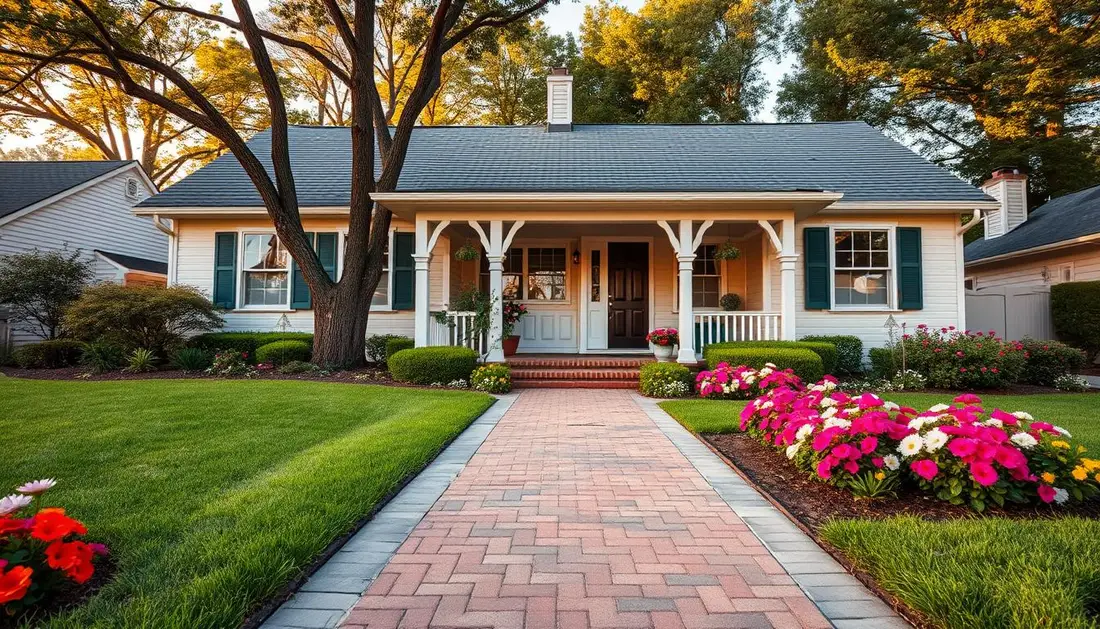
The front of your property is the first story a buyer sees. Small upgrades often deliver a large return.
Replacing an old front door or garage door is one of the most cost-effective exterior upgrades. Some projects have shown returns as high as 193.9%.
“A neat approach, clear sightlines and good lighting set buyer expectations before they step inside.”
Fresh landscaping and tidy lawns create a welcoming feel. Professional landscaping can hugely boost curb appeal and help increase home interest on the market.
- Update the front door and hardware for instant impact.
- Use durable materials and simple, well-placed lighting to highlight features.
- Ask for written scope, materials and cost estimates before work begins.
| Project | Typical cost (ZAR) | Estimated return |
|---|---|---|
| Front door replacement | R5,000 – R35,000 | 100–193.9% |
| Landscaping & lawn | R2,000 – R40,000 | 75–100% |
| Outdoor lighting & path | R1,500 – R20,000 | 60–90% |
We provide pricing guidance and a quote request process to connect you with independent contractors. Confirm all costs and finishes in writing to protect your investment and improve living and sale prospects.
Expanding Living Space and Flow
When space is scarce, smart structural changes can give you an extra bedroom, office or living room without moving house.
Conservatories and extensions can increase your home’s square footage and typically return 60–80% on cost when done to match local finishes.
Conservatories and Extensions
A well-designed extension improves flow between rooms and creates a clear new living area for family use or entertaining.
Consider layout, insulation and connection to existing services. Confirm structural scope, finishes and approvals in writing.
Loft Conversions
Loft conversions give extra bedrooms or a home office without increasing the footprint. Finished lofts are popular with buyers and families.
Good insulation, soundproofing and safe access are essential for long-term comfort and compliance.
- Why choose this — more usable space, better room flow, and broader appeal to buyers.
- Pricing guidance — consult our platform to compare realistic costs and likely return investment.
- Practical checks — confirm timeline, payment schedule and building approvals before work begins.
| Project | Typical cost (ZAR) | Estimated return |
|---|---|---|
| Conservatory / single-storey extension | R80,000 – R350,000 | 60–80% |
| Loft or attic conversion | R40,000 – R200,000 | 55–75% |
| Finished basement / cellar conversion | R100,000 – R400,000 | 50–70% |
Energy Efficiency and Modern Utility Savings
Targeted energy measures—like better insulation or double glazing—deliver clear savings and strong resale signals to buyers.
Improving insulation in walls and loft, or fitting double-glazed windows, often recovers 60–90% of the cost when you sell. These upgrades cut heat loss and reduce utility bills while you live in the property.
Simple, low-cost steps also help. Swap to LED lighting and fit a smart thermostat to lower bills and show modern efficiency to prospective buyers.
We recommend an energy audit to find leaks in ducts, poor seals or thin wall insulation. Our platform offers pricing guidance for HVAC work, new windows and insulation so you can compare cost and likely return.
- Practical checks — confirm material quality, expected savings and warranties in writing.
- Quote process — use our request tool to get independent contractor estimates for energy upgrades.
| Upgrade | Typical cost (ZAR) | Estimated recovery |
|---|---|---|
| Double glazing | R15,000 – R90,000 | 60–90% |
| Wall & loft insulation | R8,000 – R45,000 | 60–80% |
| Smart thermostat & LED lighting | R1,500 – R12,000 | 40–70% (running savings) |
The Dangers of Over-Capitalisation
Spending more than your street will bear is a common cost trap for homeowners.
Over-capitalisation happens when the total cost of a project outstrips what similar properties fetch nearby. Buyers tend to compare homes on the same road, so prices that sit well above the local ceiling can slow a sale or force a loss.
Researching the ceiling price on your street is a critical step before you plan any major work. Use recent sale prices and local agent feedback to set a realistic spending cap for your home.
Identifying Your Street Ceiling Price
How we help — our platform gives pricing guidance so you can judge whether a proposed project will genuinely increase your home value or simply raise your bills while exceeding market limits. For what this typically costs, see what home renovation costs.
- Check recent sales and current listings in your suburb to find the local ceiling.
- Get multiple independent contractor quotes through our request tool to compare true costs.
- Balance desirable finishes with what buyers on your street expect to pay.
- Consider energy improvements carefully — they cut bills and appeal, but still must fit local pricing bands.
“A well-matched upgrade sells better than an over-priced showpiece.”
| Action | Why it matters | Expected outcome |
|---|---|---|
| Check comparable sales | Sets your street ceiling price | Prevents overspend |
| Request 3–5 quotes | Shows realistic contractor costs | Better budgeting |
| Prioritise practical upgrades | Matches buyer expectations | Smoother sale; preserved home value |
Balancing Structural Spends with Cosmetic Wins
A smart project plan pairs essential structural repairs with quick cosmetic wins to protect your home’s market appeal.
Start by prioritising safety and fabric work. Fix leaks, check the roof and address any structural faults before you spend on finishes.
Once essentials are secure, use low-cost cosmetic moves to lift perception. Fresh paint, improved lighting and a new front door often deliver strong visible returns and improve curb appeal quickly.
Combine small interventions with larger work. A modest kitchen remodel or bathroom refresh pairs well with neat landscaping and updated exterior finishes.
Choose durable materials for structural items and sensible finishes for surfaces. That keeps your home durable and more appealing to buyers over time.
“Prioritise repairs, then spend on the visible touches that attract buyers.”
Use our pricing guidance and quote request process to compare costs and confirm scope in writing. This helps balance cost across structure and appearance and improves your expected return investment.
| Action | Expected cost (ZAR) | Why it matters |
|---|---|---|
| Essential repairs (roof, plumbing) | R8,000 – R80,000 | Protects structure; prevents future loss |
| Cosmetic wins (paint, lighting, door) | R2,000 – R40,000 | Improves curb appeal; quick buyer impact |
| Combined project (kitchen or bathroom + exterior) | R30,000 – R200,000 | Balances living quality and market appeal |
Securing Professional Guidance for Your Project
Get expert support early to avoid delays, budget overruns and poor finishes on your home project.
At buildingpricessouthafrica.co.za our platform offers clear pricing guidance and a simple quote request process to connect you with independent contractors.
Whether you’re planning small upgrades or a larger renovation, compare quotes to protect your budget and improve return on investment. This pairs naturally with our guide to hidden problems renovations uncover.
Work with qualified teams, confirm timelines, payments and warranties in writing, and focus on practical improvements that increase home appeal to buyers.
Use our tools to make home decisions with confidence and protect your home value and living space. It reads well alongside living through a renovation.
Budget it against renovation budget guide and kitchen renovation guide.
FAQ
What home improvements most reliably increase a property’s sale price in South Africa?
Minor kitchen updates, bathroom refits, fresh paint, improved lighting and neat landscaping typically give the best return. Focus on durable finishes, modern appliances from recognised brands (e.g. Bosch, Defy) and clean, neutral finishes that appeal to a wide pool of buyers.
How much should I budget for a modest kitchen remodel that improves market appeal?
For a budget-friendly, minor kitchen overhaul expect from R40,000 to R120,000 depending on cabinetry refaces, worktops, new appliances and labour. A full mid-range remodelling with new layout or island will be R120,000–R350,000. Confirm written quotes for scope, materials and lead times.
Will replacing appliances really help my return on investment?
Yes. Energy-efficient appliances reduce utility bills and increase appeal. New stoves, fridges and built-in microwaves from reputable brands can sway buyers and create a perception of quality without major structural work.
Are bathroom upgrades worth the cost for resale in SA suburbs?
Modern fixtures, good tiling, quality tapware and a frameless shower can significantly boost appeal. Expect to spend R25,000–R80,000 for a solid mid-range bathroom refit. Prioritise waterproofing, durable finishes and neutral colours to avoid over-capitalisation.
How can I improve kerb appeal on a tight budget?
Simple, cost-conscious steps work well: fresh front door paint, neat paving or edging, simple drought-tolerant landscaping, and clean gutters. A new front door or modern door furniture from local suppliers can have a big visual impact for R3,000–R12,000.
Do extensions or loft conversions reliably increase a home’s value?
Thoughtful extensions and loft conversions that add usable bedrooms or open-plan living often deliver good returns in high-demand areas. Costs vary widely — from R12,000 per m² for lightweight conservatory-style builds to R18,000–R30,000 per m² for full brick extensions. Check local market ceilings first.
What is the street ceiling price and why does it matter?
The street ceiling price is the highest likely sale price for similar homes on your street or suburb. Spending above that on high-end finishes risks over-capitalisation. Compare recent sales and consult agents or valuers before large structural spends.
How do energy-efficiency upgrades impact running costs and buyer interest?
Insulation, LED lighting, solar geysers and energy-efficient HVAC reduce monthly bills and attract eco-conscious buyers. Upfront costs vary (solar geysers R8,000–R25,000; insulation from R80 per m²). Include projected savings in any cost–benefit assessment.
Should I prioritise structural repairs or cosmetic improvements before selling?
Fix structural and safety issues first — a sound roof, functional plumbing and electrics. Once safe and legal, spend on cosmetic updates that give immediate appeal: paint, flooring, kitchen and bathroom refreshes. Get quotes for both so you can compare likely uplift versus cost.
How do labour, materials and access affect renovation costs in South Africa?
Labour rates vary by region and contractor skill. Material choice (standard vs premium), site access (easy driveway or tight cul-de-sac) and approvals (plans, municipal sign-offs) all influence cost. Always ask contractors to break down labour, materials and subcontractor fees in writing.
Can small projects like re-tiling or new lighting make a big difference?
Yes. Small, well-executed works such as new floor tiles, updated lighting and modern skirting boards refresh the look and often cost far less than major structural work while increasing buyer interest and perceived quality.
How many quotes should I get and what should they include?
Request up to three written quotes, or up to five where available. Each quote should list scope, itemised materials, labour rates, provisional sums, start and completion dates, and warranty terms. Independent contractors handle site visits and final pricing.
How do I avoid over-capitalising on high-end finishes that buyers might not pay for?
Match finishes to the neighbourhood and likely buyer. Use market comparables, consult local estate agents and choose durable mid-range materials rather than top-tier bespoke options. Keep a conservative budget for design-led features unless your area supports premium pricing.
Are DIY jobs a sensible way to save money on improvements?
DIY can cut costs on painting, gardening and basic tiling, but avoid DIY electrical, structural or wet-area waterproofing unless you are qualified. Poor workmanship can reduce sale value and increase liability. For regulated work, use accredited tradespeople and insist on compliance certificates. This pairs naturally with how to renovate in phases.
Ready to compare?