
Geyser Installation Rules and Compliance
PRVs, drip trays and vacuum breakers – the compliance behind every legal geyser
Quick answer
Geyser installation rules – PRVs, drip trays, vacuum breakers and platform requirements – and why compliant installs cost more.
11 min read
On this page
Do you know which simple checks can stop a costly hot water failure at home?
Safety begins with clear, practical choices. If you fit a fixed electric storage unit or arrange a replacement, correct placement of the pressure control valve and a drip tray can prevent water damage and pressure events.

At buildingpricessouthafrica.co.za our platform offers straightforward pricing guidance so you understand the true cost of compliant water heating installations and repair work.
We connect you with registered plumbers who follow national standards and issue a valid certificate compliance after work. Proper maintenance and written records protect your warranty and insurance.
Use our quote request to compare up to three independent contractors and confirm scope, materials and whether the vacuum breaker, temperature pressure device and control valve are correctly fitted to meet SANS requirements.
Understanding Geyser Installation Regulations in South Africa
South African standards set clear safety and quality expectations for every hot-water project. These rules exist to protect you and your property from common hazards such as leaks and pressure surges.
Compliance means the work is safe, efficient and capable of delivering reliable hot water. It also signals that materials and labour meet a national benchmark, which often affects cost.
When you plan a project, ensure a qualified professional carries out the work. A skilled tradesperson will size the system correctly, fit pressure controls and fit expansion measures to prevent damage.
“Correct practice reduces risk and keeps your insurance valid should you need to claim.”
We connect you with contractors who prioritise safety and written scope of work. Use our pricing guidance to compare up to three quotes and confirm scope, materials and compliance in writing.

The Regulatory Framework for Hot Water Systems
Understanding the rules helps you check that work is safe and durable before you pay a final account.
SANS 10254 and SANS 10252 set the South African National standards for storage water heating and repairs.

SANS Standards Overview
The standards include compliance tables developed by IOPSA and PIRB. These tables define critical parts to be fitted, such as the pressure control valve and vacuum breaker.
They also cover routine maintenance and how replacement repair work must be performed to protect your home from pressure faults and electrical risk.
The Role of the PIRB
The Plumbing Industry Registration Board audits a share of installations to confirm plumbers follow the standards. If work is not compliant, the plumber must issue a written notice and the correct certificate compliance.
“Approved components and signed paperwork protect your property and any future insurance claim.”
- Ask for the certificate and check which parts were fitted.
- Confirm the pressure control valve and vacuum are approved for the system.
Essential Compliance Components and Safety Valves
A compliant hot-water system depends on a few predictable parts fitted in the right order. These parts protect your property, keep warranties valid and make maintenance straightforward.

Pressure Control and Expansion Valves
Fit a pressure control valve on the main supply to balance hot and cold water pressure. A correctly rated temperature pressure valve must match the storage unit’s rating to avoid voiding the manufacturer’s warranty.
Use SANS 10254-approved valves for any replacement or repair work and ask the plumber to confirm ratings in writing.
Vacuum Breakers and Siphonage
Vacuum breakers must be fitted on both hot and cold lines to prevent siphonage. These simple parts ensure safe venting and protect the supply from backflow.
Drip Tray Requirements
Drip trays must cover the total area of the storage water unit and controls. They should slope to an external discharge point.
- Discharge pipes must be metal, inclined downwards and end at a visible external point.
- Any valve fitted between the pressure control valve and the unit can void warranties, so avoid extra valves in that run.
Confirm all materials and certificates of compliance before you sign off on the work.
Distinguishing Between Plumbing and Electrical Responsibilities
Plumbing and electrical tasks serve different roles; each requires a qualified tradesperson to sign off the work.
The law requires that all electrical work complies with SANS 10142-1. A plumber must not carry out electrical connections unless they hold an electrician qualification.
For any storage water replacement or repair that touches terminals, a separate electrical certificate of compliance is mandatory. This supplementary COC sits alongside the plumbing COC and protects your warranty and insurance.
The Necessity of Separate Electrical Certification
If you notice shocks at taps or switches, stop using the supply and call a registered electrician immediately. They use specialised testing to find faulty bonding, earthing or wiring.
- Always ask in writing for both the plumbing COC and the electrical COC when work is quoted.
- PV or DC controls, timers and any low-voltage control are electrical work and must be done by a competent electrical contractor.
- Proper bonding and earthing must be tested and recorded by the electrician; this reduces risk of shocks and fire.
“Only a registered electrician may issue the electrical certificate compliance required after replacement work.”
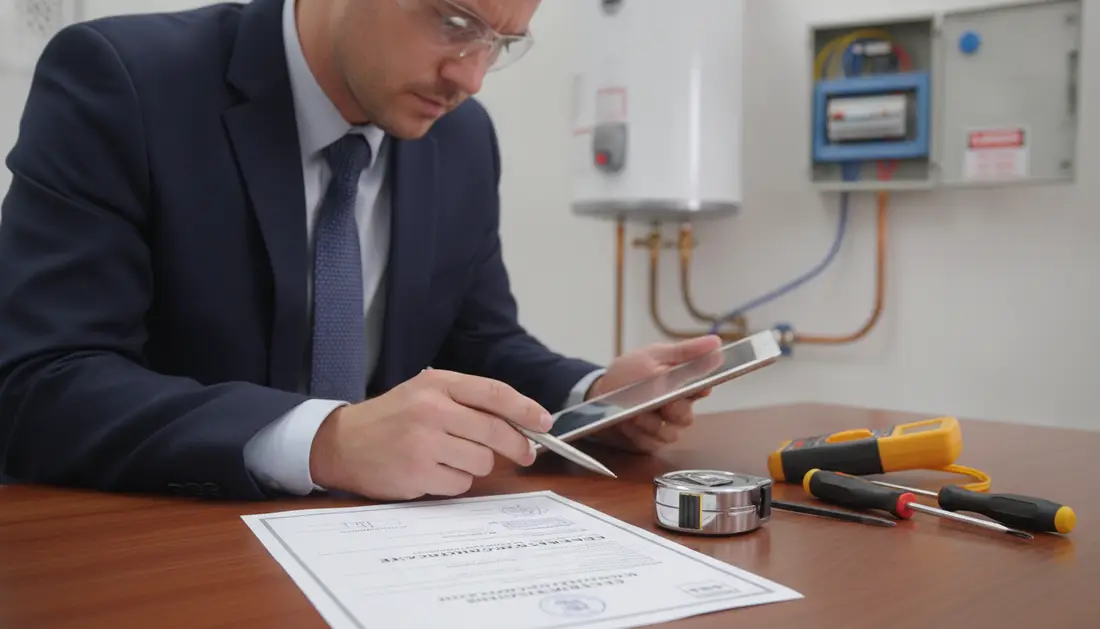
Operational Differences Between New Installs and Replacements
New units require full system design, while replacements often need targeted upgrades to meet current standards.
New build work covers full sizing, positioning and supply routing for water heating. This includes correct siting of the drip tray and the first-fit of approved valves.
Replacement work must bring existing parts into line with SANS 10254. A plumber must check the pressure control valve, vacuum devices and temperature pressure components.
Maintenance and repair work follows strict steps. Non-compliant parts are replaced and every replacement repair is documented. You should receive a written notice and the certificate compliance after work.
Use our quote request to compare costs and confirm scope. Replacements often include upgrades to meet modern safety and compliance levels.
| Work type | Key checks | Typical cost factors |
|---|---|---|
| New build | Siting, supply routing, drip tray, valve selection | Materials, access, design, labour |
| Replacement | Valve upgrade, vacuum, temperature pressure, documentation | Parts, repairs, compliance upgrades, plumber time |
| Repair & maintenance | Leak checks, pressure control, part swaps | Labour, parts, testing, certificate |
Insurance Implications and Environmental Future-Proofing
Insurers scrutinise certificates and service records closely after any hot water failure. If work lacks a valid plumbing COC or the correct certificate compliance, you risk a refused claim and a large repair bill. This pairs naturally with the plumbing rough-in stage explained.
Non-compliance often leads to denied cover. Common issues are missing paperwork, incorrect valve fitment or poor maintenance. In many cases, insurers will refuse to pay for damage caused by a unit not serviced by a registered plumber.
- Non-compliant geyser installations can void claims and leave homeowners liable.
- Most new units carry a five-year warranty only if fitted by a registered professional.
- Thermostat and element parts usually have 12–24 month cover when installed to manufacturer rules.
Planning for energy changes matters. Solar and heat-pump systems cut running costs and future-proof homes, but they must meet South African National standards like SANS 10254.
Find compliant contractors and compare quotes at buildingpricessouthafrica.co.za. We help you confirm warranties, COCs and whether the pressure control valve, vacuum and control valve arrangements meet the required standards before you pay.
“By investing in compliant, high-quality work today, you avoid high costs and safety risks later.”
Securing Professional Guidance for Your Installation
Use expert guidance to confirm the correct valve, temperature pressure device and a written certificate before you pay.
Get quotes that list labour, parts and the plumbing and electrical COC. This helps you compare cost, scope and likely future maintenance for your water and storage water systems. It reads well alongside what moving kitchen services involves.
Choose a registered plumber for replacement or repair work so safety and compliance are verifiable in writing. Short, clear scope notes protect warranties and reduce claim risk.
Compare prices and request up to three independent quotes at buildingpricessouthafrica.co.za to find contractors who prioritise safe, cost‑effective hot water work.
Run your numbers against plumbing costs. This pairs naturally with what moving bathroom plumbing involves.
FAQ
What is the starting point for complying with hot water system rules in South Africa?
Start with the South African National Standards (SANS) that apply to storage water heating systems and fixed electric storage units. Confirm the required pressure-control valve, temperature-pressure relief valve and appropriate expansion control are specified for your model. Ask your plumber for a copy of the relevant SANS clause that applies to the work.
Who is responsible for the plumbing side and who signs off the electrical work?
A registered plumber must carry out all water supply, relief valve, drip tray and drainage work. A qualified electrician must provide a separate electrical certificate of compliance for wiring, isolators and any fixed heating elements. Both trades should give written proof of the work done.
What safety valves and controls must be fitted?
Install a temperature-pressure relief valve, a pressure-control or expansion valve where required, and a functioning non-return or vacuum breaker if needed to prevent siphonage. Each valve must discharge to a safe point or drip tray per SANS rules.
When is a drip tray required and what are the rules for its discharge?
A drip tray must be fitted under any water heater installed inside a building or above living spaces. It should have a permanent fall to an approved outlet or safe location. The tray and discharge route must prevent internal water damage and be accessible for inspection.
Does replacing an existing unit need the same level of compliance as a new build?
Replacement work often requires bringing the installation up to current standards, especially if the change affects safety valves, drainage or electrical connections. Check with your plumber and insurer whether upgrades are mandatory for certification.
How does compliance affect building insurance and resale value?
Insurers may refuse claims if an incident links to non-compliant work or missing certificates. Certified installations protect cover and support resale by showing the system meets current SANS requirements and has the proper documentation.
Are solar and heat-pump water systems treated differently under the rules?
Solar and heat-pump systems must still meet the same safety and pressure-control standards as electric storage systems. They often require additional controls and isolation arrangements; use contractors experienced in renewable systems and request written confirmation of compliance.
What role does the PIRB or municipal inspector play?
The Plumbing Industry Registration Board (PIRB) endorses registered plumbers and can confirm competence. Municipal inspectors may require certificates for alterations that affect combustion, drainage or public safety. Obtain any local approvals needed before work starts. For what this typically costs, see budgeting for plumbing rough in.
What documentation should I receive on completion?
You should get a plumber’s work report or compliance certificate noting valves fitted, discharge details and tests, plus an electrician’s certificate for the electrical connections. Keep invoices and product spec sheets for warranty and insurance purposes.
How often should storage water systems be serviced and what maintenance is essential?
Annual checks are sensible: test temperature-pressure relief valves, inspect expansion devices, examine the drip tray and look for corrosion or leaks. Replace worn valves and sacrificial anodes per manufacturer guidance to extend life and maintain safety.
Can I change the location of a water heater or replace with a different capacity unit?
Location changes or capacity upgrades can alter required safety measures, discharge routing and structural support. You may need new approvals and different valve sizes. Get a written quote that lists changes to control valves, trays and electrical work.
What should I confirm in writing before work begins?
Confirm scope, materials, labour, warranties, compliance items (valves, trays, vacuum breakers), expected certificates and whether the contractor will seek municipal approvals. This reduces surprise costs and aligns expectations for the final inspection.
How do pressure-control valves and expansion devices differ, and when are both needed?
A pressure-control valve limits incoming supply pressure to protect the system. An expansion device (or expansion valve) manages volume changes when water heats. Both are required where mains pressure or thermal expansion risks compromise safety or appliance life.
What are common causes of failed safety inspections?
Typical failures come from missing or incorrect valves, no drip tray or poor discharge, unprotected electrical work, inadequate supports, and lack of certificates. Booking a pre-inspection with a registered tradesperson reduces the risk of non-compliance.
Where can I get up to three quotes for compliant replacement or new work?
Request independent quotes from registered plumbers and electricians who list compliance items and certificate provision. Ask for up to three written quotes and check trade registration with bodies such as the PIRB or the NHBRC for peace of mind.
Related building cost guides
Ready to compare?