How Roof Design Affects Build Cost
Pitch, spans, hips and valleys – design choices that quietly add or save tens of thousands
Quick answer
How roof design changes building cost – pitch, spans, hips vs gables and coverings – with the simple shapes that save real money.
13 min read
On this page
Could a single choice on your home change the final bill more than you expect?
When planning a new roof installation in South Africa you need clear figures fast. At buildingpricessouthafrica.co.za, our platform gives straightforward pricing guidance so you can compare options without guesswork.

Typical installations range from R500 to R1,000 per square metre, with an average near R800 per square metre. Expect roughly 40% of the total to cover materials and 60% for labour.
We help you get an accurate roofing estimate for your roof replacement by showing how materials, access and site conditions shape the final cost roof total. Use our pricing guidance to plan a sensible investment and request quotes with confidence.
Key points:
- Average installation ≈ R800/m²; materials ≈ 40%, labour ≈ 60%.
- buildingpricessouthafrica.co.za offers tools to fetch a reliable roofing estimate.
Understanding the Roof Design Cost Impact in South Africa
Understanding roofing for your South African home begins with clear measures: area, type and technical complexity.
Project size is the primary factor. Larger projects often benefit from economies of scale that reduce the price per square metre.
The structure type and the level of complexity then drive labour and material needs. Complex junctions, many penetrations and specialised finishes raise installation time and supply requirements.

- Size – more square metres usually lower the per‑m² price;
- Complexity – intricate layouts increase labour and material waste;
- Type & access – steep or restricted sites need more safety measures and time.
We provide a practical roofing estimate that breaks down price per square metre and flags hidden charges. Use our tools to compare quotes and prepare a realistic budget before you request site visits.
Core Drivers of Roofing Expenditure
Several technical and logistical factors combine to set what you pay for a complete installation. Below we chart the primary influences so you can make an informed estimate for a new roof.
Structural integrity and load bearing
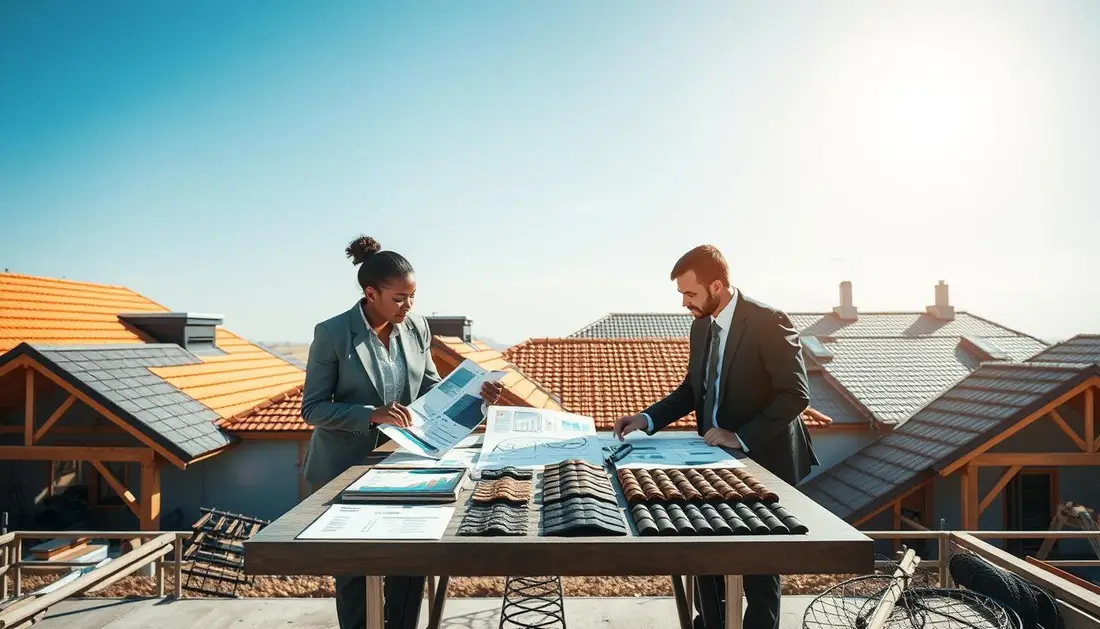
Cost-driver ladder: shape complexity, pitch, span and covering weight determine structural requirements.
Each step increases labour and materials. Heavier coverings, such as clay tiles or certain metal sheets, often need stronger framing.
Regional logistics and material transport
Limited access in dense urban areas raises project costs by roughly 5%–15% because of handling time and transport constraints.
- Removing old roofing increases labour time and adds waste disposal charges.
- Professional contractors assess structural requirements to ensure long-term durability.
- Managing waste and staging materials on-site keeps installation costs down.
- We provide pricing guidance so you understand how regional transport and site access affect your investment.
How Architectural Complexity Influences Your Budget
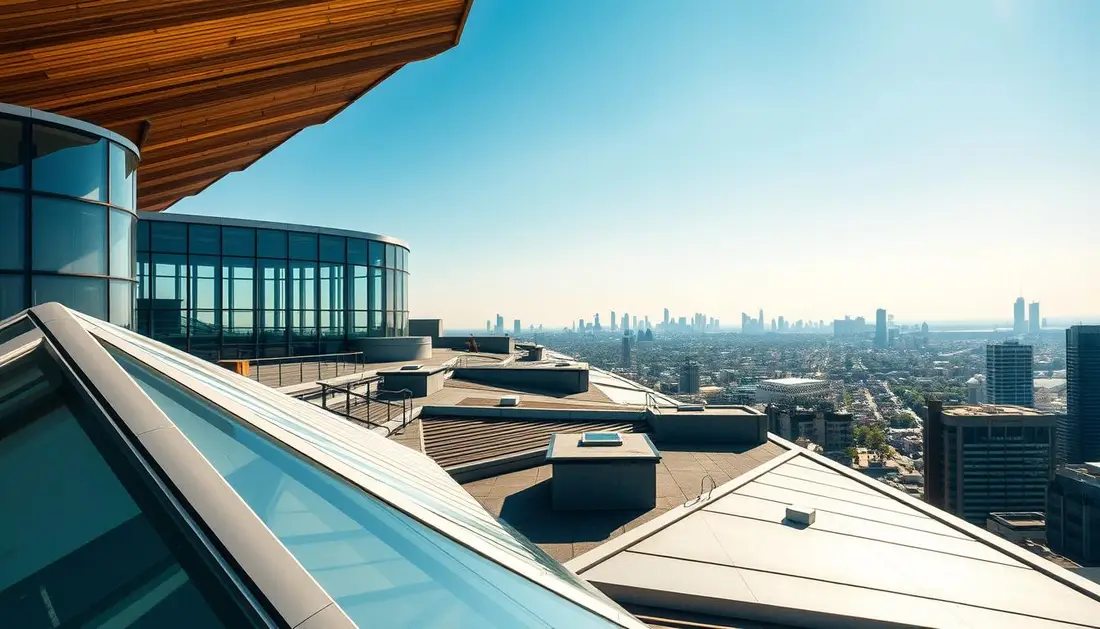
Intricate roof geometry changes how contractors price both labour and materials. Multiple valleys and dormers add cutting, flashing and sealing work that takes extra time on site.
Complexity commonly raises total project costs by 15%–25% compared with a simple layout. Each intersection or penetration, such as chimneys and skylights, needs careful flashing to prevent future leaks.
We guide you to balance appearance and durability. A more ornate look usually requires extra materials and skilled labour hours, which shows up in the final price and schedule.
- Precision matters: accurate cutting reduces waste and long‑term repairs.
- Time and labour: complex facets increase on‑site time and supervision.
- Quote clarity: our estimate process ensures contractors factor in all complexity elements for your replacement.
Review complexity early to keep your project on budget and reduce the risk of water ingress over the life of your home.
The Relationship Between Roof Pitch and Safety Costs
Steep pitches change how teams work on your home and what safety gear they must bring. Angles above 30° typically add time and resource needs for a safe installation.

Safety Equipment Requirements for Steep Angles
The pitch of your roof is a critical factor. Steep angles need scaffolding, harnesses and safety nets to protect workers.
Our pricing guidance shows that when slopes exceed 30° labour often rises by 10%–20%. This increase reflects extra time, supervision and specialist equipment.
- Assess the existing roof structure to confirm it can bear staging and fall-arrest systems.
- Choose materials carefully — heavy clay tiles may need stronger framing and longer installation time.
- Complex, high pitches increase the risk of leaks if flashing and the waterproofing system are not fitted precisely.
We help you budget for extra labour time and provide an estimate that includes safety measures. Choosing a simpler pitch can reduce the overall cost roof expenditure while keeping your home attractive and durable.
Comparing Simple Gable and Hipped Roof Designs
Choosing between a simple gable and a hipped-and-valleyed layout changes both material needs and labour time.
Simple gable is the most efficient option. It uses fewer cuts and less flashing, so material waste and installation time stay low.
Hipped-and-valleyed layouts deliver a traditional look but require extra measuring, more complex flashing and additional tile or metal overlaps. That increases waste and labour hours.
- Our comparison sketch effect shows how hipped-and-valleyed roofs need more precise cuts than a gable.
- Popular roofing choices like the gable favour speed and lower material waste.
- Request a clear estimate that lists the exact shape so contractors include the right quantities of tiles, shingles or metal sheets.
- We help you weigh visual appeal against extra time and materials for a sensible roof replacement decision.
Use our quote process to compare how each shape affects quantities, waste and final installation time before you approve work.
Selecting Materials for Longevity and Value
Different material types shift the balance between upfront price and long-term performance.
Choosing a suitable roofing material affects how long your covering lasts and how often you need maintenance. We present practical options so you can weigh immediate expenditure against years of service.
Metal Sheeting Options
Corrugated metal is affordable and quick to install. Typical pricing sits at R150–R300/m² and sheets last about 25–40 years.
Metal is light, resists harsh weather and reduces installation time compared with heavier materials.
Tile Longevity and Maintenance
Clay and slate tiles are premium choices. Clay tiles cost around R450–R800/m² and commonly exceed 50 years of service.
Slate offers notable appearance and durability but needs a strong structural system and higher initial outlay.
“Select materials that match the structure and your long-term budget.”
Lightweight Alternatives for Modern Builds
Lightweight options suit modern renovations or where the structure cannot support heavy tiles. They lower labour time and simplify installation.
| Material | Typical price (R/m²) | Expected life (years) | Maintenance notes |
|---|---|---|---|
| Corrugated metal | 150–300 | 25–40 | Low; occasional cleaning |
| Clay tiles | 450–800 | 50+ | Periodic cleaning; check for moss |
| Slate | Premium | 50–100+ | Low but needs strong framing |
Next step: use our pricing guidance to compare material types and expected lifespan for your roof replacement. We help you weigh upfront costs against long-term value so you choose materials that last.
Professional Labour and Installation Standards
A trusted contractor, correct procedures and safety compliance protect your investment and reduce future maintenance.
Professional labour typically represents about 60% of the total project cost. That covers skilled teams, safety equipment and warranty administration.
Reputable roofing contractors do not cut corners on materials or safety. Meticulous flashing around chimneys, vents and penetrations prevents leaks that can harm your home.
Removing an existing covering needs careful site management. Contractors must dispose of old material to meet environmental requirements and keep the area safe.
- Our quote request process connects you with independent contractors who meet strict installation requirements.
- High standards at installation make maintenance simpler and reduce long-term repair bills.
- Choosing professionals gives you warranty protection and peace of mind.
“Skilled installation is the most reliable way to protect your investment and extend the life of your roofing system.”
| Element | Typical share of total | Key benefit |
|---|---|---|
| Skilled labour | 60% | Correct installation and warranty |
| Safety & compliance | 10–15% | Reduced accident risk and legal compliance |
| Site management & disposal | 5–10% | Cleaner site, environmental compliance |
Essential Design Stage Savings for Your Draughtsperson
A careful review of your plans with an experienced draughtsperson can trim both material waste and labour time. Reviewing the plan before quoting can save up to 15% of total material and labour costs.
Our design-stage savings list focuses on practical changes that keep the appearance you want while reducing unnecessary complexity.
- Simplify geometry and reduce unnecessary valleys to lower material waste and on-site time.
- Standardise a single material type where possible — using consistent tiles, metal or shingles cuts waste and speeds installation.
- Limit facets and intersections to reduce cutting, flashing and extra labour hours.
- Ask your draughtsperson to prioritise ease of maintenance and clear long‑term requirements.
We provide pricing guidance so you can compare options and get an accurate roofing estimate once plans are finalised. Final plans give contractors a reliable estimate and stop you paying for extra architectural features you do not need.
“Finalising plans before you request quotes is the most effective way to secure sensible prices and fewer surprises on site.”
Finalising Your Roofing Strategy with buildingpricessouthafrica.co.za
Good outcomes follow a simple rule: compare multiple bids and confirm work in writing.
Use our quote request process to connect with trusted independent contractors who provide the final site assessment, timelines and warranties for your installation.
At buildingpricessouthafrica.co.za we help you compare transparent pricing so your new roof investment balances durability and sensible costs.
Always request a clear roofing estimate, check contractor references and make sure all project details are agreed in writing to avoid teams that are known for cutting corners.
Compare quotes, choose a reputable roofing contractor and protect your home so the replacement lasts for many years.
The numbers are in single-storey building costs and replacing a roof cost. For what this typically costs, see single storey building price guide.
FAQ
How does roof layout affect my building budget in South Africa?
The layout changes material quantities, waste and labour time. Simple gable plans use fewer battens, underlay and fixings than complex multi-level or skillion systems. More hips, valleys and intersections add flashing and underlay work, raising the total price. Factor in access and scaffold requirements — tighter sites increase labour hours and handling charges.
What are the main cost drivers for a new roof?
Core drivers are material choice, roof area, slope and structural reinforcement needs. Labour and site logistics, local contractors’ rates, and waste disposal also matter. Add permits, uplift of old coverings and any timber replacement. Climate-related upgrades — insulation, waterproofing and corrosion-resistant fixings — increase upfront spend but reduce long-term maintenance. This pairs naturally with repair or replace your roof.
Does architectural complexity change installation time?
Yes. Complex geometry requires more templates, cutting and skilled labour. Features such as dormers, skylights and high parapets slow progress and need specialised flashing. That increases hours on site and the possibility of premium charges for experienced roofers or specialist trades like leadwork or slate-layers.
How does pitch affect safety and therefore the price?
Steeper pitches demand fall-protection, harness systems and more scaffold or powered access. Safety equipment hire and certified installers add to the bill. Insurers and contractors may also charge higher premiums for steeper work, reflecting the increased risk and compliance requirements.
Are gable roofs cheaper than hipped roofs?
Generally yes. Gable roofs are simpler to frame and sheet, with fewer junctions and less flashing. Hipped roofs need extra trusses, hip rafters and more cutting, which raises material use and labour. The visual finish and wind performance of hips are often better, so there’s a trade-off between cost and durability.
Which materials give the best life-for-money in South African conditions?
Corrugated galvanised or coated steel sheeting offers low initial price and quick install. Long-life alternatives include aluminium or zincalume for corrosion resistance. Concrete and clay tiles provide longevity and thermal mass but require stronger structure and more labour. Natural slate lasts longest but has high supply and installation costs.
How do metal sheeting options compare on price and longevity?
Standard galvanised sheeting is cheapest but needs recoat or replacement sooner in coastal areas. Zincalume and pre-painted profiles offer better life and less maintenance, with higher upfront cost. Standing-seam systems and aluminium are premium choices with improved weather performance and lifespan.
What about tiles — will they save money over time?
Tiles cost more to buy and install because they are heavier and need stronger trusses and more skilled fixing. They perform well for decades with low maintenance and good thermal performance. If you plan to keep the building long-term, tiles often give better lifecycle value despite higher initial spend.
Are lightweight roofing systems a good option for modern builds?
Yes, lightweight options like fibre-cement, lightweight metal or composite tiles reduce structural timber costs and simplify transport and handling. They suit retrofit and contemporary designs where fast installation and lower dead load are priorities. Check fire ratings and warranty conditions for each system.
How should I assess contractor quotes for labour and installation?
Compare scope, unit rates and allowances for access, waste removal and waterproofing. Confirm who supplies materials, lead times and guarantees. Ask for a breakdown: scaffolding, fall protection, truss and roof-covering installation, flashing and gutters. Verify CIDB grading, references and proof of insurance. This pairs naturally with storm damage & roof insurance claims.
Where can I save during the design stage without risking performance?
Provide accurate roof plans and finishes to your draughtsperson to avoid variations. Standardise roof pitches and limit complex junctions. Choose widely available profiles and local materials to cut delivery costs. Do a thorough survey for rotten timber early to avoid surprise replacements during installation. It reads well alongside signs your roof needs replacing.
What should I confirm in writing before work starts?
Get a written scope, itemised quote, payment schedule, start and completion dates, warranty terms and material specifications. Ensure any needed municipal approvals, NCC compliance and waste disposal arrangements are documented. Confirm who is responsible for latent defects and snag lists after completion.
Can regional logistics change the final price significantly?
Yes — remote sites face higher transport and plant-hire costs. Urban deliveries may attract offloading and timing penalties. Coastal areas require corrosion-resistant fixings and materials, which raise prices. Always check local supply availability and factor in lead times for specialised coverings.
How long should different systems last before major repair or replacement?
Metal sheeting typically lasts 15–30 years depending on coating and environment. Concrete tiles last 30–50 years; clay and slate often exceed 50 years with correct installation. Lifespan varies with maintenance, climate and installation quality, so ask for manufacturer warranties and typical service intervals.
Will removing the existing covering add much to the estimate?
Uplift adds labour, waste management and often disposal fees. If underlying timber is damaged, you’ll need extra material and carpentry time. Stripping asbestos requires licensed removal and far higher cost. Include an allowance for unexpected timber replacement in early budgets.
How do warranties and guarantees affect price and choice?
Longer manufacturer warranties usually come with premium materials and may require certified installers. Contractor guarantees protect workmanship and should be written. Warranties influence perceived value: a higher initial price for covered materials often reduces lifecycle expenditure.
What questions should I ask my roofing contractor on-site?
Ask about their experience with the chosen system, time to completion, working hours, health and safety measures, scaffold plans, waste removal, and how they will handle unexpected timber or structural issues. Request key contact details and a copy of their public liability and workers’ compensation insurance.
Where can I get up to three independent quotes for my project?
Use buildingpricessouthafrica.co.za to request up to three quotes from independent contractors. Provide clear drawings, material choices and site access notes to get accurate estimates. Contractors will arrange site visits and supply final quotations and timelines.
Ready to compare?