
Storm Damage & Roof Insurance Claims
Assessor, scope, contractor – the claim sequence and where homeowners lose out
Quick answer
Storm damage roof insurance claims – the assessment process, scope disputes, contractor choice and how to document damage properly.
12 min read
On this page
Curious how a storm event can affect your home costs and next steps? We guide South African homeowners through the process so you know what to expect and when to act.
Storm-related roof repair and replacement costs have risen sharply in recent years. At buildingpricessouthafrica.co.za we focus on pricing clarity so you can compare quotes and plan your budget.
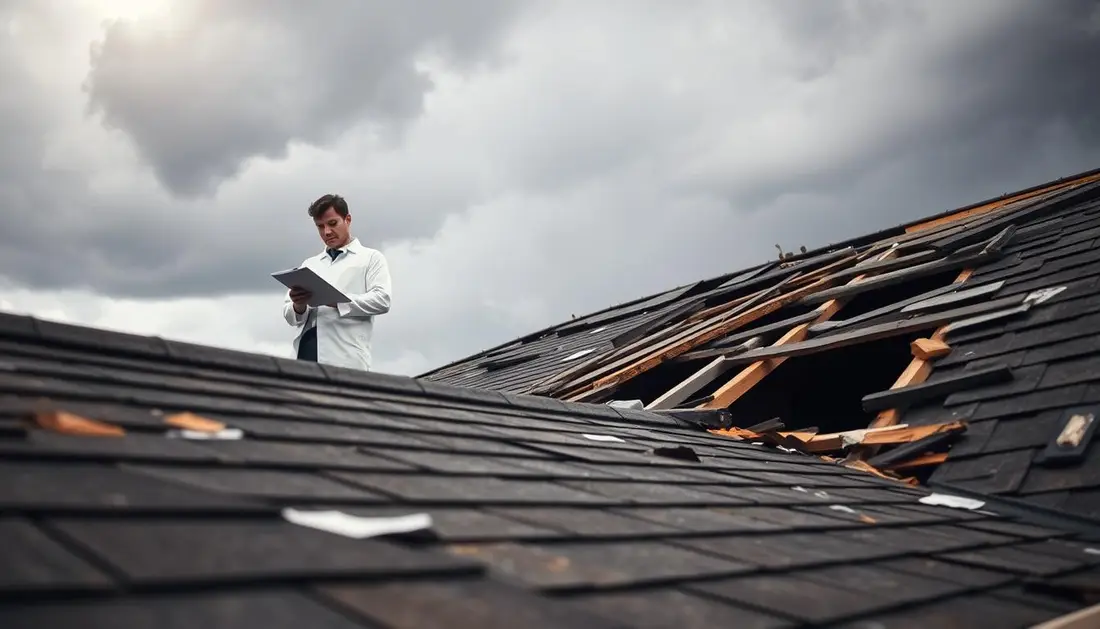
We explain the typical process, what an insurer will ask, and how to document issues like wind or hail. Our platform links you to independent contractors for realistic quotes and helps set expectations with the insurance company.
Start with good maintenance and dated photos. That simple step often speeds up repairs and helps when you talk to your insurer about cost, time and required work.
Read on to learn how to request quotes, compare prices and prepare paperwork before you contact an insurer.
Understanding Your Storm Damage Roof Insurance Claim
A careful review of your policy helps you separate sudden events from upkeep issues. Start by reading the key sections that define what is covered and what is excluded.
Policy Coverage Basics
Most standard homeowners policies cover sudden, accidental loss caused by high winds, hail or heavy weather. They generally exclude gradual wear and tear and maintenance problems.
- Policies often distinguish functional harm that causes leaks from cosmetic surface issues that do not affect performance.
- Water ingress after an event is usually covered, but you must show the event caused the problem, not prior neglect.
- Replacement Cost Value and Actual Cash Value affect your out‑of‑pocket costs — check which one your policy uses.
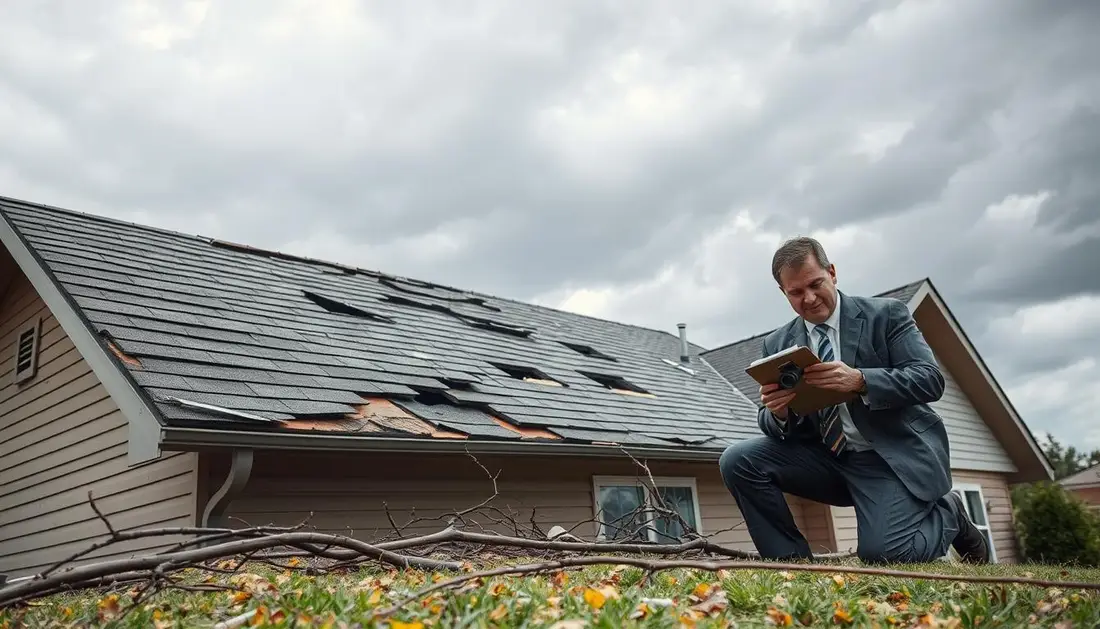
Distinguishing Maintenance from Storm Damage
Age and wear matter. If your roof is 25 years old and starts leaking, many companies view that as a maintenance issue rather than an insured event.
High winds can lift or remove shingles, which usually counts as covered work. But failing to clear gutters or remove debris may lead to a denied claim by your insurer.
“Keep dated photos and a maintenance log — it makes proving the event far easier.”
We recommend you document the event, note dates, and request quotes from independent contractors to compare scope and cost before you talk to your insurer.
Essential Documentation for Successful Claims
Collect clear, dated evidence right after an event affects your home. Take multiple photos from different angles while the issue is fresh. Include close‑ups of affected shingles and wider shots that show the surrounding area.

Keep a simple checklist of what to gather before you contact your insurer or company.
- Dated photos and inspection reports that show pre‑ and post‑event condition.
- All receipts for emergency repairs or temporary tarping — these are usually recoverable under policy terms.
- Notes of calls to the insurance company with dates, times and who you spoke to.
- Routine maintenance records: gutter clearing, branch removal and twice‑yearly roof inspections.
- A professional written report if you prefer not to climb on the roof.
Keep a digital log of correspondence so the adjuster sees a clear timeline. This practical record helps homeowners, speeds up the process and limits disputes about water damage, wind or hail related repairs.
Navigating the Claims Process and Timeline
Tell your insurer about the event quickly so timelines do not lapse. Time matters: many insurance companies ask that you submit within 90 days.
Start by reporting the incident to your insurer and getting an official reference number. Next, take steps to limit further loss and keep receipts for any temporary fixes.
The Claim Flow Steps
- Report: Notify the insurance company and note the date and contact details.
- Mitigate: Prevent further harm — tarp, board up or remove hazards and keep invoices.
- Assess: An adjuster will inspect; have your own photos and contractor notes ready.
- Scope: Agree the work list. If the insurer underestimates scope, a contractor report helps.
- Repair: Book trades and confirm warranties in writing.
We recommend confirming every decision from the insurance company in writing and keeping a dated log. Our platform helps you understand typical timelines and get independent quotes for repairs.

Managing the Assessment and Scope of Work
Start the assessment with a clear checklist to spot gaps between contractor and assessor notes. A short, organised review helps you catch missing items before any repair work starts.
Identifying scope gaps
Look for omitted tasks such as matching shingles, code-required upgrades, or secondary repairs caused by water. Small hail concentrations can bruise shingles while leaving few obvious signs. These subtle problems are easy to miss in a quick inspection.

The Role of the Adjuster
The adjuster documents visible issues and estimates the work the insurer will fund. Have a professional contractor attend inspections so every bruised shingle and affected detail is recorded in reports. This dual approach reduces scope disputes.
Handling Under‑Valued Offers
If an offer does not cover full repair work, you may present contractor quotes and written reports to negotiate. Be proactive: ask for a re‑inspection or provide additional evidence if the assessment seems incomplete.
| Cost Factor | What to check | Practical note |
|---|---|---|
| Materials match | Shingle type, colour, flashing | Request written confirmation in the scope |
| Code upgrades | Underlayment, battens, straps | May increase cost but is often required |
| Hidden issues | Bruised shingles, water stains | Include contractor inspection reports |
We recommend keeping all invoices, dated photos and reports together. This helps you show the true cost to the insurance company and secure a fair settlement so the home returns to its pre‑loss condition.
Understanding Betterment and Excess in South Africa
Betterment means an insurer may reduce your payout if repairs improve the property beyond its pre‑loss state. This deduction recognises the added lifespan or value from new materials or upgraded work.
Excess is the amount you pay first towards a repair. In South Africa many policies apply a higher, percentage‑based excess for wind and hail. That makes your out‑of‑pocket cost larger for those perils compared with other events.
Remember: routine maintenance is your responsibility. An insurer will not pay to replace a roof that has simply worn out through wear and tear. This pairs naturally with signs roof needs replacing.
- Ask your insurer how betterment is calculated on a replacement or partial repair.
- Check whether your policy has a separate excess for wind and hail.
- Keep dated maintenance records to avoid disputes over pre‑existing damage.
We provide clear pricing notes so you understand how excess and betterment can change the final payout from your insurance company.
Protecting Your Rights When Choosing a Contractor
Choosing a trustworthy local contractor protects your home and avoids costly rework later.
You always have the right to pick the company that will do the work. Do not feel pressured to use a business recommended by your insurer.
Be careful of out‑of‑area teams who arrive after a big event. They may promise a free or fast repair, yet lack local knowledge and long‑term responsibility. Established local roofers offer expertise and continuity that helps homeowners avoid those pitfalls.
- Confirm the contractor is licensed and experienced with insurance processes and repair work.
- Ensure inclusions, exclusions, timelines and payment terms are clearly written.
- Use a local company so you have a contact if issues appear after completion.
| What to check | Why it matters | Practical step |
|---|---|---|
| Licence & claims experience | Ensures proper paperwork and smoother claim handling | Request copies of licences and prior job references |
| Local presence | Long‑term support and knowledge of local codes | Choose firms with years in the area |
| Written contract | Prevents disputes over scope and payment | Get a signed scope, timeline and warranty in writing |
We help you request independent quotes so you can compare companies and make an informed choice. Protecting your rights means knowing your options and confirming everything in writing.
Securing Your Property Future with Expert Guidance
Securing your home’s future starts with small, regular checks that stop minor faults becoming major costs. Annual inspections catch issues with shingles and flashing early so problems stay manageable.
We help you understand your policy terms and access independent quotes via buildingpricessouthafrica.co.za. Use our platform to compare companies, request up to three quotes where available, and prepare the paperwork that saves you time with an insurer or insurance company.
Proactive maintenance and clear documentation make the whole process simpler. Book an inspection, keep dated photos, and contact trusted local contractors to harden your home against future storm damage.
Set your budget using leak repair costs.
FAQ
What should I expect when lodging a storm damage roof claim?
Expect an initial report to your insurer, a possible site visit by an assessor, and provisional authorisation to protect the house. Keep quotations and photographs of visible harm, and obtain temporary tarpaulin or boarding if there is water ingress. Note the insurer will check whether the event is covered under your policy and whether pre‑existing wear and tear contributed to the problem.
How do I know if my policy covers the loss to my roof?
Review the buildings section of your policy schedule and the policy wording for cover types such as wind, hail or rain. Look for exclusions: general wear and tear, poor maintenance, and gradual deterioration are commonly excluded. If in doubt, request the insurer’s written reason for any declined cover and compare it to a roofer’s inspection report.
What documents prove a successful roof-related claim?
Essential documents are: the policy schedule, the claim number, dated photos before and after the event, a contractor’s scope and quote, assessor reports, invoices for emergency repairs, and any correspondence with the insurer. Keep receipts for temporary repairs; these often form part of the loss settlement.
How long does the claims process usually take in South Africa?
Timelines vary. Emergency authorisation can be same day; full assessment and final payment often take weeks. Complex disputes or large losses may take months. Delays arise from backlog after major weather events, unclear scopes, or assessment disagreements. Regular follow‑up is practical: ask for expected response dates in writing.
What are the typical steps in the claim flow?
The usual flow is: notify insurer, receive claim number, assessor inspection, provisional measures approved, scope and quote prepared, insurer review and payment authorisation, contractor appointment and repair. Keep copies of every document and confirm which items the insurer will pay for before work starts.
How can I distinguish maintenance issues from event-related loss?
Maintenance issues show long-term wear: loose or missing tiles from age, moss, rot, or failed flashings. Event-related loss is sudden — uplifted sheets, torn gutters, or concentrated hail pitting. A certified roofer’s dated report helps demonstrate causation to the insurer.
What is an assessor’s role and how should I deal with them?
Adjusters assess cause, scope and value. Be present during inspections, point out concealed wet areas, and supply your contractor’s scope and photos. Ask the assessor to note temporary repairs and any safety hazards. If you disagree with findings, request a full written report and consider a second opinion from an independent roofer.
What if the insurer offers an under‑valued settlement?
Ask for a detailed explanation and cost breakdown. Provide independent quotes that justify higher costs and highlight missing items in the insurer’s scope. If unresolved, escalate to the insurer’s dispute unit, use the Ombud for Short-Term Insurance or seek legal advice. Keep records of all communications and quotes.
How does betterment work and when will it apply?
Betterment reduces payment when the insurer replaces part of an item that had remaining useful life. For example, if only half the roof is replaced and the insurer allows for the existing age, they may deduct a portion for future wear. Check your policy for betterment clauses and ask for the deduction calculation in writing. This pairs naturally with how to find a roof leak.
What is the policy excess and how does it affect my payout?
The excess is the amount you must contribute per claim, specified in your policy. It will be deducted from the insurer’s settlement. Some policies have variable excesses for wind or hail events. Confirm the excess amount before work begins so you can budget the shortfall.
How do I choose a contractor without risking my rights under the policy?
Choose independent, registered contractors with Public Liability and a track record. Get at least two to three written quotes showing materials, labour, scaffolding, waste removal and lead times. Confirm payment stages, warranties and what happens if the insurer pays the contractor directly. Never sign away your right to claim.
Can an insurer insist I use their preferred contractor?
Insurers may recommend contractors, but you are not obliged to use them. Insist on written confirmation that any contractor meets industry standards and provides warranties. Using your own contractor does not invalidate cover if the repair meets the insurer’s authorised scope and cost agreement. It reads well alongside our guide to repair or replace your roof.
What costs should I expect when repairing a compromised roof?
Costs depend on scope, materials, roof pitch, access, scaffolding, region and approvals. Expect separate line items for labour, sheets or tiles, flashings, gutters, insulation, waterproofing and waste removal. Obtain itemised quotes and compare workmanship warranties and lead times to make an informed decision. For what this typically costs, see roof repair price guide.
What should I confirm in writing before repairs start?
Confirm the final scope, total price, payment schedule, warranty terms, start and completion dates, and who will coordinate with the insurer. Ensure temporary weatherproofing is included and that the contractor will issue a final invoice and completion photos for the insurer’s records.
If there is water ingress after partial repairs, who is liable?
Liability depends on the cause. If incomplete scope or poor workmanship led to water entry, the appointed contractor should rectify under warranty. If the insurer authorised only partial repairs and those left vulnerable areas, discuss with the insurer and provide proof of ingress and contractor reports to secure further work.
When should I involve a professional cost assessor or quantity surveyor?
Involve a cost assessor if the insurer’s scope seems incomplete or underpriced. A quantity surveyor can prepare a detailed bill of quantities, validate contractor quotes and quantify betterment. Their report strengthens your position during dispute or negotiation with the insurer.
How do regional weather patterns affect claim outcomes and repair costs?
Coastal salt spray, strong inland winds, or frequent hail in some provinces increases wear and may influence materials and labour costs. Insurers may apply regionally adjusted rates or exclusions. Your contractor should recommend appropriate materials and maintenance to extend life and reduce future claims.
What records should I keep after the claim is closed?
Keep the final insurer settlement letter, paid invoices, completion photos, contractor warranties, and any correspondence for at least five years. These documents help for future resale, further claims or warranty enforcement.
Ready to compare?