Repair or Replace Your Roof: How to Decide
Patch again or start over – the age, spread and cost signals that decide
Quick answer
Roof repair or replacement – the age, leak-spread and cost signals that decide, with a simple rule for when patching stops paying.
13 min read
On this page
Is patching a short-term fix costing you more in the long run?
Deciding whether to patch or fully renew your covering is one of the biggest financial choices a South African homeowner faces.
At buildingpricessouthafrica.co.za we offer clear pricing guidance to help you weigh each option. We explain how to assess the extent of damage and when a fix will do versus when a full renewal is wiser.
Early attention to small leaks often saves time and future costs. Our platform helps you compare realistic costs for materials, labour and access, so you can make a confident decision without sales pressure.
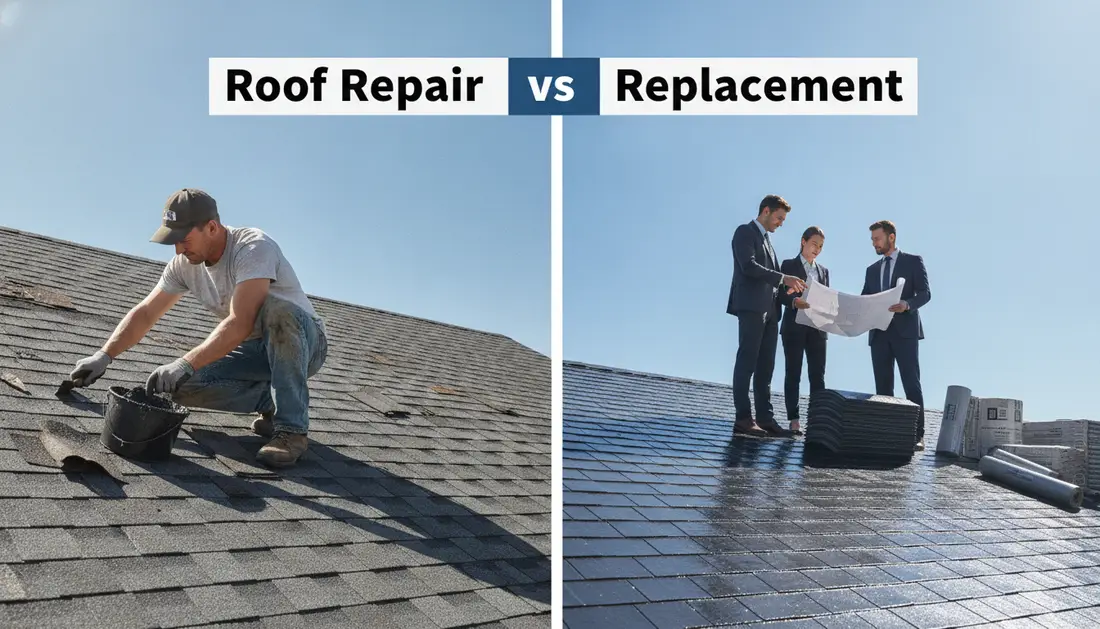
Use our data to protect your home against harsh local weather and to prioritise sensible maintenance that preserves the structure for years to come.
Understanding the Roof Repair vs Replacement Dilemma in South Africa
Deciding whether to fix isolated faults or commit to a full renewal starts with a clear view of your covering’s age and condition — weighed against the roof replacement guide when renewal looks likely.
Many South African roofs reach the end of their lifespan after 20 to 25 years; if your home is in that range, replacement often beats frequent patching — though for younger roofs the roof repair costs are usually the smarter spend.
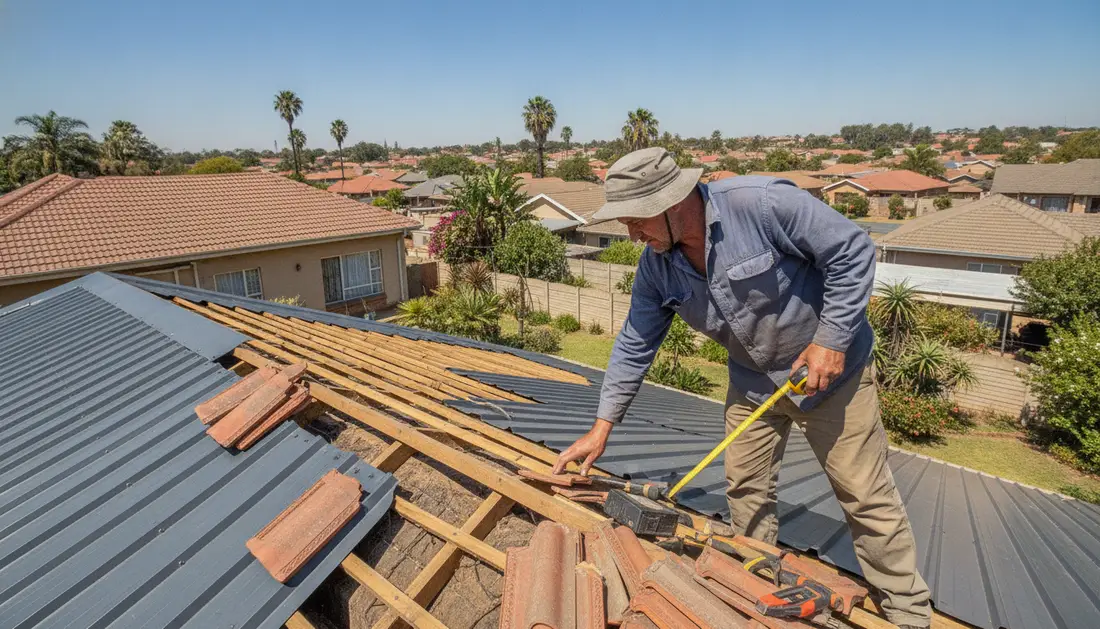
Look at the pattern of trouble. Occasional leaks near a seam are different from repeated leaks across several slopes. If you call for repairs every few months, the system may be failing rather than suffering isolated damage.
We recommend a professional assessment to confirm whether targeted repair or a full renewal will give the longest life and best value.
- Check age, frequency of faults and likely lifespan.
- Compare short-term costs with long-term savings from a full replacement.
- Use our pricing guidance to budget for materials, labour and access fees.
| Factor | When to choose repair | When to choose roof replacement |
|---|---|---|
| Age | Under 15 years | 20+ years |
| Frequency of issues | Isolated, rare | Recurring, widespread |
| Cost outlook | Lower immediate costs | Higher upfront, lower long-term costs |
Assessing the Structural Integrity of Your Home
A close walk-around will reveal telltale signs that materials are failing long before leaks show up indoors.
Identifying Material Fatigue
Inspect the surface coverings for brittle or curled asphalt shingles and for rust on metal sheets. These faults often mean the material has reached the end of its lifespan and may need full replacement.
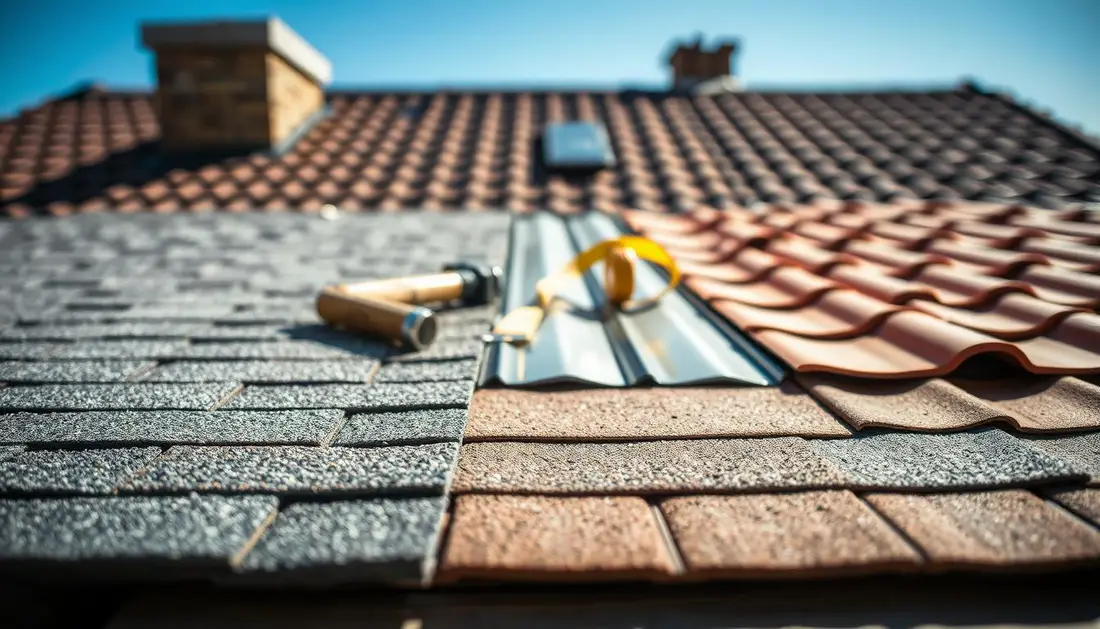
Check flashing around chimneys, vents and valleys. Damaged flashing is a common cause of ongoing water issues and can make simple repairs ineffective.
Signs of Water Ingress
Look inside the home for brown ceiling stains, peeling paint and damp patches in the attic. These are clear signs that water is passing the covering and affecting structure.
Sagging areas on slopes or in the decking often mean rotting timber. If the problem is widespread, the whole system may be compromised rather than a single area.
**Document what you find and photograph each damaged area.**This helps when you request quotes through our platform and shows contractors the true extent of damage.
| Inspection Area | What to look for | Likely meaning |
|---|---|---|
| Shingles / sheets | Brittle, cracked, curled | Material fatigue; limited remaining lifespan |
| Flashing | Cracks, gaps, rust | Localised leak risk; quick repairs may help |
| Ceilings / attic | Stains, damp, mould | Active water ingress; urgent attention |
| Decking / rafters | Sagging, rot, soft spots | Structural damage; system assessment advised |
The Decision Framework for Roofing Projects
Good choices come from facts — note the system’s age, the extent of visible damage and the history of leaks.
Evaluating Leak History and Structural Condition
Start with age and area. If the covering is near the end of its expected life in years, a new roof often gives better value than repeated fixes.
Measure the percentage of the surface affected. If more than 30% shows significant damage, a full roof replacement usually beats piecemeal repairs on long-term cost and performance.
Track every leak. Frequent fixes to the same spot suggest the material is exhausted and the system may be failing beneath the surface.

Assess internal condition too. Water stains, sagging decking or rot mean structural work may be needed before any new materials are fitted.
- Age: younger systems with isolated faults can be repaired.
- Extent: >30% damaged → consider a new roof.
- History: repeated leaks point to material exhaustion.
- Energy and lifespan: new materials often cut energy costs and add decades of service.
| Factor | Guide |
|---|---|
| Area affected | <30% — repair possible; >30% — replacement favoured |
| Repeat leaks | Frequent — material likely exhausted |
| Structural signs | Rot or sagging — assess system before works |
Use our pricing guidance to compare costs for materials, labour and access. A professional assessment will confirm whether a repair replacement strategy is viable or if a new roof is the right option for your home.
Financial Considerations and Cost Ratios
A clear cost check helps you decide whether to invest in a new roof or keep repairing existing damage. Use simple maths rather than emotion when weighing options.
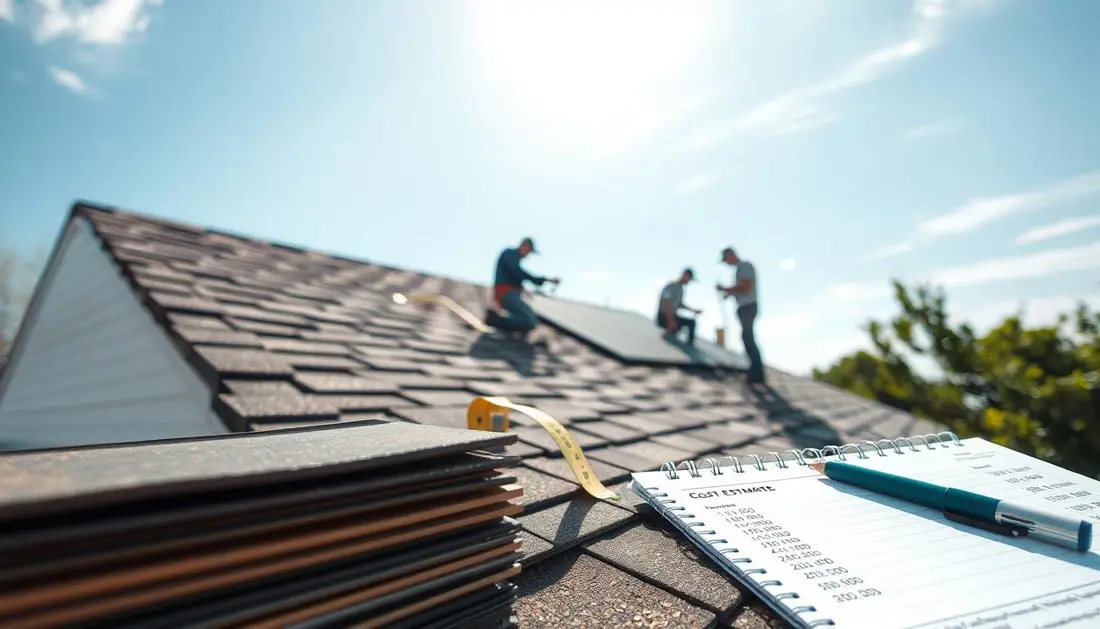
Rule of thumb: if the cost of repairs exceeds 30% of a new roof’s price, consider a new roof for better long‑term value.
Prices vary by scope, site access, materials, labour, finishes, region and the contractor’s assessment. Confirm what is included before you commit.
- Investing in quality roofing materials can raise home value and cut energy bills over time.
- Obtain detailed written quotes that list exclusions, timelines, payment schedules and warranties.
- Frequent small bills often outgrow the one-time cost of a full, high-quality new roof.
- Request multiple quotes via our platform to compare prices for asphalt shingles and other common roofing materials in South Africa.
“Always check that the quote covers labour, access, waste removal and final finishes.”
| Cost Factor | Impact on price | What to confirm |
|---|---|---|
| Materials / type | Major; different roofing material choices alter lifespan and energy performance | Exact material, brand, and warranty |
| Site & access | Can add 10–30% for scaffolding and time | Access requirements and additional charges |
| Labour & finishes | Skilled labour and premium finishes increase cost but improve value | Labour rates, scope of work, and finish specifications |
| Scope & damage | Extent of existing damage affects whether repairs or a new roof are efficient | Detailed assessment and recommended remedial scope |
A Homeowner Checklist for Safe Roof Inspections
You can assess much of the condition without stepping onto the slope by following a short inspection routine. Use these checks to spot early damage and to decide when to seek professional help.
Exterior Visual Checks
From the ground: use binoculars to scan for loose or missing shingles, rusted flashing and broken sheets. Look for dark streaks or areas where material has granule loss.
Note any blocked gutters or debris that trap water. Document locations with photos and mark the areas for follow-up.
Attic and Ceiling Observations
Inside the home, check the attic and ceilings for damp patches, mould or fresh stains. These signs usually point to active leaks or moisture entering the system.
Smell for mustiness and feel for soft spots on decking. Record where you find water and how often it appears after rain.
Safety Precautions
Never climb unless you have suitable training and gear. Ladders should be steady and used with a partner. If you doubt safety, contact a professional.
We provide guidance on what to look for, but we always recommend hiring a qualified tradesperson for a full inspection and for any higher-risk work.
| Check | What to look for | Action |
|---|---|---|
| Shingles / sheets | Missing, curled, brittle | Photograph; consider targeted repair or quote for replacement |
| Flashing | Rust, gaps, loose seams | Document; arrange professional sealing or renewal |
| Gutters & valleys | Blocked, sagging, standing water | Clear debris; schedule cleaning and check for water damage |
| Attic / ceilings | Stains, mould, soft timber | Dry out, assess material damage and structural soundness |
Real World Scenarios of Roofing Outcomes
Two short case studies show how outcomes differ when homeowners act on facts.
Case 1 — Minor flashing leak: A homeowner found steady leaks at one chimney flashing. An independent tradesperson replaced the flashing and sealed adjacent joints. The work took a day and cost a fraction of a new roof. The solution stopped water ingress and extended the system life.
Case 2 — Widespread rot after 20 years: After two decades the decking showed rot beneath many sheets. Inspection revealed structural timber decay and failing roofing material. The only safe option was a full new roof. The replacement fixed safety issues, improved energy performance and avoided repeated costs.
These examples show that the extent of damage and the condition of the roofing material drive the decision.
- Compare roofing materials — asphalt shingles or metal affect cost and life.
- Request written warranties for any work, small or major.
- Use our platform to connect with independent contractors for site-specific quotes.
| Scenario | Age (years) | Extent | Action | Outcome |
|---|---|---|---|---|
| Flashing leak | 8 | Localised | Targeted repair | Low cost; system extended |
| Widespread rot | 20 | Multiple areas | Full replacement | Higher upfront cost; long-term security |
Connecting with Independent Contractors via Our Platform
Start by requesting site visits and written quotes so you can compare real costs and options. At buildingpricessouthafrica.co.za we link you to independent contractors who provide professional assessments for your roof and any necessary replacement work.
How it works:
- Request up to three quotes, or up to five where available, to compare market prices.
- Contractors handle site visits, final quotes, timelines and warranties.
- We provide pricing guidance so you can judge value and avoid paying too much money.
We do not employ builders. Our role is to give transparent pricing and to help you choose between sensible roofing options that suit your budget.
“Compare written quotes and check credentials before agreeing to any work.”
| What to request | Who provides it | Why it matters |
|---|---|---|
| Site visit & written quote | Independent contractor | Shows true scope and realistic costs |
| Timeline & warranty | Contractor | Protects long-term value |
| Materials & finishes | Quoted by contractor | Impacts lifespan and future costs |
Final Thoughts on Protecting Your Property Investment
Smart maintenance and informed choices secure the long-term value of your home.
Consider age, visible damage and energy performance when you weigh options. Small, timely fixes can delay a full replacement, but recurring problems or widespread material failure often mean a new roof is the better option.
Use our pricing guidance to compare realistic costs for labour, access and materials. Request multiple quotes from independent contractors so you can judge value, timelines and warranties with confidence.
Taking the time to research and compare will save you money and give peace of mind. Protect your investment by choosing the option that delivers dependable performance, fewer leaks and improved energy efficiency for years to come.
FAQ
How do we decide between a repair and a full replacement for an ageing roof?
Start by assessing the roof’s age and the extent of visible damage. If your covering is near 20–25 years old or more than 30% of the area shows significant deterioration, replacement usually makes better financial sense. Our pricing guidance at buildingpricessouthafrica.co.za helps you compare repair costs against a new system so you can choose the most cost‑effective option.
What are the common signs that indicate the system needs replacing rather than patching?
Look for frequent leaks in different spots, brittle or curling asphalt shingles, widespread rusted metal sheeting, sagging areas, and repeated repairs to the same location. Water stains on ceilings and mould in the attic also point to failing components and often mean a full replacement is needed.
Is there a simple cost rule of thumb to help decide financially?
Yes. If the total cost of repairs exceeds about 30% of the price of a new covering, replacement is usually the better long‑term investment. Remember that actual prices depend on scope, site access, materials, labour, finishes, region and contractor assessment.
What should I check myself safely before calling a contractor?
From the ground use binoculars to scan for missing or loose shingles, rusted flashing, and debris. Inside, inspect the attic and ceilings for damp patches, mould or daylight through the roof boards. Do not climb onto the roof unless you have the correct safety gear and experience.
How does material type affect remaining life and repair options?
Different materials have different lifespans: typical asphalt shingles last around 20–25 years, while metal can last longer. Brittle or fatigued materials often require replacement rather than repair. Knowing the material helps predict future maintenance and energy‑efficiency outcomes.
How important is flashing and detailing in the decision?
Very important. Faulty flashing around chimneys, vents and valleys is a frequent cause of leaks. Replacing flashing can fix isolated leaks cost‑effectively, but if flashing failures are widespread it may indicate a failing system that needs replacement. It reads well alongside signs your roof needs replacing.
What factors do contractors consider during a professional assessment?
Contractors check roof age, percent of area affected, repeat‑leak history, timber condition, insulation, guttering, access for work, and local climate exposure. They’ll advise whether spot repairs or a full replacement gives better long‑term value. This pairs naturally with roof tiles vs sheeting compared.
Can multiple small repairs lead to higher lifetime costs than a replacement?
Yes. Repeated patching can add up and still leave underlying issues unresolved. Over time those cumulative costs often exceed the upfront cost of a quality replacement, especially where the system is near the end of its expected life.
How should I compare quotes from contractors on buildingpricessouthafrica.co.za?
Ask every contractor for a written quote that lists scope, materials, labour, finishes, access costs, timelines, payment schedule and warranty. Use our platform to request up to 3 quotes, or up to 5 options where available, and compare inclusions and exclusions, not just the bottom line.
What warranties and guarantees should I expect?
Expect written warranties covering materials and workmanship. Warranty length varies by manufacturer and contractor. Confirm whether the warranty is transferable and what maintenance is required to keep it valid. Always get warranty terms in writing before work starts.
Will a new covering improve my home’s energy efficiency?
Yes. New materials and improved insulation or reflective finishes can reduce heat gain and lower cooling costs. When planning replacement, consider higher‑performance materials that offer long‑term energy and maintenance savings.
What documents or photos should I prepare before requesting quotes?
Provide recent photographs of damaged areas, approximate roof age, known leak history, and any past repair records. This information helps contractors give more accurate, site‑specific quotes when you request options through our pricing guidance platform. It reads well alongside how roofers trace a leak.
Are there common hidden costs I should budget for?
Yes. Budget for access equipment, removal and disposal of old material, timber replacement if rotten, gutter or fascia repairs, permits in some areas, and any unexpected structural repair discovered during work. A detailed quote should flag these possibilities.
Can small fixes prevent a total replacement later on?
Timely maintenance and fixing minor leaks can delay a full replacement and prevent structural damage. However, if the system is ageing or problems recur frequently, maintenance alone may only postpone an inevitable replacement.
How quickly should I act if I find water ingress?
Act promptly. Water ingress can cause timber rot, mould and structural damage. Temporary measures might limit damage, but a professional assessment and appropriate remedial work should follow as soon as possible to protect your investment.
Ready to compare?