
Signs Your Roof Needs Replacing
Sagging lines, repeat leaks and tired coverings – read the roof before it forces you
Quick answer
The signs your roof needs replacing – sagging lines, repeat leaks, brittle tiles and rusted sheeting – and what each symptom means.
14 min read
On this page
Are you sure a repair is cheaper than a full replacement? This question matters if you own a home in South Africa. Asphalt shingles normally last 15–20 years depending on exposure. When repair bills climb past 30% of a new installation, replacement often gives better long‑term value.
At buildingpricessouthafrica.co.za we help you weigh cost and condition. Use our quote request to connect with independent contractors who assess whether you need new materials or can extend service life with targeted repairs.
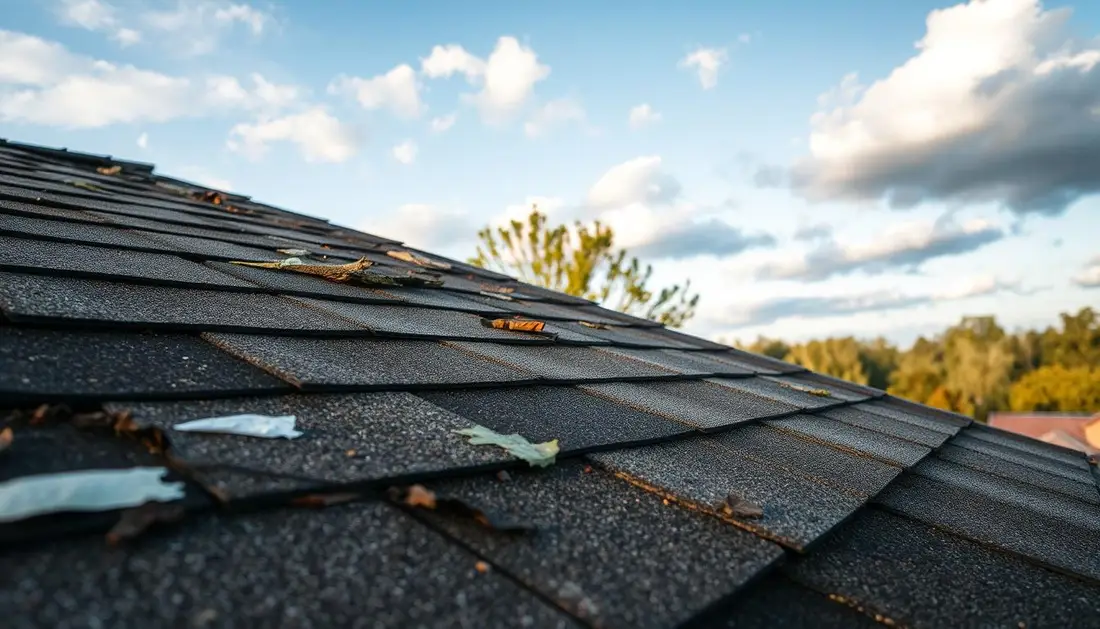
Identifying early damage prevents water ingress and timber or insulation failure. Persistent leaks, extensive wear or recurring patch repairs usually signal it is time to consider a new roof. We explain pricing factors — labour, materials, access and approvals — so you can make a practical, cost‑aware decision.
Get clear, local pricing and up to three quote options where available. That way you can decide whether to replace roof now or budget for staged work later.
Understanding the signs roof needs replacing in South Africa
Knowing when a dwelling’s top surface may be past its useful life helps you plan budgets and avoid sudden failures. For many South African homes, age and exposure mean materials reach the end of their effective life after 15–20 years.
Our platform offers practical checks you can do from the ground and advice on when to book a professional inspection. Look for curling shingles, granular loss and persistent leaks into the loft; these are common indications that materials are failing.
Flat roofs deserve extra attention. Inspect twice a year to clear debris and protect the felt covering from premature failure. If you suspect structural stress, a structural engineer can confirm whether the covering or the deck has suffered age‑related damage.
Our pricing guidance helps you compare the cost of targeted repairs versus full replacement. Check your insurance policy for cover on the specific cause of water damage before you request quotes.

- Use our quote request to compare independent contractors who can verify if you need new materials or only minor repairs.
- Monitor for water ingress; damp spots in the loft are a primary sign to act.
Visual symptoms of structural roof failure
Visible distortions along a ridge line often point to deeper structural failure in the timbers beneath. Early detection helps you decide whether a patch or a full replacement is more economical.
Sagging ridge lines
Sagging indicates joists or battens that are waterlogged or weakening under load. Photograph the whole run with a wide-angle shot so contractors can see deviation from a straight horizontal plane.
Delaminating tile surfaces
Tiles that peel or flake have lost their protective coating, leaving base material open to UV and moisture attack. Use close-up images to show loss of granules and exposed material.
Persistent rust and corrosion lines
Rust on flashing or fasteners shows moisture is breaching seals and compromising the integrity of fixings. Capture medium-range photos that include the surrounding tiles and a ruler or object for scale.
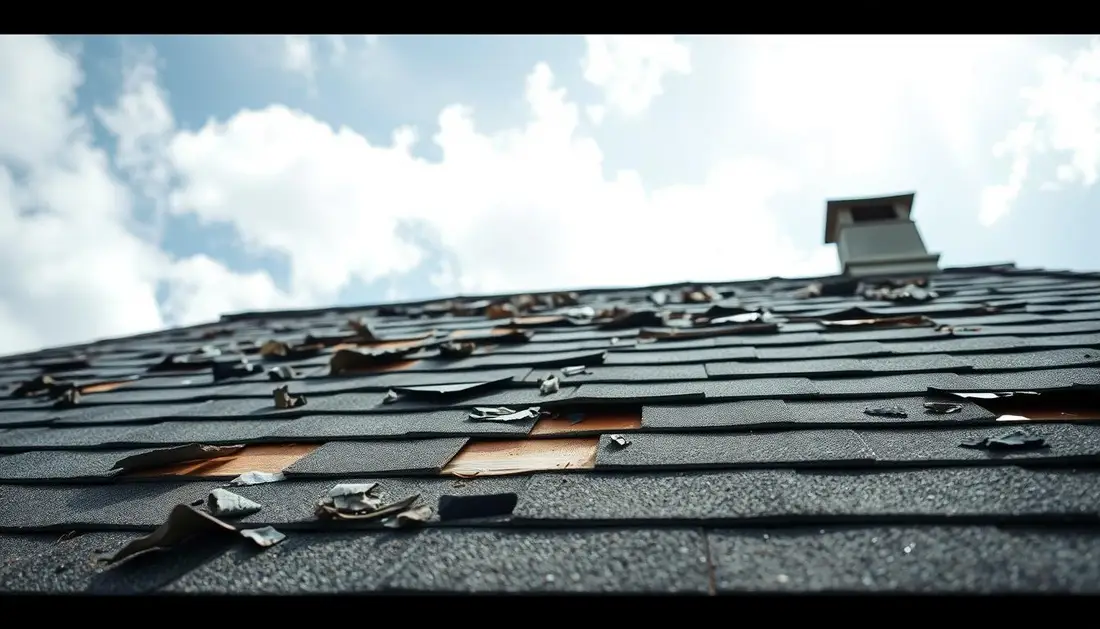
- Document sagging with wide-angle photographs to show the scale of deviation.
- Take close-ups of delaminating tiles to highlight granules and surface loss.
- Photograph rust lines on flashing and fasteners with scale for clearer estimates.
- Check your home insurance policy—weather-related structural damage may be covered.
- If shingles curl or buckle, the material has likely reached the end of its useful life and should be assessed by a company that specialises in roofing.
Conducting a safe ground-level and ceiling void inspection
A quick, organised ground check can reveal many common problems without leaving the pavement. Start by viewing the whole roofline from across the street to see ridge alignment, loose shingles and visible stains.
Carry out attic inspections only in daylight. Pinpricks of light through the boards are a clear sign that flashing or shingles have failed and let moisture in. Use a sturdy ladder, solid footwear and a torch so you can spot water damage, mould growth and stains on joists.
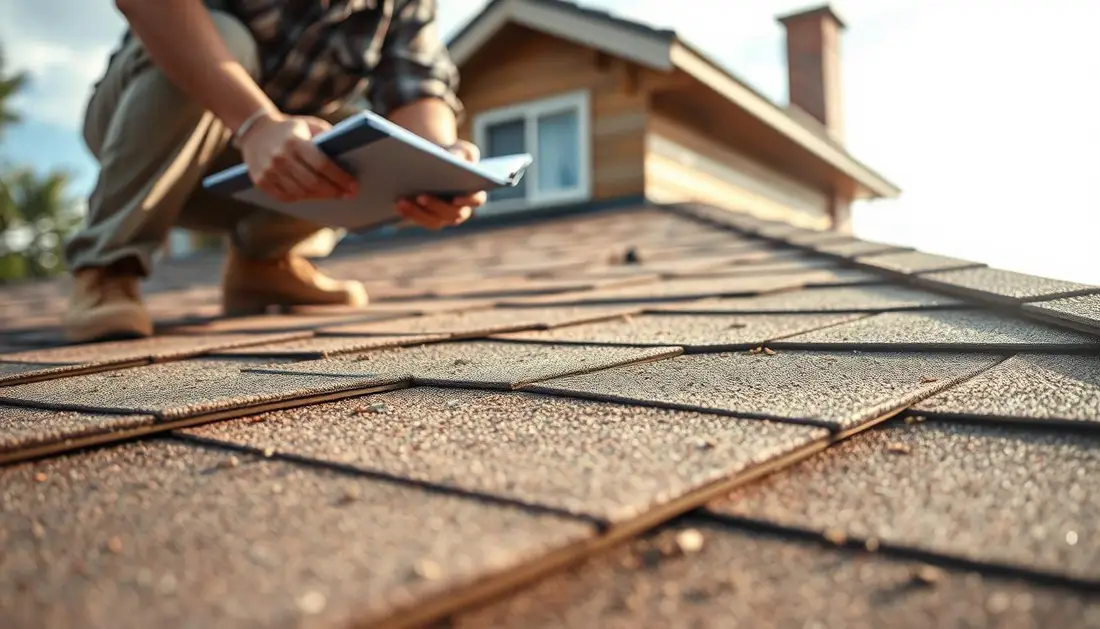
Safety protocols for attic access
Never walk on fragile areas; access the ceiling void via joists and avoid insulation that hides moisture. Check gutters for granules after a storm—heavy buildup shows the shingle protective layer is wearing thin.
- Always inspect from across the street for a full view of the ridge and slopes.
- Use proper lighting in the ceiling void to find water stains or mould.
- Document findings with clear photos to support your quote request to independent contractors.
- Keep routine maintenance—remove moss and clear debris—to reduce moisture and extend service time by years.
- Check your insurance terms; some policies require regular inspections to keep cover valid.
- Never attempt high-level work yourself; hire a professional roofing contractor for access and repairs.
Our platformrecommends documenting every defect and noting when it first appeared. That way you provide contractors with the detail they need for an accurate inspection and costed quote.
Documenting damage for accurate contractor assessment
Good documentation helps a roofing contractor give a precise quote. Take high-resolution photos of every affected area. Capture close-ups of missing shingles, granules on the gutter and rusted flashing.
Interior water stains need a medium-range shot that shows the stain plus a wider view of the loft or ceiling. Note when the stain first appeared and any prior repairs.
Photograph the whole slope from at least three angles. Include a shot that shows the house context so the company can judge access and labour time.
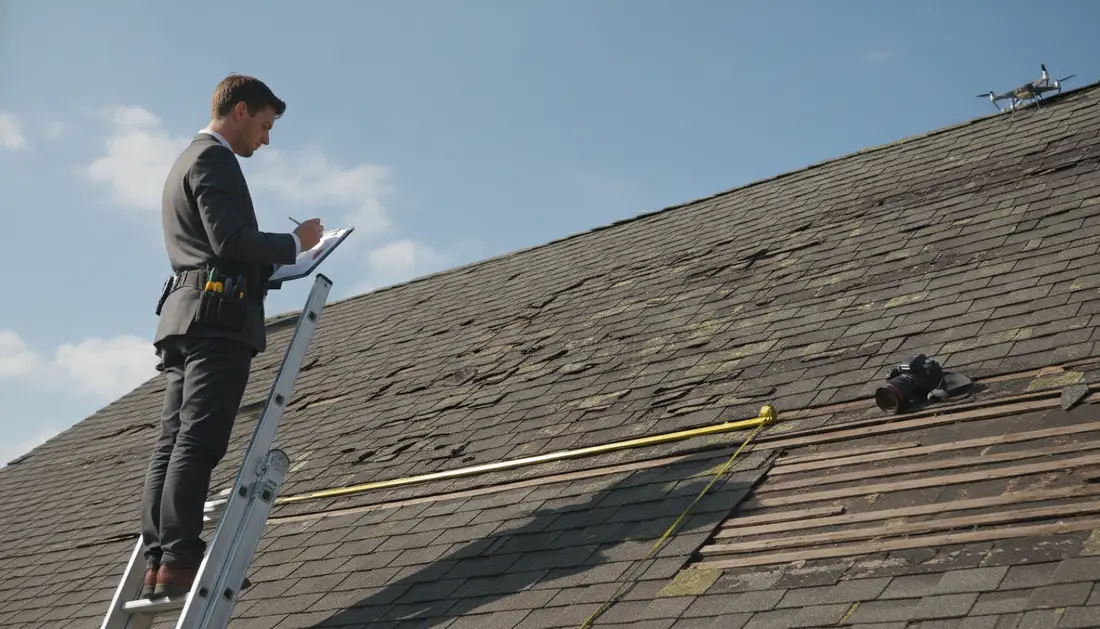
- High-res close-ups of damaged shingles and exposed felt.
- Macro shots of flashing failure and corroded fixings.
- Interior photos of water stains with dates and brief notes.
- Record roof age and previous repair invoices if available.
| Symptom | Photo type | Why it matters |
|---|---|---|
| Missing shingle | Close-up + context | Shows material loss and area to be replaced |
| Flashing failure | Macro of joint and surrounding tiles | Determines if repair or full replacement is needed |
| Water stains | Interior wide + close-up | Helps contractor assess deck and insulation damage |
Keep a record of all communications with your insurance provider and attach images to your quote request. Our platform encourages thorough evidence so you receive reliable pricing and comparable quotes from independent contractors.
Factors influencing the cost of your roofing project
Material choice and site complexity drive most of the project cost. Clay or concrete tiles can last up to 100 years, whereas asphalt shingles usually give 15–20 years. That difference changes the long‑term value of your home and future maintenance spend.
Labour rates differ across South Africa. If scaffolding is required, expect roughly R3,500 per week extra depending on access. Removing old decking and disposing of waste are common hidden charges; confirm these in writing.
Material lifespan and durability
Choose a product that suits local weather and water exposure. Some shingles resist wind and moisture better; impact‑resistant finishes can also reduce insurance premiums.
Labour and site access variables
Complex pitches, limited access and steep slopes increase labour time and the project cost. Always get a written breakdown that lists labour, material, scaffolding and waste removal.
- Pricing guidance: compare long‑term life and immediate cost when selecting material.
- Ask contractors whether decking replacement, flashing work and granule removal are included.
- Confirm insurance implications for new installations and any premium discounts for resilient materials.
| Cost driver | What to check | Typical impact |
|---|---|---|
| Material type | Life expectancy, weather resistance | Low to high |
| Site access | Scaffolding, steepness | Moderate to high |
| Waste & decking | Removal, replacement | Hidden cost |
Navigating homeowners insurance for roof replacement
When water or impact causes sudden damage, the way your insurer values the loss affects the payout and your final cost.
Most policies cover accidental events but exclude wear and tear or lack of maintenance. If your covering is 15–20 years old, insurers often pay Actual Cash Value rather than Replacement Cost Value.
Document water damage immediately. Take dated photos of leaks, missing shingles or granules and keep receipts for routine maintenance.
“A well-documented claim speeds assessment and helps you get fairer settlement.”
- Check policy wording to confirm covered perils and deductible amounts.
- Our platform connects you with independent contractors experienced in insurance estimates.
- Gather multiple quotes to support negotiations with the adjuster.
| Issue | Typical insurance stance | What you should do |
|---|---|---|
| Sudden storm damage | Usually covered | Photograph, get an emergency tarp, request quotes |
| Age-related wear | Often ACV only | Check policy age limits, budget for shortfall |
| Poor maintenance (blocked gutters, missing shingle) | Likely excluded | Keep maintenance records to protect cover |
Deciding between targeted repairs and full replacement
Deciding whether to fix a few damaged tiles or invest in a full covering often comes down to simple maths. If repair costs approach 30% of a new installation, a full replacement usually gives better long‑term value.
Targeted repairs suit isolated problems — a few missing shingles, small flashing leaks, or minor stains. They buy time and are cheaper up front.
But when age, widespread granules loss or recurring leaks affect several slopes, a full replacement prevents repeated disruptions and larger water damage later. If moisture has compromised decking, replacement is the safer option.
Use our pricing checks to compare the cost of extensive repairs against a new roof. Ask contractors for a written assessment stating whether the home may need new material now or can be maintained for a few more years.
- Get three quotes where available to compare labour, material and access costs.
- Consider resale plans — a new roof can raise property value and ease sale negotiations.
- Document water stains, granules in gutters and any prior repairs for insurers and contractors.
| Situation | Recommended action | Why |
|---|---|---|
| Single leak or missing shingle | Targeted repair | Cost-effective short term |
| Multiple leaks, granule loss, age >15–20 years | Full replacement | Better long-term value |
| Structural decking moisture | Replace roof and decking | Safety and warranty reasons |
Essential considerations for selecting a roofing contractor
The right contractor makes the difference between short-term fixes and a durable, cost-effective outcome.
Always ask for references and a clear, written warranty that covers labour and materials on your home. A reputable company will supply contactable referees and a policy you can read before work starts.
A professional will carry out a proper inspection before offering a quote. That inspection should reveal any hidden defects so the written estimate covers scope, labour, materials and a realistic timeline.
Avoid cold-callers. Unsolicited offers often lead to poor workmanship or scams. Take time to compare quotes and never feel rushed to sign on the spot.
- Verify experience with the type of material you plan to use.
- Check trade body membership as a sign of industry standards.
- Ask for maintenance advice and estimated life based on the age and exposure of your roofs.
| Check | Why it matters | What to request |
|---|---|---|
| References | Confirms past performance | Contact details and photos of completed work |
| Written warranty | Protects against faults | Documented terms and duration |
| Detailed quote | Avoids hidden costs | Breakdown: labour, materials, access, timescale |
Use our quote request to connect with independent contractors who value transparency. That helps you compare offers and make a confident decision about any repair or replacement work.
Securing your home with our pricing guidance at buildingpricessouthafrica.co.za
Secure your home budget by comparing realistic pricing before you agree any major work. Use our pricing guidance to understand the true cost of a roofing project and plan with confidence.
Request up to three quotes from independent contractors through buildingpricessouthafrica.co.za. You will see local roofing contractor options that match your location and scope.
Don’t wait for small signs roof problems to become structural. If you decide to replace roof or fit a new roof, our platform helps you weigh replacement versus repair and choose the right contractor for the job.
Take the first step today: visit buildingpricessouthafrica.co.za for clear pricing, comparable quotes and practical advice to protect your home.
For the money side, see replacing a roof cost.
FAQ
What are the common visual symptoms that indicate structural roof failure?
Look for sagging ridge lines, cracked or delaminating tile surfaces, and persistent rust or corrosion on metal sheeting and flashings. Also check for missing or curled shingles, large patches of granule loss, and water stains on ceilings — these indicate the decking or underlay may be compromised and warrant a contractor inspection.
How can I safely inspect my roof from the ground and in the ceiling void?
Perform a ground-level check with binoculars to spot displaced tiles, rust streaks and loose flashings. For ceiling voids, turn off power to attic lights, use a headlamp and a stable ladder, and avoid stepping between joists. If you’re uncomfortable with heights or confined spaces, request a contractor or an accredited inspector visit instead.
What should I document before calling a roofing contractor?
Photograph affected areas from multiple angles, note the date you first noticed damage, mark any active leaks, and record attic moisture, mould or daylight through the roof deck. Include roof age, previous repairs, and material type — this helps contractors give accurate quotes and avoid scope creep during the job.
Which factors most influence the total cost of a roof replacement in South Africa?
Cost drivers include material choice (concrete tiles, Terracotta, metal sheeting, or composite shingles), roof pitch and complexity, extent of unseen deck or underlay damage, labour rates, access and scaffolding needs, and local approval or compliance requirements. Region and season also affect availability and pricing. It reads well alongside our guide to roof tie-ins.
How does material lifespan affect budgeting for a new roof?
Different materials have different lifespans and warranties. Long-life options such as clay or concrete tiles and quality metal sheeting last 30–50 years but cost more up front. Bituminous or composite shingles have shorter lives and lower initial cost. Balance upfront price against expected life and future maintenance when budgeting. This pairs naturally with roof tiles vs sheeting.
What role do labour and site access play in price estimates?
Labour is a large portion of the budget. Steep pitches, multiple levels, restricted street access, or the need for cranage and scaffolding increase time and cost. Ask contractors to itemise labour, scaffolding and waste removal so you can compare quotes fairly.
Can homeowners insurance cover a full replacement?
Insurance may cover replacement if damage is from an insured event such as storm, hail, fire or fallen trees. Wear-and-tear or age-related deterioration is usually excluded. Document damage, obtain two or three contractor reports and submit them to your insurer; confirm policy excesses and whether replacement value or indemnity value applies.
When is a repair adequate versus a full replacement?
Targeted repairs suit isolated damage — a small leak, a few cracked tiles, or a damaged flashing. Choose full replacement if the roof is near its expected life, shows widespread granule loss, recurring leaks, or multiple areas of deck rot. Ask contractors to estimate remaining service life and provide repair vs replacement costs to inform your decision. For what this typically costs, see budgeting for roof replacement.
What should I check when selecting a roofing contractor?
Confirm the contractor’s CIDB or NHBRC registration where applicable, ask for proof of public liability insurance, check local references and recent photos of completed work, request an itemised written quote with materials and warranties, and agree on a clear payment schedule. Verify lead times and the finish standard to avoid disputes.
How do I use buildingpricessouthafrica.co.za to get reliable pricing and quotes?
Use the platform to obtain realistic cost guidance and request up to three independent contractor quotes — or up to five where available. Provide clear project details, upload photos and note access constraints so contractors can prepare accurate estimates. Remember: the platform helps you compare prices; contractors handle site visits, final quotes, timelines and warranties.
How long should warranties and guarantees be for a new roof project?
Expect a materials warranty from manufacturers (typically 10–30 years depending on product) and a workmanship warranty from the installer (commonly 1–5 years). Ask for both in writing and clarify what each covers, any maintenance requirements, and how warranty claims are handled.
What signs of moisture damage inside the home suggest immediate action?
Discoloured ceiling patches, peeling paint, bubbling plaster, musty or mouldy odours, and damp insulation are all signs you should act quickly. Persistent moisture can ruin ceiling finishes and timber decking, so arrange a contractor inspection and temporary containment if a leak is active. This pairs naturally with how roofers trace a leak.
How much should I expect to pay to replace a typical suburban roof in South Africa?
Prices vary widely by material, size and region. As a guide, expect lower-cost metal sheeting and simple slopes to be more affordable per square metre than tiled systems. Use the platform to obtain current local rates and obtain multiple quotes. Always confirm whether quotes include removal of old materials, waste disposal and scaffolding.
Ready to compare?