How Roofers Trace a Leak
Water travels – how pros trace a leak back to its real entry point
Quick answer
How roofers trace a leak – why water shows up far from its entry point, the tracing methods used, and why diagnosis is billed.
8 min read
On this page
Curious whether a small drip today could cost you thousands tomorrow?
At buildingpricessouthafrica.co.za our platform gives plain pricing guidance so you can weigh repair cost against property value fast.
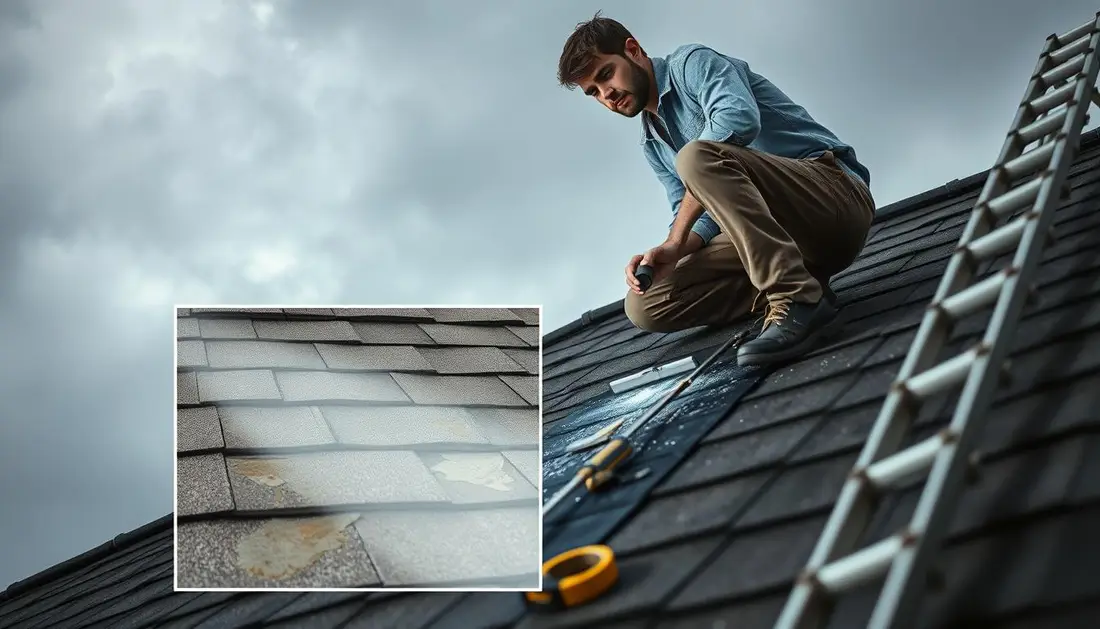
Early detection of water ingress saves time and money. A leaky roof causes hidden damage that undermines structures and finishes.
We connect you with independent contractors who locate the source, confirm scope and offer realistic quotes. This step helps protect your home and budget.
Before any work starts, always check written scope and warranties. That simple check reduces risk and improves value for homeowners, landlords and investors across South Africa.
Identifying the Early Signs of Water Damage
Noticing faint brown patches early gives you options and reduces expense. Start inside by scanning ceilings and walls for yellowish or brown stains. These marks often signal hidden water entering the structure.
Interior indicators
Look in the attic and under insulation for damp rafters or mould. A quick inspection of the attic space can reveal moist wood or saturated insulation before damage shows downstairs.
Moisture trapped behind paint may bubble — that bubbling is a clear sign of ongoing water damage. If you see spots on walls, water may be travelling along rafters before dripping into living areas.
Exterior vulnerabilities

Inspect flashing around chimneys and vents for rust or cracks. Check valleys for debris that traps water and examine shingles for missing or curled pieces after storms.
- Quick checks: gutters, chimney flashing, roof surfaces and vents.
- Look for mould in dark areas and consider a moisture metre if dampness is suspected.
- Spend a few minutes on these checks to reduce future repair costs and protect your home.
“If you suspect moisture, document stains and get a professional inspection before repairs.”
Technical Methods for How to Find a Roof Leak
Systematic testing removes guesswork and helps you target the source quickly. Start with simple, safe checks in the attic and work outwards through roofing sections.
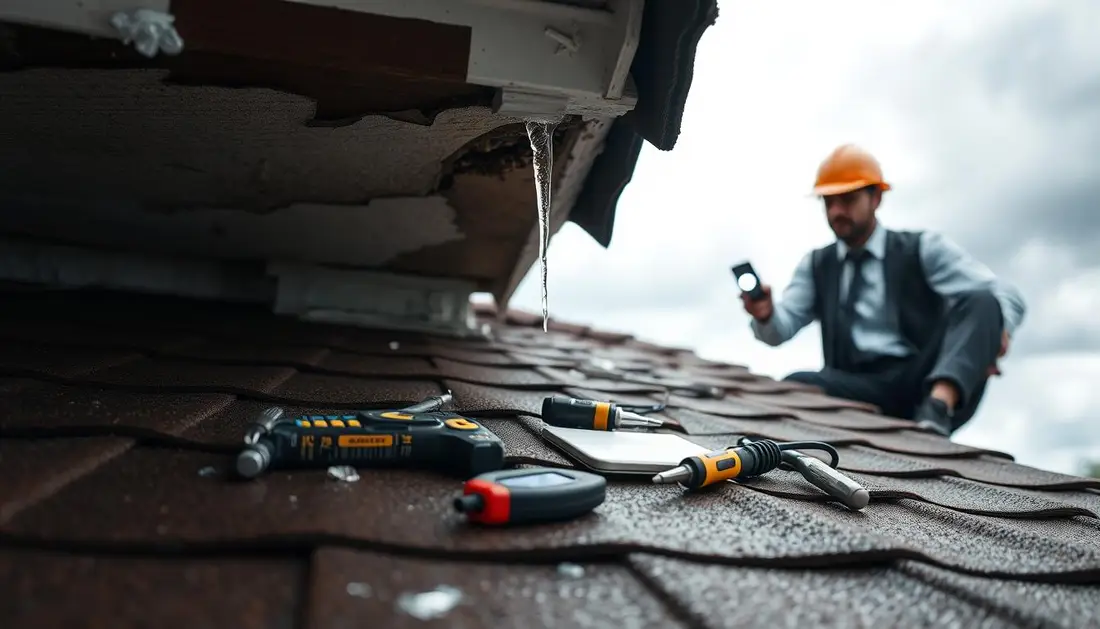
Ceiling mapping techniques
Trace stains along rafters. Follow water stains from the drip point up the ceiling toward the ridge. Water often travels sideways before it falls, so the source may be higher than the spot on your ceiling.
Hose testing procedures
Use a garden hose to simulate rain with a helper inside to watch the ceiling. Spray each section for several minutes while the helper signals exactly where moisture appears.
Daylight inspection checks
In the attic, look for light through the deck. Small shafts of light often show where cracks, missing nails or gaps in flashing let water in.
- Clear debris before tests so you can see tiles and flashing.
- Work from the bottom up with the hose to avoid false positives.
- If you cannot locate the problem, call a professional to inspect flashing, chimneys and seals.
“Pinpointing the true source means repairs fix the problem, not just the symptoms.”
| Method | Best used when | Quick result |
|---|---|---|
| Ceiling mapping | Visible stains or spots on ceilings/walls | High — traces water path to source |
| Hose test | No obvious external signs after visual check | Moderate — isolates roof sections |
| Daylight check | Accessible attic space with good light | High — finds deck cracks and nail holes |
| Professional inspection | Persistent or complex leaks near chimneys/flashing | Very high — uses experience and tools |
Why Professional Diagnosis and Assessment are Billed
Contractor-led inspections carry costs because they bring specialist tools, training and safety systems. A paid visit is more than an hour on the roof; it is an assessment that prevents recurring work.
Our quote request process asks contractors to list the tasks and costs for the inspection. That breakdown helps you compare fees and confirms what each contractor will check.

Ceiling mapping techniques
Ceiling checks trace stains along rafters and map where water runs before it drops. Inspectors record the ceiling, attic and interior walls so repairs target the true source, not just the visible drip.
Hose testing procedures
Garden hose tests recreate rain over sections while an assistant watches inside for moisture. This method can pinpoint a leak within minutes without guessing.
Daylight inspection checks
In the roof space, technicians look for shafts of light and gaps in flashing or decking. Professionals follow structured steps and use fall-arrest systems in line with South African occupational health and safety requirements for work at height.
Tip: Our pricing guidance clarifies that the fee covers time, safety, equipment and a proper inspection report so repairs fix the problem at the end.
Securing Reliable Repairs Through Our Platform
Secure reliable repairs quickly by comparing clear, local quotes on our platform at buildingpricessouthafrica.co.za.
Request up to three independent quotes and use our price guidance to compare scope, materials and labour. This helps you choose the best contractor for your roof repair without guesswork.
Check that each written quote lists the timeline, payment terms and warranty. Confirm accessibility of roofs, flashing and any repairs that affect walls or the attic.
Tip: note obvious signs and document them — photographs taken in minutes help contractors identify the source and scope. Comparing multiple quotes can save time and money while ensuring a quality repair.
Check current pricing in roof repair guide.
FAQ
How do roofers trace a leak and why is that service billed?
Roofing teams use a mix of inspection, attic checks and controlled water testing to locate the source of moisture. Tracing needs time, ladders, safety gear and often two people — one on the roof and one in the roof space — so contractors charge for labour, travel and the specialist methods used to be certain before repairs begin.
What are the earliest interior indicators of water damage?
Look for yellow or brown stains on ceilings, bubbling paint, damp patches on walls, peeling plaster and musty odours in the attic. Small, intermittent drips during rain and darkening timber near rafters are early warning signs that need inspection before damage spreads.
Which exterior vulnerabilities usually cause leaks?
Check for missing or damaged tiles and corrugated sheeting, cracked flashings around chimneys and vents, blocked gutters and valleys, and loose ridge or hip caps. Debris and poor sealing at roof penetrations are common sources of moisture entry on local roofs. It reads well alongside roof tiles vs sheeting compared.
What is ceiling mapping and how does it help locate the source?
Ceiling mapping records the pattern of stains and wet spots in the roof space to trace the path water follows along rafters and plasterboard joints. It reduces guesswork by showing likely entry points and guides targeted repairs rather than replacing large areas unnecessarily. This pairs naturally with roof tie-ins.
How does a hose test work during diagnosis?
A hose test recreates rainfall in controlled sections while someone watches from inside the loft or ceiling. The roofer wets specific areas for set intervals to see where water appears. This isolates the problem area and confirms whether flashings, joints or sheeting allow penetration.
What are daylight inspection checks and when are they used?
Daylight checks involve looking from the loft or under eaves for beams of light or gaps that indicate holes or poor joins. They’re quick, low-cost checks used before wet tests and often reveal missing underlay, open nail holes or displaced battens that need attention.
Why is a professional diagnosis preferable to DIY checks?
Professionals combine experience, safety equipment and tried methods — such as mapping and hose testing — to accurately locate the source. DIY attempts can miss the true entry point, leading to repeated repairs and higher total costs. A paid diagnosis limits that risk.
What does a typical billing breakdown include for leak tracing?
Expect charges for on-site assessment, labour for two technicians when required, use of ladders/scaffolding, time for attic inspection, hose-testing materials and travel. If access is difficult or permits are needed, costs rise. Always request a written scope and price before work starts.
How long does a full leak-tracing inspection usually take?
For a standard suburban house, a proper inspection with mapping and selective hose testing typically takes 1–3 hours. Complex roofs, multiple penetrations or late-stage wet testing can extend the visit and the price, so confirm the expected duration up front.
Can tracing damage be repaired on the same visit?
Minor fixes, like resealing a flashing or replacing a couple of tiles, may be done immediately. Larger repairs, like replacing underlay or repairing structural timber, generally need a follow-up visit with materials and a formal quote. Contractors will quote separate repair fees.
What should I confirm in writing before authorising work?
Ask for a written scope, inspection fee, estimated repair cost, materials to be used, labour warranty and who handles council approvals if required. Our platform helps you request up to 3 independent contractor quotes so you can compare prices and terms before committing.
How can I prepare my home for an inspection?
Clear loft access and remove stored items near the inspection area where possible, trim overhanging garden branches, and secure pets. Note any interior stains and the times you noticed leaks — this helps technicians target tests and reduce time on site.
Will insurers accept a contractor’s trace report?
Most insurers require a written diagnosis showing the source and cause of damage. A professional report with photos and test notes improves the chance of claim approval. Always check your policy and get the contractor’s report before repairs if you plan to claim.
What are typical cost factors for tracing and repair work in South Africa?
Costs vary with roof materials (tiles, metal sheeting), roof complexity, access difficulty, region, labour rates and required permits. Expect a lower diagnostic fee for simple inspections and higher charges where scaffolding, specialised testing or multiple visits are needed. Request quotes to compare real prices. It reads well alongside how roof design affects build cost.
Ready to compare?