
Porcelain vs Ceramic Tiles
Density decides – wear, water and why porcelain costs more to lay
Quick answer
Porcelain vs ceramic tiles – wear, water resistance and why porcelain needs different adhesive and costs more to cut and to lay.
10 min read
On this page
Which floor choice will save you money and stand up to South African bathrooms and busy homes?
Choosing between porcelain and ceramic can feel confusing. We know price and performance matter most when you plan a renovation.
At buildingpricessouthafrica.co.za we show realistic costs and local options. Entry-level tiles can start from around R80 per m2 for many flooring projects, but final costs depend on scope, access, finishes and region.
Porcelain tile is made from fine kaolin clay and compacted with sand and minerals. Ceramic tile is formed from clay and fired in a kiln at set temperatures.
Understanding water absorption, durability and installation needs helps you set a proper budget for a bathroom or floor. Use our quote process at buildingpricessouthafrica.co.za to compare contractor assessments and get an accurate cost picture.
Understanding the Technical Differences Between Porcelain vs Ceramic Tiles
Knowing how each material is made helps you choose the right finish for bathrooms, kitchens and high-traffic floors.

Composition and Firing Temperatures
Porcelain tiles are made from fine kaolin clay mixed with minerals and fired at much higher temperatures. This creates a dense, less porous material with stronger water resistance and longer durability for busy floor areas.
Ceramic tile is formed from clay and fired at lower temperatures. It is softer, easier to cut and often preferred for walls and decorative bathroom panels.
Aesthetic Versatility
Designers choose ceramic for complex patterns and a wide range of finishes. Porcelain gives more uniform colour and better wear over years in demanding spaces.
- Porcelain: denser, better water resistance, higher cost but longer life.
- Ceramic: easier to handle, great for wall designs, wide style options.
- Consider room use, moisture and foot traffic when selecting material.
| Feature | Porcelain | Ceramic |
|---|---|---|
| Firing temperatures | Higher — very dense | Lower — less dense |
| Water resistance | Superior — good for wet areas | Moderate — better for walls |
| Ease of cutting | Harder — needs specialised tools | Easier — DIY-friendly |
| Typical use | High-traffic floors, bathrooms, kitchens | Walls, decorative finishes, low-traffic floors |
Density and Water Absorption Explained
How compact a tile is tells you how it will behave in wet and busy rooms — and how it lands in the tiling costs, since denser porcelain takes longer to cut and lay.
Low water absorption is the main reason dense porcelain performs well in showers and wet bathroom areas. The material’s compact body limits moisture entry and reduces chipping under load.
Ceramic is more porous and so suits vertical applications and splashbacks better than busy floors. Its lighter body makes handling and cutting easier during installation.
The following points summarise what to expect when you choose materials for flooring or walls in your home:
- High-pressure compaction and high firing temperatures create the density that prevents water penetration.
- Less-dense ceramic absorbs more moisture and is not ideal for wet outdoor areas or wet bathroom floors.
- Dense flooring keeps its surface under heavy traffic and regular cleaning, reducing long-term maintenance.
- Porcelain requires specific adhesive and fixing methods in spaces with temperature changes.
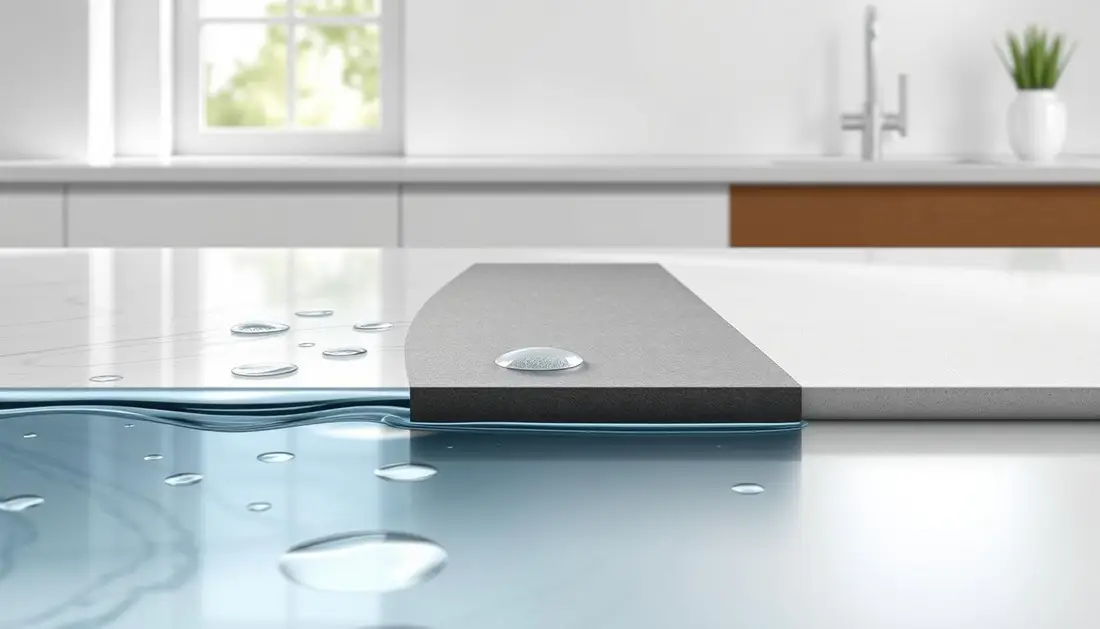
| Property | Dense material | Lighter material |
|---|---|---|
| Water absorption | Low — suited to wet areas | Higher — better for walls |
| Durability | High — good for floors and kitchens | Moderate — best for walls and low-traffic areas |
| Installation needs | Special adhesives and skilled labour | Standard adhesives; easier cutting |
| Long-term maintenance | Lower repair costs; wear resistant | May need more frequent replacement in wet spots |
Pricing note: Dense flooring costs more up front but lowers lifetime maintenance. For South African homes, choose based on area use, moisture risk and expected foot traffic.
Operational Realities of Installation and Labour
Installation often sets the true cost of a flooring project more than the material price.
Professional adhesive and cutting requirements
Harder, thicker porcelain material needs specialist cutting tools and higher-class adhesive to bond correctly. A skilled tiler will assess the subfloor, pick the correct adhesive and allow extra time for large-format panels.
Ceramic is faster to lay and usually reduces labour hours on a bathroom or kitchen job. That speed often translates into lower on-site labour costs for your project.

- Porcelain tile installation requires specialist equipment and slows the process.
- Labour costs for porcelain are typically higher than for ceramic due to time and tools.
- Always confirm your contractor has experience with these materials to avoid water problems in wet areas.
- Request quotes that separate material costs from professional installation charges.
| Item | Consideration | Effect on cost |
|---|---|---|
| Cutting & tools | Specialist saws for hard bodies | Higher labour rate |
| Adhesive | Correct class for resistance to movement | Extra material cost |
| Subfloor | Levelling and priming required | Possible prep charge |
Essential Checklist for Selecting Your Tiles
Before your contractor arrives, confirm a few key details to protect your budget and finish.
Rectified Edges
Rectified edges allow very thin grout lines and a seamless look that many South African homeowners want.
Ensure the porcelain and ceramic you order are rectified if you plan narrow joints. This keeps the design consistent across a large floor area.
Batch Number Consistency
Check batch numbers on every box before purchase. Matching batches prevents visible shade and texture shifts after installation.
Shade Matching
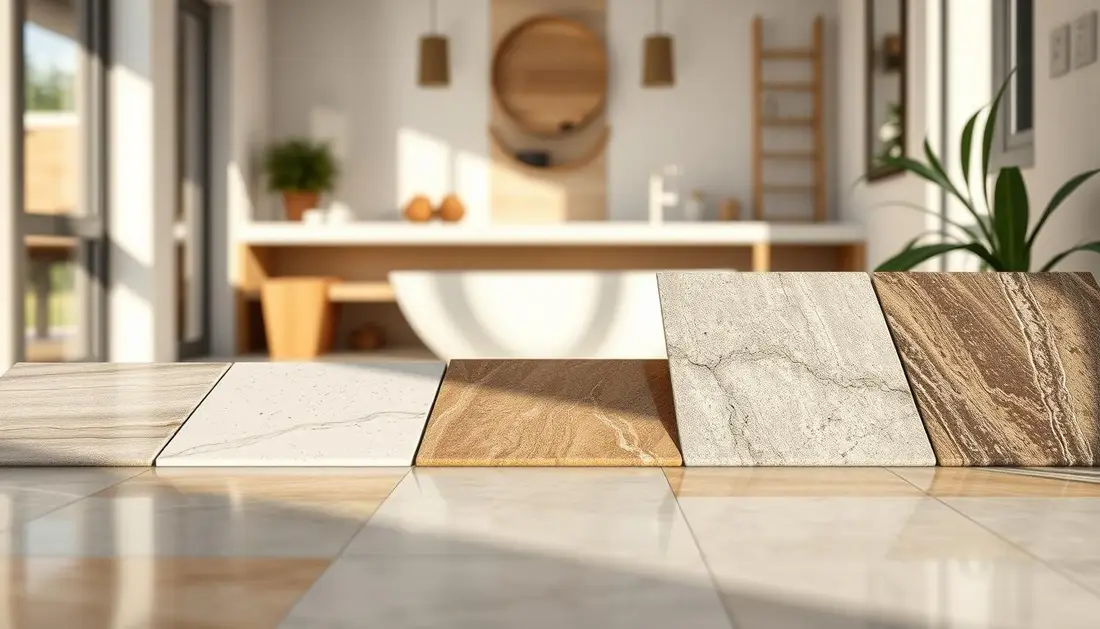
Compare loose pieces under natural light. Even small differences become obvious once the job is complete.
- Order 10% extra for cuts and breakage.
- Confirm slip resistance for wet areas such as a bathroom or kitchen.
- Verify durability and maintenance needs in writing to protect your budget.
- Use our quote request process to find contractors who check these items on site.
| Check | What to do | Why it matters |
|---|---|---|
| Rectified edges | Ask supplier and inspect sample | Thin grout, modern finish |
| Batch numbers | Match all boxes before acceptance | Consistent shade and texture |
| Shade matching | View samples in room light | Avoid visible colour shifts |
| Order & safety | Add 10% and check slip rating | Cover waste; ensure resistance in wet areas |
Making the Right Choice for Your South African Property
Deciding which material suits your South African property comes down to use, climate and long-term cost.
Porcelain works best for outdoor areas and high-traffic floors because of its superior wear and weather resistance. It gives long-term durability where heavy use and water are frequent.
Ceramic remains a cost-effective option for indoor wall applications and decorative bathroom panels where extreme water resistance is not required.
Balance budget with the demands of each area, confirm scope and costs in writing, and compare multiple quotes to protect your project.
Ready to compare contractors? Request quotes at buildingpricessouthafrica.co.za to find local professionals who understand regional conditions and deliver accurate pricing. For what this typically costs, see budgeting for tiling per square metre.
FAQ
What is the main difference between porcelain and ceramic tiles?
The key difference lies in composition and firing. One type is made from a denser clay mix and fired at higher temperatures, which reduces water absorption and increases strength. The other uses a more porous clay and lower firing temperature, making it lighter and generally cheaper. This affects durability, suitability for wet areas and cutting or fixing methods.
How do composition and firing temperatures affect performance?
A denser body and higher firing temperature create a harder, less absorbent surface that resists stains and frost. The less-dense option absorbs more water and is more prone to chipping under heavy use. For bathrooms, kitchens and outdoor areas, choose the lower-absorption product for long-term performance.
Are there differences in aesthetic versatility between the two?
Yes. One variety often offers a wider range of rectified, large-format and stone-look finishes, making it popular for contemporary designs and seamless floors. The other still provides many colours and patterns but is more common in smaller formats and traditional styles, which may suit budget projects or decorative walls.
How does density relate to water absorption and where should each be used?
Lower water absorption means better resistance to moisture and staining. Use the less-absorbent material in high-moisture areas — bathrooms, kitchens and covered outdoors. The more absorbent option works well for dry interior walls and low-traffic rooms where cost matters more than heavy-duty resistance.
What should I expect during installation and labour?
Installation requirements differ. The denser product needs specialist adhesives, diamond‑blade cutting and sometimes a stronger substrate. Labour may cost more because cutting and fixing take longer. The more standard product is easier to cut with common tools and quicker to lay, so installation costs are typically lower.
Do I need a professional for adhesive and cutting requirements?
Yes — for large-format, low-absorption tiles you should hire a tiler experienced with polymer-modified adhesives, appropriate primers and water‑resistant grout. They’ll use wet saws with diamond blades and correct spacers to avoid lippage. For small domestic projects you may manage DIY with the other tile type, but confirm tool and skill requirements first. This pairs naturally with what large-format tiles demand.
What is a rectified edge and why does it matter?
A rectified edge is mechanically finished to precise dimensions, allowing tighter grout joints and a cleaner modern look. If you want minimal grout lines and a near-seamless floor, choose rectified products and tell your contractor so they price labour and grout accordingly.
Why is batch number consistency important when ordering?
Colour and shade can vary between production batches. Always order all tiles for one area from the same batch number to avoid visible differences. If you need extra for repairs, buy a small surplus from the same batch and keep it stored safely.
How do I handle shade matching across a project?
Inspect tiles in natural light before laying. Lay out cartons to mix tiles from several boxes to even out any slight variation. Communicate your required shade range to the supplier and request samples or a sample board before purchase. It reads well alongside screeds and surface prep before tiling.
Which option is better value for South African homes on a budget?
For tight budgets, the more economical product delivers good appearance and low installation cost for interior walls and low-traffic floors. For areas that face moisture, heavy wear or outdoor exposure, investing more upfront in the denser product reduces long-term maintenance and replacement costs.
How should I factor cost into my tile choice?
Consider material price, labour rates for specialist installation, cutting complexity, substrate preparation, waterproofing and grout. In many South African regions, labour and access can influence total cost more than the tile unit price. Get up to three independent quotes — or up to five where available — and compare scope, warranties and timelines in writing.
Can either type be used outdoors in our climate?
Use the lower‑absorption option for uncovered or frost‑exposed areas and where slip resistance matters. The more porous material may include frost‑resistant ranges, but check the product rating for outdoor use and specify anti‑slip finishes for verandas or pool surrounds.
What maintenance differences should I expect?
The denser, low‑absorption option resists stains and needs less frequent sealing. The other may need sealing in wet areas and more regular cleaning to avoid staining. Use neutral pH cleaners and avoid harsh acids on both types to preserve glazes and grout.
How long should good quality products last in a rental or investment property?
With correct installation and basic maintenance, the heavy‑duty option can last 20 years or more in high-traffic settings. The more economical product often lasts 10–15 years depending on traffic and care. Factor expected lifespan into your replacement and return‑on‑investment planning.
What should I confirm in writing with a contractor before they start?
Confirm scope of works, tile batch numbers, rectified or gauged format, adhesive and grout types, waterproofing details, labour warranty period, timelines and a schedule of provisional costs for any substrate repairs. This protects you from surprise charges and ensures the finished look matches your brief.
Ready to compare?